Sit with winners. The conversation is different. This concept has guided my career. The mindset and attitude are different with winners.
Business
Drew Wilkerson of RXO: The Principle of Radical Team Selection That Drives Massive Industry Outperformance
The CEO of RXO shares how a relentless focus on culture, talent positioning, and strategic foresight built an industry powerhouse during unprecedented market volatility.
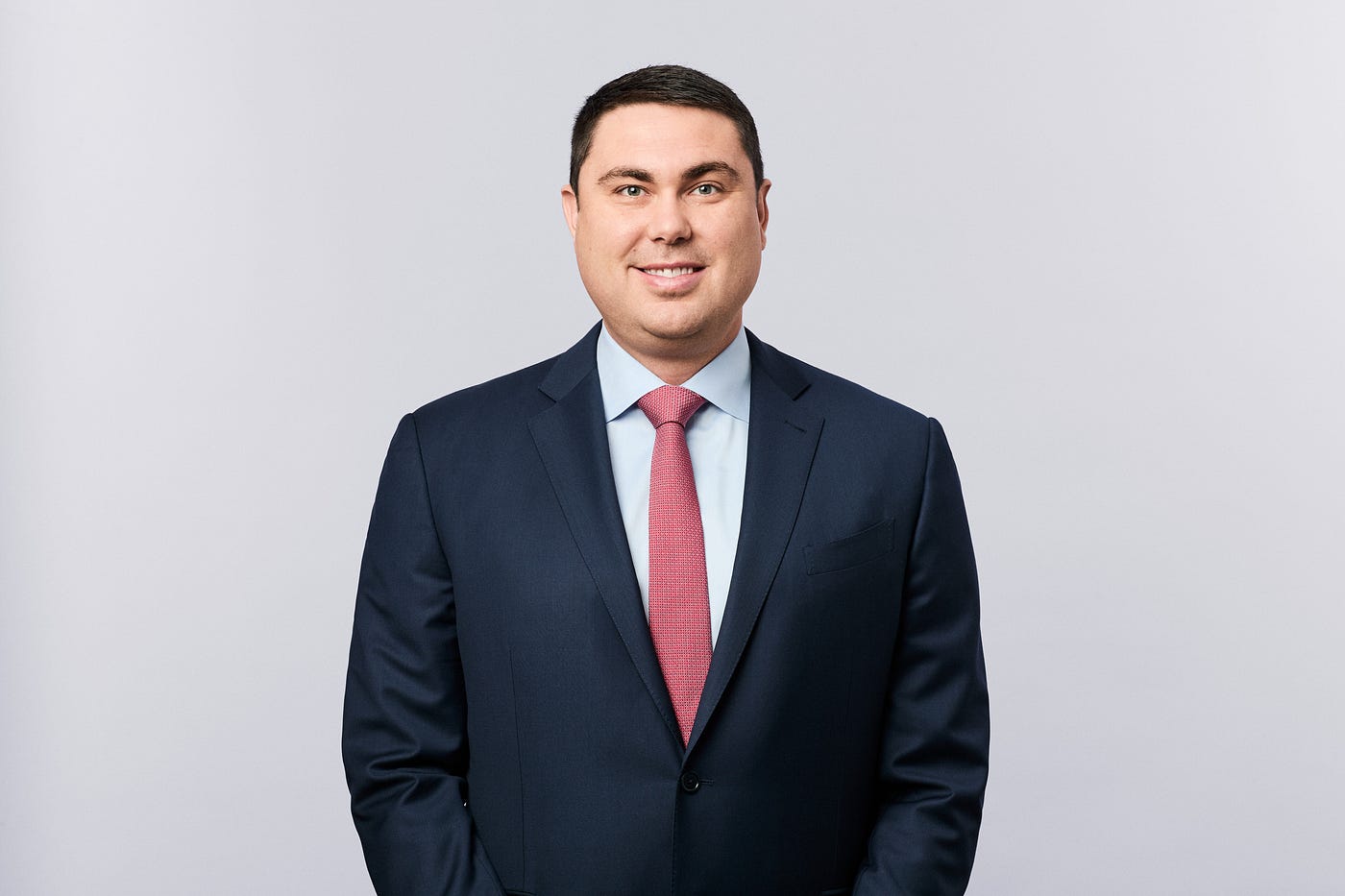
As part of our series called “Five Things You Need To Be A Highly Effective C-Suite Executive” we had the pleasure of interviewing Drew Wilkerson
Drew Wilkerson is the CEO of RXO, the fourth-largest truck brokerage in the country. Drew’s vision, brokerage expertise and executive leadership helps to deliver sustained company growth and value to investors and customers.
Thank you so much for joining us in this interview series. Before we dive into our discussion, our readers would love to “get to know you” a bit better. Can you share with us the backstory about what brought you to your specific career path?
Shortly after college, a friend called and told me to apply for a job at a logistics company. I had zero experience in the industry prior to this, but I was willing to jump in and learn. I started at the desk level and worked hard to learn the industry, the company and the role. Throughout the next 16 years, I immersed myself in every facet of the truck brokerage business. From sales and operators to customer and carrier relations and eventually to the c-suite, my career has been shaped by exceptional experiences and people.
In 2012, I had the opportunity to join a group of hungry innovators at XPO. We were able to grow our business into an industry powerhouse as we fused our transportation and technology expertise. In 2022, I was tapped to lead the spin-off of the North American transportation business, RXO. The spin was complete in November, and RXO is continuing as the standalone leader in asset-light transportation.
RXO leverages massive capacity and cutting-edge technology to help world-class companies move freight efficiently through supply chains. We created our own proprietary brokerage platform that’s now widely adopted by shippers and carriers, as well as a massive network connecting more than 10,000 customers with 100,000+ independent carriers. With a foundation of long-term relationships with blue-chip customers, we’re looking to continue to outperform across different market cycles.
Can you share the most interesting story that happened to you since you started your career?
When I first started at XPO Logistics’ brokerage business (now RXO), my role was to secure new business for the company. We were tiny at that time, and every deal really mattered. I was supposed to fly up to Detroit for an important meeting with a potential new customer the following day. But, the weather was so bad that all outbound Charlotte flights were canceled, and the Detroit airport was shut down. I tried everything, but there were no other flights that would get me into Detroit in time for the meeting. I decided to rent a car and make the drive from Charlotte to Detroit — a 10-hour trip. An account executive and I drove through the night and made it to Detroit just in time for the customer meeting. We closed the deal, and that customer ended up being our first million-dollar account.
Can you please give us your favorite “Life Lesson Quote”? Do you have a story about how that was relevant in your life?
“Sit with winners. The conversation is different.”
This concept has guided my career. The mindset and attitude are different with winners. Working with Brad Jacobs, executive chairman of XPO, is one example of sitting with winners. I was able to work with Brad for a decade, which was a game-changing opportunity. It was a great learning experience, and he’s been a great mentor. One thing I learned from Brad is that it is all about the people. When you look at RXO, that’s what we are focused on.
Is there a particular book that made a significant impact on your leadership style? Can you share a story or an example of that?
“Good to Great” by Jim Collins has made a significant impact on my overall career. It is important to have the right people on your team, but it is even more important to have them in the right roles. There are several key leaders in our organization that started with the company in a different role, and we were able to shift them into something different based on their strengths. If you look at companies that are performing well, you must be able to continue to shift to outperform.
What do you think makes your company stand out? Can you share a story?
At RXO, we remain focused on our differentiators: massive capacity and cutting-edge technology. Those two things influence everything we do. We built our technology from the ground up beginning more than a decade ago, and that has provided us with a considerable amount of rich data that we are now using to fuel machine learning and AI, which is helping our carriers and our customers be more efficient. It’s a virtuous cycle.
The other thing that we are focused on is our people, as I mentioned earlier. There are five attributes that we look for in every candidate that comes through the door: a pioneering spirit, an entrepreneurial mindset, an agile approach, the belief that success comes from teamwork, and a results-focused mindset. A relentless focus on ensuring we have the right people fuels and protects our culture and has enabled our outperformance. In fact, we have grown three times faster than the overall brokerage industry since 2013.
You are a successful business leader. Which three character traits do you think were most instrumental to your success? Can you please share a story or example for each?
Transparency, creativity and drive.
Transparency is a key part of my leadership style, but also how we’ve built RXO. Every person on my leadership team has an open-door policy, and we regularly hold in-person listening sessions to ensure we are responding to anything that is on employees’ minds. From the way our offices are laid out, to the regular employee surveys and town halls we conduct, it’s imperative to not only listen to people, but communicate why and what’s next.
Leadership often entails making difficult decisions or hard choices between two apparently good paths. Can you share a story with us about a hard decision or choice you had to make as a leader?
The COVID pandemic was one of the most difficult times for our industry. In 2020, before the importance of investing in supply chains made headlines, factories were shuttered, stores were closed, and freight wasn’t moving. Many of our competitors hunkered down and decided to conduct large layoffs to weather the storm. At RXO, though, we had the foresight to know that eventually, things would reopen and, when they did, trucking companies would be in high demand. We decided on a divergent strategy from the rest of the industry and continued hiring to ensure we had the right people in place for when freight returned. It was unnerving to make a different decision than everyone else in the marketplace, but we focused on our people and how to position ourselves for success.
Ok, thank you for that. Let’s now jump to the primary focus of our interview. Most of our readers — in fact, most people — think they have a pretty good idea of what a C-Suite executive does. But in just a few words can you explain what a C-Level executive does that is different from the responsibilities of other leaders?
I think the biggest difference is knowing how to build a corporate strategy versus building just a business strategy. A C-Level executive must know how to lead not just the individual business lines, but also how to get the most out of each of the support functions, like HR, Finance or Technology, to gain a competitive advantage in the marketplace.
What are the “myths” that you would like to dispel about being a C-Suite executive? Can you explain what you mean?
That we are “too busy.” I think it is imperative to spend time with people across the organization. If we’re too busy to listen to what is going on, then we are disconnected from what’s really happening in the business. This business is all about the people, no matter what your role or responsibility.
What are the most common leadership mistakes you have seen C-Suite leaders make when they start leading a new team? What can be done to avoid those errors?
The most common mistake I see from any leader is being disconnected from your people. It’s easy to get siloed into one way of thinking, and oftentimes leaders are stuck in their own way of doing things. Listen more than you talk, especially when you are leading a new team and help create connections across the organization to ensure alignment and buy-in.
In your experience, which aspect of running a company tends to be most underestimated? Can you explain or give an example?
One aspect of running a company that I think is often underestimated is the amount of communication lines you must create to give people a voice within the organization. As we launched RXO as a standalone company, we had to establish numerous channels. Unless you’ve started up a company before, you’ve probably never had to think about all of the different ways people connect with one another. We had to intentionally create informal channels like employee engagement committees, think about our return-to-workplace strategy and where we put desks to establish a collaborative environment. Of course, we also needed to build formal channels like our company wide newsletter, social network and town meeting cadence. It’s so important that employees know how and when to voice their ideas and concerns to leadership.
Ok super. Here is the main question of our interview. What are your “Five Things You Need To Be A Highly Effective C-Suite Executive”?
- Transparency: It’s imperative to listen to people, but also to provide them with a roadmap for where the business is headed.
- Connectivity: Business is about people working together to achieve a common goal. Leaders never stop ensuring that everyone is on the same page
- Entrepreneurial spirit: The success of our customers and the company is in our hands. Proactively solving problems is the name of the game.
- Innovation: Boldly look at what’s next. In order to create cutting-edge solutions, you must be willing to continue to innovate and push the boundaries of what has been created before.
- Flexibility: Move quickly and adapt easily. There are going to be market shifts and turbulence along the way, and effective leaders need to be able to adjust their approach to meet business needs.
In your opinion, what are a few ways that executives can help to create a fantastic work culture?
- Spend time with your people, and really listen to what they say.
- Allow people to be part of building something together.
- Win! Winning helps build a positive company culture, so win and celebrate those wins together.
You are a person of great influence. If you could start a movement that would bring the most amount of good to the most amount of people, what would that be? You never know what your idea can trigger. :-)
Treat people with respect. It’s as simple as that.
My children are part of my legacy. I’m teaching them to build relationships, look people in the eyes, shake hands, and ultimately, treat people with respect.
Thank you for the time you spent sharing these fantastic insights. We wish you only continued success in your great work!
About the Interviewer: Douglas E. Noll, JD, MA was born nearly blind, crippled with club feet, partially deaf, and left-handed. He overcame all of these obstacles to become a successful civil trial lawyer. In 2000, he abandoned his law practice to become a peacemaker. His calling is to serve humanity, and he executes his calling at many levels. He is an award-winning author, teacher, and trainer. He is a highly experienced mediator. Doug’s work carries him from international work to helping people resolve deep interpersonal and ideological conflicts. Doug teaches his innovative de-escalation skill that calms any angry person in 90 seconds or less. With Laurel Kaufer, Doug founded Prison of Peace in 2009. The Prison of Peace project trains life and long terms incarcerated people to be powerful peacemakers and mediators. He has been deeply moved by inmates who have learned and applied deep, empathic listening skills, leadership skills, and problem-solving skills to reduce violence in their prison communities. Their dedication to learning, improving, and serving their communities motivates him to expand the principles of Prison of Peace so that every human wanting to learn the skills of peace may do so. Doug’s awards include California Lawyer Magazine Lawyer of the Year, Best Lawyers in America Lawyer of the Year, Purpose Prize Fellow, International Academy of Mediators Syd Leezak Award of Excellence, National Academy of Distinguished Neutrals Neutral of the Year. His four books have won a number of awards and commendations. Doug’s podcast, Listen With Leaders, is now accepting guests. Click on this link to learn more and apply.

Published inAuthority MagazineTop Lessons, Top Authorities · 42K Followers
Exclusive, curated interviews with the leaders and changemakers shaping tomorrow. Leadership lessons, industry deep dives, and executive profiles.