Our biggest “disruption” is displacing greed and scarcity with service and abundance. For example, we created and launched “ShootATweet,” an application that aims to end gun violence by leveraging the Twitter platform.
Thank you so much for joining us. What is your “backstory”?
I grew up in the East Bay near Berkeley. My father is an architect, and from a very young age I became enamored with the world of design. Growing up, I had exposure to extraordinary designers and — in a household where creativity was strongly encouraged — I developed an elaborate way of thinking about the world around me.
One of my very first jobs was in retail, where I discovered the art of rapid solution-based customer service. That’s where I learned the advantage of problem solving through “graceful diplomacy.” As my career evolved within the creative services industry, I found these skills to be especially useful.
I attended UCLA where I studied Design and Media Arts. It was the exact design haven I was searching for. I had the opportunity to study emerging media and interactive design — in a revolutionary program — at a time when designing for digital experiences was still the wild west. It was there that I discovered my passion for non-linear narratives, and creating digital experiences that elicit meaningful emotion and understanding.
I was also given access to various other departments at UCLA, and took science and literature classes as well. So I learned early on how to integrate other disciplines into my design work — an undeniable advantage when starting Left Field Labs years later.
Why did you found your company?
After working at a traditional agency for several years, I developed a vision for reshaping business culture. I wanted to design a work environment that supported the evolution of each staff member’s highest potential — while succeeding in business. That made sense to me, so I founded LFL. The plan was provide clients with storytelling and creative built through emerging technologies, while always being mindful of the “greater good.” Basically, I wanted to create a “win-win-win” model: profitable company, happy staff, better world.
What is it about the work you’re doing that’s disruptive?
Since bootstrapping the company eleven years ago, I now lead a team of over 100 creators — from designers, developers, strategists, and writers, to producers, directors, fabricators, and executives. Together we’ve established a culture of personal development, diversity, mindfulness, and uncommon creativity — all while delivering on LFL’s business goals. As a company, we’re always asking “how does everybody involved feel?” That answer matters to us — both inside and outside of LFL.
Buckminster Fuller said technology has the power to save humanity, or be our downfall. So which one is humanity focussing on? Whether we’re just nudging the needle, or making radical change in the world, LFL looks at every project we take on through a “greater good” lens. We want to make a positive impact, so that’s our main business goal. Our biggest “disruption” is displacing greed and scarcity with service and abundance.
For example, we created and launched “ShootATweet,” an application that aims to end gun violence by leveraging the Twitter platform. For Uber, we designed and launched an American Sign Language application that makes ridesharing accessible for deaf and hard-of-hearing drivers. We also spearheaded a project with Google Station, a program that makes high speed internet accessible in developing countries. And most recently, we’re creating a civil rights education platform alongside Harvard University and the Southern Poverty Law Center.
We all need a little help along the journey — who have been some of your mentors?
I’ve been fortunate to find not one, but two mentors that both happen to be women: one from the world of produced film and television, and the other from major-market advertising. By blending both of these perspectives, I’ve been able to see new dimensions in protocol and process, and learn better ways to achieve my goals while avoiding more of the pitfalls along the way. It’s been wonderful and so essential to finally have a couple of amazing female mentors in my life, which I didn’t have access to in my earlier years.
On the topic of mentors, it’s worth mentioning that I’ve worked directly with several strong leaders through my career, but I’ve also experienced ineffective leadership as well. I’ve learned that having an “incompetent mentor” can sometimes be beneficial in itself — just seeing “what not to do” can be a tremendous source of growth.
How are you going to shake things up next?
A unique offering from LFL is our Innovation Labs. It’s a dynamic space for Left Fielders to experiment without the fear of failure, and for for cross-departmental creativity to generate unique takes on both client projects and internal initiatives.
From finding ways to apply our greater good thinking, to deepening our understanding of a problem in order to supercharge our solutions, it’s a place where we’re rethinking traditional silos and workflows. We’re excited to continue bringing technological innovation to very “human” verticals, including education, fitness, mental health, and wellness — areas where our work can move beyond mere impressions, and into greater positive real world impact.
Ultimately, the Labs is where our various teams come together to apply emerging technologies like AR and VR to everyday applications that can really make a difference in people’s lives.
Can you share 3 of the best words of advice you’ve gotten along your journey? Please give a story or example for each.
- It’s important to be prepared for all things, while remaining extremely flexible. Doing so challenges me to stay present, keep an open mind to receiving new ideas and opportunities, and conditions me to manifest more profound opportunities. For instance when I founded LFL, I didn’t initially have a fixed business plan — it was built more around the concept of collaborative creativity. Had I been too rigid or fixed on adhering to a plan, I might not have been so agile in growing the company.
- Be yourself, stay centered, and listen — a lot. This is perhaps the best advice I’ve recently gained, and it relates to every interaction, whether internal with colleagues and staff, or communicating with clients and partners. When I’m tasked with presenting big ideas, or when team dynamics are challenging, this advice is particularly valuable in helping me to calibrate what I’m bringing to the table.
- Think beyond the bottom line. I find doing so enables deeper opportunities to create more meaningful relationships, and amplified solutions often appear. By thinking beyond a limited “profit and loss” mentality, I almost always discover more fun and passion on any given project or business goal. In some select cases, we’ve consciously chosen projects that may have little to no profit margin because of the opportunities afforded, e.g. projects centered around social responsibility that yield global visibility and high impact.
What’s a book/podcast/talk that’s had a deep impact on your thinking? Share a story with us.
I’ve always cherished the Dalai Lama’s book “Ethics for the New Millennium.” In it, he writes about how technology and spirituality are meant to coexist symbiotically. This idea has held fast for me, as much of the time I see technology utilized in a way that couldn’t be further away from mindfulness.
The culture we’ve built within LFL has been influenced by this notion, in that our team all support each other’s personal growth, right alongside our professional goals and achievements. By interweaving the “technology” of our process, with the “spirit” of our intentions, we’re able to bring something of a wholeness to our approach.
The concept that technology and spirituality can — and should — coexist influences our best work. The most successful projects we’ve developed are ones that utilize technical innovations to elicit meaningful emotion, build empathy, and encourage participants to try on new perspectives
Is there a person in the world, or in the US whom you would love to have a private breakfast or lunch with, and why?
I would absolutely love to sit down with Ruth Bader Ginsburg. Despite her refinement and unbiased responsibilities as a Supreme Court Justice, I see Ruth as a straight-up activist who has done an incredible amount of work to move gender equality forward. At 85 years old, she’s the very definition of a fiercely feminine — and gracefully impactful — leader.
How can our readers follow you on social media?
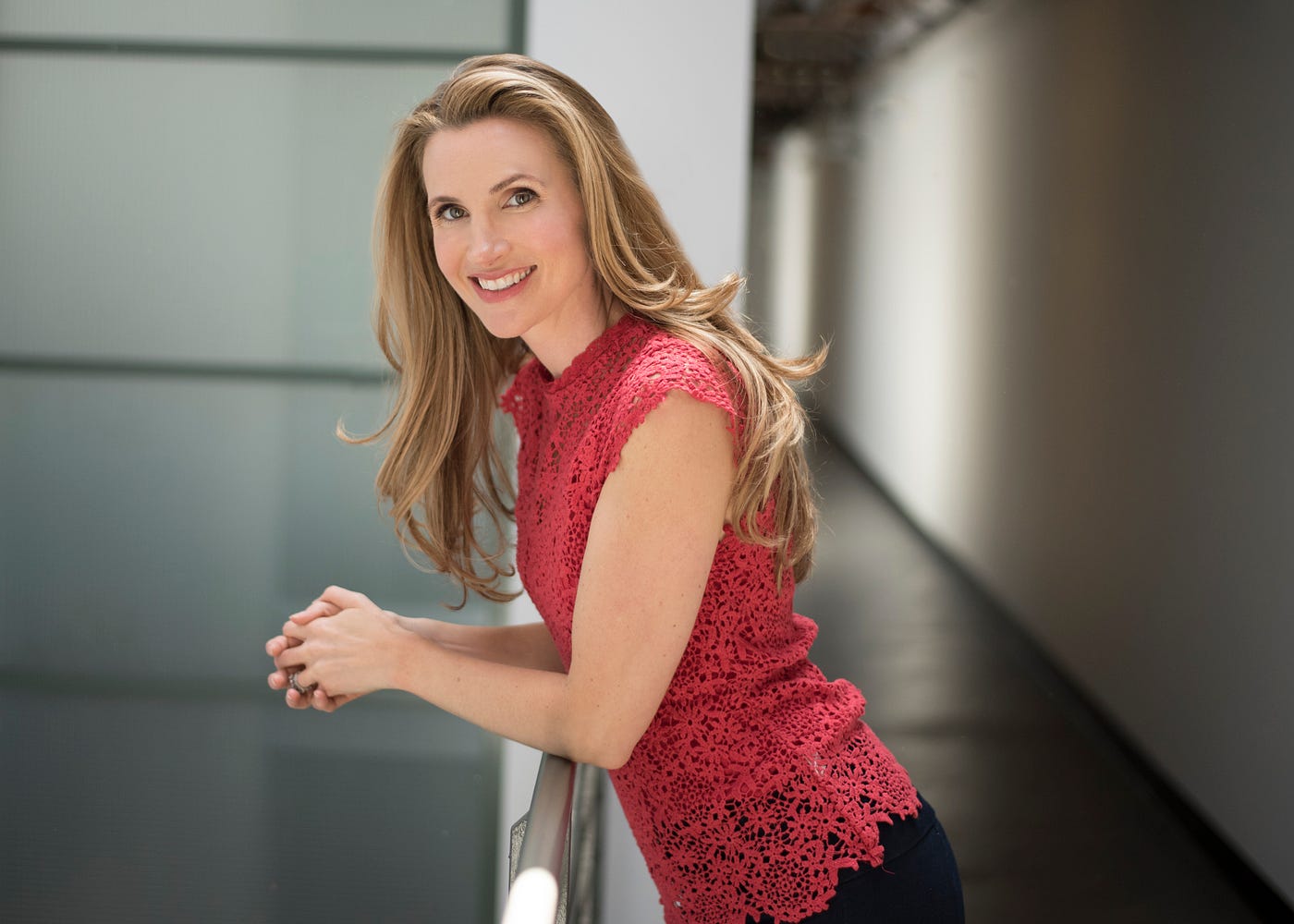
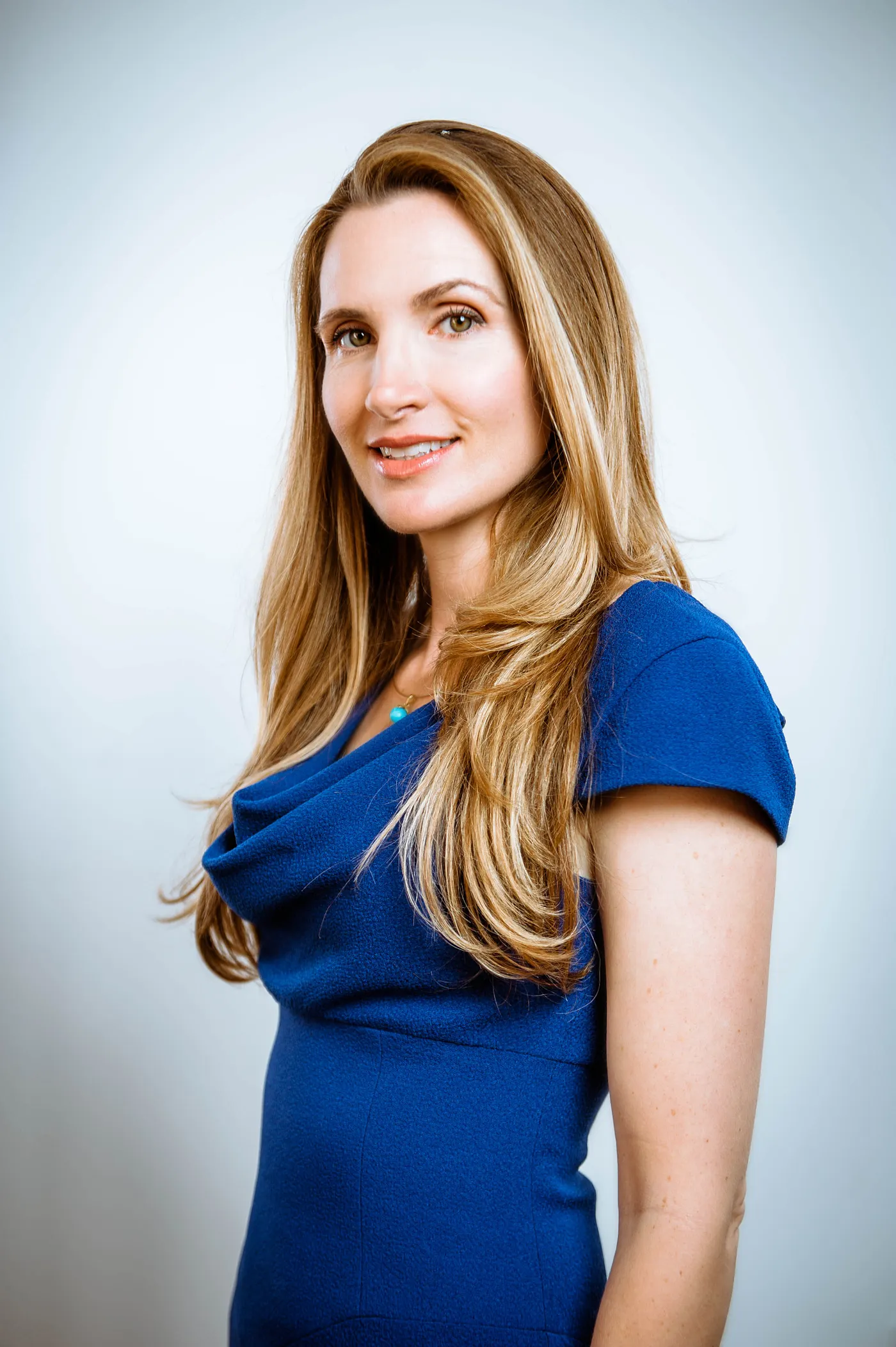
The best place to find me is on LinkedIn under “Sarah (Richardson) Mehler.”