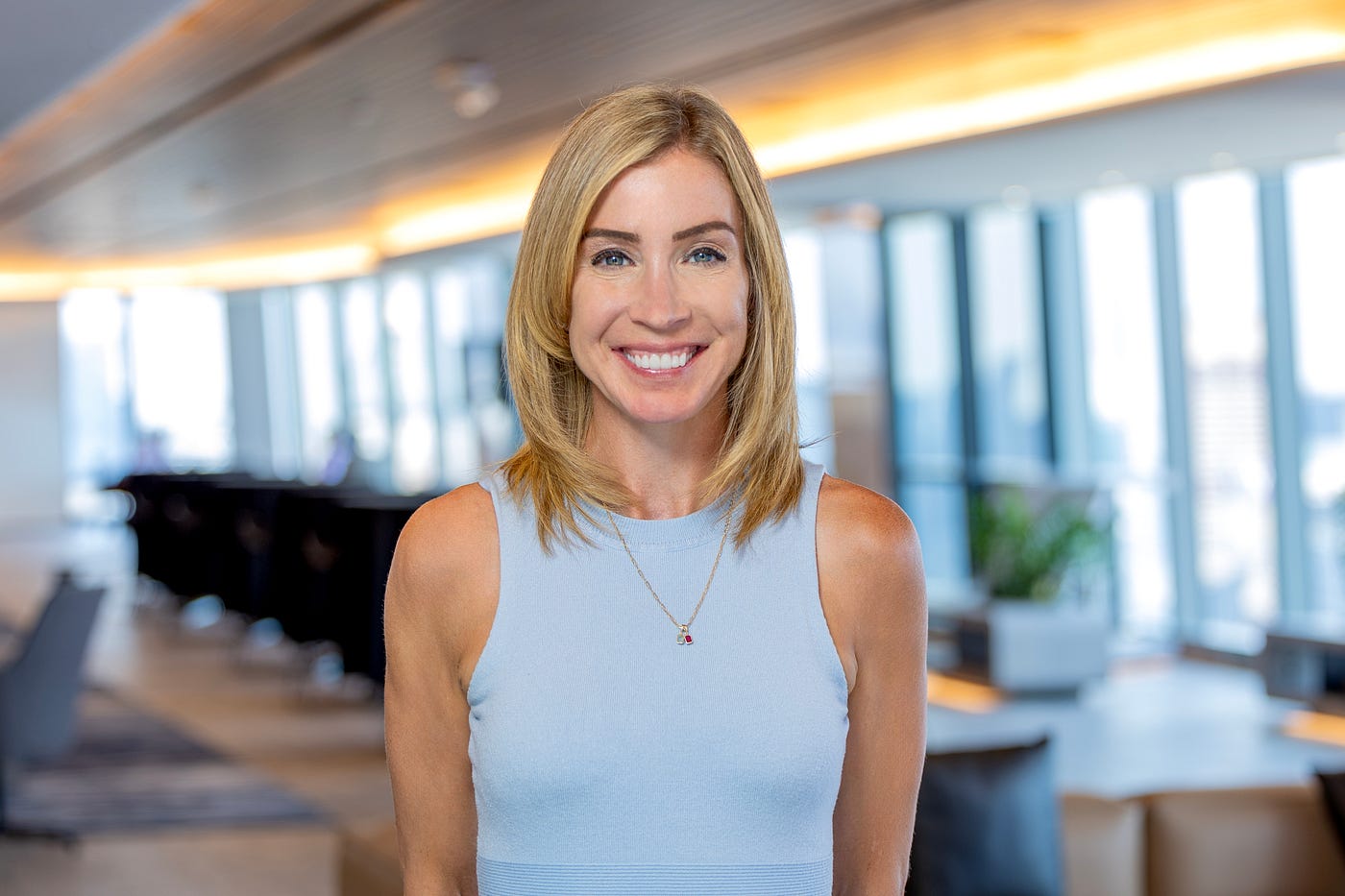
For the first five years of building my business, I began my workday anywhere between 5 and 7am to get a jump on things before team members arrived and needed my attention. By the time the workday ended, I felt too drained to make those post-work hours as meaningful as I wanted to.
Business
Katie Wight of Strong Brand Social on Bootstrapping Revenue, Rejecting Burnout, and Building Sustainable Social Media Strategies
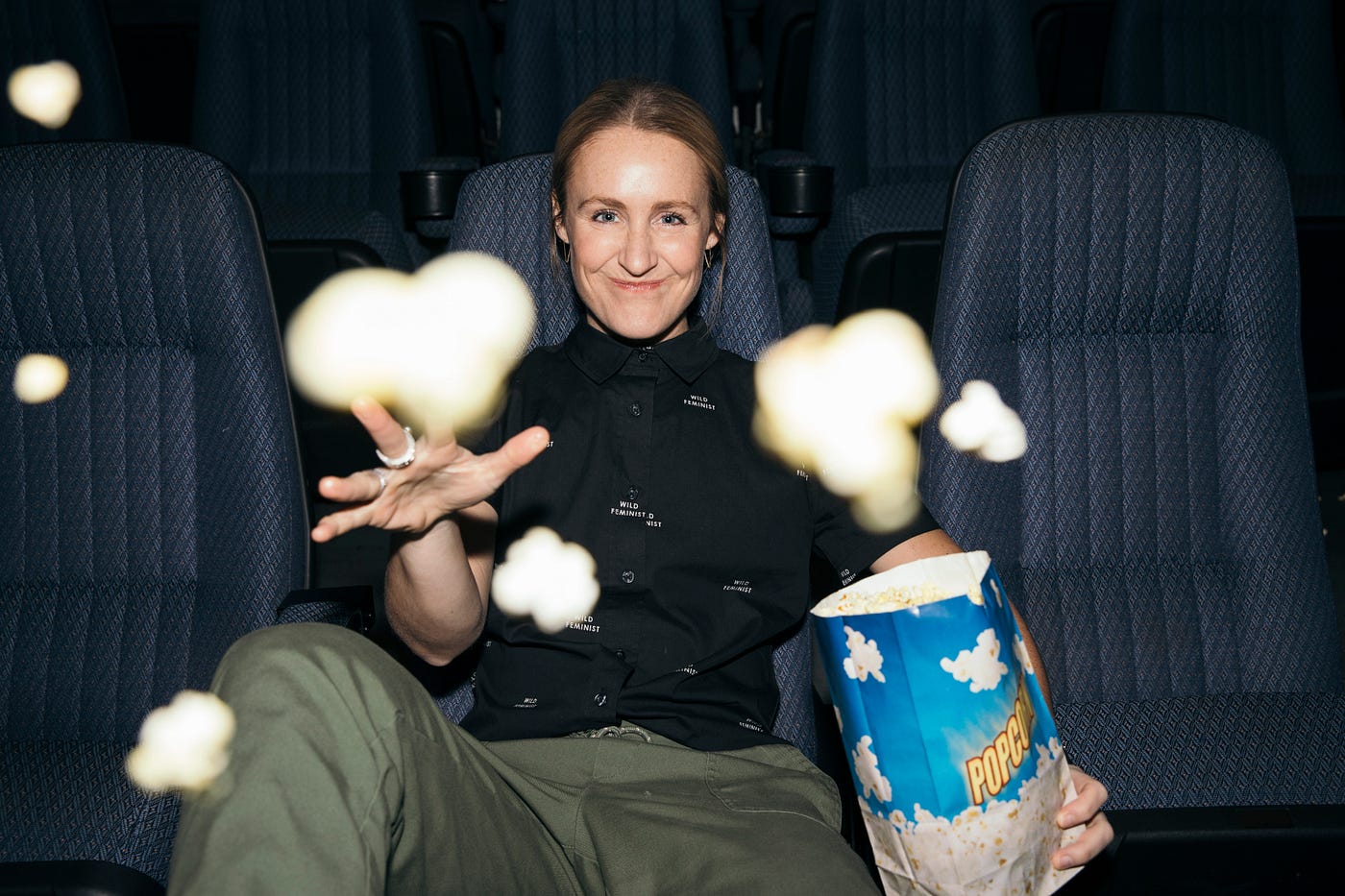
From an objective standpoint, we are living in an unprecedented era of abundance. Yet so many of us are feeling unsatisfied. Why are we seemingly so insatiable? Do you feel that marketing has led to people feeling unsatisfied and not having enough in life? If so, what actions can marketers take to create a world where people feel that they have enough, and they are enough? Can we re-imagine what marketing looks like and how it makes people feel? In this interview series, we are talking to experts in marketing and branding to discuss how we might re-imagine marketing to make it more authentic, sustainable, and promote more satisfaction. As a part of this series, I had the distinct pleasure of interviewing Katie Wight.
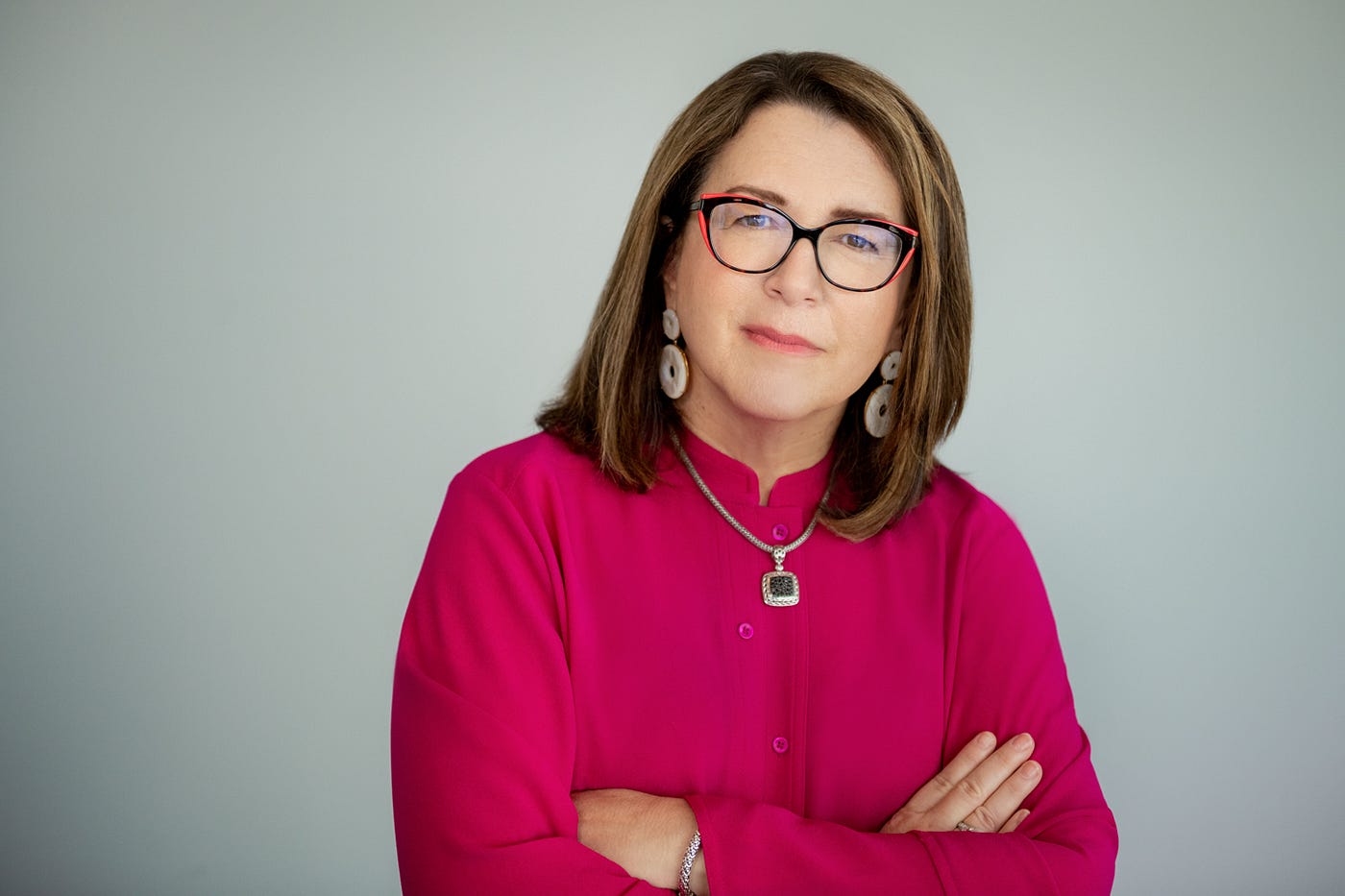
Katie Wight is the founder of Strong Brand Social, a women-run marketing education and consulting firm redefining what it means to grow your brand with content and social media. She helps purpose-driven brand leaders develop sustainable and profitable social media strategies that beat the algorithm every single time. You can learn about how to work with Katie at StrongBrandSocial.com.
Thank you so much for joining us in this interview series! Before we dive in, our readers would love to know how you got from “there to here.” Inspire us with your backstory!
I started my career 15 years ago at the world’s biggest snowboarding company, Burton Snowboards! Fresh out of college, I spent a couple of years working directly for the late Jake Burton Carpenter. My main purpose was to support him in product development. 40 years in, he was still testing every single piece in the line a year before it hit market.
I made my way into marketing and was driving social media for three brands across four platforms and dozens of profiles. I was at the helm when our social audience surpassed the millions mark, back in the infancy of social media marketing.
Jake taught me most of what I know about the critical balance of building a business, being true to yourself in the process, and never losing sight of your values — that having fun and being real are secret ingredients for sustainable success. This has had a huge impact on how I’ve approached my work in the social media marketing industry and building a team — we invest in fun and joy as a strategy for staying in an otherwise exhausting game.
After Burton, I went to a luxury skincare brand and found the intersection of beauty and social media to be a serious threat to my mental health. Ultimately, that was the kick I needed to start my first business, a content and social media agency. When the pandemic hit, I launched an online course to help small businesses pivot to meet their customers online as quickly as possible. More than 16,000 brands have taken that first course and we’ve worked directly with thousands of others in the past couple of years, giving us the experience to help just about any brand construct a powerful, growth-driving social strategy that feels good for their unique style. My favorite myth to bust is that you need to change your strategy according to the algorithm — there are so many ways to grow your brand with social.
Can you please tell us about your typical day? What day-to-day structures do you have in place for you to experience a fulfilled life?
I’ve battled burnout in a serious way, so my day-to-day looks wildly different now than it did two years ago. For the first five years of building my business, I began my workday anywhere between 5 and 7am to get a jump on things before team members arrived and needed my attention. By the time the workday ended, I felt too drained to make those post-work hours as meaningful as I wanted to. The business was succeeding in a huge way, but I was depressed and wanted to quit.
I decided to spend 6 weeks in Europe by myself in the spring of 2022. I learned I love being six hours ahead of our Eastern Standard Time working hours because it creates more spaciousness in my mornings and flexibility in how I structure my day. I’m a creative personality and acting CEO, so this flexibility allows me to treat each week a little differently depending on what I have on my plate.
I’m back in France now, spending this winter in the Alps. Most mornings, I go snowboarding with my husband before work and if not, get my exercise by playing with my dog. If I need to sleep in, I do that. If I’m inspired to get a few hours of writing done, I do that before taking a nice long lunch break. Then I dive into the rest of the workday on east coast hours, working up to dinner time. It feels incredible to put my humanity ahead of work each day and I’m feeling more creative and inspired about my business. Our clients are winning and we’re projecting big growth this year, so it feels like a zero-compromise win.
What lessons would you share with yourself if you had the opportunity to meet your younger self?
Stop being so hard on yourself! Despite what the books written by white men say about entrepreneurship, there’s more than one way to succeed and the only way to find what works is to listen to your body and trust yourself. You’ll get there one way or another, but it’ll be much more fun if you stop thinking everyone in the world knows better than you.
Ok, thank you for sharing that. Now let’s discuss marketing. To begin, can you share with our readers a bit about why you are an authority on marketing?
I’ve personally created hundreds of growth-driving marketing campaigns and I’ve directly consulted thousands of brands on their content and social media strategies. These repetitions have resulted in my ability to design The S3 System™ for growth-driving content and social media marketing that has a 100% success rate when it’s properly applied.
We’ve learned that it’s impossible to give brands the best possible social media marketing strategy without understanding their full business strategy and making sure they have the most efficient digital growth system in place, and that’s where the S3 System™ comes in. The S3 System™ has resulted in my own company, Strong Brand Social, being able to bootstrap from $0 annual revenue to a $2.5m run rate in less than three years, and my clients post massive growth results on a regular basis. More importantly than that, we show brands how to do it with a quality-over-quantity approach, and our clients report feeling calm and happy in the face of their rapid growth journeys.
We’ve proven thousands of times that you don’t need to chase the algorithm or post every day to blow past your revenue growth goals. We think it’s our personal responsibility to interpret and translate the mania of the social media marketing industry for bootstrapping brands so that they don’t waste hundreds of thousands of dollars chasing their tails or stuck in costly hire-then-fire loops.
Throughout history, marketing has driven trade for humans. What role do you see that marketing has played in creating the human experience?
Marketing shapes human behavior and our cultural experience every day in both blatant and subliminal ways. Take the beauty industry: For generations, advertisements showed a very specific, unattainable standard of beauty and in direct correlation, a 2009 study on women’s health showed that exposure to beauty-related media was significantly associated with body dysmorphia and lower self-esteem.
This is exactly what was going on for me in 2017 when I left my job at a luxury skin care brand. I thought, okay, so instead of embracing graceful aging and celebrating diverse beauty, we falsely fabricate “issues” with women so that we can create products (that often have a negative impact on the planet) to sell them this “solution” at grotesque markups. It’s unhealthy and unsustainable.
In recent years, we’ve seen a small shift toward body inclusivity and more progressive, realistic beauty standards. A 2014 study found that exposure to images featuring more diverse shapes and sizes was associated with greater body satisfaction and lower levels of disordered eating behaviors.
These same scenarios play out across every industry. With regards to my industry: The way social media platforms market themselves creates a lot of pain and chaos for the small brand. Since social media platforms make their money through advertisers that pay to access their audiences, the more time folks spend there, the more money they make. When you see constant headlines about new features, must-try trends, and that if you’re not changing your game every time the algorithm updates, you’re losing — this creates a general anxiety and sense of always being behind that shapes a negative experience for the bootstrapping entrepreneur. The truth is that all of this is in the best interest of shareholders but has very little to do with what’s best for the brand.
Many 21st-century marketing professionals in a capitalistic society will discuss solving human “pain points” as a way to sell products, services, and other wares successfully. In your opinion or experience, has aggravating pain points led to more pain? Can you explain what you mean?
It’s so contextual! No, if our customer has a real, authentic pain point and we can meet them, help them take action that prevents greater levels of future pain, and leads to a better quality of life.
Yes, if taken in the beauty industry or social media industry contexts I mentioned earlier: Where pain points are fabricated to maximize profits at the expense of our customers’ mental health.
In my industry, the actual pain point is that social media platforms suppress brand reach to 5%, but then they drive headlines that fabricate the issue of “you’re just not doing this properly, you don’t know how to harness the algorithm.” They kill our reach, but then tell us it’s our fault.
I have hundreds of entrepreneurs tell me regularly that they live with a deep sense of anxiety they won’t be able to succeed in their business if they aren’t willing to do things that feel inauthentic. Or they’re operating with serious burnout from trying to keep up with all of the things. A lot of marketing professionals dig into this pain to sell their products or services instead of saying: you don’t have to do this, there are other ways to meet your customers online, there are ways to make this feel good for you and work for your budget.
The pain doesn’t stop at the anxiety. The amount of time and money that can be wasted following the shiny objects and unethical detours of the social media marketing industry is enough to take a bootstrapping brand out of the game entirely. The ripple effect on a life, a family, or a community is immense.
Different cultures view trade/marketing differently. While some may focus on “pain-points” others may focus on “purpose-points”. How do other cultures differ in how they approach marketing? Please give examples or studies you may know about.
Impactful marketing knows how to tap into customer values, so where cultural values differ, marketing campaigns will look different. The most blatant examples of this are at some of the world’s biggest global brands where you can see one campaign crafted differently across cultures, for example Coca-Cola’s “Share a Coke” campaign in Australia tapped into the value of personal relationships — whereas in America, the company positions a choice to drink Coke as an expression of individualism.
In my line of work, influencer marketing is a much more prevalent tactic in America than say, Japan, where personal connections and face-to-face communication are highly valued, and consumers tend to rely more on recommendations from friends and family.

Okay, fantastic. Here is the main question of our interview: It seems as if we have never stopped to question marketing. In your opinion, how can marketing professionals be more responsible for how their advertising shapes our human experience? Based on your experience and your area of expertise can you please share “Five Ways We Can Re-Imagine The Marketing Industry To Make It More Authentic, Sustainable, And Promote More Satisfaction”?
So many things to say! I’ll start broad before narrowing into my industry more specifically.
1 . Take responsibility. It’s impossible to hear the words “sustainable” and “marketing” in the same sentence and not think about what Solitaire Townsend said so well: The marketing (and advertising) industry needs to take our responsibility seriously. “This starts with being honest about who pays our bills.” The advertising industry is a three trillion-dollar industry that has an outsized influence on whether we’ll reach net zero, or if we’ll hide behind our clients as we play a leading role in climate destruction. Same goes for our collective wellbeing as a society — inclusivity, human rights, our physical and mental health.
Our industry has the brain power and talent to solve real problems that our society faces, yet as an industry, we spend more resources cleaning up the reputations of gross offenders than publicizing truth. There’s no more time for this. The number one way this industry can become more authentic, sustainable, and promote more satisfaction is to adopt an unprecedented level of integrity and honesty about the work we’re doing and who we’re doing it for. What type of ancestor will you be? When you think 20 years down the road about a child, grandchild, niece, or nephew asking what you were doing when our Planet and People faced the issues we face today, how will you answer?
2 . Resist the hype. Now that I’ve set that accountability boundary, let’s talk about how to protect the marketer. Studies show this space becoming even more demanding and competitive in recent years, with marketers expected to work longer hours to meet tighter deadlines. According to a survey by the American Marketing Association, most marketers report feeling overwhelmed, with 50% saying they have too much to do and not enough time to do it. The survey also found that nearly 30% of marketers say they are either “very” or “extremely” stressed at work.
When it comes to digital marketing and social media marketing specifically, it’s not just marketers that suffer from the pain of “keeping up.” Brands and founders suffer, too. The marketing industry at large perpetuates headlines about emerging “must-try” features and the narrative that brands need to adjust their strategy with every single algorithm update. We feed the beast and then curse our careers for not being able to take time off. Look, the headlines are being shaped by these platforms themselves with their own self-interest in mind — I have hundreds of case studies this year that say you can achieve astronomical growth without playing this game. It takes focus to resist the hype. Sharper, heart-centered storytelling makes up for the value of a million trends. Invest in sustainable, efficient strategies.
3 . More female and nonbinary leadership. A recent study by McKinsey & Company found that women account for 46% of the industry’s workforce in the US, but only 25% of executive-level positions. The challenge of making the marketing industry more authentic and sustainable is a practice of undoing many industry norms that have been set against a patriarchal backdrop. Women are more likely to prioritize work-life balance and flexible work arrangements because they must, which can lead to reduced burnout and higher retention rates for all. It doesn’t only sound nice, it makes good business sense: that same study showed that companies with more women in leadership perform better financially, have higher employee engagement, and are more innovative.
4 . Reimagine Content Pillars. Stop thinking of “content pillars” as “categories or themes” for your brand’s content topics, even though that’s what the entire industry tells you to do. It’s wasteful, inefficient, and the opposite of sustainable. Instead, think in terms of our S3 System™: Content Pillars are a scalable storytelling framework where each pillar is aligned to a specific business objective (audience growth, sales, or loyalty). When our clients make this shift, we see them post triple digit growth even when they’re publishing 50% of what they used to. It feels good, spacious, and sustainable!
5 . Protect your people. In my first couple of roles as an in-house social media manager, I was on the horn 24/7. Holidays and weekends, it was nonstop. As a leader, you need to assess the business value of a 24-hour delayed response on a Sunday, and if it’s necessary that your account have coverage, relieve your primary social media manager with a group effort. This type of team-based approach can be deployed across any type of marketing department.
Do you have any favorite books, podcasts, or resources that have inspired you about marketing differently?
Rachel Rodger’s podcast, HelloSeven: for permission and inspiration from historically excluded communities.
Christy Hiler’s podcast, Own It, for conversations about what the industry would look like with more women and nonbinary people in positions of leadership.
Kelly Diels as a resource for ethical, justice-based marketing.
Funnel Gorgeous for the most straightforward, efficient, and sustainable funnel marketing.
You are a person of great influence. If you could start a movement to reimagine marketing, what would that be? You never know what your idea can trigger. :-)
I’d like to think we’ve started one! Strong Brand Social is a movement made up of more than 10,000 brands who’ve committed to approaching social media marketing in a more real and relationship-based way. We refute the idea that “batch,” “bulk” content is the path forward and emphasizes quality over quantity. We’ve proven thousands of times that you can exceed any growth goal you set with this approach while our customers claim feeling calm, clear, and happy.
What is the best way for our readers to continue to follow your work online?
Follow at StrongBrandSocial.com and @strongbrandsocial — thank you so much for having me!
This was very inspiring. Thank you so much for the time you spent on this. We wish you only continued success.
About The Interviewer: For 30 years, Drew Gerber has been inspiring those who want to change the world. Drew is the CEO of Wasabi Publicity, Inc., a full-service PR agency lauded by PR Week and Good Morning America. Wasabi Publicity, Inc. is a global marketing company that supports industry leaders, change agents, unconventional thinkers, companies and organizations that strive to make a difference. Whether it’s branding, traditional PR or social media marketing, every campaign is instilled with passion, creativity and brilliance to powerfully tell their clients’ story and amplify their intentions in the world. Schedule a free consultation at WasabiPublicity.com/Choosing-Publicity.
DG
Written by
Drew Gerber, CEO of Wasabi Publicity
Columnist & ContributorAuthority Magazine Columnist & Contributor

Published inAuthority MagazineTop Lessons, Top Authorities · 42K Followers
Exclusive, curated interviews with the leaders and changemakers shaping tomorrow. Leadership lessons, industry deep dives, and executive profiles.