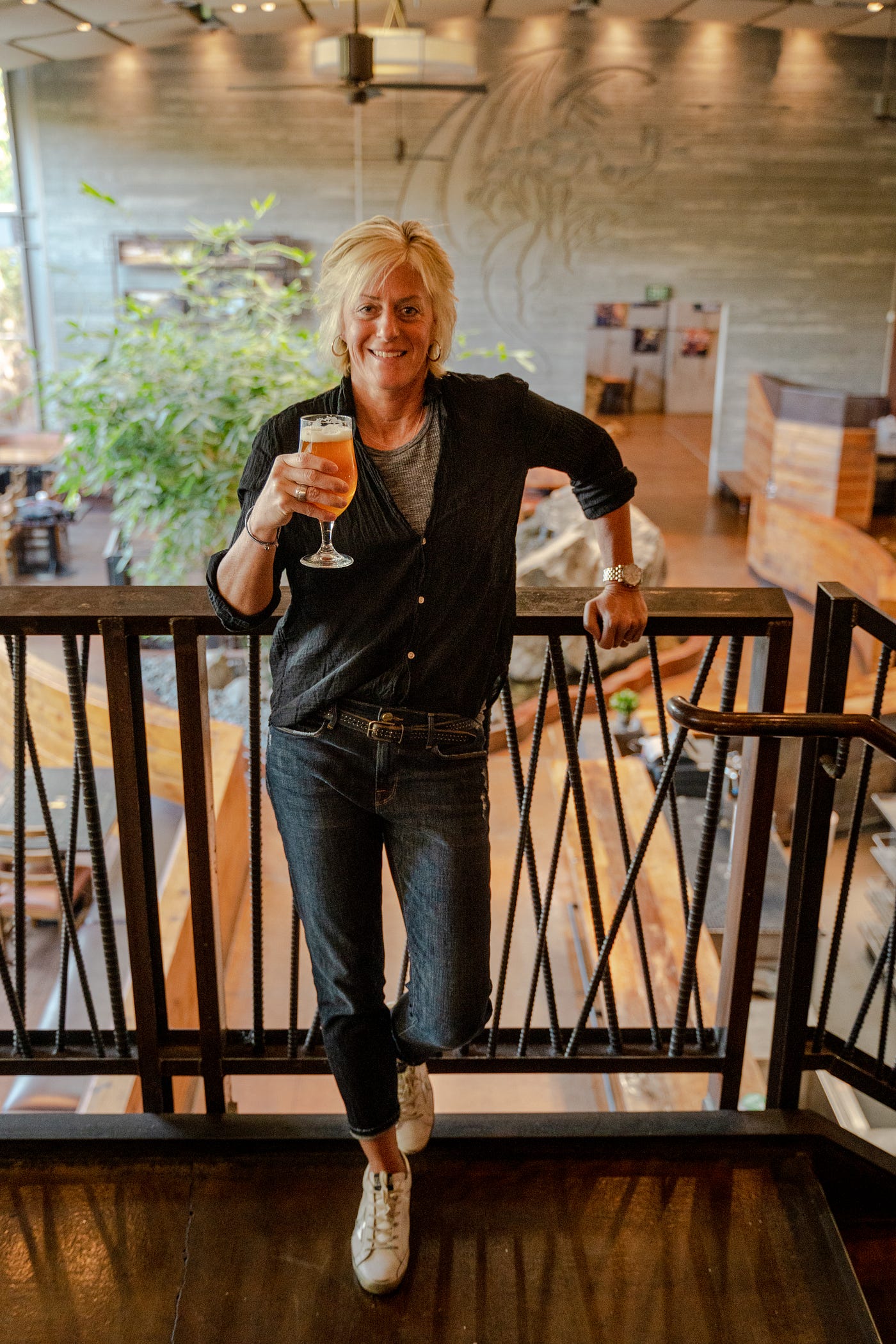
When I joined the dealership, my dad had me work in every department in every job to get tangible experience in all roles. I drove the parts truck and worked the parts counter. I wrote service orders. I answered the phones, especially during times when we were between receptionists.
Business
Katie Bowman Coleman of Bowman Auto Group on Retail Pivots, Dealership Foundations, and Navigating Industry Disruption
The president and owner of Bowman Auto Group discusses her transition from fashion retail to automotive leadership, the value of hands-on experience, and leading through modern industry challenges.
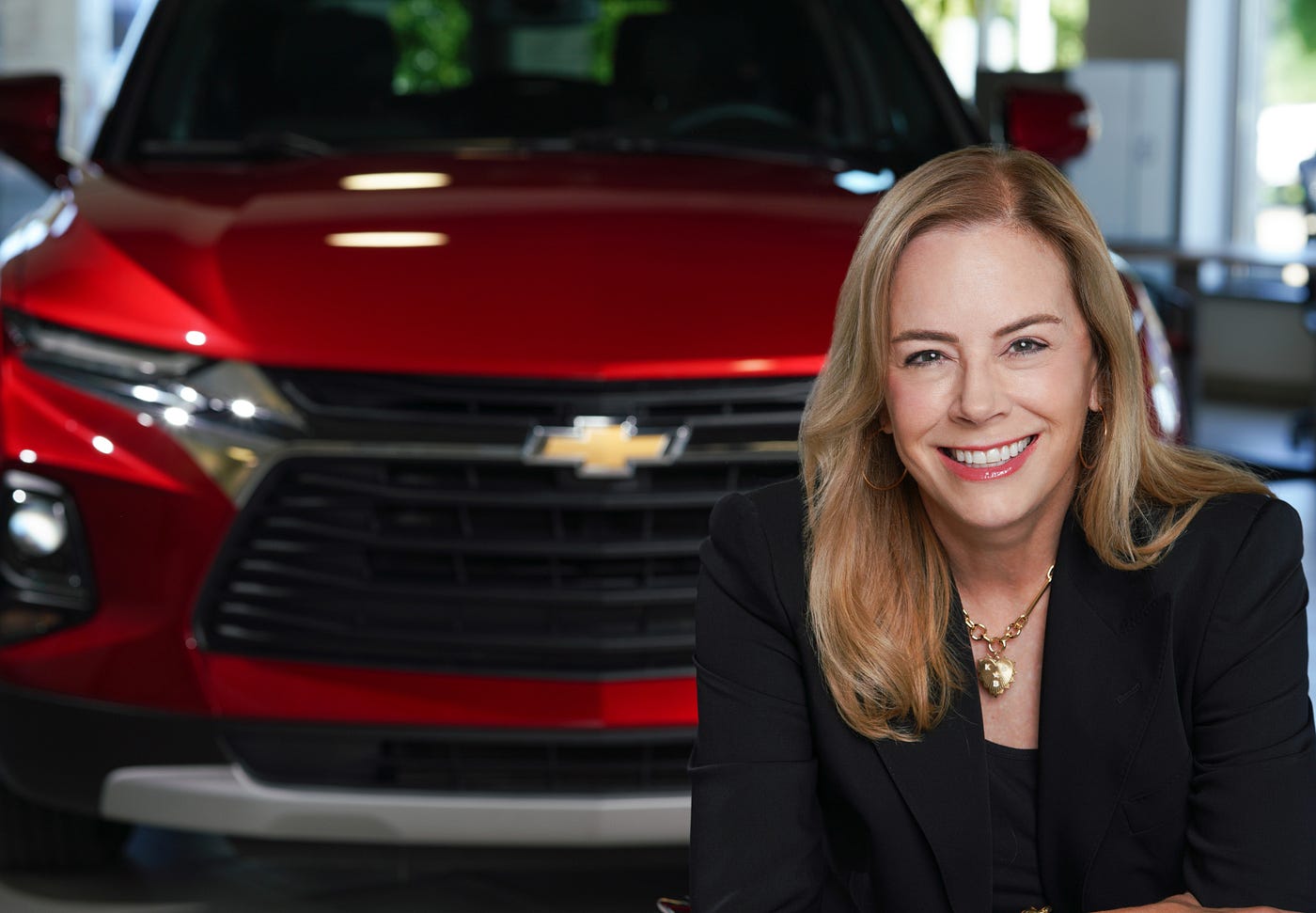
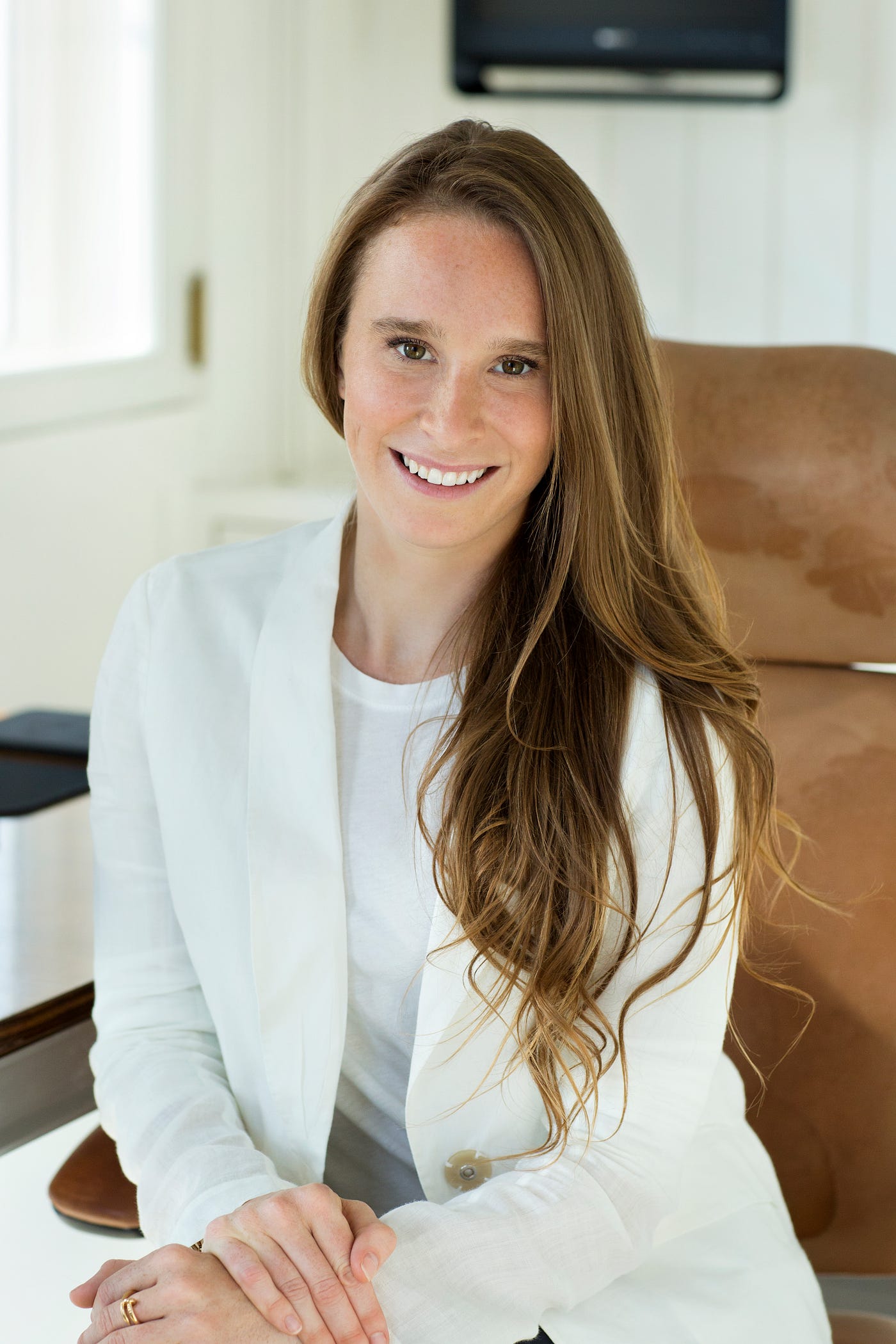
As a part of our interview series called “Women Of The C-Suite”, we had the pleasure of interviewing Katie Bowman Coleman.
Katie Bowman Coleman is president and owner of Bowman Auto Group, which includes Bowman Chevrolet, Bowman Isuzu Commercial Truck, and Bowman Auto Center, all located in Clarkston, Michigan. As president, Coleman oversees a team of nearly 120 employees, selling nearly 5,000 vehicles annually.
Katie began working at the dealership with her father, John Bowman, in 1993, following a career in fashion retail with Ralph Lauren in New York and Australia. Katie was named president of the dealership in 2011.
Under Katie’s leadership, new and used car sales have tripled and the dealership has received numerous awards, including Chevrolet Dealer of the Year for five consecutive years, Dealer Rater’s Consumer Satisfaction Award and Dealer Rater’s Michigan Chevrolet Dealer of the Year. Katie has also received many accolades and recognitions, including the 2017 Northwood University Distinguished Women Award and DBusiness Magazine named her one of the top female business leaders in Michigan in an annual feature entitled “Powered By Women.”
Katie believes in giving back to the community. Bowman Auto Group proudly supports Easterseals MORC, Special Camp for Special Kids (SCAMP), My Habitat Clarkston, the Michigan Chapter of the Crohn’s and Colitis Foundation, Horizon’s Upward Bound and other community organizations.
Katie serves on the board of the following organizations: Chevrolet National Dealer Advisory Council, Ally Bank Dealer Advisory Board, Tekion Dealer Advisory Board, and the Metro Detroit Chevrolet Dealers’ Local Marketing Association. She also serves on the board and is the current secretary/treasurer of the Greater Detroit Chevrolet Dealers’ Association.
Katie earned a bachelor’s degree from Denison University and a master’s degree from Walsh College. She and her husband have three children and reside in Bloomfield Hills, Mich.
Thank you so much for joining us in this interview series! Before we dig in, our readers would like to get to know you a bit more. Can you tell us a bit about your “backstory”? What led you to this particular career path?
If you had asked me when I was graduating from college if I wanted to be a car dealer, I would’ve responded with an emphatic ‘no’! I dreamed of working in the retail fashion industry and landed my dream job at Ralph Lauren, the Polo Corporation, in New York City. There was so much excitement in the industry, and I had always been passionate about fashion. I loved what I did and had encouragement from my parents (my father owned the dealership I now own and operate), but I missed home. I came back to Michigan to be closer to family and continued to work for Ralph Lauren in Michigan, which wasn’t as exciting as other projects I had previously done.
When I began considering making a career change, my father said the car business is retail, too, and asked if I’d like to come work for him. I thought, okay, I’ll give it a try, but not really thinking I would stay on that path. I had always been curious about what my dad did. I went to work for him at Bowman Chevrolet in 1993 and fell in love with it. So much so that I’m still here today!
Can you share the most interesting story that happened to you since you began leading your company?
When I joined the dealership, my dad had me work in every department in every job to get tangible experience in all roles. I drove the parts truck and worked the parts counter. I wrote service orders. I answered the phones, especially during times when we were between receptionists. I worked in the accounting office and on the sales floor, in the finance and insurance department. I sold cars. I did everything! I gained knowledge in every position and I’m so glad I did, because I learned so much from each job and had an appreciation for what happens every day. It takes every single employee to keep the dealership running and I learned that first-hand.
None of us are able to achieve success without some help along the way. Is there a particular person who you are grateful towards who helped get you to where you are? Can you share a story about that?
I am eternally grateful to our general manager and my friend, Rhonda Jensen. Interestingly, Rhonda has worked at the dealership longer than I have, and she is a huge reason why we are among the top Chevrolet dealers in the U.S. year in and year out. Rhonda and I came up through the business together nearly 30 years ago. As my role has taken me out of much of the day-to-day business, there isn’t anyone I would trust more to ensure the dealership is running smoothly and firing on all cylinders. I hope Rhonda knows how much I value and appreciate her.
Leadership often entails making difficult decisions or hard choices between two apparently good paths. Can you share a story with us about a hard decision or choice you had to make as a leader?
For the past three years, I have worked with my team to navigate the ever-changing challenges of the pandemic, which for us included low vehicle inventory due to the global microchip shortage. During the early stages of the pandemic, I recognized the importance of going back to our roots and doubling down on what helped bond us to our community more than 30 years ago to ensure our customers know we were still here for them in such uncertain times.
Despite not having any idea how the pandemic would affect our revenue, we made the choice to invest more than $1 million in renovations and improvements to our service aisle and parts department, which helped improve the experience for customers coming to the dealership for a service visit. Following these changes, our customers now have the option to manage their service visit on-site at the dealership or virtually, whether it be approving work orders, receiving updates as their vehicle is in the shop or make payments, all from their mobile device. Customers looking for a new vehicle can also visit the dealership or purchase their vehicle online, which was crucial as there was so much anxiety about doing business face-to-face at the time.
For us, helping the customer find a convenient way to shop for and service their vehicles became paramount, and helped us move forward these last three years.
Ok, thank you for that. Let’s now jump to the primary focus of our interview. Most of our readers — in fact, most people — think they have a pretty good idea of what a CEO or executive does. But in just a few words can you explain what an executive does that is different from the responsibilities of the other leaders?
While many people feel an executive ‘runs the show,’ I believe it is much more so ‘making sure the show runs.’ My philosophy on this is simple. Whenever starting a project, I use the following philosophy — organize, deputize and supervise. This has worked for me my entire life, in business and with family. You must organize what you have to get done, put someone in charge and supervise to ensure it’s happening. After that, trust your employees to execute the jobs you hired them to do and give them any support they need to do so.
What are the “myths” that you would like to dispel about being a CEO or executive? Can you explain what you mean?
Unfortunately, there are many myths about executives that are often perpetuated by popular culture and media. A few among them are CEOs’ unilateral power in a business, that they are cutthroat and ruthless, that they are only concerned with profits, or many times that they are born leaders.
While it’s true that CEOs are the ultimate decision-makers in a company, it’s equally important that they create an empathetic and collaborative work environment to utilize the skillsets of everyone in the business. Otherwise, you will have constant turnover and a toxic culture. At Bowman Chevrolet, we encourage anyone from entry-level employees to those who work in upper management to always speak up on ways we can improve the experience for our customers and collaborate with the understanding that no one person will have all the right answers.
The bottom line is obviously important, but so is treating your customers right to ensure you will be their first thought when purchasing or leasing a new vehicle or bringing their car in for service. If you constantly nickel-and-dime your customers, they’ll take notice and choose to go somewhere they feel they’re getting better value. At Bowman Chevrolet, we want to be everyone’s dealership for a lifetime, and that starts with providing the best service for the best value that we possibly can.
I also don’t believe in the notion that leaders are born. Anyone can be a leader, no matter what position they are in within a company. While some people may have a natural aptitude for leadership, most successful CEOs have honed their skills through education, experience, and mentorship, and that all started well before they started in an executive role.
In your opinion, what are the biggest challenges faced by women executives that aren’t typically faced by their male counterparts?
Traditional gender roles remain even for women in the C-suite. Women often face greater pressure to balance work and personal responsibilities, particularly if they have children or elderly relatives to care for. I’m lucky to say I have an amazing partner in my husband, who has been there every step of the way and helped me manage my time between being a parent and a professional.
What is the most striking difference between your actual job and how you thought the job would be?
One of the most striking differences between my actual role and what I first thought it would be is the sheer amount of time and effort required to manage the many complexities and interconnected aspects of running the dealership.
Many people may underestimate the level of detail and nuance required to effectively lead a company, as well as the constant pressure to make difficult decisions from economic downturns to shifts in consumer preferences or technological disruption. We learned this firsthand with the recent microchip shortage, and had to be nimble to adapt.
Executives must also be skilled communicators and relationship builders, as they manage a wide range of internal and external stakeholders, including employees, investors, customers, suppliers, and the community. Specifically, I didn’t expect that no two days would ever be the same in this role, but I’m a better leader for it.
Is everyone cut out to be an executive? In your opinion, which specific traits increase the likelihood that a person will be a successful executive and what type of person should avoid aspiring to be an executive? Can you explain what you mean?
In my opinion, a successful executive is someone who understands all parts of the business and how they must work harmoniously together for the business to succeed. No part of the business is more important than another, and employees in every department need to feel valued and that they are contributing to the company’s overall success. I’ve never believed there’s a ‘one size fits all’ approach to being an executive — many different personality types can and do thrive in leadership roles. In my experience, individuals who can openly communicate and relate to each employee find the most success.
What are your “5 Things I Wish Someone Told Me Before I Started” and why? (Please share a story or example for each.)
1 . I wish I had known the speed of change. Things change rapidly in any business, but especially in the automotive realm. From the different ways vehicles are serviced, to understanding and articulating the latest features on all vehicle models, there’s a lot to know and customers look to us to be the experts. Once I learned that you have to be nimble in all situations, I was able to better navigate change.
2 . You can’t do it all, and you have to rely on your team leaders. In the beginning, I often tried to oversee all departments and know what was going on with every employee. I found myself overwhelmed with the number of things happening at once, and found that I was able to be more effective by allowing team leads within each department to manage the staff below them. Trust is key in any business, and your employees will appreciate you if you give them the autonomy to grow and succeed.
3 . Allow your team to do what they do best and let outcomes play out. No one will ever grow without making mistakes, and if they are afraid to make a mistake, it’s even worse. As I mentioned previously, trusting your employees will give them the confidence and freedom they need to become the best professional version of themselves.
4 . Don’t feel like you have to raise your hand for every opportunity. In the early stages of my career, I would often say yes to every opportunity that came my way. Whether it was a speaking opportunity, attending a conference, professional development seminar, sitting on a board, or taking on a major project, I thought yes was ALWAYS the right answer. But I realized that saying yes to everything doesn’t allow you to fully immerse yourself in the things that are important to you, or the things that will substantially impact your business. I am now more selective with my time, which allows me to prioritize the opportunities that matter most, and ensure that I can do them well without the distraction of an over-loaded to-do list.
5 . There will always be challenges, but to succeed, you have to be prepared to face adversity head on. I could have never imagined the 2008 financial crisis, or the pandemic, and both certainly led us to make tough decisions and learn to be adaptable at the dealership. But if there’s one thing I could tell my younger self, is that whatever the challenge is, you will always make it through by trusting your instincts and the team around you. I can’t begin to imagine what the next major hurdle for us will be, but reflecting on the two situations mentioned before gives me comfort knowing we have been nimble and agile when needed to weather major storms.
We are very blessed that some very prominent names in Business, VC funding, Sports, and Entertainment read this column. Is there a person in the world, or in the US with whom you would love to have a private breakfast or lunch with, and why? He or she might just see this if we tag them
I would love to have lunch with Michelle Obama. She embodies strength, grace, and intelligence, and I’ve only come to admire her more after reading her book. She has been an outstanding champion for women, an advocate for health and wellness, particularly for children, and has put the needs of families at the forefront. I often think of her quote, “When they go low, we go high,” and try to apply it to my life. I would relish the opportunity to learn from her experiences and insights.
Thank you for these fantastic insights. We greatly appreciate the time you spent on this.
About the Interviewer: Douglas E. Noll, JD, MA was born nearly blind, crippled with club feet, partially deaf, and left-handed. He overcame all of these obstacles to become a successful civil trial lawyer. In 2000, he abandoned his law practice to become a peacemaker. His calling is to serve humanity, and he executes his calling at many levels. He is an award-winning author, teacher, and trainer. He is a highly experienced mediator. Doug’s work carries him from international work to helping people resolve deep interpersonal and ideological conflicts. Doug teaches his innovative de-escalation skill that calms any angry person in 90 seconds or less. With Laurel Kaufer, Doug founded Prison of Peace in 2009. The Prison of Peace project trains life and long terms incarcerated people to be powerful peacemakers and mediators. He has been deeply moved by inmates who have learned and applied deep, empathic listening skills, leadership skills, and problem-solving skills to reduce violence in their prison communities. Their dedication to learning, improving, and serving their communities motivates him to expand the principles of Prison of Peace so that every human wanting to learn the skills of peace may do so. Doug’s awards include California Lawyer Magazine Lawyer of the Year, Best Lawyers in America Lawyer of the Year, Purpose Prize Fellow, International Academy of Mediators Syd Leezak Award of Excellence, National Academy of Distinguished Neutrals Neutral of the Year. His four books have won a number of awards and commendations. Doug’s podcast, Listen With Leaders, is now accepting guests. Click on this link to learn more and apply.

Published inAuthority MagazineTop Lessons, Top Authorities · 42K Followers
Exclusive, curated interviews with the leaders and changemakers shaping tomorrow. Leadership lessons, industry deep dives, and executive profiles.