I think I needed to experience how wrong this recipe was to be willing to do the work to change how I live.
As a part of my series about the women in wellness, I had the pleasure of interviewing Diane W. Shannon, MD, MPH.
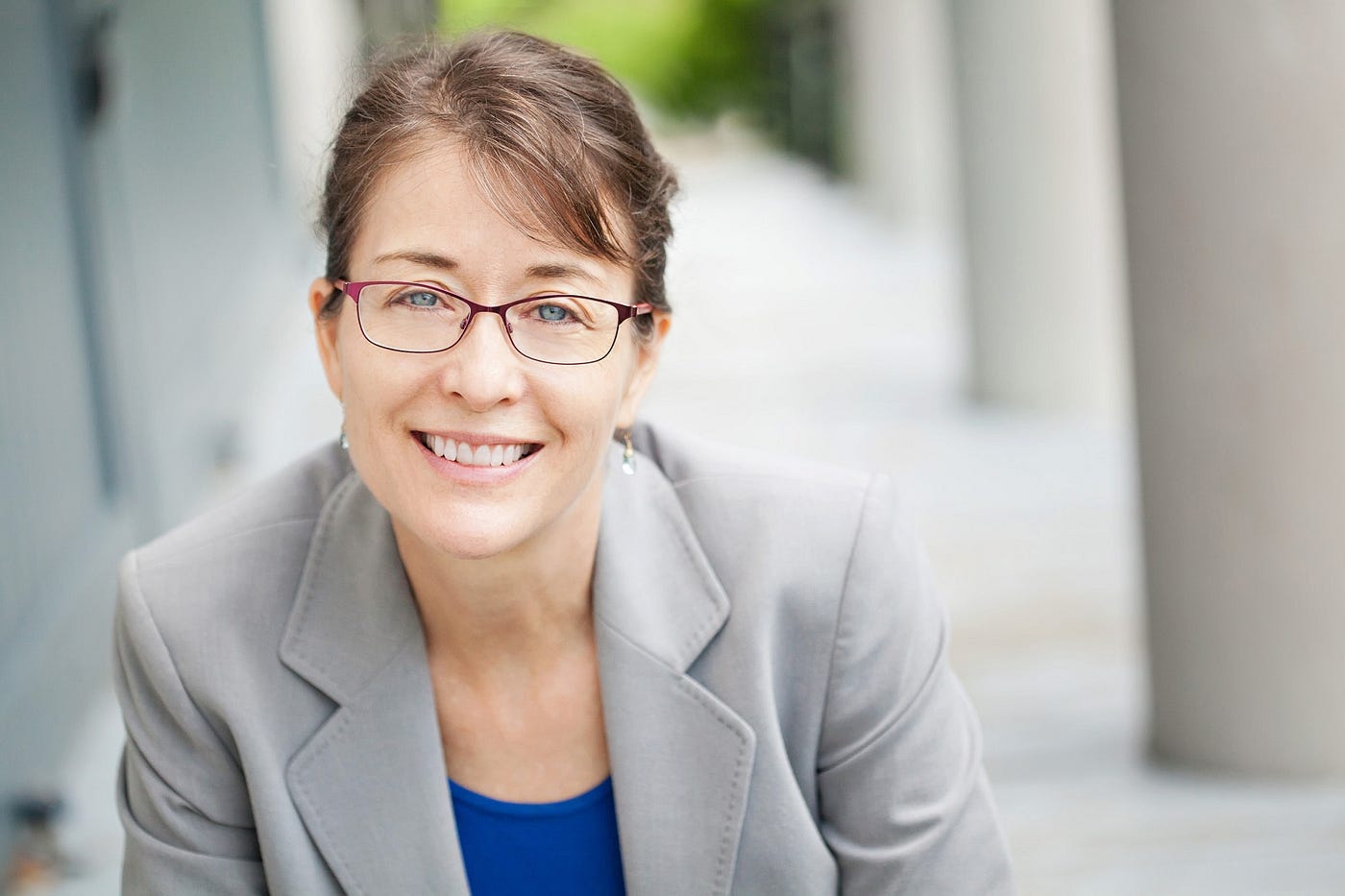
Dr. Diane Shannon is a writer, physician coach, and change agent. She left medicine after experiencing burnout and became a freelance writer to focus attention on the issues that are fueling the current epidemic of professional burnout. Now as a certified coach, she helps physicians achieve more balance in their lives and greater impact in their careers. Learn more at www.dianeshannon.com.
Thank you so much for joining us in this interview series! Our readers would love to “get to know you” better. Can you share your “backstory” with us?
My mother was a nurse midwife who founded two independent birth centers. I saw how amazingly powerful the relationship between a patient and a health care professional can be. I trained in internal medicine and became a primary care physician. I loved working with patients. But I burned out after just three years, worn down from caring for patients in a system that did not seem to have enough precautions in place to keep people safe.
I didn’t want to leave patient care and yet knew I needed to do something to take care of myself. It was a really difficult time. I didn’t see any other options at the time except leaving my profession. I was lucky and “fell” into medical writing, first working for a communications company, then as a freelance writer. More recently, after 20 years as a writer, I made another career shift so I could help physicians more directly. Along the way I’ve learned a lot about the importance of self-care, boundary setting, and being human.
Can you share the most interesting story that happened to you since you started your career? What were the main lessons or takeaways from that story?
After leaving practice, I spent years writing about the U.S. health care system. Then one day, the life coach who had helped me reconfigure my life after a divorce, said, “Diane, why have you never shared your story about burnout and leaving medicine? It might help someone.” I was completely resistant to the idea, because I felt ashamed that I had left, telling myself “I couldn’t hack it.” All those years I kept myself small professionally, writing about the health care system but not out in the world trying to fix it.
After many weeks, I came around and pitched my story to a National Public Radio affiliate. The editor accepted it and gave me a two-week deadline. The deadline approached, but I had complete writer’s block. I couldn’t get over my fear of being seen and possibly judged.
I was about to contact the editor to bow out when I attended a conference on physician wellbeing. There I learned that doctors have a suicide rate that is much higher than that of the general population. I thought to myself, “If my peers are suffering and so many are dying, who am I to hold back because of shame? What if my story could help someone feel less alone?”
I submitted the article that day. This was back in 2012, when little had been written about physician burnout. Within a week there were thousands of views. Physicians began to contact me to share their stories. Those events changed the course of my career, eventually leading me to dedicate myself to helping physicians avoid burnout and find ways to thrive.
Can you share a story about the biggest mistake you made when you were first starting? Can you tell us what lesson you learned from that?
My biggest mistake was not starting. By that I mean holding back, hiding myself, living small. I didn’t trust my talents and my gifts.
I’ve been really inspired by Brené Brown’s work on vulnerability. What I have taken from it is the acknowledgement that we risk being judged when we put ourselves out in the world—but that’s not a reason to stop. Courage is stepping into the ring or onto the stage. I’ve learned that it is better to be out in the world, sharing myself and giving to others, even if that means being vulnerable.
After a book I co-authored with Dr. Paul DeChant on preventing physician burnout was published in 2016, I was invited to speak to professional groups across the country. Initially, public speaking gave me intense anxiety for months beforehand, and I was visibly nervous on stage. I sought out coaches and practiced my communication skills so I could become a stronger, more confident speaker. I try to never let fear of being seen hold me back any more.
Let’s jump to our main focus. When it comes to health and wellness, how is the work you are doing helping to make a bigger impact in the world?
Even before the pandemic, our country was experiencing an epidemic in burnout among health care professionals. These are dedicated people, who devote their young adulthood to learning their profession because they want to help others. They show up every day trying to do their best to alleviate suffering and bring healing. However, our health care system is problematic and difficult for both patients and health care professionals to navigate.
When health care professionals can’t provide the quality of care they want to provide, struggle to function, quit their careers, or die by suicide, it leaves a gap that affects all of us, because we need everyone functioning at their full capacity, not to mention the fact that every one of us will be a patient at some point in our life.
By calling attention to the systemic causes of burnout through my writing and by helping individuals through coaching (my specialty is mid-career women physicians), I support the wellbeing of health care professionals so they can better care for patients. In addition, I hope that sharing the lessons I’ve learned will inspire others take steps to prioritize their own wellness.
Can you share your top five “lifestyle tweaks” that you believe will help support people’s journey towards better wellbeing? Please give an example or story for each.
1. Start with self-compassion; be humane to yourself. I learned the hard way that treating myself like a machine doesn’t really work or make me happy. Be kind. Give yourself a break.
2. Use a mini-mindfulness practice. I’m not talking 60 or even 20 minutes. Instead 3 minutes in the morning and 20 second pauses during the day where you focus intensely on a physical sensation, like breathing or sounds or a tactile sensation.
3. Recognize the inner critic and get space from the negative thoughts. We all have inner critics that are extensions of our greatest strengths. My perfectionist tendencies made me a conscientious doctor but when taken too far, they exhaust and frustrate me. When I can see the negative thoughts as a tool—not the truth—I can see more options and respond from a wiser, more grounded place.
4. Break up your goals, including those for healthy behaviors and self-care, into small pieces. What is one very specific action step you could take this week? Try it with the mind of a researcher. If it doesn’t happen or isn’t successful, regroup and try again.
5. Get an accountability buddy. It’s one thing to tell yourself you’ll write a page of your novel every day. It’s another to have a writing collaborator who’s a witness to your progress and a cheerleader for your successes.
If you could start a movement that would bring the most amount of wellness to the most amount of people, what would that be?
I’d call it the North Star Initiative. I’d set up a working group led by a coach or facilitator in which people would answer the question, “What are you here on this planet to do?” The exercise would give them the chance to identify a higher passion and then specific goals, around mental or physical health, relationships, work aspirations, or ways to be of service. The energy that comes from inspiration (pull energy) is so much more motivating and energizing that the energy that comes from “should” (push energy). The groups would also offer ongoing connection, support, and accountability. Pushing ourselves is so much harder than being pulled by a goal that deeply matters to us.
My overall North Star goals are to create something beautiful, inspire compassion, and experience authentic connection. I have them posted on my office wall and think of them often.
What are your “5 Things I Wish Someone Told Me Before I Started” and why?
1. Ignoring your human needs (like enough sleep) is not a good roadmap for life.
2. Self-care is not selfish or a luxury. It’s refueling for the important work you do every day, no matter what your role is.
3. Showing vulnerability by asking for help is true strength.
4. In any situation, you have more options than you initially think.
5. If you give so much to others, but never give to yourself, in the end, it won’t help anyone.
Why? I now know that professional burnout is a response to excessive stress in one’s workplace. But I have to acknowledge that my approach to life was not a recipe for long-term success. I was super-focused on achievements and doing “productive” activities. I kept going and going without any thought of recharging emotionally, mentally, spiritually, or physically. I thought busy and productive was the only acceptable way for me to live. I wish someone had told me that focusing so much on achieving would not create a healthy, well-rounded life. But would I have listened? I think I needed to experience how wrong this recipe was to be willing to do the work to change how I live.
Sustainability, veganism, mental health and environmental changes are big topics at the moment. Which one of these causes is dearest to you, and why?
Sustainability. But I’m cheating a bit because I think sustainability is the umbrella concept that unites all of these topics. Also, I think sustainability applies not only to the environment but also to individual and societal sustainability. And the foundation of this broader type of sustainability is equity. We are all so interconnected that in reality, either we all thrive or none of us does.
What do you need to live to your full potential?
Those things may be really different from the things I need. To create the healthiest individuals and the healthiest societies, we need to find ways to give each person access to the specific support and resources they need to thrive. This is true equity. Individual and societal sustainability is important to me because, as a coach, I’ve seen the amazing transformation that happens when people are able to grow into their best selves and bring their unique gifts to the world.
What is the best way our readers can follow you online?
www.linkedin.com/in/dianewshannon
Instagram: @diane.w.shannon
Thank you for these fantastic insights!