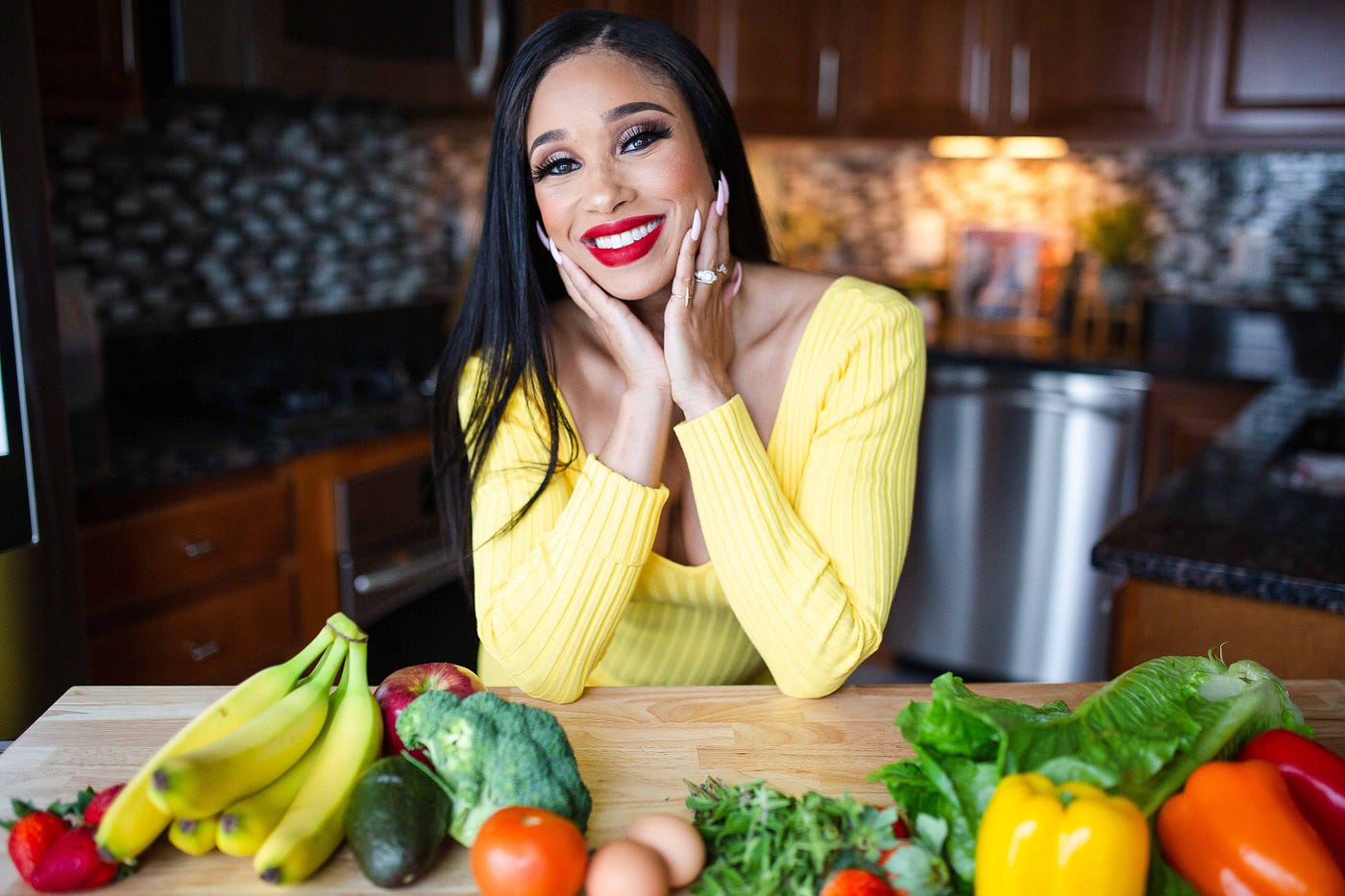
Being a surgeon to me was the coolest job in the world. Saving lives and having the skills to do it was very intriguing to me. Could I be both? Be the brave lifesaving badass like my aunt but still be a mom, wear high heels while treating patients and still get the respect from men and my colleagues?
Wellness
Stefani Kappel on Surgical Roots, Navigating Gender Double Standards, and Embracing Feminine Strength in Medicine
The board-certified dermatologist and Mohs surgeon reflects on her early inspirations, the realities of being a powerful woman in medicine, and balancing motherhood with professional ambition.
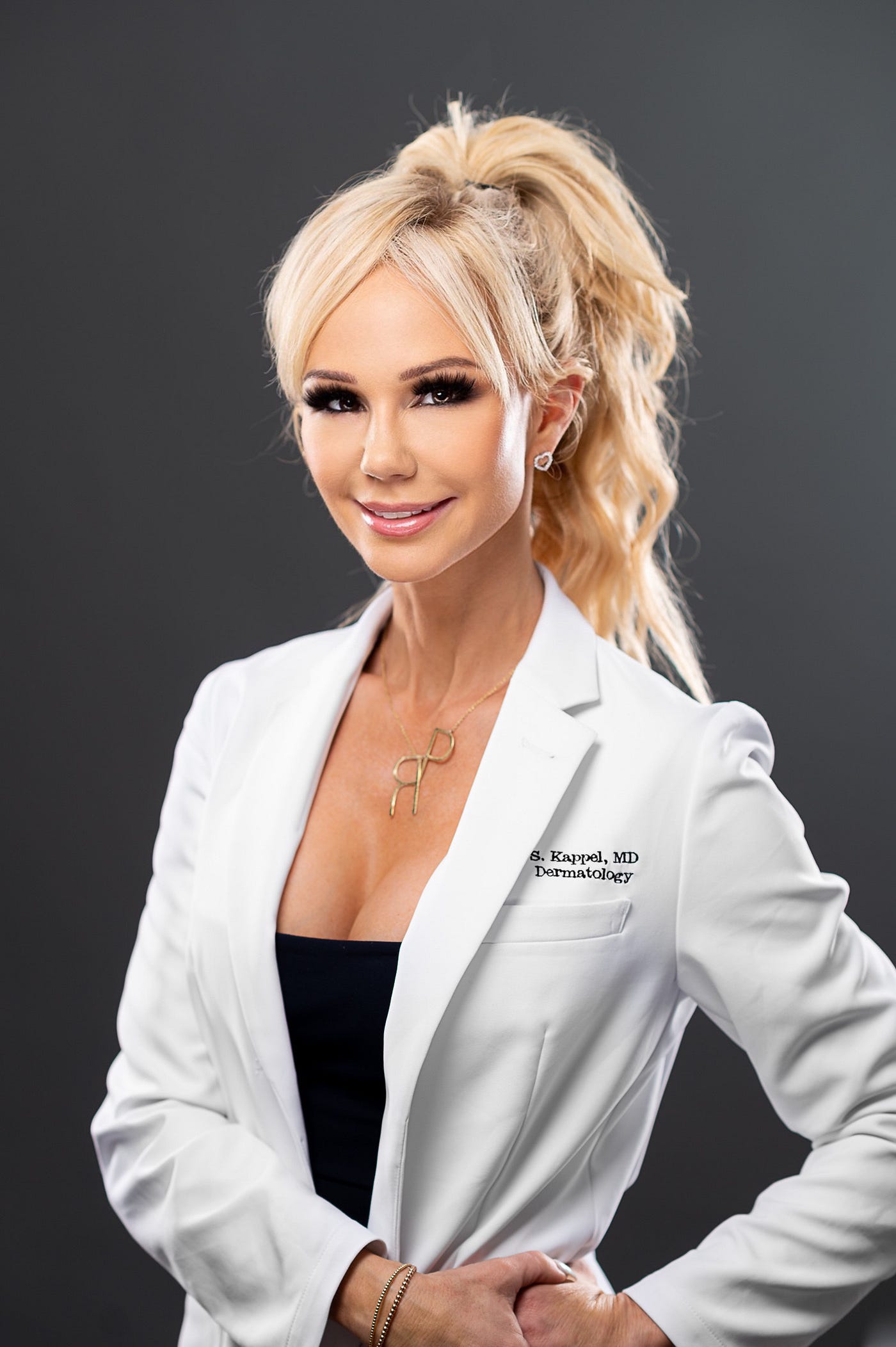
How does a successful, strong, and powerful woman navigate work, employee relationships, love, and life in a world that still feels uncomfortable with strong women? In this interview series, called “Power Women” we are talking to accomplished women leaders who share their stories and experiences navigating work, love and life as a powerful woman.
As a part of this series I had the distinct pleasure of interviewing Stefani Kappel.
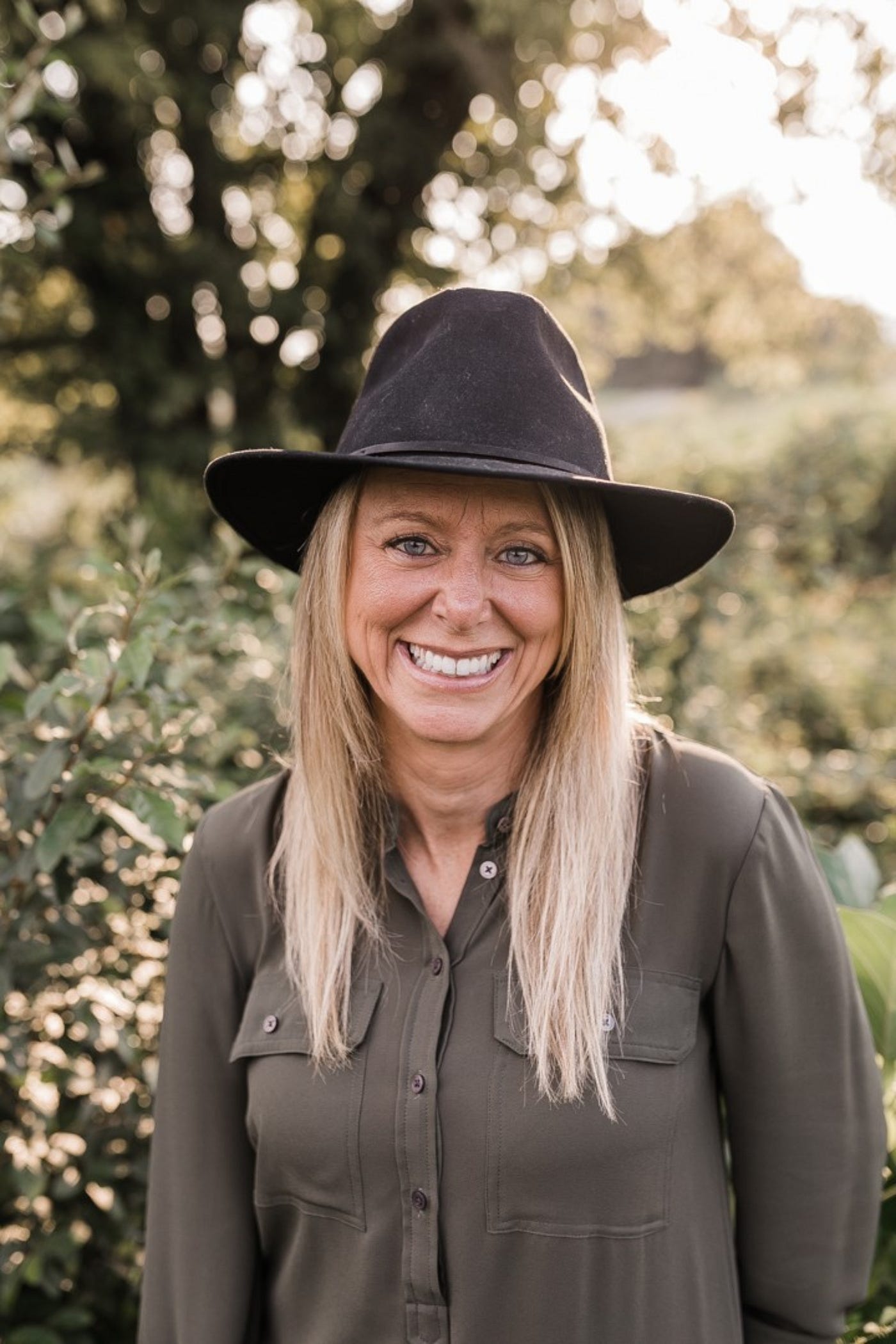
Stefani Kappel, M.D. is a board-certified dermatologist, double fellowship trained Mohs surgeon, and laser specialist. In addition to running a successful medical practice, launching her own skin line, and teaching dermatology residents as a clinical professor at UCLA, she is also the mother of two beautiful children. Her most important job.
Thank you so much for doing this with us! Before we dig in, our readers would like to get to know you a bit more. Can you tell us a bit about your childhood “backstory”?
I’m fortunate to say that I had a wonderful childhood and positive upbringing. My parents are still married and have been married for over 50 years. They still live in the same house that I was born in. My brother who is a successful corporate attorney and I were always encouraged, but not pushed too hard, to attain academic achievement but to also explore our creative sides. I truly felt I had the freedom to find myself. After school activities kept us busy and well rounded, music lessons allowed us to explore almost every instrument, and parents made it a priority to take family vacations and spend true quality time together. Our formative years rested upon a very solid foundation. I found myself drawn towards the physicians in my family. In particular my aunt, an ENT and trauma surgeon who I admired since I was a child. When I was 6 years old I used to make friendship bracelets with colored string. One day my aunt came in with her surgical consult bag and exchanged the string for suture and taught me how to stitch. She taught me all types of suturing techniques like instrument ties, interrupted ties, single hand ties, half buried horizontal mattress ties, and it all tied together. Little did I know that was my very first course in medical school and the moment I knew this would be my future. She told me “your hands are amazing, Stef, you’re going to be a surgeon.” I’ll never forget it. It was one of the single most motivating things I’ve ever heard. From that moment on I would visit her at work and wising I could follow her through the PACU doors and into the OR when she scrubbed in for surgery. She was beautiful and one of the only females in a male dominant world. She owned her spot with dignity and grace. In her green surgical scrubs, her sparkling blue eyes with effortlessly flowing blond hair, she stood out strong and steadfast, and her male colleagues respected her. She gave them no choice. She was the only female surgeon at LA County USC in her class. She’d be the one to scrub in and rescue the other surgeons who couldn’t control the bleeding, dissect the tumor, or got into a surgical situation they couldn’t traverse on their own. From my 8 year old eyes I stood in awe. I knew I wanted to be like her. My aunt didn’t get have the chance to have children of her own, never wore make up and was a bit of a tomboy and my mom was the quite the opposite. She really embraced her feminine side and I embraced mine alongside her. I can truly say I’m a blend of them both. A feminine badass willing to show my softness and strength not afraid to go after who and what I wanted to be. Being a surgeon to me was the coolest job in the world. Saving lives and having the skills to do it was very intriguing to me. Could I be both? Be the brave lifesaving badass like my aunt but still be a mom, wear high heels while treating patients and still get the respect from men and my colleagues? I may have to play the game to get my foot in the door. To get into medical school, to get accepted into a dermatology residency, to climb my way into finally opening my own practice. But once I did, opened my own practice and made it to the top, it was my 5 inch Louboutin’s that helped me get there. Even if on most days I wore oversized medical scrubs and clogs, my heels were the steps that guided me to where I’m at today. With my name on the front door I no longer have to hide any part of myself; 5 inch Louboutin’s included. My credentials and the road to get there will always l be behind me backing me up. Now , as the mother with a daughter of my own, maybe it will be a small step towards progress in accepting women for who they are and not judging them by the way they look. Let’s face it, men don’t have to worry about that. Women do. If a man is on a business trip spending a week away from his family he’s a “breadwinner”. No second thought is given to a man who works long hours to provide for his family. However, if a woman goes away for a work trip or conference she’s a “bad mother”, even if she’s completely crushing it in her career. Or providing for her family. Even if she’s the breadwinner and has a stay-at-home husband watching the kids. It is such a double standard and it still exists in 2021.
Something else I reflect on now is the creative side I was allowed to foster as a child. I was a dancer, an actress, and became a member of SAG when I was 7 years old. Little did I know how this would influence my ability to later teach and educate as a physician. Also, memorizing my lines as a kid gave me a near photographic memory which was very useful in my anatomy classes in medical school later on. It also gave me the ability to speak very comfortably in front of a camera which is why I like teaching on YouTube and IG. It’s also why I love lecturing to medical students and colleagues at academic meetings. So that creative experience in the media arts department helped me in my medical career. Thanks mom ;)
Can you tell us the story about what led you to this particular career path?
I was always drawn to medicine. My dad was a dentist and my Aunt DD (my moms sister) was the bad ass trauma surgeon. Aunt dd never had kids because she and her husband were both doctors and their careers came first. She chose not to have kids. My brother and I were the closest thing to a son and daughter and she was like a second mom to me. My mom was a stay-at-home mom and quite an amazing one at that. She took care of us while my dad worked. He was a dentist with a successful dental practice that kept him working long hours but he provided for us. He spoiled us. I hate to say it but I was privileged. I was given opportunities. But that never stopped my drive to succeed. My drive to be better. My drive to make my parents proud. Not because they ever expected it from me but because I had an internal drive to be the best version of myself always. Whether it meant getting straight A’s, casting the lead role in a ballet performance, being captain of the cheerleading team, getting a bid from every sorority, being top of my medical school class, or matching in a top 3 dermatology residency program. I did what it took to be the best I could be. With the underlying emphasis on beauty from my mom who herself always looked put together, I can see how I became the hybrid of the two most important women in my life. It’s not a coincidence I built my career as a cosmetic dermatologist. A medical doctor in the beauty industry. Even at 4 am on my ob/gyn rotation in med school you wouldn’t find me on the wards without my makeup done and wearing high heels under the surgical booties. When I would scrub in for surgery I took a little piece of my mom and a little piece of my aunt with me. They were always by my side as I sutured with the precision of that little girl with big dreams and “the good hands” my aunt would always remind me I had.
Can you share the most interesting story that happened to you since you began your career?
I became pregnant during my last year of residency at UCLA. It was a struggle to balance morning sickness with working 80-hour weeks and non-stop exams but I was able to make it through somehow until the near end. Because of the constant stress and lugging a heavy consult bag around the hospital during my third trimester, I went into preterm labor at only 29 weeks. I had to be placed on medication and strict bed rest to keep the baby safe. I was devastated and scared. One would hope that a residency program would be supportive of this type of situation. That was not the case. Unfortunately there were only 3 residents in my class and yes, I was lucky to have landed that spot (3 spots with over 38k applicants,) but that meant that one resident being out meant almost double the work, double the call and double the resentment from my co-residents. Luckily I was able to carry the baby near to term but because I missed all those weeks of residency, the only way that I could sit for my boards and graduate on time was to go back to work right after I delivered my son. I did what I had to do. All my maternity leave was used for bed rest before the baby was born. My husband, also in a residency program for ophthalmology, was a stressed out mess. We both were. After our son was born, I went back to work that week. I was still bleeding and still had stitches from the delivery. I had to leave my newborn son with my mom while I went to work. I remember hearing the attendings complain outside the room where I pumped because I wasn’t on the floor seeing patients. I used to cry myself to sleep holding my newborn baby at night while nursing him. When he was old enough, I took him everywhere with me. All over the UCLA campus in a carrier. He went to grand rounds, he was with me in didactic lectures and to this day, my son and I have a bond that strength could never be untethered. It was a difficult time for my husband and I but we made it through. The gravity of being a mom, women, and main caregiver to my beautiful child made moments very heavy at times. Someone once said that Ginger Rogers had to do everything Fred Estarre did but backwards and in high heels. That’s how I felt in my marriage as two young doctors with a growing family.
You are a successful business leader. Which three-character traits do you think were most instrumental to your success? Can you please share a story or example for each?
Passion. Having a passion for what you do is almost essential. It makes working towards a goal exciting and rewarding. I don’t think I would ever be this successful in my career if I didn’t have the authentic genuine passion I do. Studying to be a dermatologist, which is the most competitive specialty in medical school, means 4–6 years of studying the skin after 4 years of medical school. Without a genuine interest in that area of medicine, it would most likely be torture and near impossible.
Innovative. What separates a successful business woman from others is the ability to think outside the box. Don’t be afraid to do something different. Don’t look to someone else to solve your problem or to give you an out when in a bind. Depend on yourself and rely on no one to enable you or get you out of a situation or move forward when there is an obstacle or task that is limiting you from reaching you goal. A successful business leader doesn’t look to the person next to her for help. She thinks of it on her own, problem solves, and tries new and innovative ways to rectify a problem or any challenge that comes her way. My generation was the first wave of doctors to have social media as a resource. I was advised to not post educational content on my Instagram. I saw it as a powerful tool and wanted to share all that I knew to non-dermatologists who were simply interested in skin care. I’m glad that I did as social media has not only helped me grow my business, but I feel it has made a positive impact on those who use it as a resource for information. I am building a community.
Strength. It takes strength to be a successful business leader and to excel in any career in my opinion. It not only takes dedication, determination and drive but it’s the strength, the grit and the venom to never give up, alongside that determination that is the real catalyst that separates the true leaders. Yes, I’m tired, Yes, I’m hungry, yes I need a break but I have the strength. The strength to keep going when everything in my body tells me to stop. I didn’t and I don’t. I wake up every day and do it again. I remember a chapter in medical school during our third year rotations, where we would only have about 6 hours to go home, eat, sleep before we had to be back at the hospital at 5am to round on our patients and work another 48 hour shift. Some medical students did just that which in itself is near impossible. They lived close to the hospital where they would grab food, sleep, shower change and get a solid 5 hours of sleep. Then there were those “gunners” which we were called. Usually the top 5% of the class who would sleep only an hour and study during the remaining free time. Or those who would never leave the hospital, shower in the residents quarters and study so they could ace their exams and shine on the wards the next day. I’m not at all saying this is the right thing to do. Or that it’s healthy. But the strongest survived. The strongest didn’t sleep. Everyone had drive but the degree of determination and strength to push through such a grueling time is where others fell behind. I feel that a true successful business leader can pull the weight when others can’t. They don’t make excuses, they’re always accountable. They show up.
Ok, thank you for that. Let’s now jump to the primary focus of our interview. The premise of this series assumes that our society still feels uncomfortable with strong women. Why do you think this is so?
I think it has a lot to do with societal constraints and expectations for women. Just because women can technically “do it all” it’s almost like we are expected too. Have babies, run companies, take care of others. If we are not doing all 3 of these things it’s as if we have almost failed. Men are expected to do one thing and one thing only. Provide. They can be sub-par fathers but if they providing for their family they somehow have a metaphorical pass just to “phone everything else in.” Women have to wear as many hats they can fit on their head. We can run companies and we can have babies. Men cannot do the latter, so it’s almost as though society puts these “expectations” based on gender. Meaning, men can’t have babies so their place is in the workforce. Women can have babies so either they’re a “good mom” and they stay home with the kids or they don’t have kids, so that they can work. I also think that as much as we try to ignore it, there are stereotypes regarding what a “strong woman’’ looks like. What a doctor should look like. What a business woman should look like. Almost to the point where sometimes we have to hide our femininity to be taken seriously. We are judged by the height of our heels and length of our dresses instead of seen through the lens of our skill, board scores, and academic accolades.
Without saying any names, can you share a story from your own experience that illustrates this idea?
I remember going to my Harvard interview for residency. To get an interview at Harvard not only did you have to be at the top of your class but you also have to have the top board scores out of ninety percent of medical students in the country who are already among the brightest student population to begin with. I had made the cut and now it was just the third part of the assessment where the program directors and chairman get to meet the applicants. Basically assess if they are Harvard material. It’s impossible to think that one would not be judged by physical appearance, how they dress, the way they conduct themselves during stressful interview questions. Sometimes to test your surgical dexterity and skills they will even have you scrub into a patient case and take over an excision or suturing. There are so many levels to perform and exceed in. I knew I had them all and I would be damned if I didn’t make the cut because of my hoop earrings, pink lip gloss, or long blonde ponytail. I washed my face, put on flat shoes, and wore a pant suit that was loose and didn’t show my figure at all. I nailed the interview. In fact, I got a call the day I flew back from Boston from the chairman telling me I was ranked to match at Harvard. Fortunately, I was also accepted to UCLA which was also a top 3 dermatology program in LA, my hometown and I didn’t have to leave the beach. So I ended up going to UCLA. But that experience at my Harvard interview still resonates with me. Every time I post a bikini picture on my professional IG page or post myself in a sexy bodycon dress and try to show young women that THIS is what a successful business owner, entrepreneur, a mom of two kids, a physician and surgeon looks like. You don’t have to fit the mold of a stereotype. Its 2021 and Its time to not make women feel they have to hide their feminine sides to be taken seriously. We have a long way to go but it’s my mission to empower women and give them permission not hide their femininity while crushing it in the business world. I had to wipe the makeup off my face, put my hair in a low ponytail and wear flat shoes to my interview. I know that no one would have taken me seriously if I walked in with a high ponytail, full lashes and 4 inch heels. Although it shouldn’t have mattered. I knew it did. My test scores were the highest and letters of recommendation were solid. I had been published in nearly 10 peer reviewed journals by the time I was 21 years old. But no one would look at that. No one would see that part of my resume if they saw a woman wanting to feel like being a women. I knew I wouldn’t be considered even with my credentials if I looked the way I felt the most like “me.” I had to play the game. A game no one should have to play.
Still to this day when I go to school to pick up my kids in my scrubs I get comments like “ ohhhh are you an esthetician? Are you a nurse?” I respond by saying “I’m a doctor” then I get “ oh you’re a pediatrician, right?” Would they say that If I was a man? If I had glasses and a beard? Nope.
What should a powerful woman do in a context where she feels that people are uneasy around her?
Counter and correct preconceived stereotypes before they develop. To the businesswoman who looks like she should be a housewife (whatever that means) state your name, don’t be afraid to state your credentials, and don’t downplay your position to make someone else feel more comfortable. As a young doctor after recently graduating from medical school I’d receive judgmental looks from patients when I introduced myself as their surgeon who would be removing their skin cancer. I’d say “I’m Dr. Kappel and I’m your surgeon today” I wasn’t intimidated by those older than me, I was grounded by merit and I didn’t belittle myself to make others feel more comfortable. At the same time I’d be respectful, empathetic, and sincere. And that was not an act. That is who I am.
What do we need to do as a society to change the unease around powerful women?
Understand that although they make it look easy, chances are that a successful woman is just like everyone else. She’s trying to find balance. She is faced with daily challenges. If she’s successful in business, she may be having mom guilt by not being at home. Or if she doesn’t have kids, it’s upsetting that she must answer to people “why not?” Why doesn’t she have kids? If it’s by choice you better bet that there are those out there asking “whats wrong with her?” as if the choice not to have children makes it look as though something is wrong with you.
In my own experience, I have observed that often women have to endure ridiculous or uncomfortable situations to achieve success that men don’t have to endure. Do you have a story like this from your own experience? Can you share it with us?
Mainly on my IG posts, if i post a bikini pic or a sexy picture in a dress, I get very negative comments saying that I should “act like a doctor “ or “what kind of doctor looks like that?” I feel like saying “the one who got the top scores in her class. This is what she looks like and this is her owning herself by being herself.”
In your opinion, what are the biggest challenges faced by women leaders that aren’t typically faced by their male counterparts?
We are often judged by our appearance. I recently did a photoshoot for fun with angel wings in lingerie. I posted it on my IG page and lost followers and had hundreds of negative comments about the picture. Some of the negative comments were from men but most were from women. Mostly women of an older generation commenting on the “bad example” I am for setting for young women. Many commented that they wouldn’t see me as their doctor because of a post like that. What is a doctor supposed to look like? Like a middle-aged man with thinning hair and a beard? Is that what a doctor looks like in 2021? What does a straight A student look like? Is she in heels and a dress? We need to break these stereotypes and support women based on their merit. Not the height of their heels, the size of their breasts, or the length of their hair.
Let’s now shift our discussion to a slightly different direction. This is a question that nearly everyone with a job has to contend with. Was it difficult to fit your personal and family life into your business and career? For the benefit of our readers, can you articulate precisely what the struggle was?
It is often a delicate balance between being a business owner, professional, being a mom, and being a wife/girlfriend. They are all important relationships and relationships are dynamic and take constant work. So when you’re juggling three or more its a challenge. I was married to the love of my life. I met him when I was 18 when we were pre-med in college. He was 3 years older. We got married the year after I graduated college. We went through everything together; college, med school, internship, residency, having babies, fellowship, then another fellowship. After 15 years of marriage, It broke us. We never had a date night. We had 2 kids under the age of 5. We were struggling. We never gave our relationship time because all our time went to our careers, our patients, and our kids. We finally split after being together for 20 years. So yes, the struggle of balancing work, family, and romantic relationships is hard. I learned my lesson the first time around and I’m with a wonderful supportive man now but it is still a struggle and it takes constant work. When you’re crushing it in one aspect of your life, you’re lacking in another. When you have amazing outcomes and happy patients as a doctor, your kids aren’t getting enough time with you and may start acting out. When your kids are happy and you’re super connected with them, your partner may be getting frustrated that they aren’t getting enough of you. And on top of all that trying maintain my own self care to stay as healthy as possible- mind, body, and soul. Let’s be honest, how can a woman care for her loved ones if she’s falling apart. Just last week my daughter was very ill with an acute gastroenteritis. I went to the ER with her twice in one week. Sleepless nights and a seven hour wait with a sick child in the ER. The following morning I was so exhausted, I hadn’t eaten, slept or taken care of myself. All of my focus was on her. So the morning after a long night spent at CHOC ER, I made the decision to go to the gym to work out with my trainer. For me. To soothe and settle my heart and mind. I ended up posting a little story on my IG and someone had the nerve to say I was a bad mom for working out when I have a sick child. If I was a male, no one would have made that comment. No one. And its 2021.
What was a tipping point that helped you achieve a greater balance or greater equilibrium between your work life and personal life? What did you do to reach this equilibrium?
I think it was the divorce of my husband. As stated earlier we were young doctors, overworked and burnt out from 20 years of school, nonstop exams, taking care of kids, and we never put ourselves or our relationship at the top with our other priorities. I was fortunate to fall in love again and although it is a struggle and a constant challenge, I put a lot of work into time management with him, my kids, as well as I do in my career. Finding equilibrium and balance is an everyday algorithm I’m still trying to find even as I write these very words at 2:29am with a full day of clinic tomorrow. So I’m balancing the expectations of myself “staying balanced.” I will never be perfect at it. Ever. Some days the balanced scales are better than others. I’m human.
I work in the beauty tech industry, so I am very interested to hear your philosophy or perspective about beauty. In your role as a powerful woman and leader, how much of an emphasis do you place on your appearance? Do you see beauty as something that is superficial, or is it something that has inherent value for a leader in a public context? Can you explain what you mean?
Two things: filters and anti-aging. As a cosmetic dermatologist I do lasers, injectables, and cosmetic surgery for a living. I make people feel better about their appearance. My passion is skin health because healthy skin is beautiful and part of my job is enhancing people’s appearance. The majority (90% plus) are women. Of those I see, women of all ages ranging from 20s to 70s come to see me to boost their confidence. Older patients want to look younger and younger patients want to look like their filters. The fact alone that the majority of my patients are women seeking these services demonstrates the pressure that women have to look better. I also have older women who try to find jobs after their grown children are off to college. They come in to look younger or else they wont be considered as a good candidate. They tell me to make then look 10years younger or else they won’t be able to find a job. And with my appearance it’s a delicate balance because as a dermatologist everyone expects me to look good and have perfect skin. However, I cannot do many things like fillers because if I look the least bit “done” patients probably would not seek services from a provider who looks that way.
How is this similar or different for men?
Simple. Men are not judged by their appearance but women continue to be. Women are too young, too old, not pretty, too pretty for a certain position or job. These are the kinds of comments that men do not have to worry about. If women wears makeup they’re”fake” if they don’t wear makeup their basic. It’s lose lose. We can never win. Men have the advantage of less judgment based on their appearance. As they age they become distinguished, not old. Women get “old.”
Ok super. Here is the main question of our interview. Based on your opinion and experience, what are the “Five Things You Need To Thrive and Succeed as a Powerful Woman?” (Please share a story or example for each.)
Strength. To get up every day and try again even when you are about to give up but you don’t.
Perseverance. Staying the course, eyes on the goal, heart on your sleeve, bravery in your bones.
Accountability. Show up. Just show up. You won’t be present or perfect every day but no matter what…..show up.
Focus. We live in a world of content distractions and it’s so easy to get lost in the rabbit hole of stimulus and addictive information utilize for escape. The human body is designed to run from pain. The focus and the constant moral compass guiding you is what you need to lean into when every part of you wants to “run” or take the path of least resistance. Don’t. As cliché as this is but still couldn’t be more true. No pain no gain.
Time management skills. Decide every day in order of importance what are the “have to’s” and what are the “I want to’s.” This will forever be a shapeshifting exercise in listening to yourself, taking care of yourself, and being yourself. Work smart, trim the fat, and get things done that matter. Most importantly things that matter to you.
We are very blessed that some very prominent names in Business, VC funding, Sports, and Entertainment read this column. Is there a person in the world, or in the US with whom you would love to have a private breakfast or lunch with, and why? He or she might just see this if we tag them.
Sheryl Sandberg- COO of Facebook, philanthropist, and mother of two or Whitney Wolfe Herd. Founder and CEO of Bumble and mother.
Thank you for these fantastic insights. We greatly appreciate the time you spent on this.
Stefani Kappel, MD, FACMS, FAAD
@stefanikappelmd
Thank you for these fantastic insights. We greatly appreciate the time you spent on this.
MS
Written by
Ming S. Zhao
Editor & Journalist · Authority MagazineMing S. Zhao is a senior columnist at Authority Magazine covering Pop Culture and Business, conducting primary-source Q&A interviews with founders, executives, and industry leaders.

Published inAuthority MagazineTop Lessons, Top Authorities · 42K Followers
Exclusive, curated interviews with the leaders and changemakers shaping tomorrow. Leadership lessons, industry deep dives, and executive profiles.