My experience with distance learning in 2020 differed from that of many parents, in that my daughter adjusted surprisingly well to virtual schooling. It was interesting that because of my education background, people assumed that my kid did well because I did well, but that isn’t the case.
(InsertName) On The 5 Things Parents Can Do To Help Their Children Thrive and Excel In School
INTERVIEW QUESTIONS.
(If you are unable to download it, please click File-Download as)
Please write your answers below, leaving the questions in the document. We may schedule a follow-up call or skype to round things out.
School is really not easy these days. Many students have been out of school for a long time because of the pandemic, and the continued disruptions and anxieties are still breaking the flow of normal learning. What can parents do to help their children thrive and excel in school, particularly during these challenging and anxiety-provoking times?
To address this, we started a new series called ‘5 Things Parents Can Do To Help Their Children Thrive and Excel In School.” In this interview series, we are talking to teachers, principals, education experts, and successful parents to learn from their insights and experience.
As a part of this interview series, I had the pleasure to interview Pamela Li.
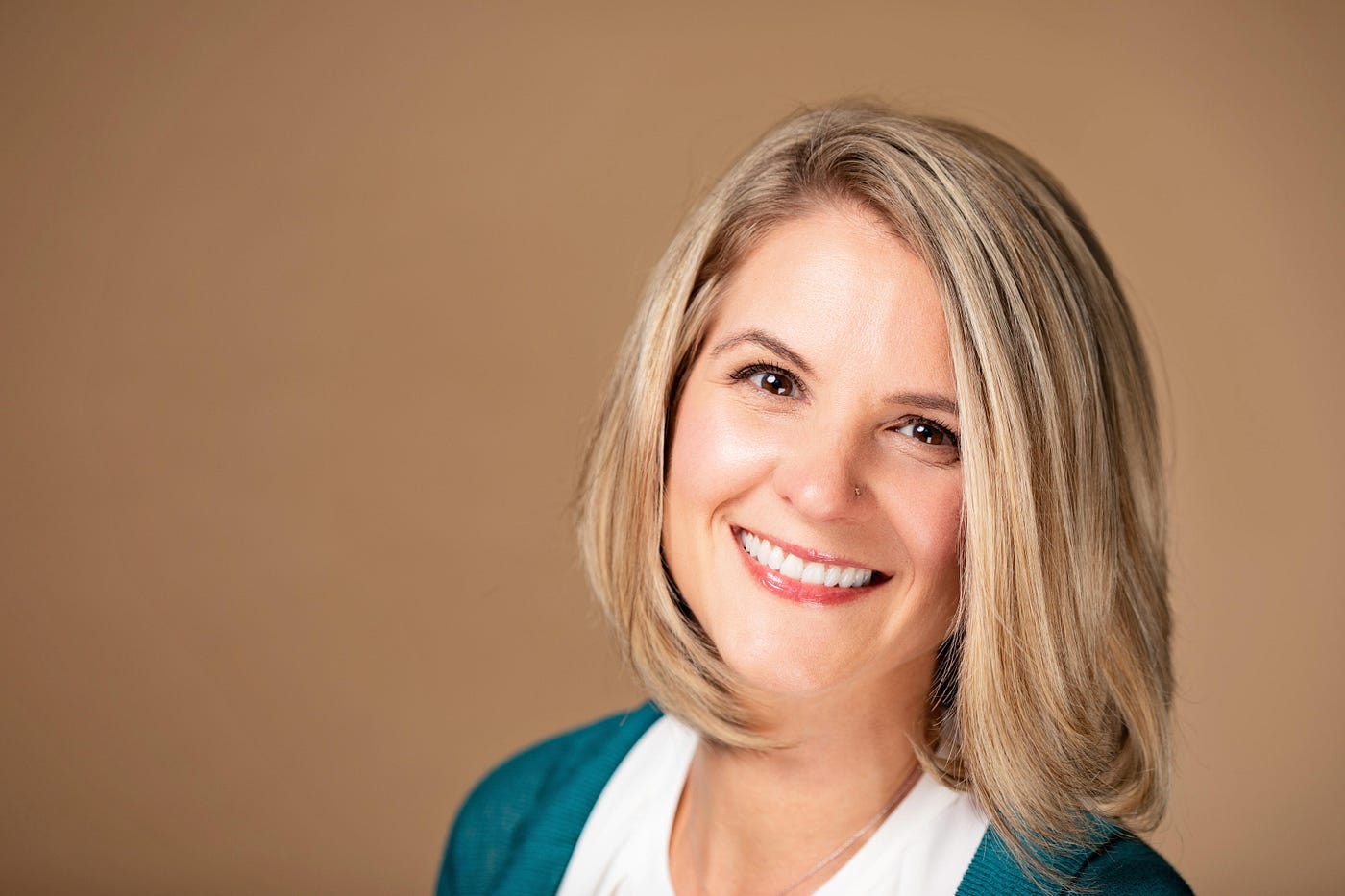
Pamela Li is a bestselling author and the Editor-In-Chief of Parenting For Brain, a parenting publication that reaches 2.8 million readers. With graduate degrees from Harvard and Stanford, Pamela was an engineer and entrepreneur in the Silicon Valley before becoming a mother. She put her scientific background to work after she had her baby girl by researching the science of parenting. Pamela became passionate about empowering parents with the science-based knowledge they need to raise thriving children.
Thank you so much for doing this with us! Before we dive in, our readers would love to “get to know you” a bit better. Can you share with us a bit about your “backstory”?
My quest for science-based parenting strategies began when my daughter was in her terrible twos. As a confused and overwhelmed mother, I received a lot of advice from friends and family. But choosing the right parenting strategy was a challenge. I didn’t want to base my parenting decisions on anecdotes or opinions. I knew there must be a better way to find good parenting advice.
I have a background in electrical engineering and business management. Since I love learning, I decided to tackle this problem in my own nerdy way by studying the science of toddler tantrums.
After sifting through hundreds of pages of quality research, I developed a plan for handling my toddler's tantrums. I also published it in my first parenting book, Turning Tantrums into Triumphs. The book quickly became an Amazon bestseller, and that inspired me to write parenting advice based on scientific evidence.
Can you share the most interesting story that happened to you since you started your career? Can you tell us what lesson you learned from that?
My experience with distance learning in 2020 differed from that of many parents, in that my daughter adjusted surprisingly well to virtual schooling. It was interesting that because of my education background, people assumed that my kid did well because I did well, but that isn’t the case. I was not a hardworking student like her when I was her age.
When I was in third grade, I skipped homework, lied about it, and nearly failed the year.
The failure taught me an important parenting lesson, since my early failure was not an indication that I would fail later.
It is common for parents to worry about their children when they do not perform well in school. My experience proved that a young child struggling in school is not doomed to failure in life. In fact, early failure helped me see reality more clearly and prevented future failure.
Therefore, parents whose children fell behind during distance learning can take a deep breath. It is okay for children to struggle academically while they are young. With the right support, they can catch up.
Can you please give us your favorite "Life Lesson Quote"? Can you share how that was relevant to you in your life?
“Above all, children need our unconditional love — whether they succeed or make mistakes; when life is easy and when life is tough.” This is a quote from former president Barack Obama and I find it resonates with my parenting.
When my mother found out that I skipped homework and lied to her, she didn't punish me. Instead, she showed me love. Her message was not that she encouraged me to lie, but that she loved me despite my mistakes. That unconditional love changed everything for me. It made all the difference and motivated me to work hard.
Rather than use rewards or punishments to discipline my daughter, I foster my relationship with her through love and care. It is easier for children to listen to you when they feel connected to you and when they trust you. For children, unconditional love is the most powerful motivator.
You are a successful leader. Which three character traits do you think were most instrumental to your success? Can you please share a story or example for each?
I believe the three traits that have helped advance my career are passion, drive and persistence.
Passion is the enthusiasm you have for what you do. It is why you get up in the morning, and the fire that keeps you going when things are hard.
Entrepreneurship is always a challenge, but it is particularly challenging when it comes to building an online parenting publication because anyone with kids can write about it. There are thousands of bloggers out there writing about parenting. Big names like Mayo Clinic, WebMD, and Psychology Today dominate the field. Without passion, I doubt I could have overcome all the obstacles and built Parenting For Brain's authority and success.
The second trait is drive. Passion turns into action when there is drive. Although it is easy to talk about passion and what one wants to do, it is not so easy to actually start doing it.
It is hard to start a business if you’re not driven. You can very easily slack off when you are your own boss, since no one is forcing you to do anything. My self-drive keeps me motivated and committed to my goals.
The third one is persistence. There is rarely a straight path to success, and there will often be bumps along the way. Achieving success requires persistence and a willingness to stick with it over the long term.
Online publications face unique challenges because of the ever-changing digital landscape. Being persistent in moving and keeping up with the latest changes is the key to any online success.
Are you working on any exciting new projects now? How do you think that will help people?
I've just launched my first online course, How To Motivate Kids. I developed it in response to the difficulties parents face today, and, like my other work, it is backed by science.
To say parents are struggling is an understatement. For parents of school-aged children, motivating their kids to engage in school has been an ongoing challenge. This course teaches parents how to motivate their children using a four-step strategy based on the latest research.
For the benefit of our readers, can you tell us a bit why you are an authority about how to help children succeed in school?
I’ve been researching and publishing parenting advice online for six years. My parenting advice is based on peer-reviewed studies that are widely recognized within the field. Over a dozen universities have cited my articles or assigned them as required reading. My parenting advice has been reprinted or referenced on government websites and in publications like The Huffington Post, The Epoch Times, and The Mercury News.
Ok, thank you for that. Let’s now jump to the main focus of our interview. Can you help articulate the main challenges that students face today that make it difficult to succeed in school?
Today's students face unprecedented challenges. Stress is one of the biggest difficulties students face when it comes to succeeding in school.
Stress can be good or bad. Good stress is positive. It can help children learn and grow. Bad stress is destructive. It can affect children's mental and physical health, and decrease their motivation to learn.
Students are experiencing significantly more distress because of the pandemic. The novel Coronavirus outbreak has forced parents and children to make drastic changes in their daily routines. Even though many schools have returned to in-person learning, fears of infection remain. Some families also suffer from income loss, food insecurity, eviction, lack of access to mental health care, and loss of loved ones because of the disease.
When students are dealing with severe mental distress and trauma, it can be hard for them to concentrate on schoolwork. And because of the pandemic, many students are experiencing varying levels of stress and trauma.
Can you suggest a few reforms that you think schools should make to help students to thrive and excel?
To help students thrive, we must protect and improve their mental health. Schools need additional resources to provide mental health services to students and families in need.
It is also beneficial to ease student stress whenever possible.
During the lockdown, I was happy to see that some school districts provided every child with the necessary technology to continue their education. Schools in California also continued to give out free lunches to students who needed them. I hope similar measures are adopted nationwide.
Another reform I would like to see is changing how we teach children to think about school and learning.
School is a place where we can learn and grow as people. Unfortunately, many students dislike school. They associate it with tedious work and harsh punishment instead of seeing it as a place of discovery and learning. Some children get stressed just thinking about school. We need to change the message our children are hearing.
For example, we practice what we have learned by doing homework. Teachers who assign more homework as punishment and less homework as reward reinforce the notion that homework is tedious, undesirable work. Homework should serve to help students learn, not cause them pain. Kids need to hear this message loud and clear, from educators and from parents. The focus should be on the learning and the practice required to reach mastery.
Here is our primary question. Can you please share your “5 Things Parents Can Do To Help Their Children Thrive and Excel In School?” Please share a story or example for each.
Here are 5 things parents can do to help their children thrive and excel.
1) Help children develop a love of learning.
We must help our children enjoy learning and associate school with it before we can help them thrive in school.
Having a learning mindset instead of a working mindset can help kids see that school is about learning and gaining knowledge, not just doing homework or getting good grades.
You can initiate this change in mindset. Ask your child whether they have learned anything through their homework instead of asking if they have finished their homework. Make learning the focus rather than grades.
2) Help them strengthen their intrinsic motivation to learn
Intrinsic motivation develops when you enjoy doing an activity. Having a passion for learning is a good start, but it is not enough. In order for children to be intrinsically motivated to learn, they must choose to do so, not be forced.
You can motivate your children intrinsically by giving them choices. Encourage them to solve problems on their own, and provide support when you are asked to.
3) Instill a growth mindset.
When a child masters a subject, they feel a sense of competence. Although they may not be good at a subject at the beginning, they can practice and improve their skills. They can get smarter because intelligence is not fixed, and effort strengthens them.
There are many ways to teach children a growth mindset. For instance, when praising children, emphasize the process over the result, and actions over abilities.
4) Get involved in your child's education.
Get involved and build a partnership with the school to support your child’s learning. By participating in your child’s education actively, you are offering your time, support, and care.
There are different ways for you to get involved. You can talk with your child after school, take part in their extracurricular activities, attend parent-teacher conferences, or volunteer in the classroom.
5) Become your child’s source of strength.
According to the Harvard Grant Study, a loving relationship with a parent in childhood is the strongest predictor of adult success.
Usually, the first thing parents think of when trying to improve a child's academic performance is how to make the child work harder. Often, love is overlooked as a motivator.
For humans, love is an enormous motivator. Your unconditional love will become a source of strength for them. Punishment, on the other hand, will turn you into a source of stress. You can hold your child accountable and still show unconditional love to them. Become your child's source of strength, not their stressor, so they can thrive and excel.
As you know, teachers play such a huge role in shaping young lives. What would you suggest needs to be done to attract top talent to the education field?
Teachers play a crucial role in the education of our children. It is important to find quality teachers, but it is not always easy. Schools are experiencing an unprecedented shortage of qualified teachers. High expectations for low pay and a lack of necessary resources are hurting the profession. The demands on our public schools have strained the entire system to a breaking point. Hopefully, with the new administration and a new education secretary, our public school system will improve and become more attractive to top talents.
We are blessed that some of the biggest names in Business, VC funding, Sports, and Entertainment read this column. Is there a person in the world, or in the US, with whom you would love to have a private breakfast or lunch, and why? He or she might just see this if we tag them :-)
If I had the chance, I'd love to have a private lunch with Dr. Anthony Fauci. I have a deep respect for his unwavering stance on facts and science, and his willingness to challenge those trying to mislead the public. Having scientific evidence and research to support my parenting advice is important. Dr. Fauci highlights the importance of science to our country, and that is a goal I share strongly with him.
How can our readers further follow your work online?
You can find me and my online course at parentingforbrain.com.
Thank you so much for these insights! This was so inspiring!