Continuous learning. You must be respective of all backgrounds, identities and facets of DEI. There needs to be continuous education and understanding.
Tech
Celebrating Diversity: Ebony Jones Of Accenture Federal Services On How To Build Inclusive Communities
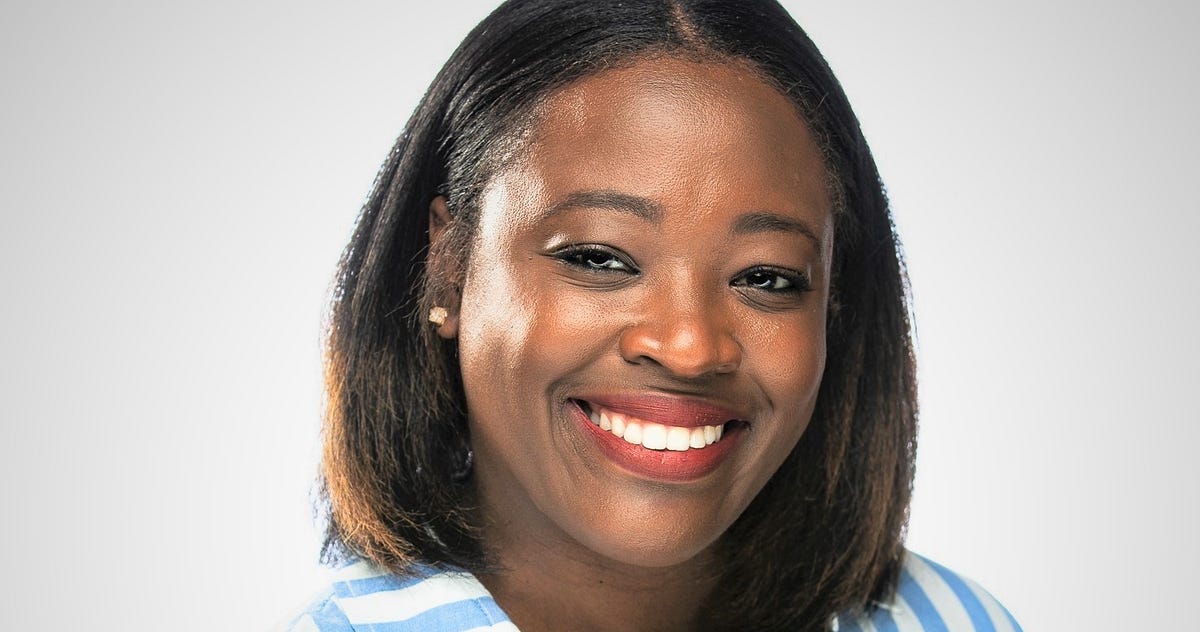
In a world where diversity is often acknowledged but not always celebrated, we are taking a step forward to highlight the importance of inclusivity in building strong, vibrant communities. This series aims to explore the various facets of diversity — be it racial, cultural, gender-based, or within the differently-abled community — and understand how embracing these differences strengthens our social fabric. As part of this series, we had the pleasure of interviewing Ebony Jones.
Ebony Jones is an Associate Director and the Inclusion and Diversity Lead at Accenture Federal Services. She is responsible for working with senior leadership to set the diversity, equity, and inclusion strategy for the company, as well as developing and driving supporting programs for all for hiring, retention, advancement, and engagement. Jones formerly served as Program Manager at Accenture Federal Services where she supported projects within engineering, digital brand marketing, products and innovation, and human resources client organizations. Jones received her B.S. in Management Information Systems from the University of Maryland.
Thank you so much for joining us in this interview series. Before we dive into our discussion about celebrating diversity, our readers would love to “get to know you” a bit better. Can you share with us the backstory about what brought you to your specific career path?
When I graduated from college, I was not familiar with Accenture. But I was invited to a dinner by the recruiting team, and I loved everything that I heard. The people were personable, and I had the opportunity to take on a bunch of different roles upon joining. I was on the consulting side of the firm for about 12 years where I focused on technology work, but always had a passion for inclusion and diversity — even before it was officially named inclusion and diversity.
When I first joined Accenture Federal Services, I immediately started getting involved with our African American Employee Resource Group to build a sense of community within this large firm. I think when these types of initiatives first started, they were really focused on things like an event centered around key moments, like Black History Month, and less focused on creating true inclusion and equity that people can see and feel. So, I started to develop those programs on my own! I remember thinking we needed a “mentoring circles” program where colleagues could pair up and grab coffee to build relationships, so I established one. Wherever I saw there was a gap, I started to fill them with programs.
I became more involved at the enterprise level around the death of George Floyd. We launched listening sessions across the firm and through being a part of that planning — which informed our broader roadmap and vision statement that the company uses today — it earned me the visibility I needed to advance into the role of the Accenture Federal Services I&D Lead (Inclusion & Diversity).
One of the main reasons I took this role was borne out of a question I was asked during my interview, “Why would you want to take this role?
My response, which is still true, was “Representation matters. Taking on this new role would make an even greater impact for myself and others like me.”
That’s what fuels me and keeps me going in this position — the lasting impact I know I can create.
Can you share an interesting or hopeful story where spending time with someone who did not look like you or who was different from you taught you something that has been useful to you?
I do this all the time! When I came into this position, there were two leads within our HR department who spent a lot of time helping me get acclimated. They both have very different backgrounds, in terms of ethnicity, where they’re from, upbringing and all that good stuff. What I love about these relationships is that we share different lived experiences, and share ideas, and then use those insights to arrive at the best solutions for the organization. Through these people, I’ve learned so much about how to navigate the organization and consider others’ experiences.
My family is from North Carolina and I’m a military brat. I always say I come from humble beginnings — because it’s true. I’m a single mother to a beautiful and very energetic (and funny) 7-year-old. So, sharing with folks who have completely different experiences than me is eye-opening. It allows me to perform better in my job and fully understand what we do from a business perspective. It also helps me understand people better. I surround myself with people of various backgrounds because I’m not going to be as impactful in this role if I don’t have that understanding and knowledge.
You are a successful leader. Which three character traits do you think were most instrumental to your success? Can you please share a story or example for each?
- I get things done. That’s my motto. The funny thing about coming into this role is that I had some anxiety around taking it. When I initially expressed interest in this role to my Managing Director at the time, she asked why I wasn’t going for it. She said, “Look, you can do anything that you want to do! If you take something on, I know you’re going to get it done — and this role is no different.” Honestly, that was a bit of a wakeup call — I needed to hear that. It doesn’t matter what you put in front of me, I’m going to learn it and get it done. That is my superpower.
- My compassion for others. A lot of people who serve in DEI know that it is emotionally taxing. You must be able to feel things from people, have understanding and compassion, but then put that to the side and perform. I compartmentalize well — that is something that allows me to not sit and wallow, but to move forward and have an impact.
- My authenticity. I don’t know how to be anything but authentic. It allows me to be relatable. It also allows me to raise things that others may not be comfortable bringing up in a way that people are best able to receive my insights. I think part of that is my authenticity. I can relate to people and leverage that to understand others, even if we have differences.
Can you share a personal story that highlights the impact of diversity and inclusivity in your life or career?
My mother and father both joined the Army in search of better opportunities and creating a better life for themselves and their families. When my mother transitioned out of the Army, I was given the opportunity to join a program within the Department of Defense as an intern. I am a firm believer that this program provided me a valuable skillset. When I decided I wanted to pursue technology, they allowed me to transition into their technology department. This allowed me to develop and build skills that made me presentable to an organization like Accenture Federal Services. Those types of programs and initiatives are important and afforded me the access needed to be accepted to an incredible school like the University of Maryland and the opportunity to be a part of an organization like Accenture Federal Services.
One other formidable point in my journey was an initiative we began called “advancement planning.” This program looks at employees within the organization and identifies how to best develop them. There was a version of this used in my old practice and I was identified as someone who had great potential and needed a new opportunity. We now execute this program across the board, regardless of background, and make sure to use the I&D lens to provide employees with the right opportunities. That is a key example of something great that happened for me and is one of the reasons I’m in my current role today.
How do you approach and manage the challenges that arise when working towards creating more inclusive communities?
I prefer to make informed decisions and have all necessary information at my disposal. I do my best to be open-minded and understanding because when it comes to creating more inclusive communities, we need engagement from everyone. When creating inclusive communities, we often find that there are gaps within certain teams — maybe the leadership is not as inclusive or aware as they could be, or maybe there is some bias in the process or policies being established. People don’t even realize it, which is why I lead with the understanding that most people are well-intentioned. With that in mind, I try to hear people out, get all the information, and make sure that we are doing things that are both data-driven and impactful.
Organizations that are less successful with DEI initiatives might not have the right level of engagement. You want grassroots energy; you want creativity; but you also need to have leaders at every level who are engaged and activated. So, I would say one of the challenges that might arise is not having that needed engagement. When managing those challenges, I try to make sure that the objectives are clear, and that people have a good understanding of what the issues are. The most important thing is making sure that you are engaging with the communities you are trying to make more inclusive — they are a part of the solution.
What innovative strategies or initiatives have you implemented or observed that effectively promote the importance of diversity and inclusivity?
I think the most effective programs are ones that are “high touch”. There are a lot of great initiatives that people only remember in the moment and then move on. In order to make them stick, there must be something tangible that people can take away.
One of the programs that I’m super proud of is called “Amplified to Elevate”. This program is primarily for our managers and our senior managers of ethnically diverse backgrounds, with the intention of creating safe spaces for them to develop, provide access to resources, sponsorship and ultimately help them grow in our leadership pipeline. What makes this program so successful is that program participants have coaches and sponsors from across the business. We meet every month as a group and there are various touchpoints with coaching, individual growth discussions, and check-ins. Programs like this must get to the individual and personal level to be effective.

Based on your experience and research, can you please share “5 Ways We Can Build Inclusive Communities”?
Here are ways I build inclusive communities in everything I do:
- A data-driven approach. You want to ensure you are doing things that are impactful. Effective programs must fully understand the needs of the communities they’re serving, include clearly defined action plans, and measure results to adjust the approach as needed.
- Engagement at every level. You need grassroots energy, sponsorship, commitment and engagement from the top down and every level in between. DEI issues are not always easy to talk about, but you must. It’s important to clearly communicate the challenges and the solutions for addressing them.
- Continuous learning. You must be respective of all backgrounds, identities and facets of DEI. There needs to be continuous education and understanding.
- Transparency. No one person is expecting companies to have everything figured out — but when companies are silent about challenges, actions, progress etc., people will create their own narratives, and usually not positive ones. It’s important to communicate and to do so often — and celebrate the wins along with the challenges, actions, and progress.
- Celebration and Appreciation. The most inclusive communities are ones where people feel like they can show up as themselves, celebrate one another and the differences they bring, and feel like they are appreciated. It is important to do so for all but you definitely want to make sure those spearheading I&D initiatives feel the appreciation — as many tend to come from the communities we’re trying to support.
How do you measure the impact and success of diversity and inclusion efforts, and what changes have you seen as a result of these initiatives?
We set goals for ourselves as an organization, not to check a box, but to keep ourselves accountable and focused. Every year we set strategic actions and initiatives by reviewing and analyzing various data sources, including survey and workforce data, to understand progress and impact and ensure we remain aligned to our focus areas. This is not a one-time year-over-year action. We review data monthly as a leadership group and have quarterly synchs with our Board and our account teams to discuss actions, progress, review data, and assess impact. We like to work in agile fashion and quickly amplify actions where we see things working and address areas that may need more focus. With this intentional focus, we continue to see an increase in overall engagement and people feeling like they are a part of a company where they are seen and valued. Additionally, we continue to see an increase in workforce diversity at all levels — translating to increased opportunities and representation into leadership levels.
If you could start a movement that would bring the most amount of good to the most amount of people, what would that be? You never know what your idea can trigger. :-)
When I was younger, I watched the movie Trading Places with Eddie Murphy a lot. I think if we could trade places for one day with someone whose lives and backgrounds are very different than our own, we would have a significant change in perspective along with increased empathy. With that new knowledge and insight, everyone would be forced to move forward with greater impact — because it would be nearly impossible to ignore the new insights and knowledge.
How can our readers further follow you online?
Candidly, I am not the best social poster, as I do tend to be a bit private. However, the best place for readers to follow me online would be on my Linkedin page, where you can usually see some of the more visible initiatives that I lead. I also love to connect with people and help however I can. I make a lot of Linkedin connections that sometimes lead to career growth and mentorship opportunities which I love to see!
Thank you for the time you spent sharing these fantastic insights. We wish you continued success in your great work!
About The Interviewer: Vanessa Ogle is a mom, entrepreneur, inventor, writer, and singer/songwriter. Vanessa’s talent in building world-class leadership teams focused on diversity, a culture of service, and innovation through inclusion allowed her to be one of the most acclaimed Latina CEO’s in the last 30 years. She collaborated with the world’s leading technology and content companies such as Netflix, Amazon, HBO, and Broadcom to bring innovative solutions to travelers and hotels around the world. Vanessa is the lead inventor on 120+ U.S. Patents. Accolades include: FAST 100, Entrepreneur 360 Best Companies, Inc. 500 and then another six times on the Inc. 5000. Vanessa was personally honored with Inc. 100 Female Founder’s Award, Ernst and Young’s Entrepreneur of the Year Award, and Enterprising Women of the Year among others. Vanessa now spends her time sharing stories to inspire and give hope through articles, speaking engagements and music. In her spare time she writes and plays music in the Amazon best selling new band HigherHill, teaches surfing clinics, trains dogs, and cheers on her children.
Please connect with Vanessa here on linkedin and subscribe to her newsletter Unplugged as well as follow her on Substack, Instagram, Facebook, and X and of course on her website VanessaOgle.
VO
Written by
Vanessa Ogle
Executive Contributor · Authority MagazineVanessa Ogle is an executive interviewer and contributor covering leadership, culture, and business for Authority Magazine.

Published inAuthority MagazineTop Lessons, Top Authorities · 42K Followers
Exclusive, curated interviews with the leaders and changemakers shaping tomorrow. Leadership lessons, industry deep dives, and executive profiles.
More from Authority Magazine
See all stories →A
Authority Magazine Editorial StaffBrandon Wade & Dana Rosewall on Why ‘Yes’ People are a Liability and the “Painful” 180-Degree Redemption Story
Tech27 min read

Y
Yitzi WeinerAmazon’s Lauren Stovall Talks AWS Nonprofit Programs, Enterprise AI and the Push for Unrestricted Funding
Tech22 min read
G
Gabriel Borden, Managing Partner at Arrow FundGuardians of AI: Kerstin Woods of Toshiba America Business Solutions On How AI Leaders Are Keeping AI Safe, Ethical, Responsible, and True
Tech17 min read
A
Authority Magazine Editorial StaffFrom New York Wild Child to Bali Wellness Queen: Inside Meghan Pappenheim’s Spiritual Empire
Tech20 min read