The mission of BanQu is to empower individuals in underserved communities by providing them with a verifiable economic identity through blockchain technology.
INTERVIEW QUESTIONS:
Although the United States has had a long trend of non-renewable consumption, the tides are turning. Many companies are working hard to break this cycle, moving towards renewable consumption. In this interview series, we are talking to business leaders who are sharing the steps they are taking toward renewable consumption. As part of this series, we had the pleasure of interviewing Ashish Gadnis.
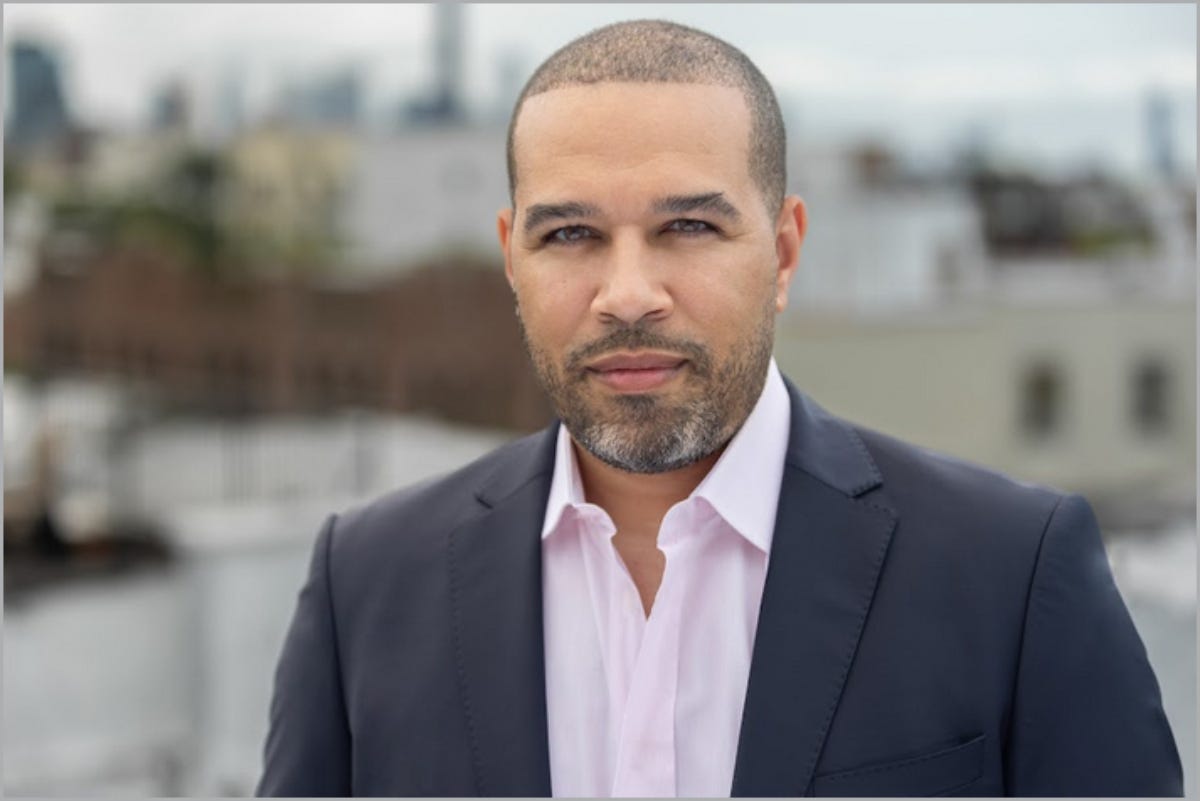
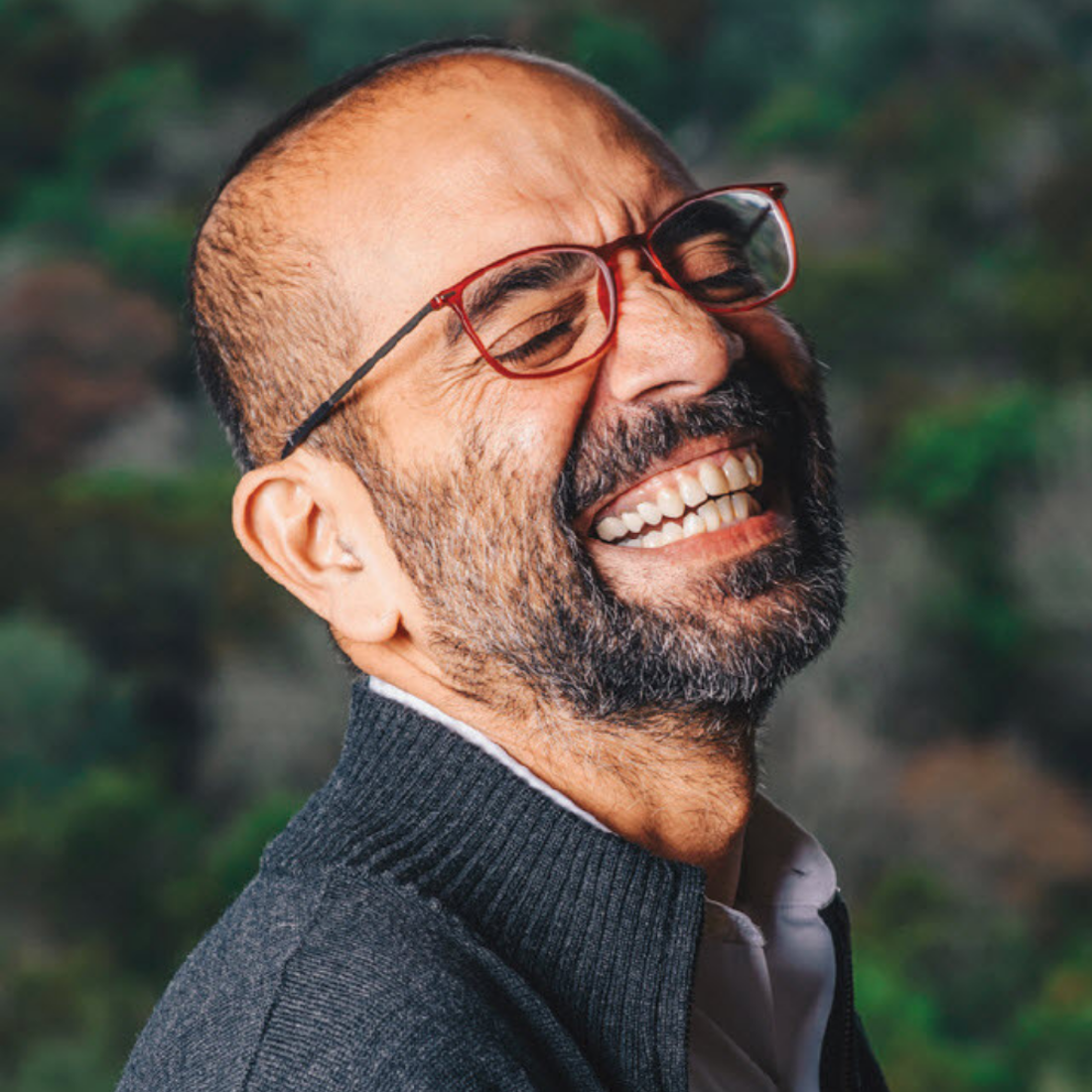
Ashish Gadnis is the Co-founder and CEO of BanQu (https://www.banqu.co/), a traceability platform helping brands drive more sustainable, circular business through supply chain insights down to the source. Ashish founded BanQu with the goal of creating an equitable economy in which every brand can prove provenance, every consumer can shop ethically, and every supply chain contributor - down to the laborer - is granted true visibility.
Thank you so much for doing this with us! Before we dig in, our readers would like to get to know you a bit. Can you tell us a bit about how you grew up?
I grew up in a lower-class family in poverty in India. My childhood was filled with a lot of experiences that shaped my current perspective and instilled a deep sense of empathy and compassion for people around the world in similar situations. Witnessing the struggles faced by marginalized communities and the lack of opportunities they had inspired me to work towards creating a more equitable world.
None of us are able to achieve success without some help along the way. Is there a particular person who you are grateful towards who helped get you to where you are? Can you share a story about that?
Yes! I am extremely grateful for my friend, business partner, and mentor, Jeff Keiser. Jeff and I had worked together for years when we both decided to start BanQu. There are too many stories to count about how he’s helped me. But in a nutshell: He keeps me grounded, always has the best advice, and keeps BanQu running and growing.
What is the mission of your company? What problems are you aiming to solve? What is your “why”?
The mission of BanQu is to empower individuals in underserved communities by providing them with a verifiable economic identity through blockchain technology. We aim to tackle the problem of economic exclusion and lack of transparency in supply chains. Our "why" is to create a world where every person, regardless of their background, has access to economic opportunities, financial inclusion, and dignified lives.
Can you share the most interesting story that happened to you since you began leading your company or organization?
One of the most interesting and fulfilling moments for me was witnessing the impact of our work in empowering Syrian refugees in Jordan. We partnered with a large multinational corporation to provide refugees with economic identities and enable them to participate in the corporation's supply chain. Seeing the joy and pride in the eyes of the refugees as they gained economic independence and became valued participants in the global economy was incredibly rewarding.
Do you have a favorite life lesson quote? Can you tell us how that was relevant to you in your own life?
My favorite life lesson quote is from Steve Jobs: “I want to make a dent in the Universe”.
This quote keeps me going every day of every hour of my life because we live in a world where the poorest work the hardest in our global supply chains, yet are completely invisible. That's been the norm last 100 years - to consume without knowing who farmed your coffee beans or who grew the cotton in your t-shirt.
If we want to really make the world equitable - and not just talk about it - then we have to start by making a dent but increasing that visibility. We at BanQu are working very hard to make a dent in that 100-year invisibility.
Let’s now shift to the main part of our interview. Can you tell our readers about the initiatives that you or your company are taking to help break the cycle of non-renewable consumption? What specific problems related to non-renewable consumption are you aiming to solve?"
BanQu is a traceability platform that helps companies trace and track materials from cradle to grave. Traceability means knowing where your materials and ingredients originate, but also where they go post-consumption. This level of 360-degree visibility allows brands to ensure that they’re not only ethically sourced materials, but that they also have a solid handle on where their materials end up - ensuring that materials are diverted from oceans and landfills and upcycled while backing up their circularity and sustainability claims with reliable data. Some of our most successful use cases are in the recyclables industry.
Can you give a few examples of what you are implementing to help address those issues?
We recently launched an official Digital Product Passport Solution that allows brands to track the cradle-to-grave journey through a unique QR code or number for each product — so they can know and prove circularity, while also engaging stakeholders in their sustainability efforts in a very tangible way.
How do you measure the impact of your company's sustainability initiatives, both in terms of environmental benefits and business growth? Can you share any key metrics or success stories?
Our partners’ successes are our successes. Meaning, when a company sees solid returns on using BanQu - both for their bottom line and sustainability efforts - we count that as a win. Every customer comes to us with different KPIs, timelines, and needs, but all have one thing in common: They want to do good for people and planet, while driving better business. Our top recyclable success stories include the Coca-Cola Foundation and AB InBev, who have both seen stunning results with registering waste pickers, ensuring fair pay, tracing millions of kilos of packaging, and having the data to prove that such materials were upcycled and diverted from oceans and landfills.
What challenges have you faced while implementing sustainable practices in your company, and how did you overcome them? Can you share a specific example?
One of the main challenges we encountered was the resistance to change within established supply chains. Convincing companies to embrace transparency and sustainable practices required a paradigm shift in their operations and mindset. To overcome this, we focused on educating stakeholders about the benefits of sustainable supply chains, showcasing success stories, and demonstrating the positive impact on their brand reputation and customer loyalty. Building trust and fostering collaboration was crucial in driving this transformation.
How would you articulate how a business can become more profitable by being more sustainable and more environmentally conscious? Can you share a story or example?
Embracing sustainability and environmental consciousness can lead to increased profitability for businesses in various ways. For example, by optimizing energy and resource usage, companies can reduce operational costs and improve efficiency. Additionally, adopting sustainable practices attracts environmentally conscious consumers who are willing to pay a premium for products that align with their values. Companies that prioritize sustainability also benefit from enhanced brand reputation, customer loyalty, and access to new markets driven by sustainability regulations and certifications.
This is the signature question we ask in most of our interviews. What are your "5 things I wish someone told me when I first started promoting sustainability and climate justice" and why? Please share a story or example for each.
1. The poorest who work in our supply chains don’t need pity, they need visibility.
A lot of poverty alleviation focuses on pitiful narratives and sad lenses. The individuals who struggle in the world do so because they exist in systems that keep them down, and keep them invisible. In the work we do at BanQu, we work hard against that “poverty pity” lens. These individuals are smart, capable, and doing amazing work in global supply chains. They simply deserve to be treated like the rest: equally, fairly, and with dignity.
2. Smallholder farmers or informal waste collectors are literate, capable, and smart.
In the sustainability world, there’s also a huge misconception that the individuals we’re trying to help are less literate, capable, or smart, and unable to understand complex systems or technologies. In my experience on the ground with smallholder farmers and informal waste collectors, nothing is farther from the truth. I’ve never met an individual who wasn’t capable of learning and using BanQu in the field, or understanding how to grow their business and livelihood when given the right tools.
3. Truly sustainable, fair trade or transparent supply chains are those where smallholder farmers or artisanal miners or informal waste pickers can prove their existence.
The terms “sustainability” “fair trade” and “transparent” are everywhere. While I applaud businesses taking actionable steps toward better business, these terms are too often greenwashed. Meaning, they’re slapped on a label or claimed on a site without the proper data to back up the claims. In my line of work, I’ve learned that true sustainability is one where the individuals who created the materials or ingredients can prove their existence and build credit.
4. Banking the unbanked without supply chain data ownership is a fallacy.
Similar to number three above, people often claim sustainable sourcing just by saying that they’re helping lift workers out of poverty. However, unless that poverty alleviation is coupled with supply chain data ownership, it’s a fallacy. What I mean by data ownership, is that those workers must have real ownership over their data — transactions, receipts, quality checks, etc… everything linked to the work that they’ve done that they own rather than just the brand.
5. Greenwashing is real and consumers have been paying the premium without holding brands accountable.
Greenwashing - i.e. making sustainability claims without the data to prove sustainability efforts - is real and rampant. Oftentimes, consumers will pay more for sustainable products. However, consumers and regulatory bodies alike will need to start holding brands accountable instead of simply paying that extra money for something that might not be anymore sustainable than cheaper, unsustainable alternatives.
You are a person of great influence and doing some great things for the world! If you could inspire a movement that would bring the greatest amount of good to the greatest amount of people, what would that be? You never know what your idea can trigger. :-)
I’d recommend asking yourself one question every day (I’ve been doing it since 2016): What can I do today that enables someone out of poverty or inequality without me needing the credit?
What is the best way for our readers to continue to follow your work online?
Connect with me on LinkedIn! Or sign up for BanQu’s newsletter (head to our website & sign-up on the homepage footer).
This was so inspiring. Thank you so much for joining us!