When we arrived at the hotel, we were told the fryers were broken and the only oil they had was a small container you would expect to see at the grocery store. We had 3 hours until we needed to have 300 servings of this tempura dish served with no fryer and no oil.
Business
Savannah Miller on Japanese Tempura Techniques, Farm-to-Sea Ingredients, and Kitchen Resilience
The Executive Chef of Glasshouse Kitchen shares her journey from North Carolina to mastering complex culinary traditions and building sustainable kitchen boundaries.
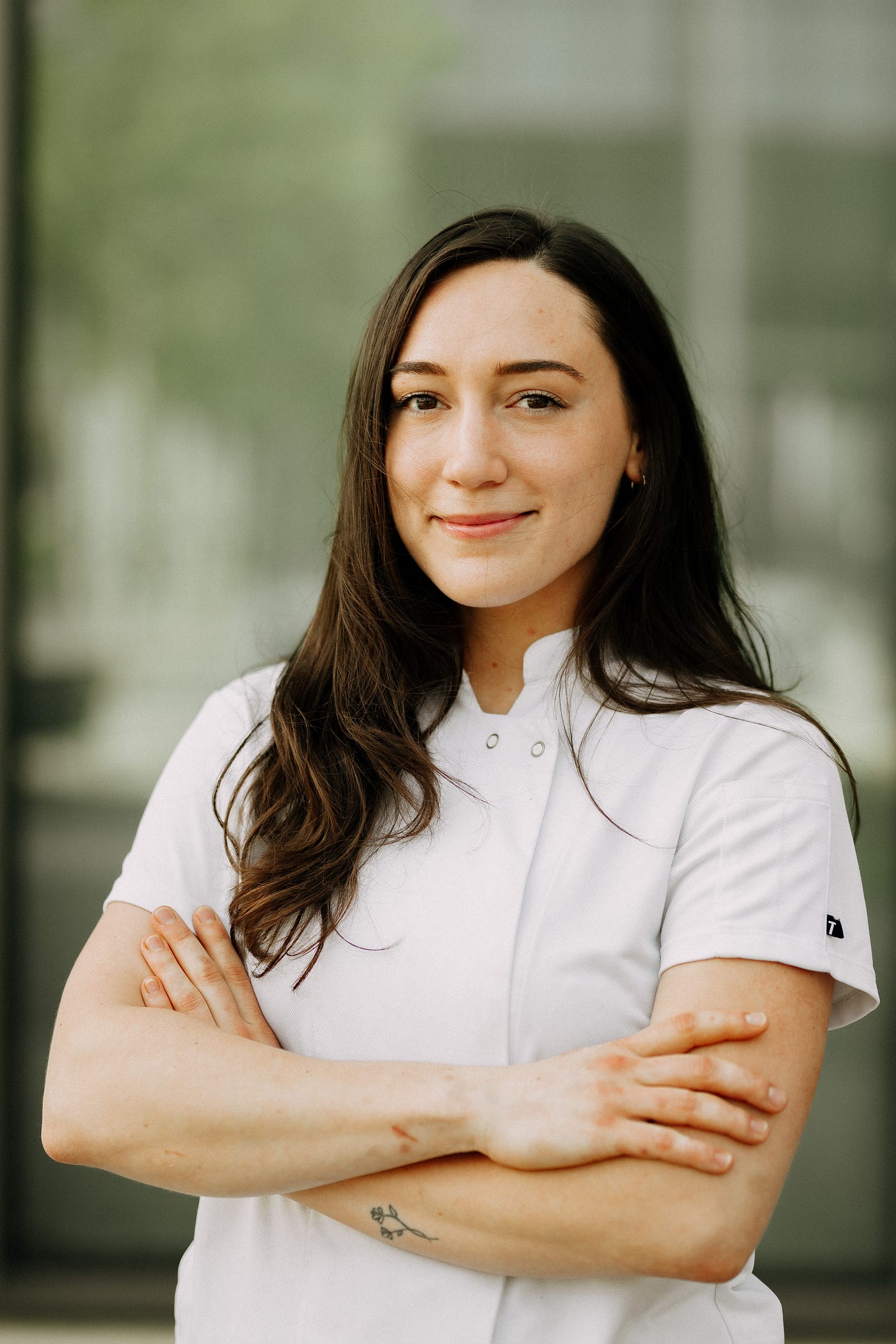
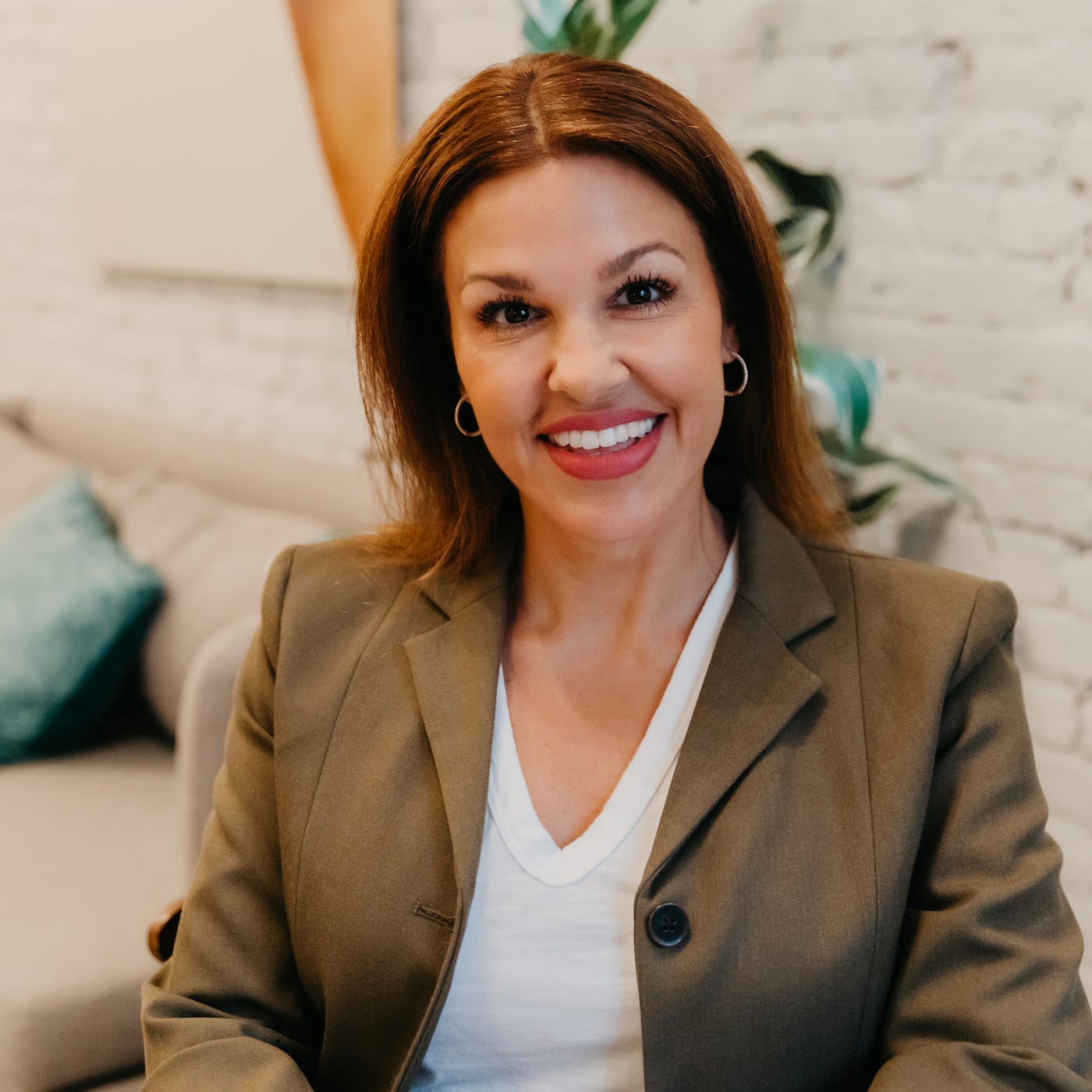
As a part of our series about the lessons from influential ‘TasteMakers’, I had the distinct pleasure of interviewing Chef Savannah Miller.
A North Carolina native, Savannah Miller started in hospitality early, working part time in fast casual dining as a high schooler in the Southern Pines area. With her love of this restaurant family dynamic, and longtime passion for dining out, she decided to make hospitality work her career. Attending the New England Culinary Institute, she was quickly fast-tracked into an internship on the opening team at Matthew Jennings’ Boston restaurant Townsman. After almost four years of focusing on New England cuisine, she decided she wanted to continue her career closer to home. This resulted in working in partnership to help open M Tempura in downtown Durham with Michael Lee as his Chef De Cuisine. She spent the next three and a half years learning about Japanese cuisine and diving into the art of fish and vegetable cookery. She pulls inspiration from what is locally available and believes deeply in supporting the ecosystem of farmer’s and purveyors in the surrounding area. Savannah started with Glasshouse Kitchen when they opened as their Executive Chef and remains there today. Glasshouse was an opportunity to do something new and exciting in the Research Triangle, an area that has been underserved in years past.
Thank you so much for doing this with us! Our readers would love to ‘get to know’ you a bit. Can you share with our readers a story about what inspired you to become a restauranteur or chef?
I vividly remember being in high school and realizing how fully immersed I was in the restaurant world — whether it be spending the majority of my time working my two restaurant jobs or it being all I absorbed in my free time as well. My dad was the one who came to me after seeing my passion for the industry and suggested I look into making it my career. It may not be a flashy story, but it is the reason I enrolled in culinary school and the rest is history.
Do you have a specific type of food that you focus on? What was it that first drew you to cooking that type of food? Can you share a story about that with us?
Having had grown up in North Carolina, I have always been lucky enough to have access to fresh, local farm to sea ingredients. I would say the type of food I gravitate towards is simplistic, vegetable and fish forward dishes that highlight local ingredients. There is also Japanese influence when it comes to the flavors I often use — an ode to my previous tempura chef experience for downtown Durham hotspot, M Tempura. While I had no prior experience in any type of Japanese cuisine, I learned so much on the job and was one of the only female tempura chefs on the East Coast for a considerable amount of time.
Can you share the funniest or most interesting story that has happened to you since you became a chef? What was the lesson or takeaway you took out of that story?
While there are so many funny stories from the beginning of my career, one that I learned a lot from was at a Food & Wine event 2 years ago. I was traveling out of town for this festival with another chef and we had assumed the venue hosting the festival would have oil and fryers — I was preparing a tempura-specific dish. When we arrived at the hotel, we were told the fryers were broken and the only oil they had was a small container you would expect to see at the grocery store. We had 3 hours until we needed to have 300 servings of this tempura dish served with no fryer and no oil. We were able to call in some favors with the local food and beverage community and get the oil we needed. I ended up frying the tempura in a steam kettle and made it work. The takeaway from this experience was –
- Always come prepared → when I do off-site events now, I bring double the ingredients I need just in case. If a recipe calls for 4 quarts, I’m bringing 4 quarts plus another 4 quarts in case I drop it.
- Be able to think on your feet → as chefs sometimes we get so caught up in thinking something has to be cooked a certain way. Get creative! There is almost always a solution.
Can you tell us a story about the hard times that you faced when you first started your journey? How did you overcome this obstacle?
I would say the hardest challenge when I first started this journey was being 17 and moving from North Carolina to Vermont. I was moving somewhere unknown and away from all my friends and family, so I think transitioning into a new area at such a young age was hard. I remember on my 18th birthday my dad came to visit and it was such a comfort having a piece of home in my new life. The first restaurant I worked at outside of school I was coming up around a lot of talent, being lowest on the totem pole. It was a great experience to learn from such talented people, but also intimidating especially being a kid myself.
In your experience, what is the key to creating a dish that customers are crazy about?
In my opinion there are two things that are key to creating a dish customers are crazy about:
- Customers love a story behind a dish. We have a Green Goddess salad on the menu right now at Glasshouse Kitchen that truly uses every part of the local produce we receive from the farm. We have been getting beautiful local radishes and carrots and typically there is no use for the tops. For this salad we take the tops, blanch them, and blend them into yogurt so we are using all the vegetables we are buying in a unique way. Starting with a story or a reason and sharing it with guests is an easy way to help them connect with a dish which most chefs don’t tap into.
- Use nostalgic flavors in an exciting way. Instead of clam chowder I would make seared scallops, bacon lardon, and fennel soubise, with pickled celery.
Personally, what is the ‘perfect meal for you’?
- I like meals where I can taste a lot of little things and sample a ton of strong flavors. I love tasting menu experiences, so I think my perfect meal is a traditional Omakase.
Where does your inspiration for creating come from? Is there something that you turn to for a daily creativity boost?
My partner has his own farming business, SideShoots, with two locations — one being in our backyard. Starting my day with home and work so intertwined and watching the growth from seed to being delivered at the restaurant — I don’t know what could inspire me more.
Are you working on any new or exciting projects now? What impact do you think this will have?
Right now, I am 100% Glasshouse Kitchen focused with spring upon us and summer around the corner. Seasonal menu changes, events at the restaurant, and our 1-year anniversary approaching have been keeping me very busy!
What advice would you give to other chefs or restaurateurs to thrive and avoid burnout?
For me, I think turning certain things into my own help me to avoid burnout and thrive. When I saw that running was working out my body while also meditation for my mind, I realized the positive effect committing to myself brings. It is important to place boundaries with everything in life. By taking this time for myself and setting those boundaries, it helps me to be the best friend, partner, employee, boss, etc.
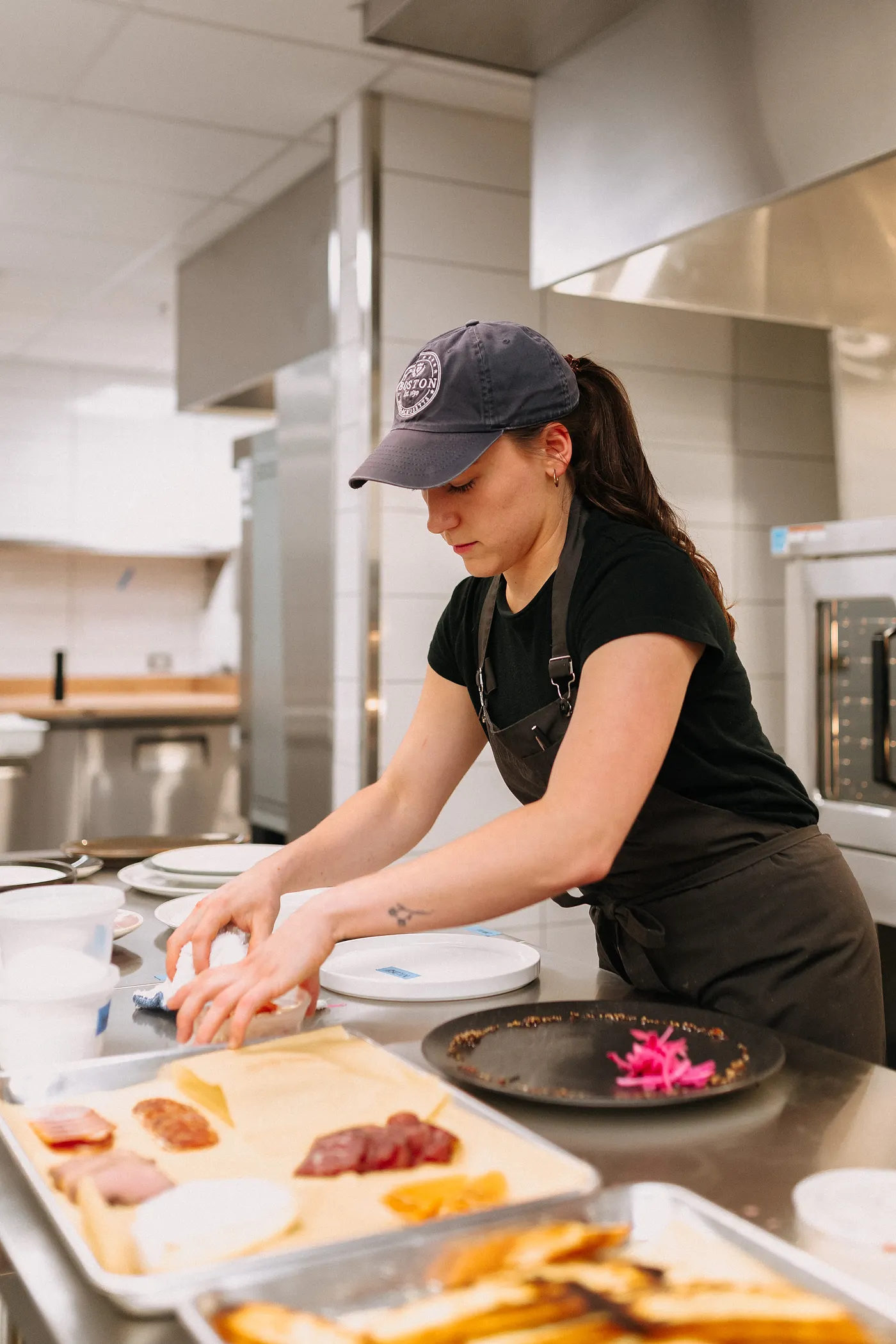
Thank you for all that. Now we are ready for the main question of the interview. What are your “5 Things I Wish Someone Told Me When I First Started as a Chef” and why?
1. My family life would be severely altered, and I would have to reimagine what that looks like for me.
- The busiest days at the restaurant are usually holidays and other occasions that I tend to miss out on. I realized that if I do want to have a family one day, my expectation of that may have to change.
2. I wish I would have realized how many career paths there are in this industry that are not behind the line.
- People say that the restaurant industry is not a lucrative one, but I disagree. There are so many different paths you can take in this field whether it be a Chef, food journalism, public relations, etc.
3. I don’t really get to enjoy restaurants that much.
- In high school, I joked that I wanted to make restaurants my life and now I don’t get to go much anymore being an Executive Chef myself.
4. The bonds you make in the kitchen are akin to family relationships.
- While the trajectory of my family life may be altered in this career path, the bonds forged in the kitchen are a lot stronger than a lot of other relationships in my personal life. The sense of community is very strong which can sometimes make up for that family aspect.
5. Food is actually only 20% of what I do as an Executive Chef.
- The majority of my job is wearing all different types of hats — for example, I am a manager, a mediator, etc.
What’s the one dish people have to try if they visit your establishment?
Right now, I think the dish I would implore people to try at Glasshouse Kitchen is our Chicken Roulade. While the set-up changes seasonally, right now the chicken is served on a bed of lentils and rice with caramelized onions (Majudara), a piry-piry hot sauce, and charred red onion — making for a beautifully flavored dish. The Chicken Roulade is definitely a labor of love — we take the chicken breast and pound it very thin, then wrap it in chicken skin and stuff it with a house made chicken thigh sausage. Once that process is complete, we sous vide the chicken and then finish it off by frying it until the chicken skin is nice and crispy.
You are a person of enormous influence. If you could inspire a movement that would bring the most amount of good to the most amount of people, what would that be? You never know what your idea can trigger.
Growing up in North Carolina, I was always fortunate enough to have the freshest ingredients at my fingertips. I think the ultimate dream is to have a huge plot of land where my partner and I do what we do now (farming & cooking), together. The bigger goal tied into that is to bring access to press produce to communities that may not have access otherwise. I want to create a hub for the community that is fluent and extremely accessible.
Thank you so much for these insights. This was very inspirational!
MM
Written by
Martita Mestey
Writer & ContributorContributor at Authority Magazine covering leadership, innovation, and industry insights.

Published inAuthority MagazineTop Lessons, Top Authorities · 42K Followers
Exclusive, curated interviews with the leaders and changemakers shaping tomorrow. Leadership lessons, industry deep dives, and executive profiles.