That experience taught me that it’s important to recognize that the fruits of your labor aren’t always seen or felt right away. Sometimes it may take many months or even years to see important decisions bear that fruit.
Business
Tara Durbin of Farm Credit Mid-America: Long-Term Leadership Demands Patience Just Like Farming
Farm Credit Mid-America Chief Lending Officer Tara Durbin shares how agricultural roots, emotional intelligence, and listening shaped her path to executive leadership.
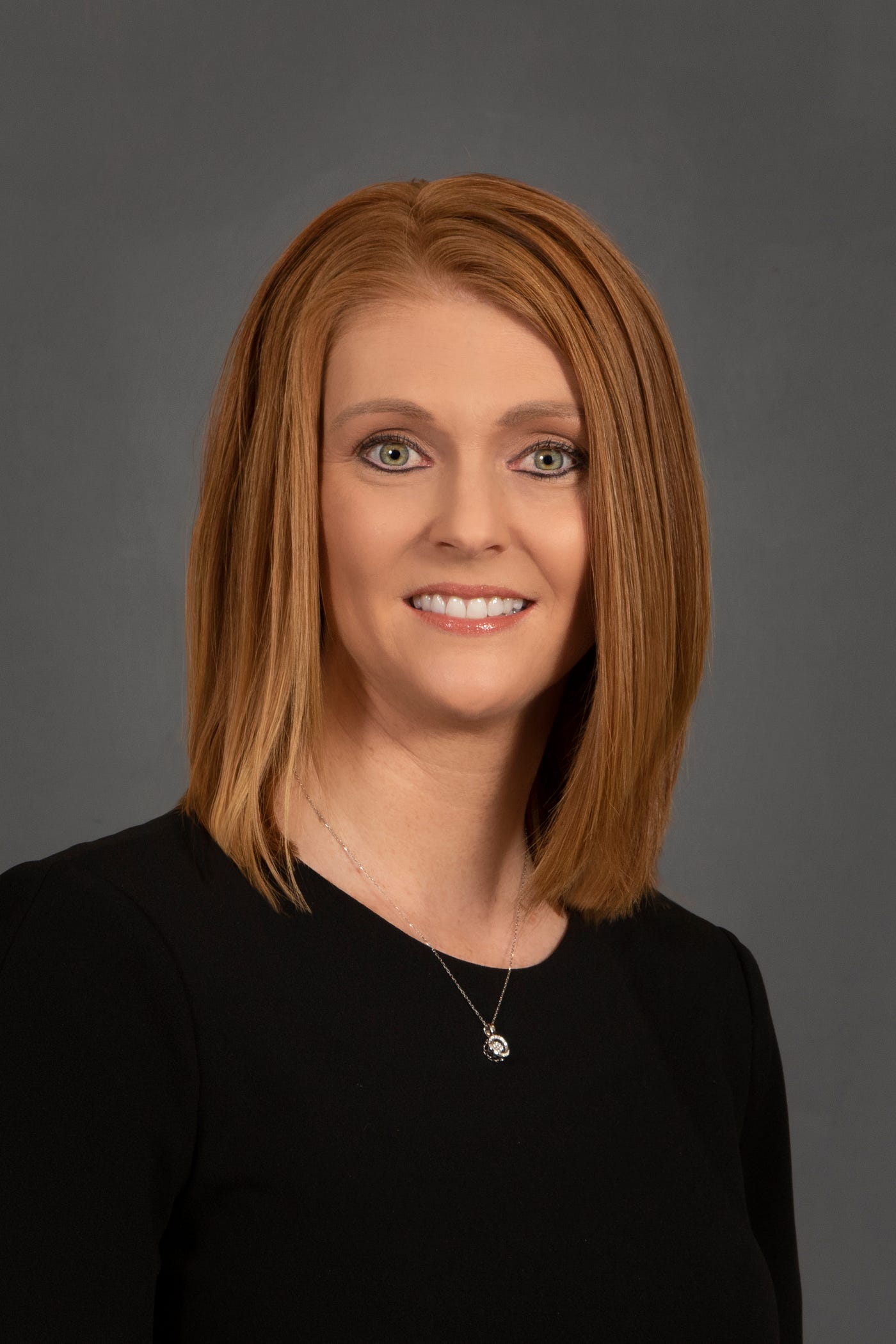
In the United States in 2022, fields such as Aircraft piloting, Agriculture, Architecture, Construction, Finance, and Information technology, are still male-dominated industries. For a woman who is working in a male-dominated environment, what exactly does it take to thrive and succeed? In this interview series, we are talking to successful women who work in a Male-Dominated Industry who can share their stories and experiences about navigating work and life as strong women in a male-dominated industry. As a part of this series, we had the distinct pleasure of interviewing Tara Durbin.
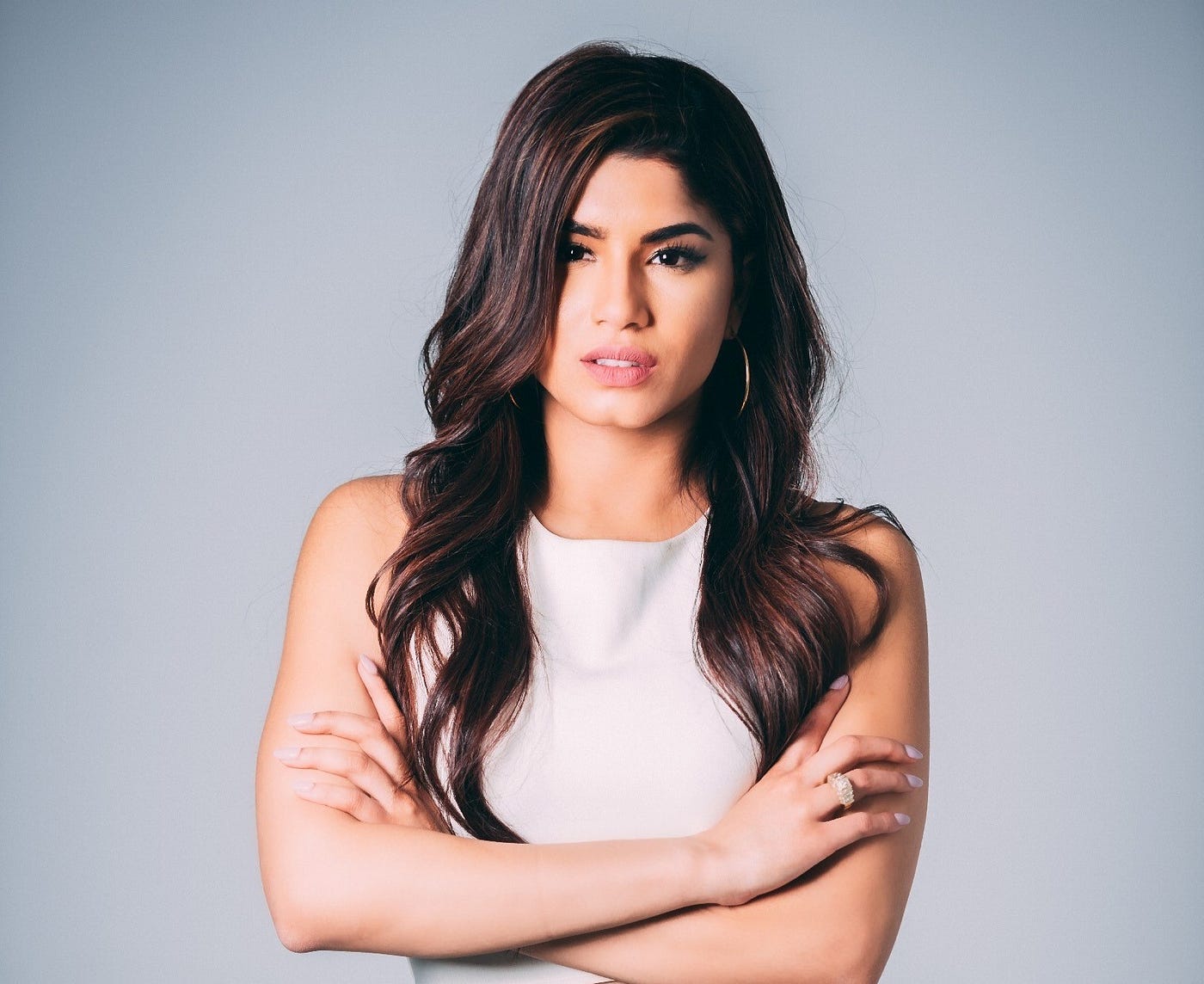
Tara Durbin serves as Chief Lending Officer Agriculture at Farm Credit Mid-America, a financial services cooperative that provides reliable, consistent credit and financial services to farmers and rural residents in Indiana, Ohio, Kentucky and Tennessee. Farm Credit Mid-America is part of the Farm Credit System, a nationwide network of customer-owned cooperatives that help agricultural producers feed the world, rural businesses grow, and rural families thrive.
She previously served as Senior Vice President of Agricultural Lending and provided strategic leadership for Farm Credit Mid-America as she led team members across the state of Ohio in their retail sales efforts. She aims to keep customers at the heart of all she does, from leading strategic projects to meeting one-on-one with team members across the Association.
Thank you so much for doing this with us! Before we dig in, our readers would like to get to know you a bit more. Can you tell us a bit about your childhood “backstory”?
I grew up in southern Ohio on a small farm of around 100 acres and was very active in my town of Leesburg. My town had a population of fewer than 1,500 people and is still very rural. I joined 4-H around the age of nine, raising and showing pigs at our county and State Fair, and I think that’s really where I found my passion for agriculture. Agriculture was a very important part of my childhood and helped to influence who I am as an individual. My husband, Dusty, and our three-year-old son, Daxton, are actively involved in grain farming today and I continue to volunteer with the Ohio 4-H Foundation, representing Farm Credit Mid-America. In addition, I have truly always loved the outdoors; I’ve always lived in the country on a farm.
I double majored in Agriculture and Business Marketing at Wilmington College in Ohio. Throughout those college years, I gained experience and began to understand that my passion was working with people to help them achieve their goals and dreams for their farms. I found that agriculture was a part of who I am and something that I’m very passionate about, so I knew I wanted to follow that path, but I didn’t know what that would look like.
Those college years were so important for my development. I made a point to seek out new opportunities that allowed me to explore this passion, and if an opportunity didn’t exist, I created it for myself. This laid a foundation that would lead me to where I am today. If anybody would have ever said, “You are going to be the Chief Lending Officer for Agriculture for Farm Credit Mid-America, a financial services cooperative with more than $31.5 billion in assets owned and managed,” I would have never believed them. But, I know that the steps I was taking were setting me on the right path. My first role in my career was boots-on-the-ground as a financial officer, where I had the opportunity to gain deeper experience and learn about Farm Credit Mid-America. That’s where I first began to connect the pieces to better understand our cooperative and what we do for our customers.
Can you tell us the story about what led you to this particular career path?
It was my first semester of senior year when I realized I needed to practice interviewing, so I went to the career center, and they helped me put together a resume. I’d never heard of Farm Credit Mid-America, but it just so happened they were one of the organizations interviewing students on our campus that day.
I spoke with the representatives, and that opened a door for a career that I didn’t previously know existed. This speaks to how there are opportunities everywhere, and how being willing to step out of your comfort zone and take a step forward in a new direction can benefit you in the long run. You can’t sit back and expect opportunities to come to you, you have to seek them out, and that’s what I have worked hard and focused on doing throughout my 21-year career.
Can you share the most interesting story that happened to you since you began your career?
At some point, every leader is going to face making a tough decision. One of those times in my career resulted in an experience that made me grow the most as a person and as a leader. As an organization, we were looking closely at the changing needs of agriculture and examining what our customers needed and expected from us. It made us realize that some changes needed to be made, and those changes ultimately impacted the way our teams were structured. People were impacted, and it wasn’t easy to see those changes through.
I value having a high level of emotional intelligence: this helps me to relate to the team members I lead and build trust with them. It also means I care about them as individuals. So, the decision to make changes in the way our team was structured weighed on me personally. I knew in my heart we were doing the right thing in the long run for both our teams and our customers, but that still didn’t make it easy. It was a hard few months for me, but I stayed the course because I knew it was ultimately the right thing to do.
About two years later, I was speaking with one of our tenured financial officers who had been impacted by these changes. He told me about the benefits he had seen and experienced because of them. He went on to share that others on our team saw the positive outcomes as well. They understood WHY we did what we did, and how it ultimately positioned us to better serve our customers. As I listened to him share this, tears filled my eyes. It meant a lot to hear a well-respected member of our team affirm a decision made years before.
That experience taught me that it’s important to recognize that the fruits of your labor aren’t always seen or felt right away. Sometimes it may take many months or even years to see important decisions bear that fruit. It’s an important analogy that those of us in agriculture can relate to: you plant a seed, and sometimes you have to wait to watch it grow. That period of waiting and watching can be discouraging at times, but the outcome and the success you can experience are worth it. Making the right choice isn’t always an easy choice, but you have to do it anyway.
You are a successful business leader. Which three character traits do you think were most instrumental to your success? Can you please share a story or example for each?
Listening is key. I truly listen to what people are sharing with me to assess where to go with that information. At Farm Credit Mid-America, we lean into the feedback and thoughts of our team members as well as the customers we serve. It’s an essential aspect of who we are as a cooperative, which allows us to invest in areas that will further help our customers’ farming operations be successful, thus enabling us to carry out our purpose to secure the future of rural communities and agriculture. I can’t think of a better way to foster our purpose than listening to the feedback and thoughts of those we serve and using their insights to help us strengthen our cooperative to serve rural communities in an even greater way.
Being able to operate and make decisions in the gray has also been instrumental to my success. This is not something that a lot of people are comfortable doing — I personally like the gray because it allows me to explore my options and come up with flexible solutions. Leaders feel constant pressure to make the right decisions, and we have to make those decisions with the information we have available at the time. The answer isn’t always going to be black or white, and that’s why being comfortable in that gray area is so important. It allows me to make the best decision possible, with the knowledge I can adapt or change as I move forward if more information becomes available.
Lastly, as I shared before, having high emotional intelligence is one of the things that has enabled me to be successful in my career. I believe that leadership is all about understanding people. To be successful you have to genuinely care about others, find out what motivates them, what their goals are and help remove roadblocks they experience along the way. When you can truly invest in people to help them learn and grow, you will be successful, no matter your career choice.
Let’s now jump to the primary focus of our interview. Can you help articulate a few of the biggest obstacles or challenges you’ve had to overcome while working in a male-dominated industry?
Finding your unique brand of confidence is a big one. There have been many times that I have been the only woman in the conference room or the only woman at the dinner meeting. Finding my confidence came about by embracing who I am and understanding the unique skills and experiences I bring — which are often skills and experiences others around me haven’t had. At the same time, I can recognize the unique knowledge and skills that my peers have, and I am willing to listen to their points of view and use that for my personal growth.
With confidence in place, I also remind myself regularly to be bold and brave enough to speak up and share my thoughts, opinions and knowledge. This can be intimidating for anyone, and there were absolutely times in the past when I had a thought or an opinion that I didn’t share out of fear of being wrong or worrying about what others in the room would think about my comment. Then I watched as another individual in the room spoke up and shared an idea similar to what I was thinking, and others agreed with or liked the idea. I realized I should have been brave and bold enough to speak up sooner.
I learned from those experiences. So anytime I feel intimidated in a conversation today, I remind myself that my voice needs to be heard because my experience and expertise are a valuable contribution to the conversation or business decision being made at that moment. It is a deliberate effort to let my voice be heard, but that effort has contributed to decisions that have impacted positive change for our customers, our team members and our cooperative as a whole.
Can you share a few of the things you have done to gain acceptance among your male peers and the general work community? What did your female co-workers do? Can you share some stories or examples?
I have gained acceptance among my colleagues — regardless of if they are male or female — by listening, taking action and following up. I do feel like leaders often miss the boat by not walking the talk. It’s really important to me that I listen and internalize what’s been said and then follow up with action. I follow up with team members, peers and my leaders to communicate what happened as a result of our conversations. That might mean sharing the outcome of steps we’ve taken, or further clarifying the steps we are taking to solve a problem. I take it upon myself to work to remove roadblocks and make people’s lives easier, whether it’s for our customers or our internal team. This is one way you can truly gain respect and trust.
Another way to gain trust is to be willing, open and courageous enough to pursue positions that may require sacrifices that others aren’t willing to make. That willingness to do what others aren’t with integrity will separate you from the pack. This might mean making a lateral move for the short term to further widen your skillset. It might feel like a step backward in the moment, but down the road, that move is making you more equipped for larger organizational roles. Or, taking that next step might mean relocating.
My recent promotion to Chief Lending Officer Agriculture here at Farm Credit Mid-America is a great example. This position was something that I was keeping in my sights as my career progressed; however, I truly wasn’t sure if my family and I would be able to make the sacrifice of moving away from our family farm in Ohio to live in Louisville, Kentucky. where our central office is located. When this role became available, my husband, Dusty, and I talked about the possibility that it would require us to move away from the familiar surroundings. As we had those conversations, I kept remembering the importance of “walking the talk”. For many years I have told countless individuals that opportunities don’t always come around again, and they should take them and see where it leads. I encouraged others to get out of their comfort zones and learn to live comfortably uncomfortable. So there I was, faced with taking my own advice…which can be the hardest kind of advice to take.
Ultimately, thanks to the incredible support and encouragement of my husband, we decided that we wanted to live our lives to the fullest and not look back asking ourselves about the “could haves”, “should have” or “what if’s”. We decided to step out of our comfort zone and see where this opportunity might take us.
Because we relocated to Louisville, I am now traveling less. So I have more time with my family and grow my career. Dusty told me, “You’ve traveled for over 20 years, now it’s my turn.” He offered to continue to grain farm and travel back and forth to enable me to greater serve my passion. This experience of working through this decision reminded me that relationships, both personal and professional, have give-and-take and require sacrifices.
What do you think male-oriented organizations can do to enhance their recruiting efforts to attract more women?
Organizations that have traditionally been dominated by males can first begin attracting more women by advocating for women. There are a lot of men who know strong women leaders who don’t need a mentor but need someone to speak up and advocate for their role, knowledge and skills. This was true for me. I had a strong and influential male leader, Rob, early in my career who saw leadership qualities in me that I’m not even sure I saw in myself at that point in my career. He believed in me, encouraged me, and advocated for me.
For example, a little over a decade ago when I was still in my role as a financial officer, Farm Credit Mid-America needed to implement some large organizational changes to set us up for continued relevancy and success in the future. They were seeking individuals who understood the work, our business, and our customers to serve on a team that would establish a foundation to build our business on over the next several years. Rob recommended me to be on that team because of my experience in agricultural lending. He was asked, “Will Tara speak up? We need folks on this team who will speak up and share their expertise.” And Rob assured them I would.
He then talked to me about the importance of this opportunity and the expectations that came with joining that team. Thanks to this, I had clarity around what was expected of me. That opportunity proved to be a turning point for me in my career. Not only did I gain more confidence in myself and my skill set, but I was able to showcase my knowledge and skills to other leaders and team members in the organization while building social capital and personal credibility. I remain forever grateful to Rob for advocating for me and supporting me.
I also encourage women to create their own personal “board of directors.” This ties back to my strong belief that you can’t fully rely on the help of others, but that you have to create opportunities for yourself. For me, that meant finding coaches and mentors that I admire, trust and know will share their honest perspectives with me. My “board of directors” is made up of five individuals with these qualities, and three of them are men. I encourage all women to include both women and men on their boards, keeping in mind that leadership is all about people and understanding what makes them tick, how they think, what motivates them, etc. Because I’ve taken this approach and I have gained valuable insights through these strong working relationships.
Here is the main question of our interview. Based on your opinion and experience, what are the “Five Things You Need To Thrive and Succeed as a Woman In a Male-Dominated Industry?” (Please share a story or example for each.)
- Embrace the unique experiences and expertise that you bring to your role, and don’t be afraid to let the knowledge you have shine through. Just because you may not have all the answers doesn’t mean you don’t have just as much right to have a seat at the table.
Example: As I shared previously, I remind myself regularly to be bold and brave enough to speak up and share my thoughts, opinions and knowledge. - You have to develop strong communication skills in speaking and writing so you can effectively communicate your knowledge and expertise to those around you. You do not have to be the most dominating voice in the room, but you shouldn’t shy away from speaking up and letting your point of view and opinions be heard.
Example: In my current role, I am a member of our executive leadership team, where speaking up and communicating my thoughts and ideas is critical. I have found value and confidence in being the “voice of the business” thanks to my years of boots-on-the-ground experience. I embrace the fact that I have had experiences that give me perspective others in the room may not have. Keeping our customers at the heart of all we do is central to how we think about the decisions we are making and the actions we are taking at Farm Credit Mid-America. I am committed to sharing how a decision might impact both our team members and our customers. Finding my voice in that room is instrumental in leading our organization in a way that complements our industry and the customers we serve. - Be flexible. There is always give and take in any role, and you have to accept that you aren’t going to “win” every time and be ok with that. Being able to work with people and compromise when necessary is key to gaining and maintaining their trust.
- Raise your hand. Look for opportunities to lead projects or initiatives that allow you to step into your own spotlight and let your skillset shine as you work with team members you may not have worked with before. I’ve mentioned several times how important it is to take advantage of opportunities to come your way — and if they aren’t coming your way, you need to step out and make them for yourself. Taking this step allows you to demonstrate your ability to lead and build strong relationships with others.
Currently, I am honored to serve as the executive sponsor of the team who oversees our patronage program. Patronage is the name for the capital that a cooperative returns to its customers. Over the last six years, Farm Credit Mid-America has returned $858.5 million in earnings to eligible customers. That is a significant amount that makes a big difference for our customers and their operations. It’s also a powerful program that showcases the power and benefit of belonging to a cooperative like ours. Leading this team has allowed me to interact with different business segments and people across our organization that I wouldn’t have had the chance to lead otherwise. Seeing their work and hearing their perspectives on this important program has contributed significantly to my own experience as a leader. - Don’t lose sight of your WHY. Decide what motivates you personally to pursue the goals you have for yourself and your career, and don’t lose sight of those reasons even as you progress up the ladder.
Example: Our association embraces the belief that success is in family and relationships, and that is particularly important for me because of my deep roots in agriculture. Agriculture is part of who I am — it was part of my life growing up and continues to be part of my family life today.
I’ve been able to accomplish more than I ever thought I could in my career so far. In addition to applying my leadership experiences and industry knowledge to make a difference in the lives of our team members and customers, I’ve been able to advocate for agriculture and rural communities.
This career has allowed me to come full circle, and that makes my work incredibly meaningful because it comes from my heart. Farm Credit Mid-America has enabled me to connect my passion to a purpose. I’m proud to serve an organization that aligns with my values and shares my passion for securing the future of rural communities and agriculture.
If you had a close woman friend who came to you with a choice of entering a field that is male-dominated or female-dominated, what would you advise her? Would you advise a woman friend to start a career in a field or industry that’s traditionally been mostly men? Can you explain what you mean?
It’s all about your passion. Whether that field is male-dominated or not, if it’s something you are genuinely passionate about and is meaningful to you, and you feel like you can make a difference within the organization or for the customers you serve, go for it because it will bring out the best in you. Of course, you still need the skills and knowledge, but I firmly believe that passion will separate you from others. I believe this is key in helping women get into predominantly male-dominated fields and break through the glass ceiling.
Have you seen things change for women working in male-dominated industries, over the past ten years? How do you anticipate that it might improve in the future? Can you please explain what you mean?
Over the past ten years, I have seen more opportunities for women to be engaged and achieve elevated roles in the field of agriculture, which builds on itself and helps to build confidence and a pipeline of younger women who want to explore their career options in agriculture. We are also seeing more and more women enter into roles in agriculture that were traditionally filled by men. It’s exciting to see those doors opening up.
This trend will continue as women continue to build the confidence and courage to put their names in the hat for any role they truly want. There’s no doubt we still have a lot of work to do.
One way we can contribute is by paying it forward to the women who come after us. I take it upon myself to be that person to help other women in this organization who want to do what I’m doing. Nobody is putting that pressure on me, but I feel like it’s my social responsibility.
We are very blessed that some very prominent names in Business, VC funding, Sports, and Entertainment read this column. Is there a person in the world, or in the US with whom you would love to have a private breakfast or lunch with, and why? He or she might just see this if we tag them.
I would love to meet Beth Ford, the CEO of Land O’Lakes. I would love to hear from her and talk about the experiences that have helped shape her career and confidence. I would also be curious to hear about the challenges she’s faced in a male-dominated industry, as well as her true passions and what legacy she wants to leave.
Thank you for these fantastic insights. We greatly appreciate the time you spent on this.
MS
Written by
Ming S. Zhao
Editor & Journalist · Authority MagazineMing S. Zhao is a senior columnist at Authority Magazine covering Pop Culture and Business, conducting primary-source Q&A interviews with founders, executives, and industry leaders.

Published inAuthority MagazineTop Lessons, Top Authorities · 42K Followers
Exclusive, curated interviews with the leaders and changemakers shaping tomorrow. Leadership lessons, industry deep dives, and executive profiles.