Tech will never replace relationships.
Business
Darren Alger of Unify Consulting: Why Investing in Training Over Technology is the Only Way to Future-Proof Your Organization
Unify Consulting CEO Darren Alger shares why leaders must prioritize human connection, employee mental health, and DEIB to navigate the future of work.
When it comes to designing the future of work, one size fits none. Discovering success isn’t about a hybrid model or offering remote work options. Individuals and organizations are looking for more freedom. The freedom to choose the work model that makes the most sense. The freedom to choose their own values. And the freedom to pursue what matters most. We reached out to successful leaders and thought leaders across all industries to glean their insights and predictions about how to create a future that works.
As a part of our interview series called “How Employers and Employees are Reworking Work Together,” we had the pleasure to interview Darren Alger.
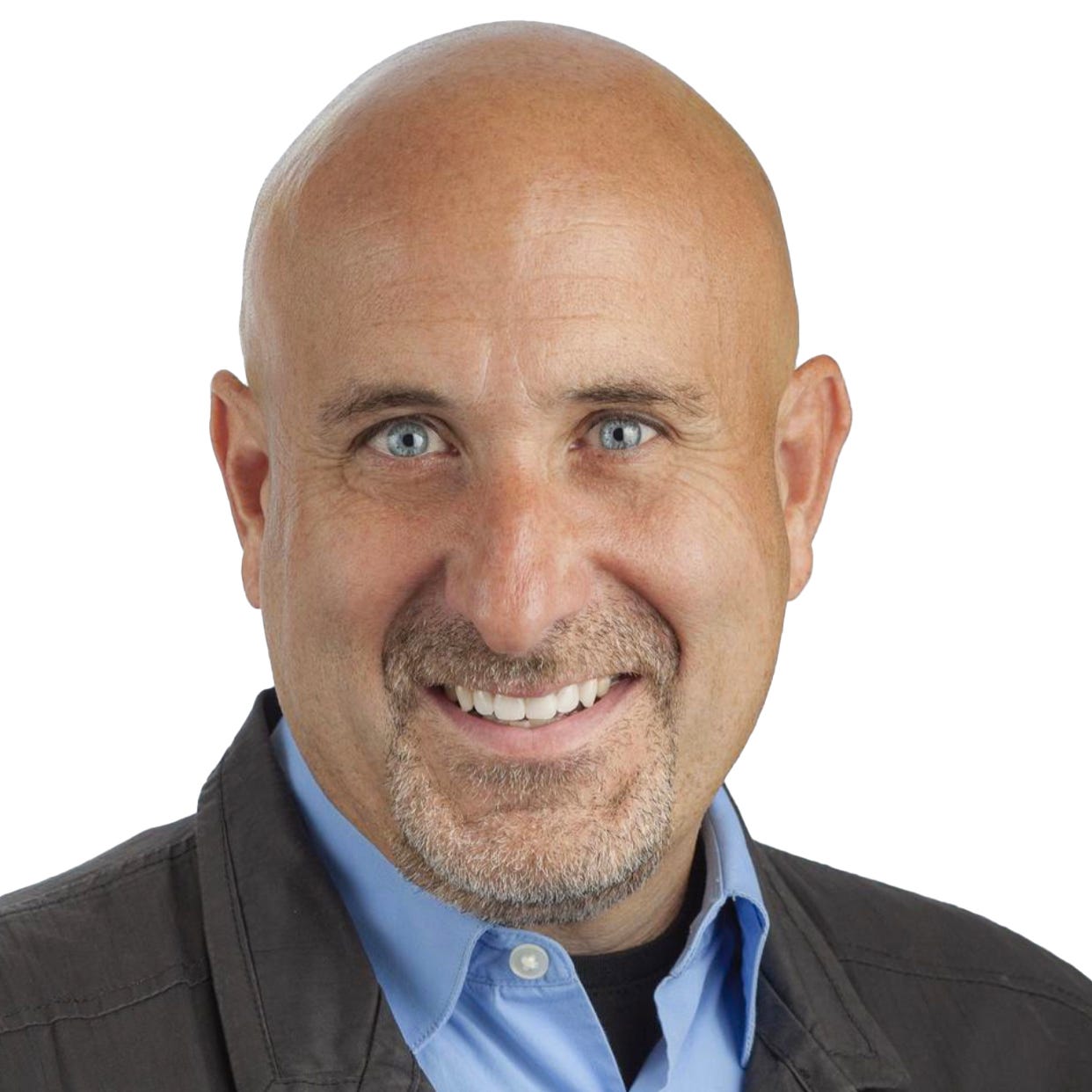
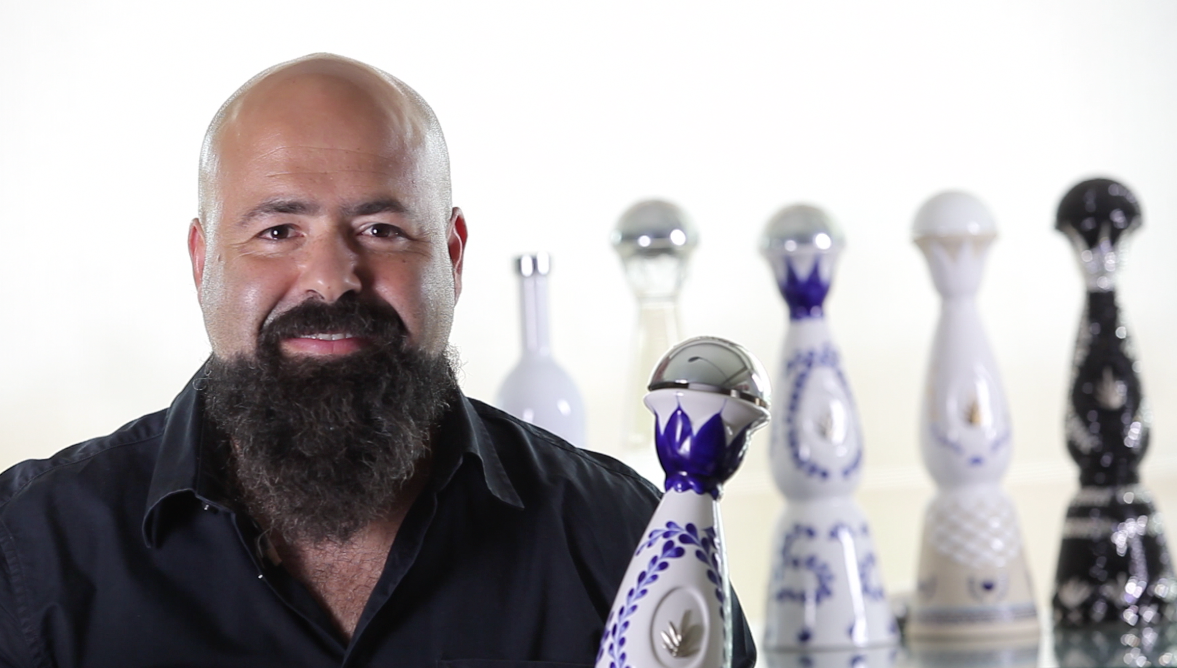
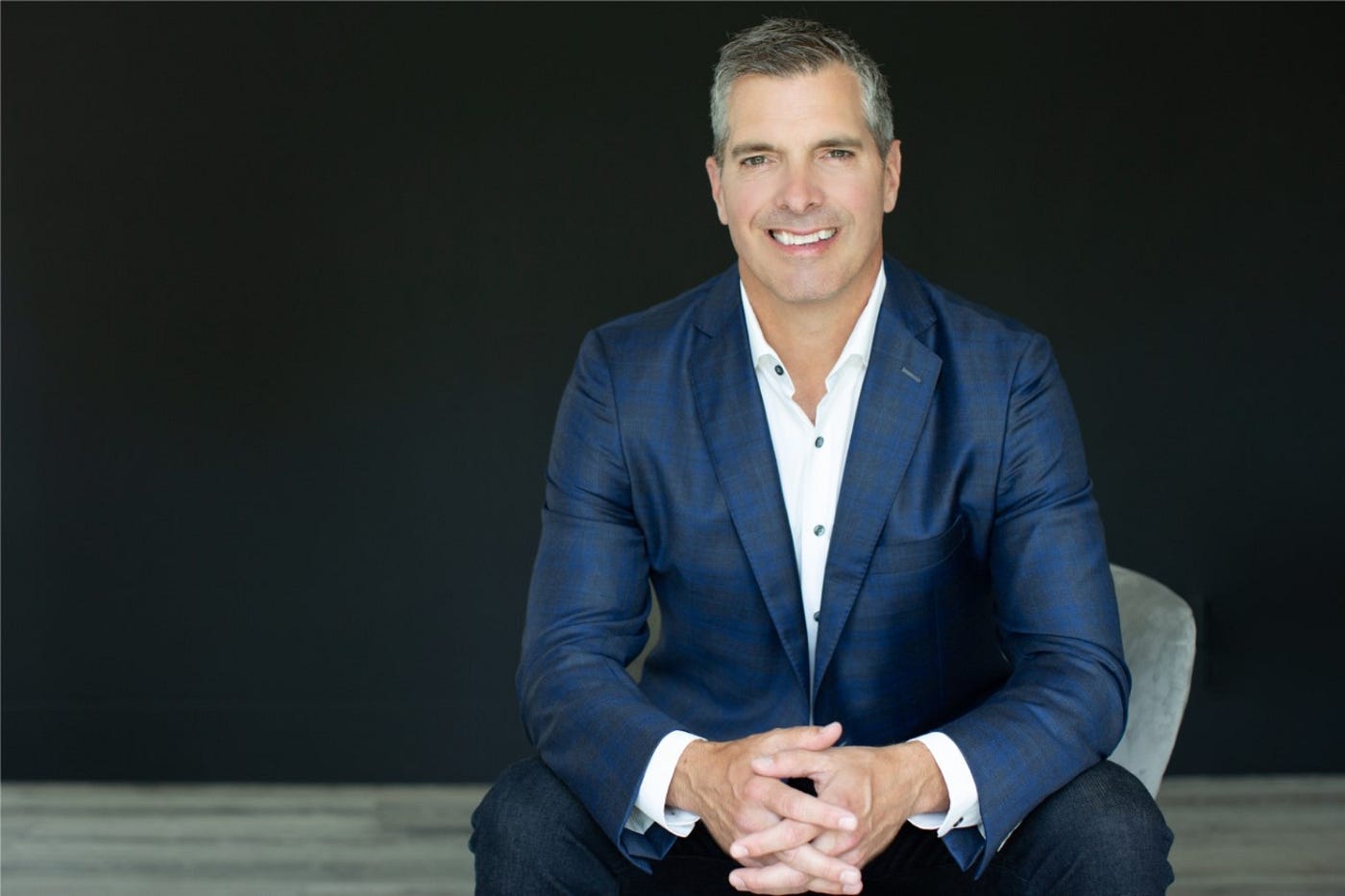
Darren Alger is the founder and CEO of Unify Consulting, a national firm of consultants who dare to uncover what matters, empower breakthroughs, and deliver with purpose. Over his 25+ years in the consulting industry Darren has kept pace with demands not only from clients but consultants. In less than a decade, he has expanded Unify across multiple markets empowering clients with growth, cloud and data solutions. Today, Darren is focused on investing in a learning culture for his people with a focus on DEIB, equipping Unifiers to show up with curiosity and generosity. He also serves as a proud member of several boards including Communities In Schools of Washington, WSU Data & Analytics, and WSU Art & Science.
Thank you for making time to visit with us about the topic of our time. Our readers would like to get to know you a bit better. Can you please tell us about one or two life experiences that most shaped who you are today?
My appendix ruptured my freshman year of high school during a cross country meet and I ended up losing 20 pounds! It gave me a lot of compassion for the health trials of others and made me realize life is precious. That’s why when the pandemic hit, it was obvious to me to tell my people to focus on their well-being and take care of their loved ones, knowing that we can get the company through anything together.
Let’s zoom out. What do you predict will be the same about work, the workforce and the workplace 10–15 years from now? What do you predict will be different?
Same: People will always want to be a part of something. They care what their company stands for and treasure the purpose, pride, and relationships they get through their work.
Different: The future of work will be more accommodating. No more big office spaces but rather ways to gather that are smaller. Flexibility will be key. Employers will need to offer options and integrated systems for teams to connect whether in person, leveraging tech, or in ways we’ve yet to imagine.
What advice would you offer to employers who want to future-proof their organizations?
Invest 2x-3x more than you think you should in training, learning, and change management. Some leaders are too focused on technology and not enough on their people and how to make adoption stick. Tech will never replace relationships.
What do you predict will be the biggest gaps between what employers are willing to offer and what employees expect as we move forward? And what strategies would you offer about how to reconcile those gaps?
With greater work flexibility comes a risk of isolation. That gap is not an individual’s problem but part of your workplace community. Train your leaders to pay attention to when your employees show the signs of needing more connection and then have them model how to create a consistent culture of belonging.
We simultaneously joined a global experiment together last year called “Working From Home.” How will this experience influence the future of work?
In the consulting world, integrating work and home is becoming acceptable. Both employees and employers are starting to open up about when they are sick rather than powering through or must balance personal priorities and manage their time creatively. There’s more time for what matters when we’re not all commuting or locked into a 9–5 routine. The pandemic proved that antiquated, rigid work systems are unnecessary, and we all benefit when leaders trust their people with their own time.
We’ve all read the headlines about how the pandemic reshaped the workforce. What societal changes do you foresee as necessary to support a future of work that works for everyone?
We’re paying more attention to essential workers with hands-on skills and that creates the need to generate solutions on the global scale. Leaders will have to think bigger about equitable wages, the role of automation and robotics, and opportunities for immigrants.
What is your greatest source of optimism about the future of work?
My C-level peers and I are investing in bold initiatives that multiply impact. We’re merging the best of tech and humanity so we can commit to sustainability and Diversity, Equity, Inclusion and Belonging (DEIB) beyond lip service. For example, our firm has committed to gender equity, and we already know the pandemic affected women differently, so we can be proactive and bring balance, which benefits our employees AND clients. These are not nice-to-haves. Our employees demand it and we believe it’s the right thing to do and we need to do it now.
Our collective mental health and wellbeing are now considered collateral as we consider the future of work. What innovative strategies do you see employers offering to help improve and optimize their employee’s mental health and wellbeing?
Mental health is health, and we need to invest in it as much as or even more than other benefits and behaviors. Start by training employees to better see signs of struggle and spaces for support in ourselves and each other. It’s no longer taboo and if we ignore it, we’ll fail. Once your people feel psychological safety and wellness, they can be more inventive and dare to take risks.
It seems like there’s a new headline every day. ‘The Great Resignation’. ‘The Great Reconfiguration’. And now the ‘Great Reevaluation’. What are the most important messages leaders need to hear from these headlines? How do company cultures need to evolve?
Show your people how to tap the leadership within themselves and task existing leaders to create the conditions around everyone so they can thrive. That kind of atmosphere will lead to the Great Breakthroughs.
Let’s get more specific. What are your “Top 5 Trends To Track In the Future of Work?”
- Build a DEIB Backbone: Commit to Diversity, Equity, Inclusion and Belonging as the core of your recruitment and retention strategies.
- Flex your geography: Build regional relationships with customers while equipping your teams to work without geographic boundaries.
- Compensate equitably: Bring it up before your employees do.
- Rules are real: Stay ahead of tax and regulatory demands, which can drain time and resources when you have to react.
- Embrace every age: Harness inter-generational strengths to get the best of everyone’s perspectives.
I keep quotes on my desk and on scraps of paper to stay inspired. What’s your favorite “Life Lesson Quote”? And how has this quote shaped your perspective?
I like the Abe Lincoln quote, “I have an irrepressible desire to live till I can be assured that the world is a little better for my having lived in it.” For all of us, we can try to leave the world a better place. Success comes down to the value we add to the lives of others.
We are very blessed that some of the biggest names in Business, VC funding, Sports, and Entertainment read this column. Is there a person in the world, or in the US, with whom you would love to have a private breakfast or lunch, and why? He, she, or they might just see this if we tag them.
I want to meet Susan Wojcicki, the CEO of YouTube. I’m so impressed with what she’s built. I’d love to hear the story behind building YouTube.
Thank you for sharing your insights and predictions. We appreciate the gift of your time and wish you continued success and good health.
About The Interviewer: Karen Mangia is one of the most sought-after keynote speakers in the world, sharing her thought leadership with over 10,000 organizations during the course of her career. As Vice President of Customer and Market Insights at Salesforce, she helps individuals and organizations define, design and deliver the future. Discover her proven strategies to access your own success in her fourth book Success from Anywhere and by connecting with her on LinkedIn and Twitter.
KM
Written by
Karen Mangia
Editor & Journalist · Authority MagazineKaren Mangia is a senior columnist at Authority Magazine covering Tech and Business, conducting primary-source Q&A interviews with founders, executives, and industry leaders.

Published inAuthority MagazineTop Lessons, Top Authorities · 42K Followers
Exclusive, curated interviews with the leaders and changemakers shaping tomorrow. Leadership lessons, industry deep dives, and executive profiles.