Instead of being an architect of buildings and structures, I became an architect of business models.
Business
Benjamin Kim of UPTIME Energy: Inside the Strategy to Disrupt the Beverage Market with an Innovative Aluminum Bottle
The CEO and serial entrepreneur shares his journey of acquiring and scaling a distressed brand, avoiding costly consulting mistakes, and building a thriving beverage enterprise.

As a part of our series called “5 Things You Need To Create a Successful Food or Beverage Brand”, I had the pleasure of interviewing Benjamin Kim.
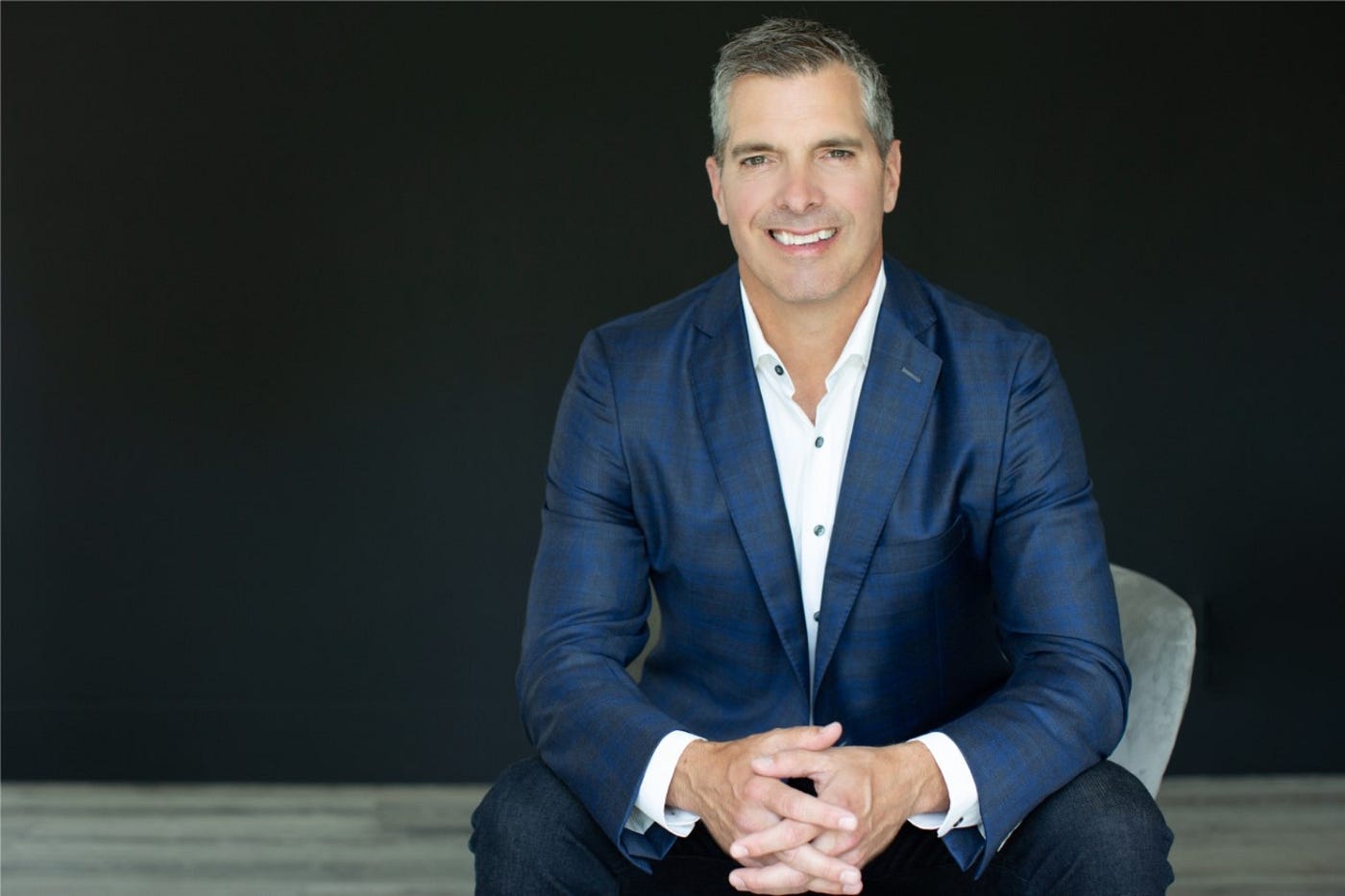
Mr. Kim serves as the Chief Executive Officer of Uptime Energy Inc. Mr. Kim, a loyal fan and daily, 35-year consumer of UPTIME Energy tablets, acquired its distressed parent company, Michael’s Apple Pie, in July of 2012. He identified the market opportunity of their ‘better for you’ energy drink which stopped production in 2009. He resuscitated their original drink; created a second sugar-free version; and built a food and beverage incubator- Drink Tank Ventures, LLC, to bring the new, rebranded drinks to market. Since its launch in July of 2014, UPTIME Energy was the first to disrupt the energy drink category with its premium, better-for-you offering. It’s also been established as the premium player today. Over the last 6 years, UPTIME has achieved a CAGR of 67%. Before he entered the CPG industry, Mr. Kim launched RebuildUS, Inc., a real estate investment platform- raising over $60mil from high-net investors and family offices. Mr. Kim acquired over 4,000 empty homes in bulk from Fannie Mae, Freddie Mac, and mortgage servicers to stabilize neighborhoods throughout the US- providing homeownership opportunities to over 2,000 families. He also founded Launchpad Communications, LLC., a direct-to-consumer marketing firm and product/service incubator where he was responsible for assembling the executive team and business models that launched and grew the company with only $20K of boot-strapped capital to creating an enterprise grossing over $30mil in annual revenue. As a serial entrepreneur, Mr. Kim has created, built, and invested in more than 30 companies over 25 years. Mr. Kim graduated from the University of California, Santa Barbara with a BA in Business Economics.
Thank you so much for doing this with us! Before we dive in, our readers would love to learn a bit more about you. Can you tell us a bit about your “childhood backstory”?
I grew up in Toronto. My father was an engineer. As early as 3rd grade, I was that “lemonade stand kid’, always trying to make money within the community. I would sell things I made, sold chocolate, raffle tickets, and baked goods, had a newspaper route, built mini-ice rinks and dirt-bike tracks each year, and charged family, friends, neighbors, and the local community to attend. I also loved art and loved to draw and found my career path leaning towards architecture. After Silicon Valley popped up on the map, our family moved to Santa Clara, CA in 1981. My passion for art and drawing evolved into a deeper passion for the ocean and surfing. I ended up applying and getting scholarships into some of the top architecture schools- Berkeley and Cal Poly, but I chose surfing and went to UC Santa Barbara on a scholarship for an unrelated major- Business Economics. I evolved into that overused term- serial entrepreneur. Instead of being an architect of buildings and structures, I became an architect of business models.
Can you share with us the story of the “ah ha” moment that led to the creation of the food or beverage brand you are leading?
First, I need to elaborate so you clearly understand my “ah ha” moment. I loved UPTIME tablets- the all-natural vitamin with 66 mgs of caffeine. Launched in 1985, it was the first to market for energy supplements and was the inspiration for many caffeinated products including Jolt Cola. It was a product that I discovered on the campus of UCSB back in 1987. The alertness, focus, and mental clarity, without the jitters or crash from UPTIME, was life-changing for me and I stopped drinking coffee altogether on day one of discovery. I need to be clear; I used to drink 2 to 3 cups of coffee every day from the age of 14. After discovery, I’ve had less than 15 cups over 35 years. I’ve done the math on UPTIME. With the natural tolerance that grew over the years, I’ve consumed over 50,000 to date. So, when I heard they were in financial distress, I jumped at the opportunity of doing diligence on the company. After understanding their demise and the potential upside, their greatest fan acquired the company. I wanted to share my passion for UPTIME with the world.
Can you share a story about the funniest mistake you made when you were first starting? Can you tell us what lesson you learned from that?
I went through a search process and found my COO, CFO, CMO, and CSO. These were four, well-known consultants with an impeccable track record in Food & Beverage. They were going to build and put UPTIME back on the map. They blew through all the cash and got nothing done. The turning point was on our packaging. They wanted a can. I wanted an aluminum bottle. They did everything they could to undermine opportunities with the bottle so we were at an impasse. I let them go. Today, we’re at $60mil and climbing on that bottle they said would never work.
What are the most common mistakes you have seen people make when they start a food or beverage line? What can be done to avoid those errors?
Avoid the dozens of consultants and so-called experts that scour the trade shows to bait you into a world of promise and upside. 9 out of 10 will disappoint you and you will end up out tens of thousands each month. One consultant can shut down your company by convincing you to go left instead of right. Find people that you can trust in the industry. Some true experts will steer you the right way for little to no money.
Let’s imagine that someone reading this interview has an idea for a product that they would like to produce. What are the first few steps that you would recommend that they take?
- Ask yourself, why do you want to do this?
- Do you have the passion, time, do-or-die mindset, and capital to launch and build your idea?
- Do a very deep dive into the space and get the following answered before investing or committing any meaningful dollars.
- Growth category? Determine whether or not the product you are pursuing is in a category that is growing or declining. If flat or declining, you may want to pass on your idea.
- Product margins.
- Does your product have healthy margins that will make it easier for you to grow, and attract capital for growth?
- Study your competition
- Who are the top three players?
- Can you build a loyal fan base of consumers?
- Determine your competitive advantage over the others and why consumers will choose your product over theirs.
- Talk to 2 or 3 current and trusted experts in the industry. There are a handful of reputable individuals in the industry.
- If you’ve taken these steps and have very positive answers, then I would proceed BUT with caution.
- Hire industry experts using industry experts (ideally the same as in 3) to help you develop, launch and grow your business.
Many people have good ideas all the time. But some people seem to struggle in taking a good idea and translating it into an actual business. How would you encourage someone to overcome this hurdle?
Yes, ideas are a dime a dozen. I’m sure many of the best ideas are still out there but never realized because the individual or group will not share their idea(s), or take the right first steps, and the ones that do, may not have the right skillsets to execute and bring their ideas to life.
I wouldn’t encourage anybody to overcome this hurdle. They MUST overcome it on their own. They can start by looking deep within themselves. They either have it or they don’t. To be successful with a new business, one must have that killer, do-or-die mindset with that irrefutable belief that they will overcome all challenges.
They also need to understand their odds. 90% of all companies fail within the first year. Another 90% of the companies that make the first year will fail over the next several years. One needs to ask themselves; do I genuinely believe I can be that 1% that will survive and be successful?
Building a company is not for everybody. It’s for a select few with the right mindset.
If you cannot build your idea on your own, the alternative is to go out and find/use experts that will help you build/realize your idea. Make sure you share your idea only with people you trust. Start by hiring an attorney; use strong one-way NDAs (Non-Disclosure Agreements), if you can, before sharing your ideas. For the ones you hire as an employee or consultants, make sure you have a PIIA (‘’proprietary information and invention assignment’’ agreement) in place.
There are many invention development consultants. Would you recommend that a person with a new idea hire such a consultant, or should they try to strike out on their own?
I would start with a trusted attorney if you have access to one. Then, I would explore 3 different invention development consultants. Have them compete for their comp packages. Make sure they sign off on an NDA before sharing the idea. I would involve a lawyer since an invention development consultant is pitched ideas multiple times per month and make a claim that their idea is not theirs. Need to check reviews, background, and references before engaging with each.
What are your thoughts about bootstrapping vs looking for venture capital? What is the best way to decide if you should do either one?
It all depends on the individual (mindset), time availability, resources, and opportunity cost. If you have the time and money to bootstrap, that is the best way to find the pros and cons and prove a product at the lowest cost. I highly recommend proving out your product, model, and markets before taking on VC so you can maximize your valuation and minimize your stake.
Can you share thoughts from your experience about how to file a patent, how to source good raw ingredients, how to source a good manufacturer, and how to find a retailer or distributor?
I use attorneys to file my patents. I find and hire true experts in the industry to help me source my ingredients and manufacturers. I would bootstrap and find local retailers that are a good fit for my product. Once there are meaningful sales within the retailer, I would find like stores within the area and replicate them. Once the volume gets to the point that it is no longer manageable through self-delivery, I would then find a local DSD or Broadline partner to support deliveries.
Here is the main question of our discussion. What are your “5 Things You Need To Create a Successful Food or Beverage Brand” and why?
NOTE: It is all about the Team more than the product but having a great product will make it easier to attract and build your Dream Team.
Here are my 5…
- RESEARCH
Due diligence on your product, category, and competition.
2. HIRE EXPERT
Must be careful here. Look for experts with a track record. 9 out of 10 will fail you so you need to get referrals to trusted experts in F&B.
Definitely helpful to develop your core ideology and vision for your company. Hire the right people as you build out your team. Read the following.
Read Built to Last by Collins and Porras.
Good to Great by Collins.
Read ‘Topgrading’ by Bradford D. Smart.
3. CREATE SAMPLE PRODUCT, PRICING MODEL & TEST.
Create a small, sample batch with a co-packer- for pilot.
Build product at the lowest cost (COGS) with volume tier breaks.
Build Competitive Pricing Model.
Build pricing model- factoring in DSD, wholesale to retail, and SRP.
Maximize product margins for each Test.
Bootstrap and test, manage and monitor your product locally with retailers.
Build strong relationships with each retailer.
Analyze sales data.
4. EXPAND SALES.
Expand test to like-stores within a local area or neighboring cities.
Keep testing within a region, if possible to keep costs down.
Add Distribution.
Determine what is right for you- DSD or Broadline.
Trade Shows.
Get a Booth in the Innovation section at Expo West.
This is the best area for new products. Lots of traffic from buyers and investors.
5. RAISE CAPITAL.
Add institutional grade capital to help grow your brand to a potential exit.
Private Equity or Venture Capital.
Ok. We are nearly done. Here are our final questions. How have you used your success to make the world a better place?
I have offered business mentoring to many entrepreneurs in the food and beverage space without any monetary compensation or expectations. Some will go on to build great brands that consumers will love.
Thank you for these fantastic insights. We greatly appreciate the time you spent on this.
Thank you! Please find UPTIME Energy online at www.uptimeenergy.com or on Instagram @uptimeenergy.
MM
Written by
Martita Mestey
Writer & ContributorContributor at Authority Magazine covering leadership, innovation, and industry insights.

Published inAuthority MagazineTop Lessons, Top Authorities · 42K Followers
Exclusive, curated interviews with the leaders and changemakers shaping tomorrow. Leadership lessons, industry deep dives, and executive profiles.