I began my career in software and technology development, then moved into leadership roles where my focus expanded from building technology to understanding how it can make people’s lives better.
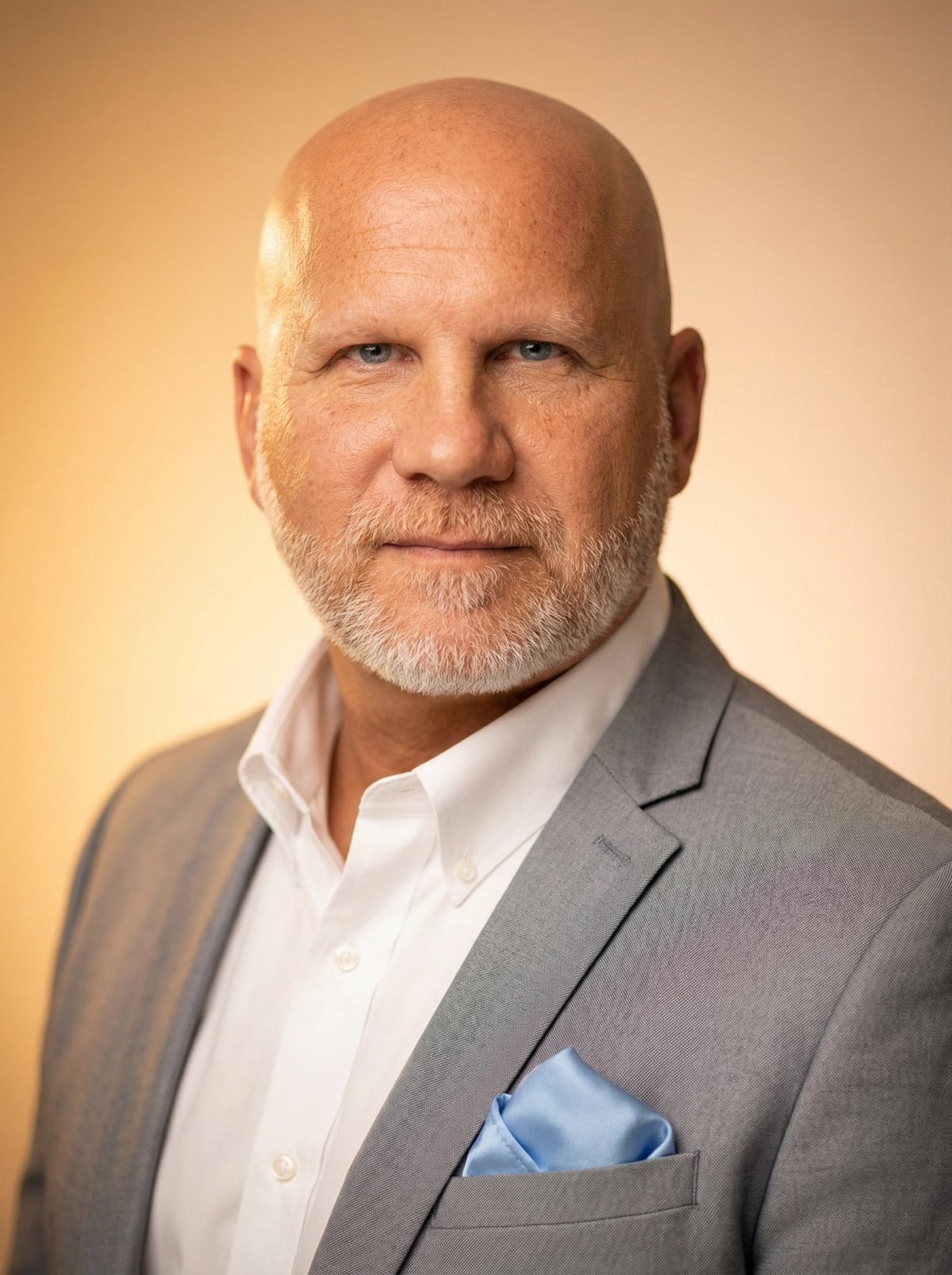
As a part of this series, we had the pleasure to interview Sudhir Sagi.
Sudhir Sagi is a technology and business leader with 25+ years of experience spanning emerging technologies, digital transformation, connected mobility, and innovation. Based in Michigan, he has held leadership roles in the automotive and technology sectors, including at Danlaw. Sudhir is passionate about leveraging technology to drive innovation and business impact and is an alumnus of the University of Michigan’s Stephen M. Ross School of Business.
Thank you so much for joining us in this interview series! Can you tell us a little about yourself?
I began my career in software and technology development, then moved into leadership roles where my focus expanded from building technology to understanding how it can make people’s lives better. Today, I work in connected mobility, developing products that bring useful automotive intelligence into everyday experiences.
CleverCharge reflects that approach. Home charging may seem straightforward, but I see an opportunity to make the experience smarter, more personalized, and easier for people to use. That’s the kind of practical innovation I enjoy leading.
What led you to this specific career path?
I began my career in engineering and software, where I learned how technology is designed and built to solve real problems. As I took on broader responsibilities, I became more interested in the bigger questions: How can technology create value for customers? How do teams turn a promising idea into a useful product? And how can the right solution make a meaningful difference in people’s lives?
Working in automotive technology shaped how I think about products. It’s not enough for a solution to look impressive in a demo; it needs to work reliably and make sense in people’s everyday lives. That perspective drew me toward product strategy and leadership. I enjoy bringing technology, business priorities, and customer needs together to create solutions that are both practical and valuable.
Can you share the most exciting story that has happened to you since you began at your company?
One of the most exciting chapters of my time at Danlaw has been helping bring CleverCharge to consumers. Danlaw has spent decades developing technology for the automotive industry, often in a business setting where the end user may be several steps away. With CleverCharge, we stepped into a more direct relationship with the people using our product at home.
What’s been especially rewarding is seeing how quickly we can learn from that connection. Customers use the charger, share what’s working and what could be better, and we can use that feedback to improve the product and experience. Building that kind of direct feedback loop has been a meaningful new chapter for Danlaw — and an exciting one for me.
What are some of the most interesting or exciting projects you are working on now? How do you think that might help people?
The most exciting work we’re doing right now is focused on solving the problems people are facing as EV adoption continues to grow. We are working to make home EV charging smarter and easier to live with. We’re looking beyond the charger itself to the full experience: helping drivers understand their charging, manage it through a connected app, and feel confident their vehicle will be ready when they need it.
We’re also exploring how vehicle data, where available, could add useful context to charging. The goal is to make the experience more personalized and reduce the guesswork around when and how to charge. If we do that well, people can spend less time managing the details and feel more comfortable making an EV part of everyday life.
You’re a successful business leader. What are three traits about yourself that you feel helped fuel your success?
Curiosity. Technology is always changing, so I try to stay curious not just about what it can do today, but what it could make possible. That mindset has shaped how we approach EV charging. Instead of asking, “How can we build another smart charger?” we ask, “How could vehicle information help us create a more useful, personalized charging experience?”
Persistence. Building technology products, especially products that combine hardware, software, connectivity, AI, and automotive systems is rarely straightforward. There are always technical challenges, compatibility issues, unexpected edge cases, and business decisions to work through. I’ve learned to stay focused, work through setbacks, and keep moving toward a solution.
Empathy for the user. Technology teams can easily become focused on what’s technically interesting. I try to bring the conversation back to what will make the product simpler, more reliable, and more valuable for the person using it.
Do you have any mentors or experiences that have particularly influenced you?
I’ve been fortunate to be influenced by a lot of different people throughout my career, both inside and outside of work. Customers have probably been some of my most important teachers. I’ve also learned a lot from trying to understand different audiences and putting myself in their shoes. Everyone experiences technology differently, and you can learn a tremendous amount by listening to those different perspectives.
How do you evaluate if users are going to “stick” to a new product or feature before you invest in building it?
I start with the problem rather than the feature. The first question is: What recurring problem are we solving, and how frequently does that problem occur? If the problem happens once a year, even a brilliant solution may not become a habit. If it happens every day or every week, there’s an opportunity to build something genuinely sticky. Then I look for evidence that users are willing to change their behavior. Interviews are useful, but behavior is even more valuable. With CleverCharge, the recurring nature of home charging creates a natural opportunity. Charging happens repeatedly, and EV owners continually need to think about range, charging timing, energy costs, and vehicle readiness. The goal isn’t to manufacture engagement. It’s to become useful enough that the product naturally becomes part of someone’s routine.
What have you found to be the most successful ways to improve the user onboarding experience and support product adoption?
The most important principle is to minimize the time between opening the box and experiencing value. Users shouldn’t have to understand the architecture of your product before they can benefit from it. With CleverCharge, we designed the experience so the charger can function as a Level 2 charger without requiring extensive configuration, while the app provides guided setup for users who want the additional smart features.
What have you observed about the relationship between user experience and product adoption?
You can have a technically extraordinary product that people don’t adopt because the experience is confusing. Conversely, a product with relatively simple technology can become extremely successful if it solves a meaningful problem in an intuitive way. CleverCharge is a good example. Underneath the experience, you’re dealing with vehicles, charging states, electricity rates, connectivity, schedules, battery information and potentially multiple vehicles. That’s complicated technology. The customer’s experience shouldn’t feel complicated.
It has been said that our mistakes can sometimes be our greatest teachers. Can you share a story about the funniest mistake you made when you were first starting?
One of my favorite mistakes was when I took a CleverCharge unit home and thought, “I know this product, I can install this.” Well, I couldn’t get it to work. I ended up bringing it back to the office and asking the team what I had done wrong. It turns out I hadn’t followed the instructions properly. Needless to say, I got a little humbled that day and learned a good lesson: sometimes you really do need to read the manual!
What do you see as the biggest mistake you can make if you want to make a product “stickier?”
I’d say confusing engagement with value. There’s a temptation to add notifications, gamification, features, dashboards, and other mechanisms designed to get people to open an application more frequently. But more engagement doesn’t always mean more value. If a product solves an important problem well, people return because they need it, not because you’ve engineered a reason for them to return. For me, true stickiness comes from usefulness, not from creating artificial engagement.
What are some strategies you’ve used to improve product adoption and user retention?
I think about adoption in three simple ways. Show value quickly, make the experience easy, and continue making the product more helpful over time.
With CleverCharge, the basic goal is to make charging easy. From there, we can use information about the vehicle through CleverKey to provide smarter alerts, range insights, and charging recommendations. The more we understand how someone uses the product, the more useful we can make the experience. Ultimately, I think the best retention strategy is pretty simple: keep earning the user’s trust by consistently being useful.

Based on your experience, what are your “5 Tricks for Creating Sticky Tech Products”?
1. Solve a recurring problem
The strongest products solve problems that people deal with regularly. EV charging is a great example because it’s something people have to think about every day. CleverCharge is designed to make that routine easier by helping with charging, vehicle information, and timely alerts.
2. Make the complicated feel simple
Technology can be very complicated behind the scenes, but the customer shouldn’t have to think about that. With CleverCharge, we want people to easily understand things like how much range they have, when their vehicle will be ready, and when they should charge. The technology should make life easier, not add more complexity.
3. Personalize the experience
People don’t just think about their devices. They think about their vehicles, their schedules, and their daily routines. CleverKey helps CleverCharge understand individual vehicles and provide a more personalized experience based on how people actually use them.
4. Use AI to make things easier
I think AI should help reduce the number of decisions people have to make, not give them more information to think about. With CleverCharge, AI can help understand driving patterns, provide reminders, and make charging recommendations. The goal is to use AI to make the experience simpler and more helpful.
5. Build trust
At the end of the day, people need to trust the products they use. That means being reliable, transparent, and honest about what the technology can and cannot do. If you consistently deliver on your promise and make people’s lives easier, trust and loyalty naturally follow.
We are very blessed that very prominent leaders read this column. Is there a person in the world or in the US with whom you would love to have a private breakfast or lunch, and why?
I’d choose Masayoshi Son, Founder, Chairman and CEO of SoftBank Group. I admire his ability to think on a very long horizon and imagine how technology could reshape entire industries. I’d love to hear how he decides which big ideas are worth pursuing and how he balances bold ambition with the discipline needed to turn a vision into lasting value. As we work to make connected mobility and EV charging more useful in people’s everyday lives, that conversation would be especially meaningful to me.
Thank you so much for the time you spent sharing these insights! We wish you continued success.