We need people who understand strategy, understand consumers, and know when to challenge what the technology is telling them.
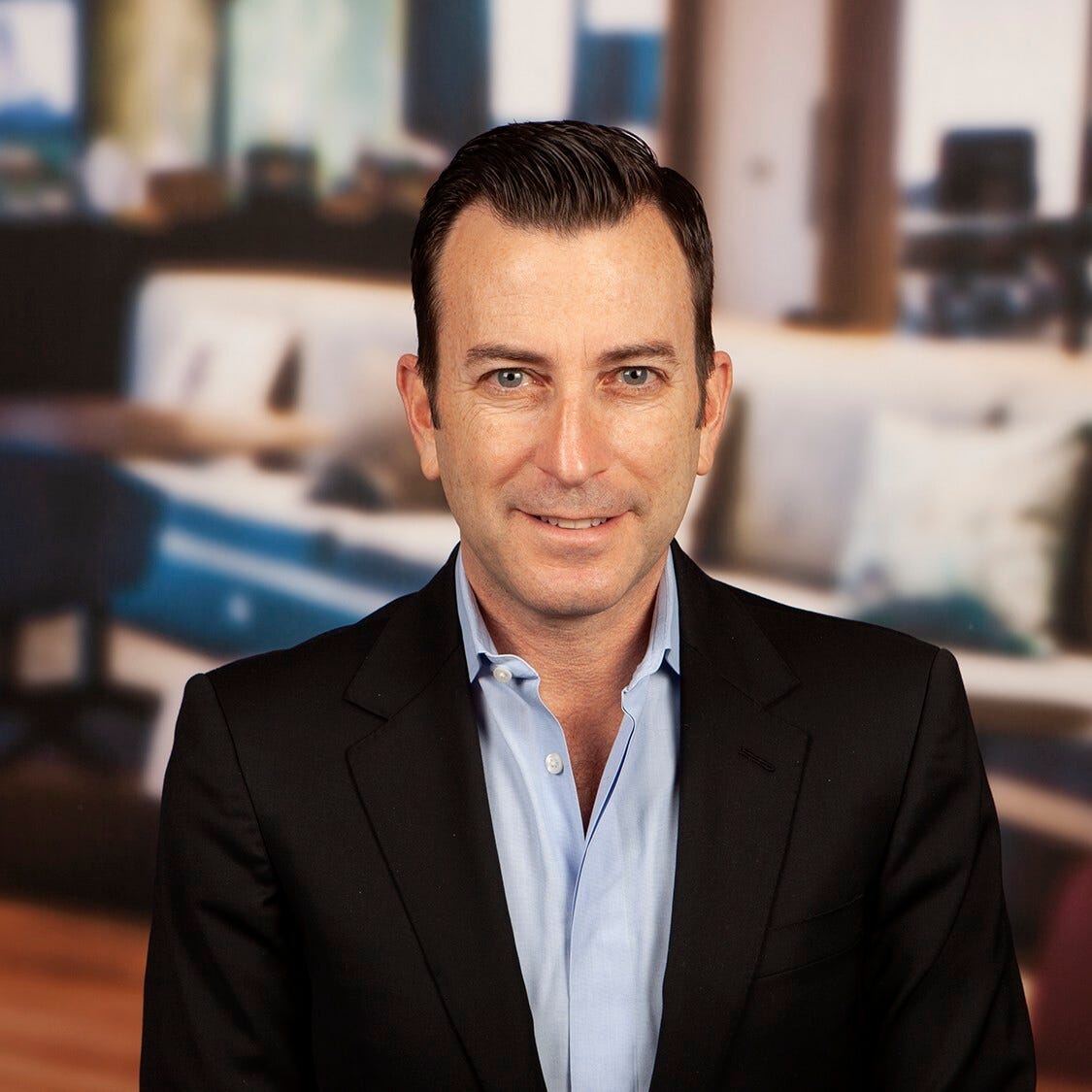
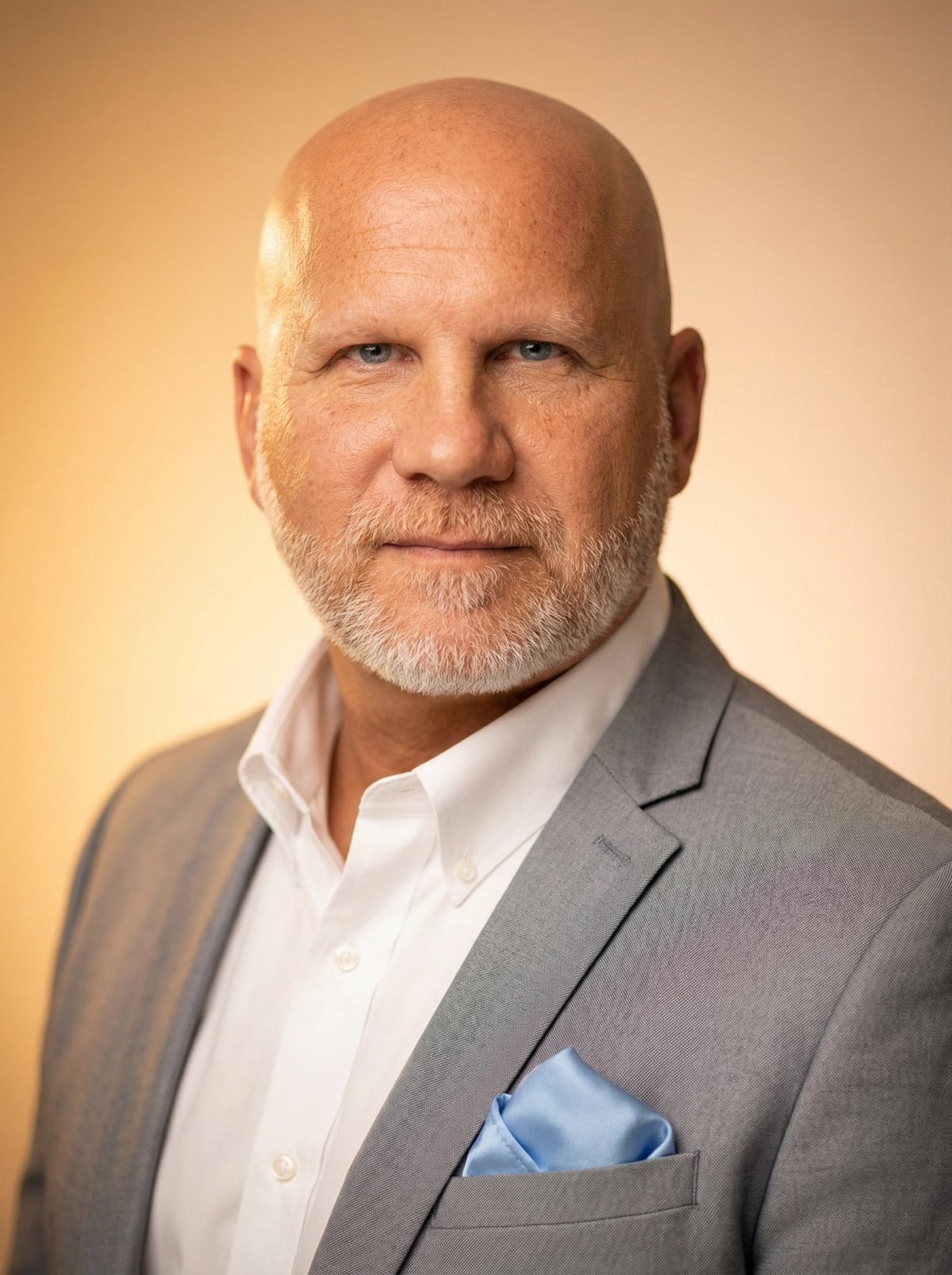
As a part of this series, we had the pleasure to interview Sean Black.
Sean Black is GM/SVP of Sales, North America at Audience Path by Dailymotion, where he led the U.S. launch and go-to-market strategy for the platform. As one of the original leaders in the digital media space, Sean brings 25+ years of experience across agencies, media, platforms, programmatic video, CTV, and advanced audience solutions. He is also the published author of The Human Signal Era. Sean’s background gives him a clear view of how brands think, how agencies plan, and how platforms deliver. He focuses on building privacy-safe audience strategies that turn real signals into activation, measurement, and business outcomes.
Thank you so much for joining us in this interview series! Our readers would love to “get to know you” a bit better. Can you tell us a bit about your ‘backstory’ and how you got started?
So, it’s a very long story to say the least. I was on the agency side for roughly 20 years. I started my career back in around 1996–97 and started with my first agency in 1998 when I was at Grey Advertising from 1998 to 2006. I had the opportunity to own my own agency for some time and then moved my way through different agencies. My last big opportunity at an agency was the head of digital investment at Dentsu across the US.
At that point, I moved on to publisher sales, thinking that the opportunity was to help those sides of the business better understand the agencies and how to navigate all those different conversations. So, I’ve been on this side of the business now for roughly about 10 or so years at least and then most recently, obviously, with Audience Path by Dailymotion.
It has been said that our mistakes can be our greatest teachers. Can you share a story about the funniest mistake you made when you were first starting? Can you tell us what lesson you learned from that?
[Laughs] I don’t know how funny it was, but I learned early on that I needed to slow down and communicate more carefully, especially in email.
A lot of times you tend to just fire things off as if you were talking, and I think it’s taken years to really start sitting back and understanding how to do that better and be able to translate what your typical voice would be into a very simple email versus rattling off like crazy. So maybe not so funny, but something that was very important to my career growth.
It’s definitely better to take your time and read your emails before you send them out.
Are you working on any exciting new projects now? How do you think that will help people?
One of the things I’m most excited about is changing how we measure the impact of connected TV. For years, traditional television was evaluated primarily on reach and GRPs. But CTV operates in a digital environment, and advertisers should expect greater accountability.
We’re working to better understand how CTV contributes to consumer behavior across other channels. Someone might see an ad on their television, encounter the brand again on social media, conduct a search, and eventually visit a website or make a purchase.
The interesting question is how those touchpoints work together and what role CTV played in driving the outcome. We’re focused on connecting those interactions through privacy-conscious measurement so advertisers have a clearer understanding of what their investments are delivering.
I think this is an important evolution for CTV. It’s no longer enough to say we reached someone. We need to understand what happened next.
Thank you for that. Let’s now shift to the central focus of our discussion. What do you believe will be the most significant technological advancements in adtech over the next five years?
Everyone wants to talk about AI, and for good reason. But I think we’re spending too much time talking about what AI does and not enough time questioning what it’s being trained to do.
The immediate value is efficiency. AI helps us analyze enormous amounts of information, identify patterns, and execute things much faster. That’s meaningful. But efficiency alone doesn’t make something intelligent, and speed doesn’t guarantee better decisions.
I think the biggest transformation over the next five years will be how we redefine the role of people in advertising.
As more of the execution becomes automated, human judgment becomes more important, not less. We need people who understand strategy, understand consumers, and know when to challenge what the technology is telling them.
The question shouldn’t be whether you have an AI platform. It should be what you’ve trained it on, how you validate its decisions, and whether it’s making your business better.
How is artificial intelligence changing the landscape of advertising technology, and what potential does it hold for the future?
I think AI is fundamentally changing how quickly we work and the volume of information we’re able to process. Look at creative. Producing multiple versions of an ad used to require significant time and money. Now AI helps teams generate and evaluate different approaches in a fraction of the time.
The same applies to audience intelligence. At Audience Path, our technology is powered by signals generated from more than five billion video streams every month. We combine those signals with contextual, search, social, and other inputs to better understand consumer interests and intent. AI helps us turn all of this information into actionable audience strategies, which we then activate across CTV and online video.
But here’s what I think people are missing. AI doesn’t eliminate the need to understand the consumer. It makes that understanding even more important. The technology should make us better marketers, not replace our ability to think like marketers.
What are the biggest challenges currently facing the adtech industry, and how can they be addressed?
[Laughs] If I had all the answers, I’d be sitting on a yacht somewhere.
I think one of our biggest challenges is that we’ve become too comfortable accepting what technology tells us.
We see a headline, hear about a new platform, or watch an AI demonstration, and suddenly everyone wants to build their business around it. We’ve lost some of the discipline of testing, learning, and challenging assumptions.
I also think we need to rethink how we develop people. Knowing how to use AI is becoming an essential professional skill, but knowing how to question AI is even more valuable. I want people on my team who aren’t afraid to challenge an idea, including mine.
We need more people willing to call bullshit when something doesn’t make sense. That’s how this industry gets better.
How do you see the role of data privacy evolving in adtech, and what impact will it have on the industry?
We still have concerns about data when we’re thinking about pharma. The same goes for Europe and GDPR. I think the use of data is going to get a little more complicated, especially when you have agencies like Publicis buying LiveRamp and making investments in large data platforms. We also know that agencies and a lot of brands are building these stacks for themselves and trying to match first-party data so they can reach the right person at the right time. I don’t know how much that will change. I think the bigger question is what consumers feel they’re giving up and what they feel they can keep to themselves.
Years ago, everyone was talking about building a platform where people could choose to make their data available and sell it. Those are interesting ideas. I just don’t think they can scale. When you look at Apple and all the changes going on there, I think the questions are what limits will be put in place to prevent data sharing and how consumers will be able to choose what they want to share.
But it all comes down to the experience, right? What I find interesting about the data conversation is that people say, “I don’t want people to have my data, and I don’t want people to know.” And then it’s like, “All right, well, then try to sign in to your bank.” You need cookies for that. What those cookies actually connect to is a whole other conversation.
So it’s about what data you’re willing to give up and what experiences you’re willing to give up, too.
Can you share a case study or example of a groundbreaking adtech innovation that has had a major impact on the market?
I think one of the most interesting innovations we’re working on at Audience Path is changing how audiences are identified in the first place.
For years, advertisers have relied heavily on first-party data, third-party segments, and lookalike modeling. Those approaches have value, but they also have limitations, especially when you’re trying to find new customers beyond the people you already know.
We built an agentic intelligence platform called RAY that analyzes signals from more than five billion monthly video streams, together with contextual, search, social, and other inputs.
From those signals, we develop audiences we call MIRRORs. What’s different is that we’re looking at consumer interests and intent reflected in the content people engage with, rather than relying exclusively on historical profiles.
We’ve been testing these approaches against more traditional audience strategies, including in pharmaceutical advertising, to understand whether they deliver additional scale while maintaining audience quality.
The early work has reinforced something I’ve believed for a long time. Better targeting doesn’t always mean having more personal information about someone. Sometimes it means understanding what they’re interested in right now.
And importantly, Audience Path doesn’t stop at audience intelligence. We activate those audiences across CTV and online video and measure the resulting outcomes.
What are the “5 Things You Need To Create A Highly Successful Career In The Marketing and Advertising Industries?”
1. Patience
One is definitely patience. It’s implied in any job, or anything that you’re doing, but patience takes time to learn and be comfortable with.
Over time, you learn how to build relationships and have conversations with clients who have all kinds of attitudes and levels of knowledge. Some have very strong personalities. Some want you to know everything about the business, and some don’t care. It depends on who you’re working with. The patience part is allowing yourself to sit back, listen, and absorb what they’re saying without feeling anxious about having to respond right away. You have to take it easy and give yourself time to go through that process.
I also think you need patience in your career. You can’t have everything today. Give yourself time to get to know the marketplace and learn step by step.
2. Mentorship
I think mentorship has tremendous value in our organization and in any company. I’ve always prided myself on making it a priority. You learn how to be a mentor from other people. When you reach a certain level in an organization, you have to come to grips with the fact that you’re working for the people on your team. They’re not working for you. That’s really important.
I learned that from some great mentors. I worked for amazing people when I was young in the industry. They believed in surrounding yourself with amazing people and having this kind of henchman mentality where you all want to come together and just kill it. I think that makes you better.
3. Be willing to get uncomfortable
One of the most important decisions I made in my career was leaving the agency world after spending nearly 20 years building relationships, learning the business, and getting comfortable on that side of the table.
I went from being the person publishers wanted to meet with to being the person trying to get those meetings.
[Laughs] That was a humbling experience.
I had to learn how to sell differently, build relationships differently, and understand the business from a completely different perspective.
But it made me better at what I do today.
I think people sometimes get so comfortable being successful in one environment that they stop challenging themselves.
Take the opportunities that scare you a little. You might find that the thing you’re most uncomfortable doing is exactly what makes you better.
4. Be humble
Humility is a funny word because it means different things to different people. I think being humble takes time and growth. It’s something that’s been drilled into me over time. You have to get comfortable with yourself, your role, and what you bring to the table, because all that anxiety just isn’t worth it. And being able to work with others with that in mind goes a lot further. I learned that by getting my ass kicked for years in different places, with different clients and different bosses. Humility goes a long way.
5. Have passion for what you do
This goes back to what I said earlier about really caring for what you do. We’re not rocket scientists building something to take you to the moon. But we’re creating things that are unique and different and creative, and when they work, they work really well. When something gets the attention you wanted or reaches a consumer in a certain way, you can feel that hum. It’s visceral. That passion is something you should always work for.
There’s a funny story from early in my career. I work in New York, and one day I was standing on a corner when a car pulled up with a Starbucks cup on its roof. I knocked on the guy’s window and said, “Hey, you left your coffee on the roof.” He said, “Really? What kind of coffee?” Without even thinking about it, I said, “Starbucks.” He handed me a $5 Starbucks gift card. It was a kind of guerrilla marketing they were doing when they were changing the cups.
I talk about it all the time because it was so unique and different. It was like they’d trained the consumer. I didn’t stop and think, “What the hell does it matter what kind of coffee it is?” I just thought, “Well, it’s Starbucks, of course.” That’s the kind of thing that’s kept me passionate about what we do all these years.
You are a person of great influence. If you could start a movement that would bring the most amount of good to the most amount of people, what would that be? You never know what your idea can trigger. :-)
I’d focus on mentorship and teaching people how to think for themselves.
I’ve been fortunate to work with some incredible people throughout my career. The best ones didn’t simply tell me what to do. They challenged me, taught me how to approach problems, and gave me the confidence to make my own decisions. I think we’ve lost some of that, especially as technology makes it easier to get immediate answers.
I want people to be curious, ask questions, challenge conventional thinking, and find something they’re genuinely excited about. If you teach someone how to think, rather than simply telling them what to think, you’re giving them something they’ll use for the rest of their lives.
And if you help someone find a career they’re passionate about, they’ll bring that excitement into every room they enter. That kind of enthusiasm is contagious.
How can our readers further follow your work online?
Yeah, they can’t. I’m a ghost. [Laughs]
Seriously, I’m pretty active on LinkedIn, where I share my thoughts on advertising, technology, AI, and how our industry is evolving.
I also wrote a book called The Human Signal Era, available on Amazon. It explores why understanding people and their behavior matters more than ever as technology becomes increasingly sophisticated.
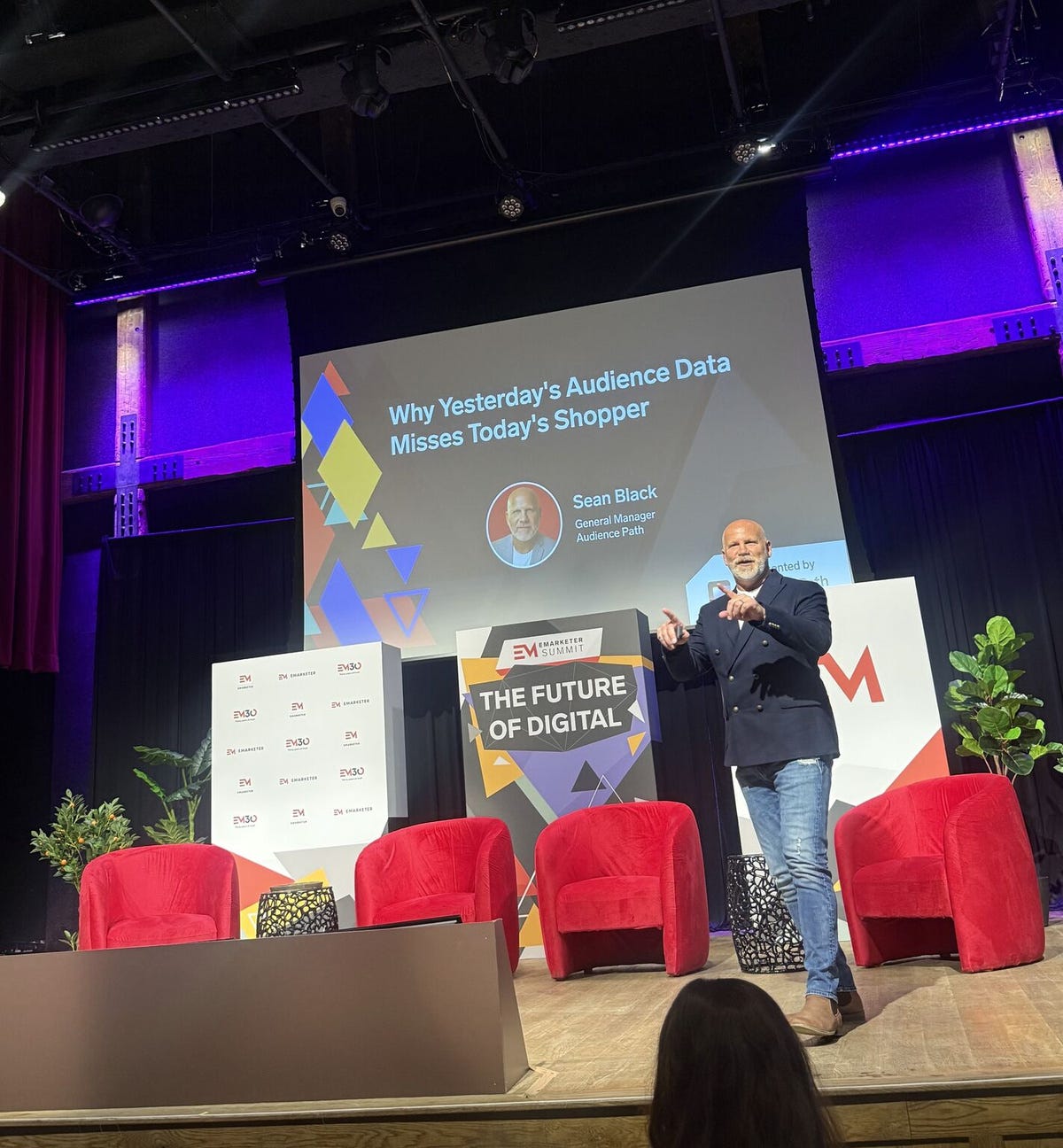
And I enjoy speaking at industry events, especially when there’s an opportunity to challenge conventional thinking and have conversations about where advertising is heading.
I’m always happy to connect with people who love this industry as much as I do.
This was very inspiring. Thank you so much for joining us!