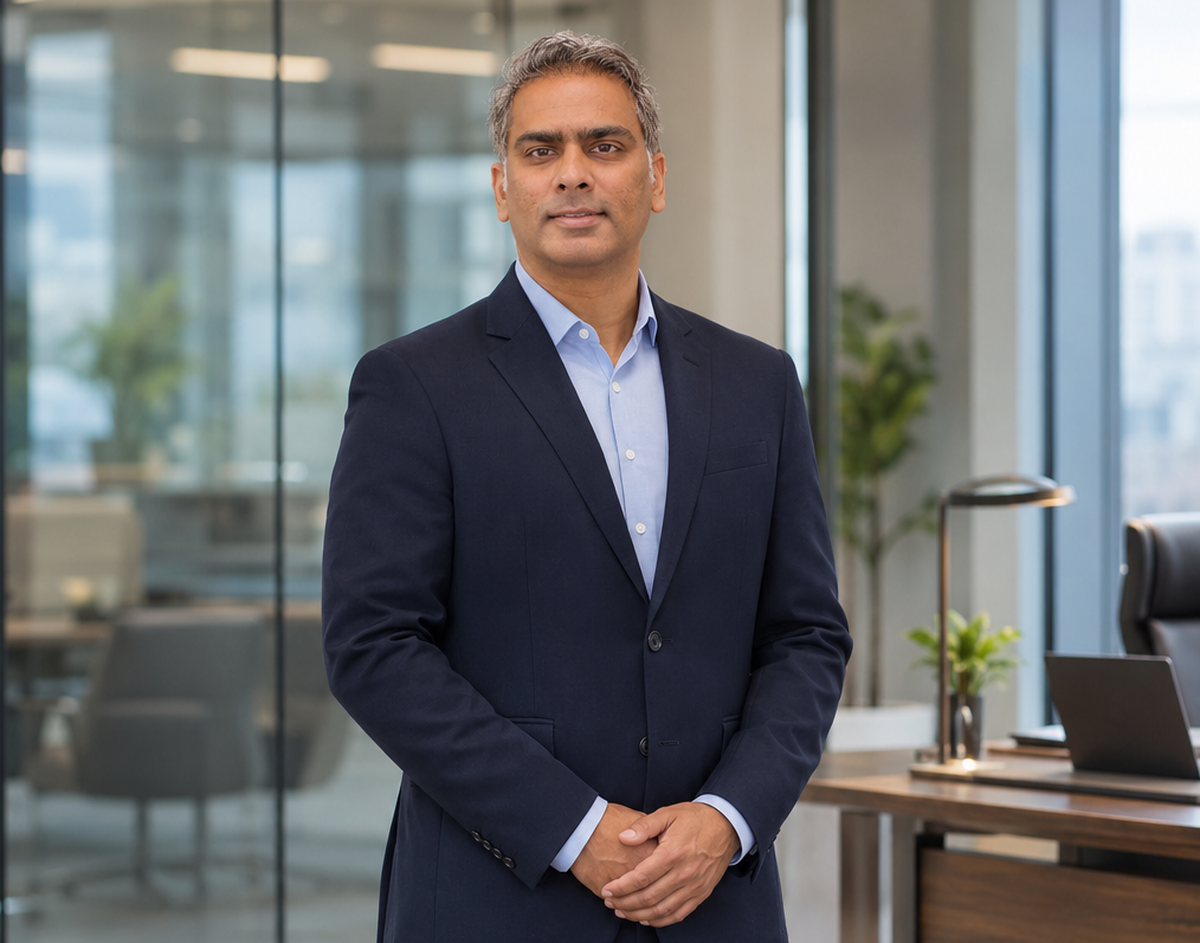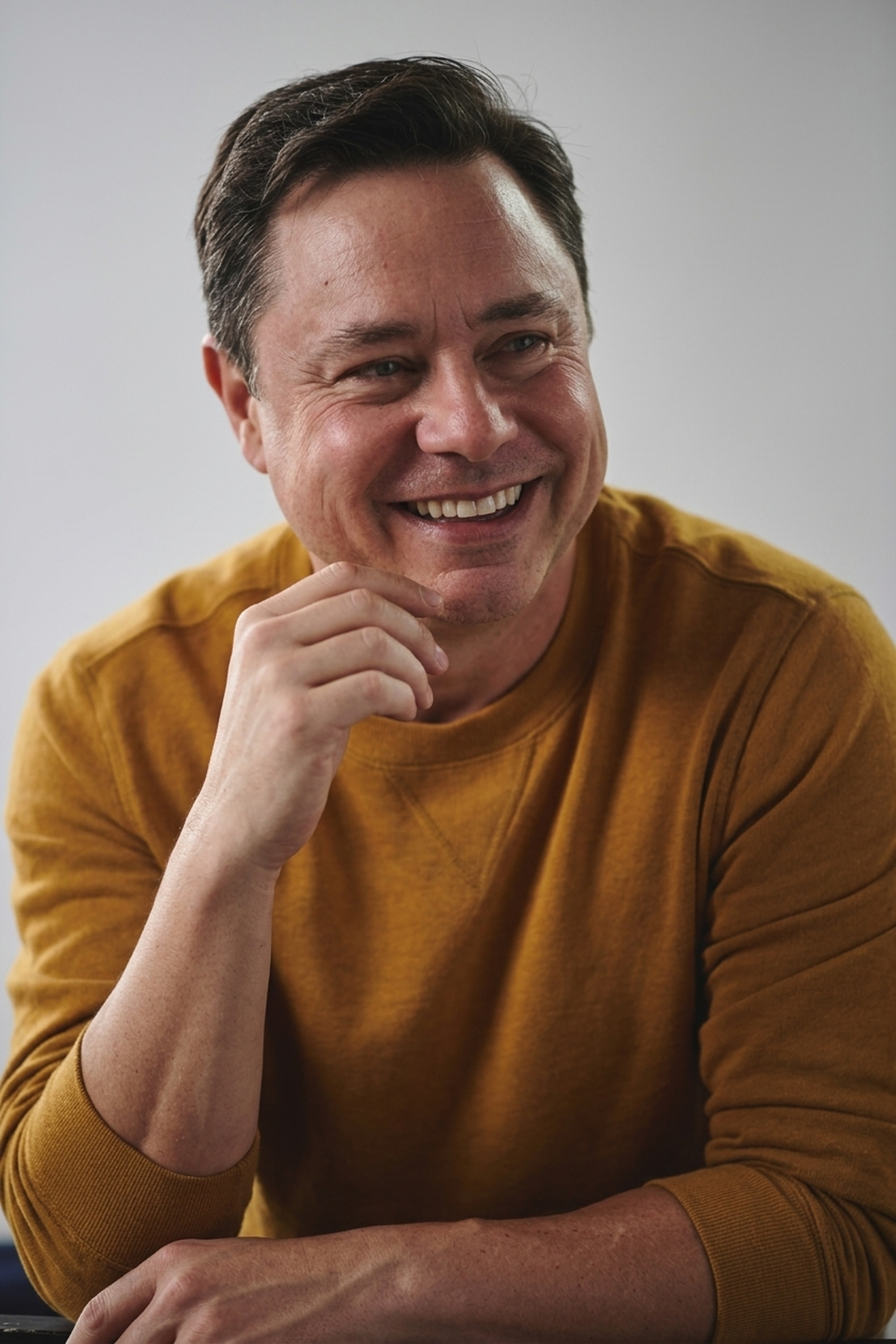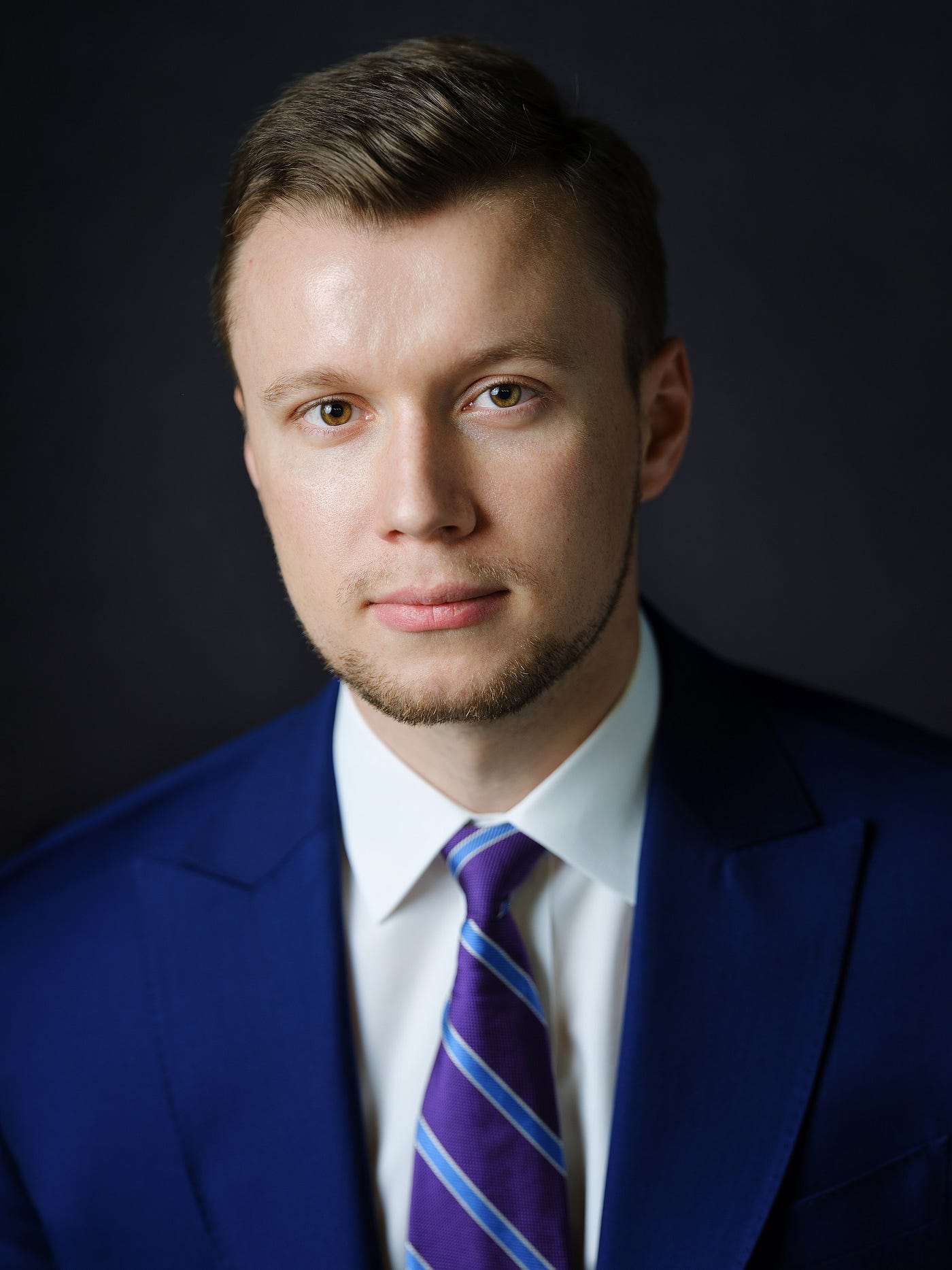
I believe that success in business requires more than setting a strategy or providing capital. This is also how I approach venture investing. For example, having invested in WHIZZ, my partners and I supported the founders operationally, helping them test and strengthen their business model before the company expanded internationally, including into New York.
In recent years, Big Tech has gotten a bad rep. But of course many tech companies are doing important work making monumental positive changes to society, health, and the environment. To highlight these, we started a new interview series about “Technology Making An Important Positive Social Impact”. We are interviewing leaders of tech companies who are creating or have created a tech product that is helping to make a positive change in people’s lives or the environment. As a part of this series, we had the pleasure of interviewing Konstantin Klyuka.
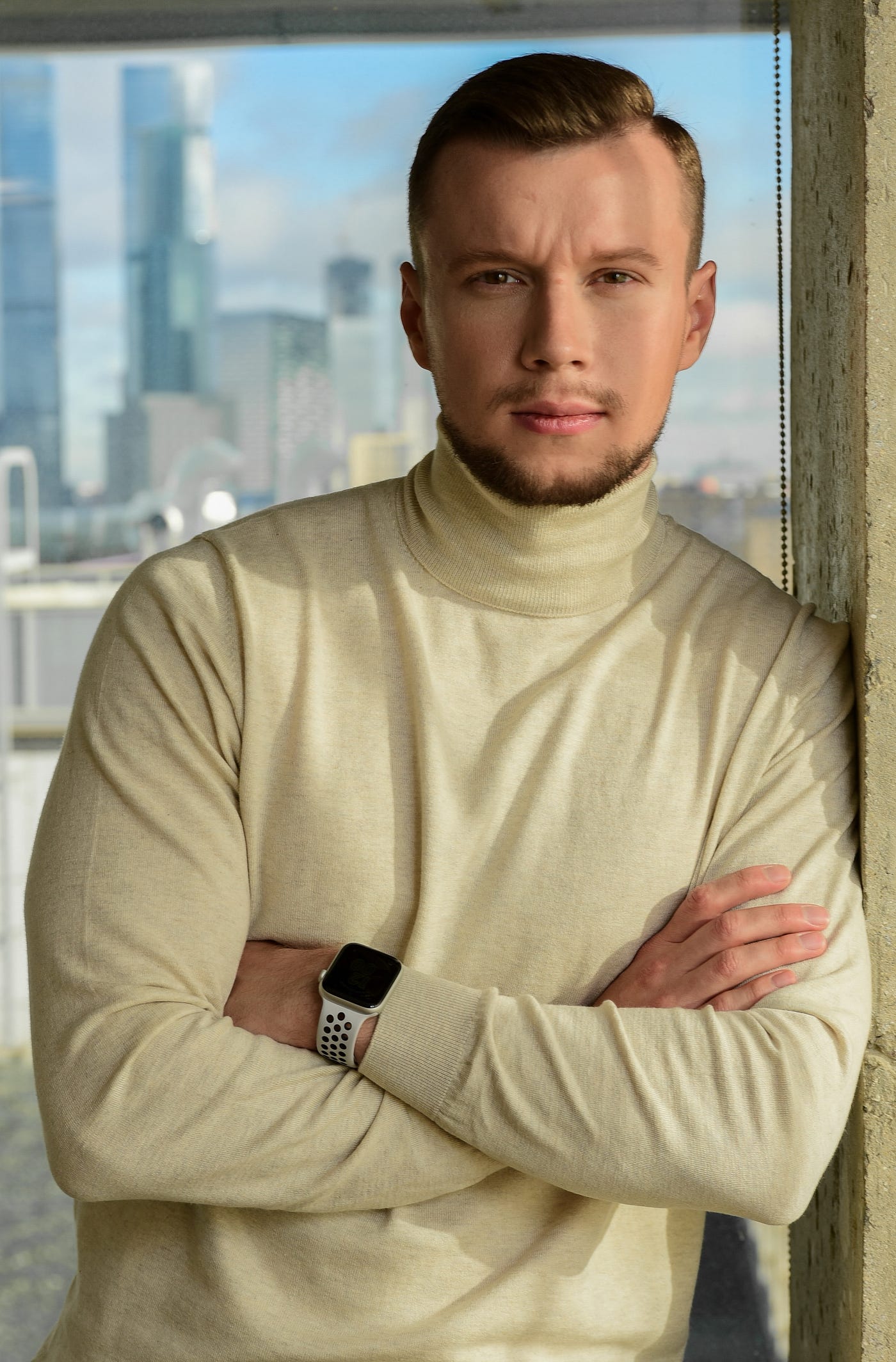
Konstantin Klyuka is a Dubai-based investor and entrepreneur with more than 15 years of experience building and developing consumer-facing businesses. His current focus is on consumer health and the growth of the healthtech sector across the GCC, particularly in the UAE.
Thank you so much for joining us in this interview series! Before we dive in, our readers would love to learn a bit more about you. Can you tell us a bit about your childhood backstory and how you grew up?
I come from a family of entrepreneurs, so business was part of my life long before I started building companies myself. I’m a third-generation entrepreneur, and I spent much of my childhood around industrial and manufacturing operations in Eastern Europe. My father and grandfather were both engineers who held leadership roles in large industrial businesses, so I grew up seeing first-hand what it takes to build and run an enterprise.
That environment shaped my understanding of business in a very practical way. I was exposed early on to the realities of running operations, managing people, making decisions and taking responsibility. Entrepreneurship was never an abstract idea or simply a career choice I considered later in life — it was something I naturally saw as part of my future.
At the same time, I always knew I wanted to build something of my own. While my family gave me an early foundation and a strong understanding of how businesses work, I was determined to develop my own path. That eventually led me to spend more than 15 years building consumer-facing businesses, particularly in the food sector, before moving into investment and focusing increasingly on consumer health and technology.
Can you share the most interesting story that happened to you since you began your career?
One particularly memorable moment in my career was in 2020, when I was recognised as one of the youngest entrepreneurs in the agribusiness industry to reach the superfinal of the Forbes–Ernst & Young Entrepreneur of the Year award. The jury could not decide between the two finalists, so an additional vote was held. I ultimately came second to the founder of a major biotech company. Although I didn’t take the overall title, the recognition was an important milestone, and I later received an industry award for Best CEO in Agribusiness.
You are a successful business leader. Which three character traits do you think were most instrumental to your success? Can you please share a story or example for each?
I would say that three qualities have been particularly important to my journey: entrepreneurial drive, a hands-on approach and adaptability.
First, my entrepreneurial drive, which I believe I inherited from my grandfather. My father is also an entrepreneur, but my grandfather and I built the business together. He is now in his nineties and has stepped away from business, but the lessons I learned from him have stayed with me.
Over the past 15 years, I have focused on developing consumer-facing companies, particularly in the food sector. That experience taught me to take ownership, make decisions and turn ideas into operating businesses.
Second, a hands-on approach. I believe that success in business requires more than setting a strategy or providing capital. This is also how I approach venture investing. For example, having invested in WHIZZ, my partners and I supported the founders operationally, helping them test and strengthen their business model before the company expanded internationally, including into New York.
Third, adaptability. I have never seen my experience in one industry as a reason to stay in that industry forever. After spending many years in consumer businesses, I began focusing more actively on investments in consumer health and healthtech. Today, I am applying what I learned about building and scaling consumer businesses to a sector where I believe there is significant potential to make innovative health technologies more accessible to people.
Let’s now shift to the main part of our discussion about the technology or medical devices that you are helping to create that can make a positive impact on our wellness. To begin, which particular problems are you aiming to solve?
I believe one of the biggest challenges in wellness and longevity today is the gap between what science and technology have already made possible and what actually reaches the consumer.
Many technologies and approaches that could have a meaningful impact on health have existed for 20 or 30 years, but they have not yet become widely accessible. This is partly because healthcare is one of the most conservative sectors, with complex regulatory systems and significant barriers to bringing new solutions to market.
Our goal is to help close that gap. We are not trying to invent entirely new medical technologies or pursue science for its own sake. Instead, we focus on commercialising existing, proven technologies and making them accessible and understandable to consumers through sustainable consumer-health businesses.
Ultimately, the problem we want to address is that too many people still cannot benefit from advances in health and wellness. We want to help make these solutions more accessible and contribute to extending not just lifespan, but healthspan — the number of years people live in good health.
How do you think your technology can address this?
I believe the answer lies in combining existing health technologies with a strong consumer-business model. We are not trying to develop entirely new medical devices or reinvent technologies that already exist. Our approach is to identify solutions that have scientific foundations, understand their potential value to consumers, and build effective ways to bring them to market.
My background in building consumer-facing businesses is particularly relevant here. I understand that even the most promising technology will have limited impact if people cannot access it, understand how it works or incorporate it into their everyday lives.
Together with my partners, I want to bridge this gap by making advances in health and wellness more accessible through products and services designed around real consumer needs.
Can you tell us the backstory about what inspired you to originally feel passionate about this cause?
Around five years ago, I started investing more actively in consumer health. Through that experience, I began to see a significant gap: many technologies and approaches with the potential to improve people’s health had existed for years, but were still not reaching consumers at scale. Healthcare is a highly conservative and regulated sector, so even established solutions can take a long time to become accessible.
My personal interest in health and physical wellbeing also plays an important role. I love sport and stay active almost every day, whether that means working out at the gym, running or doing other forms of exercise. I’m also a father of two, and it is inspiring to see my older daughter, who is 12, already achieving a lot in athletics. These experiences make health and an active lifestyle very tangible to me — not just as a business opportunity, but as something that matters in everyday life and across generations.
How do you think this might change the world?
I believe this could change the way people think about health and aging. For a long time, healthcare has largely focused on treating problems once they arise. Advances in health technology and longevity create an opportunity to shift towards a more proactive approach, helping people take better care of their health and maintain their quality of life for longer.
Many of the technologies and approaches that could support this shift are not entirely new; some have existed for 20 or 30 years. The challenge has been making them accessible to a wider audience. Our aim is to help bridge that gap by bringing established technologies to consumers through sustainable, consumer-focused businesses.
I also believe this change is about building awareness and communities around health and longevity. Together with my partners, we want to contribute to an environment where people can learn more, exchange experience and make more informed decisions about their wellbeing.
Keeping “Black Mirror” and the “Law of Unintended Consequences” in mind, can you see any potential drawbacks about this technology that people should think more deeply about?
I think we need to be careful not to turn longevity into a race to live longer at any cost. As health technologies advance, there will be important questions around safety, regulation, accessibility and how responsibly these solutions are brought to market.
One risk is that the promise of longevity could get ahead of science. In health and wellness, there is already a lot of hype, and not every product marketed as innovative is necessarily effective or sufficiently researched. That is why I believe we should focus on established technologies, scientific evidence and responsible practices rather than chasing every new trend.
Another concern is inequality. If advances in health technology are available only to wealthy people, they could widen the gap between those who can afford to invest in their health and those who cannot. Making these solutions more accessible should therefore be part of the conversation from the beginning.
We should also remember that technology is only one part of the picture. Sleep, physical activity, nutrition and social connection remain fundamental to wellbeing. We should use innovation to support healthier lives, not create the impression that technology can replace the basics.
Based on your experience and success, can you please share “Five things you need to know to successfully create technology that can make a positive social impact”?
1. Start with a real problem, not with technology.
Technology only creates value when it solves a problem that matters to people. One of the key lessons I have learned throughout my career is that you need to understand the customer before developing the solution. In consumer health, for example, I see a clear need to make advances in health and longevity more accessible to ordinary people. The starting point should be the gap between what is already possible and what consumers can actually benefit from.
2. Make innovation accessible and easy to adopt.
Even a promising technology can have limited impact if people cannot access it, understand it or incorporate it into their lives. This is one of the reasons I became interested in consumer health. Many technologies and approaches with potential health benefits have existed for decades, but regulatory barriers and the conservative nature of the healthcare sector have slowed their adoption. I believe there is a major opportunity to bridge this gap by applying the experience and principles of consumer businesses to health technologies.
3. Build on evidence and focus on responsible innovation.
Especially in healthcare, it is important not to confuse something new with something effective. There is a lot of hype in the wellness and longevity space, and not every innovation is supported by sufficient evidence. My approach is to focus on technologies with an established scientific foundation rather than chasing novelty for its own sake. Healthcare regulation can sometimes slow progress, but it also plays an important role in protecting consumers. Responsible innovation means respecting that balance.
4. Combine different areas of expertise.
Meaningful innovation rarely happens in isolation. It often requires people with different backgrounds to work together. My own experience is primarily in building consumer businesses and investing, rather than developing medical technologies. That is why partnerships are so important. Combining complementary expertise allows us to approach a complex sector from different perspectives and build something that can work in the real world.
5. Think about long-term impact, not just short-term commercial success.
A technology with positive social impact should create value beyond the immediate transaction. In health and longevity, our ambition is to contribute to extending healthspan — the number of years people can live actively and in good health. We also want to help build a community around consumer health and longevity in the UAE, where people can exchange knowledge and make more informed decisions about their wellbeing. For me, that is an important part of creating lasting impact: building not only a business, but also awareness and a culture that can benefit people over time.
In your opinion, what is the most transformative healthtech innovation you believe is still undervalued? What do you think its real-world impact will be in the next 5 years?
I would say that one of the most undervalued opportunities is the ability to make existing health technologies and scientific advances genuinely accessible to consumers. We often focus on spectacular breakthroughs or entirely new inventions, but I believe there is enormous potential in technologies that already exist and simply have not reached their full audience.
Over the next five years, I expect to see a gradual shift towards a more proactive approach to health. People will become increasingly interested in understanding their health, maintaining their physical and mental wellbeing, and extending their healthspan rather than focusing exclusively on treating problems when they arise.
Where do you see the biggest gap between what consumers think improves their health…and what the data actually shows? In your opinion, how can tech bridge this divide?
I think one of the biggest gaps is between the desire for quick results and the reality that long-term health is built through consistent habits. People can be attracted to the latest wellness trends or products promising dramatic improvements, while sometimes overlooking the fundamentals: physical activity, nutrition, sleep and a sustainable lifestyle.
As I said, I am personally very interested in sport and physical wellbeing. That experience reinforces my belief that technology should support healthy habits rather than create the illusion that there is a shortcut to good health.
What’s the biggest barrier slowing down healthtech innovation right now? Regulation, adoption, clinical validation, or something else? And what’s the smartest way to solve it?
I would put regulation and the conservative nature of the healthcare sector among the biggest barriers. Healthcare is understandably more cautious than many other industries because people’s health and safety are involved. Every market also has its own regulatory framework, which makes bringing solutions to consumers across different countries particularly challenging.
At the same time, this caution can slow down the adoption of technologies that already have a scientific foundation and have existed for many years. We should not confuse responsible regulation with resistance to progress.
I believe the smartest approach is to build stronger collaboration between businesses, the scientific and medical communities, and regulators. We need proper validation, transparent communication and responsible commercialisation. In our own plans in the UAE, we see collaboration with local academic and scientific institutions as an important part of developing the consumer-health ecosystem.
If you could tell other young people one thing about why they should consider making a positive impact on our environment or society, like you, what would you tell them?
I would say that making a positive impact does not necessarily mean inventing something revolutionary or starting with a grand mission to change the world. Sometimes it begins with identifying a problem that matters to you and finding a practical way to solve it.
My own career has taught me that entrepreneurship is about turning ideas into something that creates real value for people. You do not have to be a scientist to contribute to scientific progress, for example. You can bring business experience, investment, operational expertise or the ability to connect people and make existing solutions more accessible.
How can our readers further follow your work online?
You can find me on Linkedin — feel free to connect!
Thank you for these fantastic insights! We wish you continued success with your important work.
About The Interviewer: Saul Marquez started out selling spine implants for Stryker and left an executive role at Medtronic to build Outcomes Rocket, a healthcare strategy and full service marketing agency. Twenty years in healthcare and 2,300+ interviews later, his conviction is simple: success in healthcare isn’t luck, it’s algorithmic, and it’s still a relationship game. Learn more at outcomesrocket.com