When male drivers failed to qualify for the finals, fans, sponsors, and fellow racers focused on how they could mount a comeback. When women had a bad run, the same people would often say she doesn’t have what it takes and that she should quit the sport.
As a part of my series about the “5 Things You Should Do to Optimize Your Wellness After Retirement” I had the pleasure of interviewing Renee Gracie.
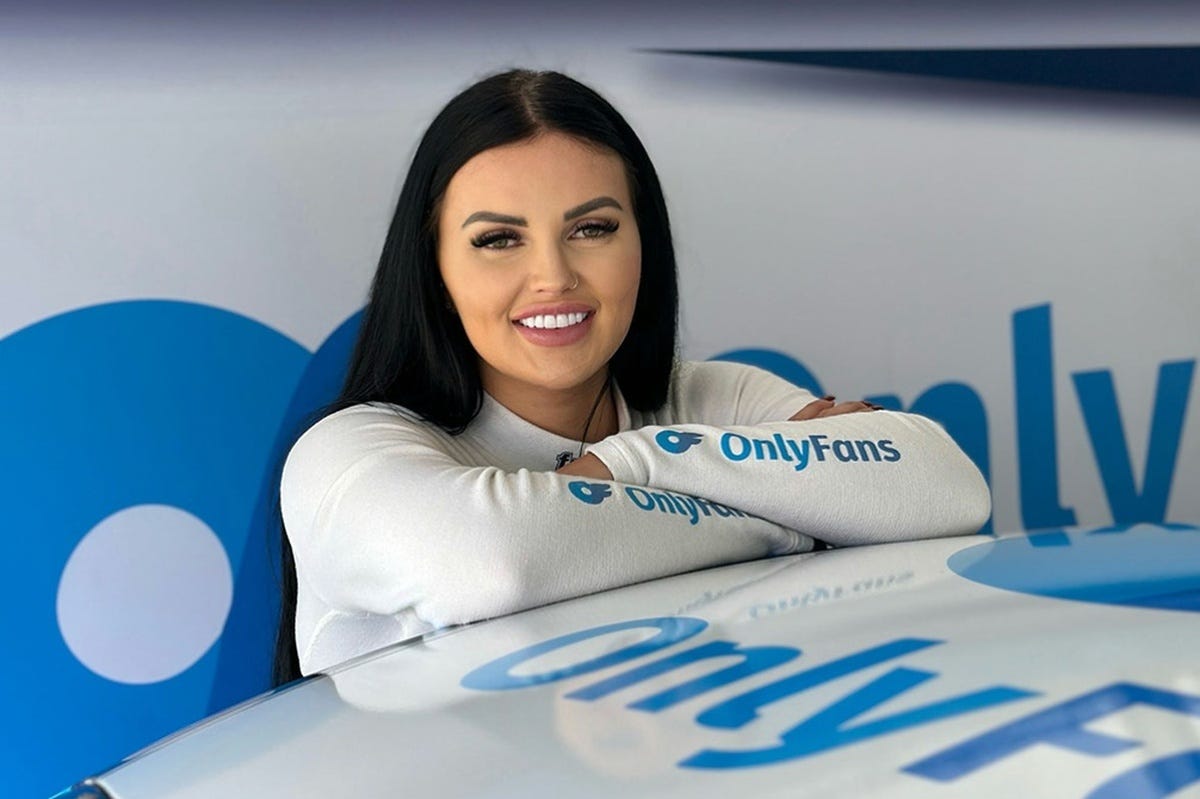
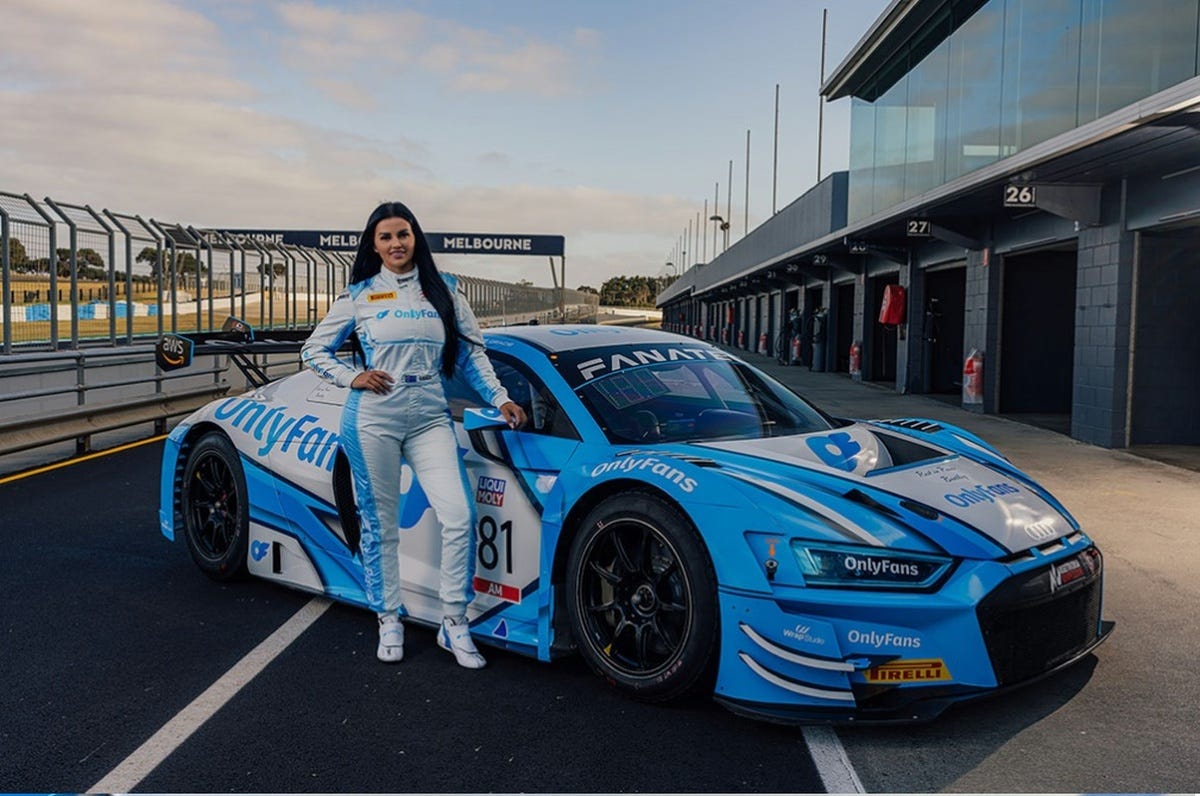
Renee Gracie is a racing driver, entrepreneur, and digital creator who achieved financial independence, allowing her to return to motorsport on her own terms. Today, she races a Ferrari — and wins. Renee began racing at an early age, progressing through the motorsport ranks to become the first woman to compete full-time in Porsche Carrera Cup. She later moved into Supercars, competing in the Super2 Series and twice contesting the Bathurst 1000. Motorsports can be a difficult sport for women to compete in. Despite her determination, Renee stepped away from the sport to build a lucrative digital business and personal brand. Her entrepreneurial success gave her the resources and freedom to return to the sport she loved, with greater control over her career. She returned in 2023 and immediately won the GT3 Trophy Championship. In 2025, she captured the GT World Challenge Am Championship with seven victories in ten races. She then advanced to Pro-Am competition in a Ferrari 296 GT3. In 2026, she and co-driver Will Davison secured an outright GT World Challenge victory, adding another milestone to her comeback. Renee’s ambition and entrepreneurship continue to support her as she wraps up another successful racing season.
Thank you so much for joining us in this interview series! Before we dig in, our readers would like to get to know you a bit more. Can you tell us a bit about your childhood “backstory”?
I’m proof that an ordinary childhood can lead to an extraordinary life. I grew up like any other kid, with school, sports, sleepovers, and the like. I am the youngest of two children, with a sister who, despite my best efforts, has no mind for motorsports, though she does her best to support me.
Can you tell us the story about what led you to this particular career path?
My passion for racing began on the last day of a family vacation. My father and I still disagree on exactly how we ended up at that go-kart track. What I remember is that my mother and sister wanted to do something I didn’t, and — since I was always a bit of a tomboy — my father thought it was normal to bring his daughter to a nearby go-kart track. Neither of us could have thought that when we exited the track parking lot, I had found something I wasn’t ready to leave behind. There was no grand plan to drive at 180 miles per hour, just a go-kart track, a chance to take a few laps, and then the feeling that I wanted to do it again. Somewhere in that first taste of racing, a vacation diversion became something much bigger. Dad may have taken me to find something to do for the afternoon, but I had discovered something I didn’t want to stop doing. From that point, I started karting despite being a rank amateur. My father and I learned the sport as we went, not knowing the path that lay ahead. We hit many hurdles because I was female, but I had found my passion. My parents acknowledged that passion for my thirteenth birthday, when they bought me my first go-kart.
Can you share the most interesting story that happened to you since you began your career?
What I’ve found interesting is how people have supported me, simply because I’ve remained focused on my dream. Every career is someone’s narrative arc that’s filled with triumph and heartbreak. I never expected to have amassed a circle of caring friends and family who have supported me — even when I decided to take a break from racing. There were times when I believed I was facing challenges alone, only to realize that I had more people supporting me than I could count.
You are a successful business leader. Which three character traits do you think were most instrumental to your success? Can you please share a story or example for each?
The first trait is persistence — persistence pays. When I was younger, I just wanted to race, but being female posed a long list of hurdles for my father and me. I’ve faced sexism on the track since I was a pre-teen, and sexism is pressure — pressure to “act like a girl,” pressure to “let the boys have their fun,” and pressure just to quit. I’ve transformed these pressures into persistence.
The second trait is competitiveness — cultivate a love of competition. Doing so keeps your eyes on the prize and forces you to find workarounds when things get difficult. Once I started winning races, I was able to hire a full-time mechanic — one who was well-respected in the paddock. Hiring him proved to my competitors that I was a force to be reckoned with, and instilled a new sense of confidence in my driving.
The third trait is passion — you can’t succeed in a field you don’t love. I may be winning more races, but I am always watching and learning so I can be the best driver I can be. Nothing compares to being behind the wheel of the Ferrari. When I am on the track, the lights, the roar of the engine, and the need for speed make me lock in.
Can you help articulate a few of the biggest obstacles or challenges you’ve had to overcome while working in a male-dominated industry?
A woman behind the wheel of any race car can be intimidating for some. When I started racing go-karts, my father was my mechanic. Some people wouldn’t lend him tools, even though racing teams often helped one another by lending tools. My father and I struggled to purchase spare parts, and even new engines, because some felt that selling us hard-to-find parts and components would have been wasted on a girl. Later on, finding sponsors always seemed harder than it had to be, simply because many brands weren’t willing to take a chance on a young woman. Finally, it always seemed the bar was set unreasonably high for a female racer. When male drivers failed to qualify for the finals, fans, sponsors, and fellow racers focused on how they could mount a comeback. When women had a bad run, the same people would often say she doesn’t have what it takes and that she should quit the sport.
Can you share a few of the things you have done to gain acceptance among your male peers and the general work community? What did your female co-workers do? Can you share some stories or examples?
In my sport, acceptance is earned on the track. I tried other paths to acceptance earlier in my career, and they all led to a dead end. Those dead ends told me that I had to step back from racing and reorganize my approach to motorsports. If I was going to succeed, I had to chart my own course. During my break from racing, I realized I could tolerate the casual sexism at the track, but vying for sponsorship required more than tolerance; I needed to get creative. That’s when I realized that expanding my D2C business on OnlyFans would enable me to return to racing on my terms. I already understood how the platform operates and what it took to cultivate a high number of subscribers. I had created a lucrative side gig; I continued to grow my followers and subscribers, and was about to have OnlyFans as my main sponsor to support my motorsport career.
What do you think male-oriented organizations can do to enhance their recruiting efforts to attract more women?
While women’s sports in general have enjoyed widespread recognition, motorsports remains one of the final bastions of male dominance. I find this peculiar, since there are no inherent physiological barriers preventing women from competing equally with men at the highest levels of motorsports. Comprehensive, multi-year studies explicitly contradict the traditional stereotype that female drivers lack the physical stamina, intelligence, or strength required to control top-tier race cars safely and effectively.
Based on your opinion and experience, what are the “Five Things You Need To Thrive and Succeed as a Woman In a Male-Dominated Industry?” (Please share a story or example for each.)
1. Invest in yourself
The first requirement is more than merely confidence; it’s a willingness to invest in yourself by staying on top of industry trends and new developments. I practice harder and study the art of racing longer than most drivers.
2. Bring your whole self to the workplace
Second, bring your whole self to the workplace. I wasn’t shy about my OnlyFans site when I returned to racing — and being authentic about who I was and how I funded my comeback led to OnlyFans sponsoring my Ferrari 296 GT3. It also led to partnering with two-time Bathurst 1000 winner Will Davison, who is my co-driver.
3. The best defense is a good offense
The third requirement is to realize that the best defense is a good offense. Developing a thick skin isn’t enough for women; we need to be the best at what we do so that when an inevitable sling or arrow is cast our way, we can remind ourselves and others that we’ve earned our place at the table or on the track. I still receive an occasional barb from a fan or a competitor, but I can deal with it knowing that I won the 2025 Am Cup class championship, which led me to compete in the higher-tier Pro-Am class.
4. Love what you do
My Fourth requirement is to love what you do. Life is too short to spend your days in an occupation that doesn’t satisfy your basic needs. I didn’t realize how much I loved racing until I left the sport.
5. Have a vision and protect it
Fifth, and most important, is to have a vision, and don’t let anyone talk you out of it. Only you can plot a course toward professional happiness. I have been told that women shouldn’t race more times than I can remember. I have been told that there’s no room on the track for someone who funded their comeback through OnlyFans. Nonetheless, I persisted because I had a vision for what I wanted to achieve. The only person who can alter that vision for success is me.
If you had a close woman friend who came to you with a choice of entering a field that is male-dominated or female-dominated, what would you advise her? Would you advise a woman friend to start a career in a field or industry that’s traditionally been mostly men? Can you explain what you mean?
Motorsports is not for the faint of heart, and not just because you’re driving at high speeds. The pressure can be twofold if you’re a woman. Male-dominated fields are, in many ways, the last bastion of the Boys’ Club; I would counsel women to commit to beating the naysayers at their own game — don’t just enter the field; strive to win.
We are very blessed that some very prominent names in Business, VC funding, Sports, and Entertainment read this column. Is there someone in the world, or in the US, with whom you would love to have a private breakfast or lunch, and why? He or she might just see this if we tag them.
The works of Simon Sinek have become a cornerstone in my professional and personal life. I started with his TED talks and graduated to his written works. His human-centered leadership frameworks illustrated to me that my work ethic and desire for success were both valid and attainable. Simon’s “purpose over profit” approach to achieving one’s goals resonated with me. Aggressive, numbers-first leadership may fund a race car or a startup business, but it’s passion and a willingness to trust one’s instincts that win races on or off the track.
Thank you so much for the time you spent on this. We wish you continued success!