When someone returns, they aren’t starting over. They can work on deeper challenges they weren’t ready to face the first time. Recovery is a lot like peeling the layers of an onion.
The current state of the mental health system is a conversation that echoes in the halls of policy-making, the corners of social advocacy, and within the private struggles of individuals and families. As we continue to witness an unprecedented need for robust mental health support, the shortcomings of the existing system become more glaring. It is within this backdrop that we seek the insight of those who are at the forefront of behavioral health. In this interview series, we are talking to behavioral health leaders, policymakers, mental health practitioners, advocates, and reformers to share their perspectives on healing our broken mental health system. As a part of this interview series, we had the pleasure of interviewing Nicholas Howell.
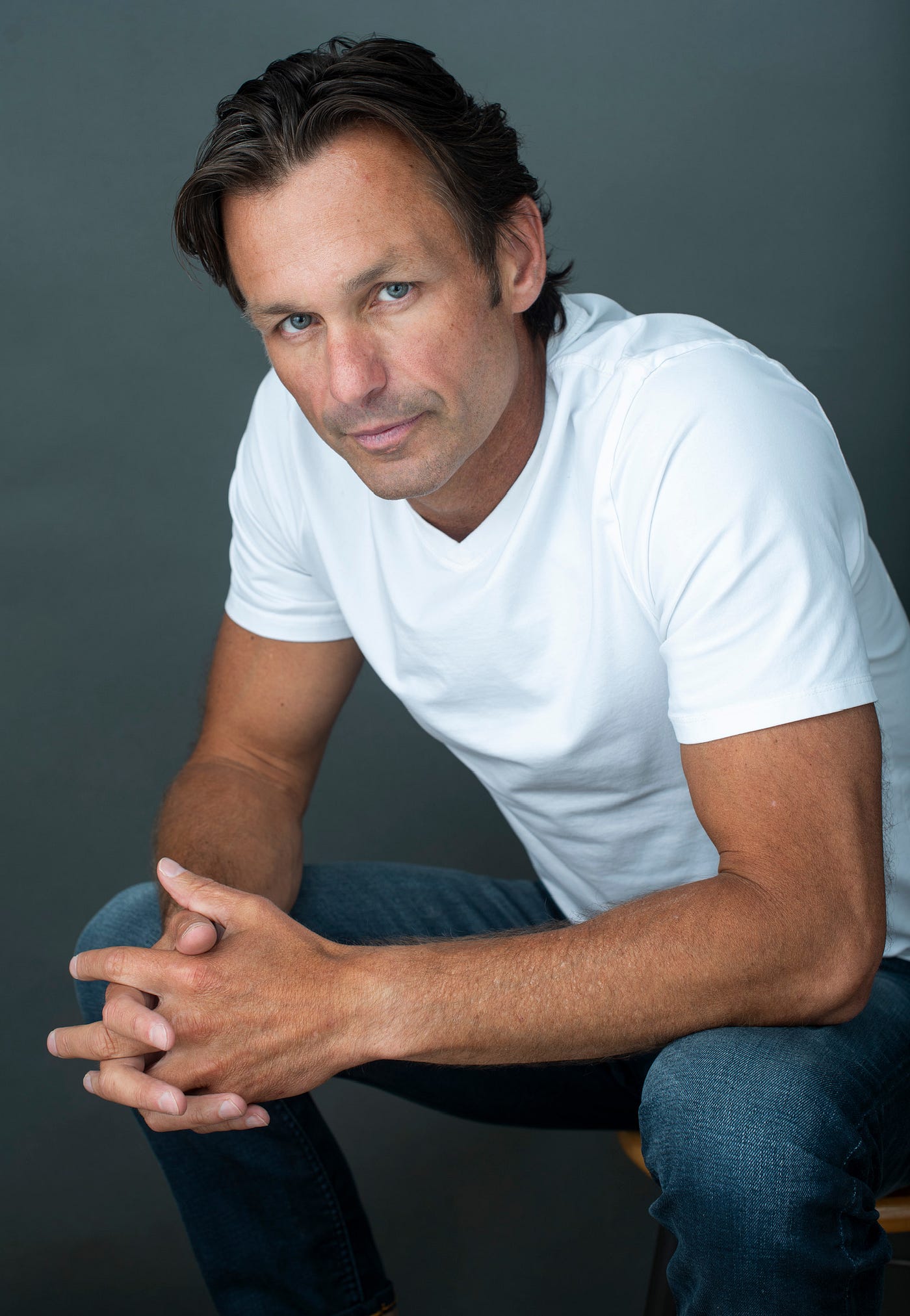
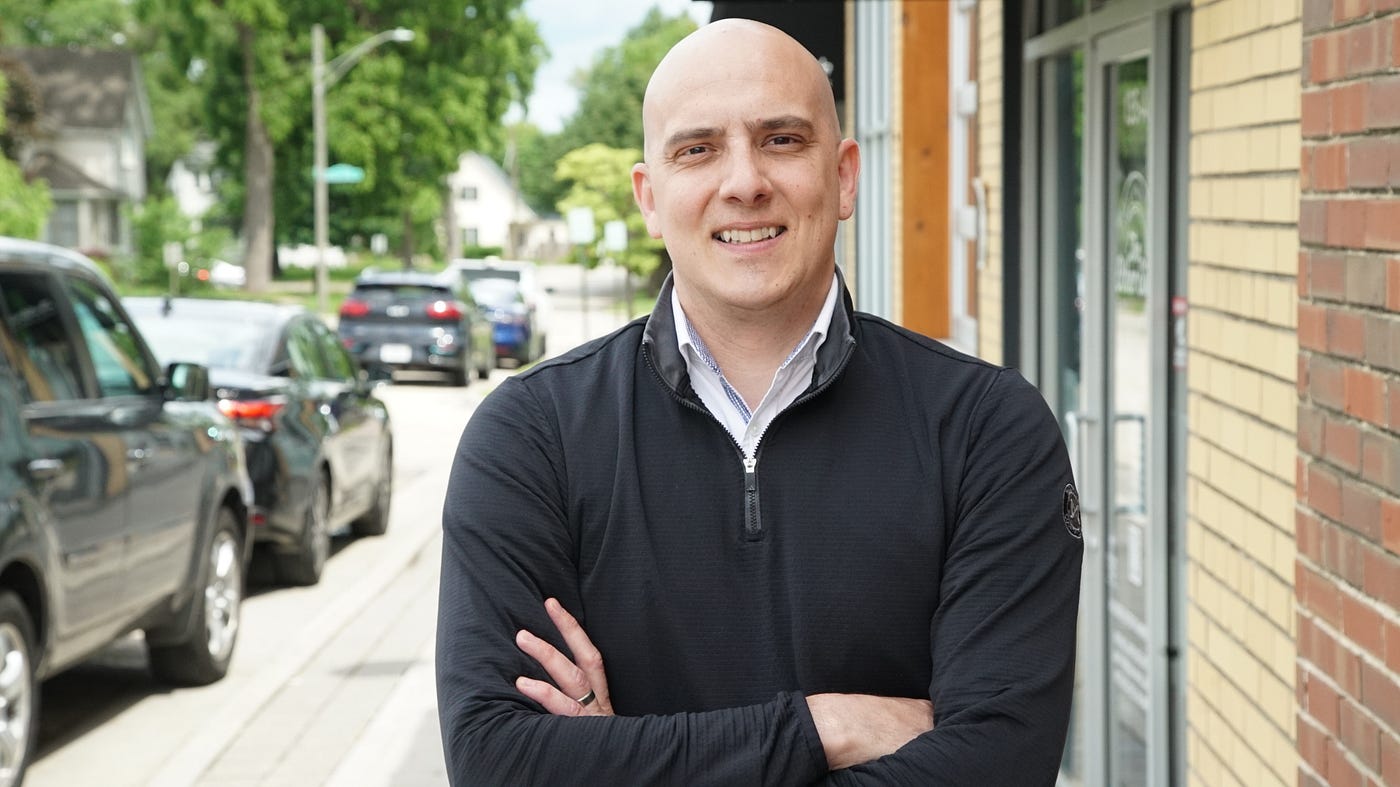
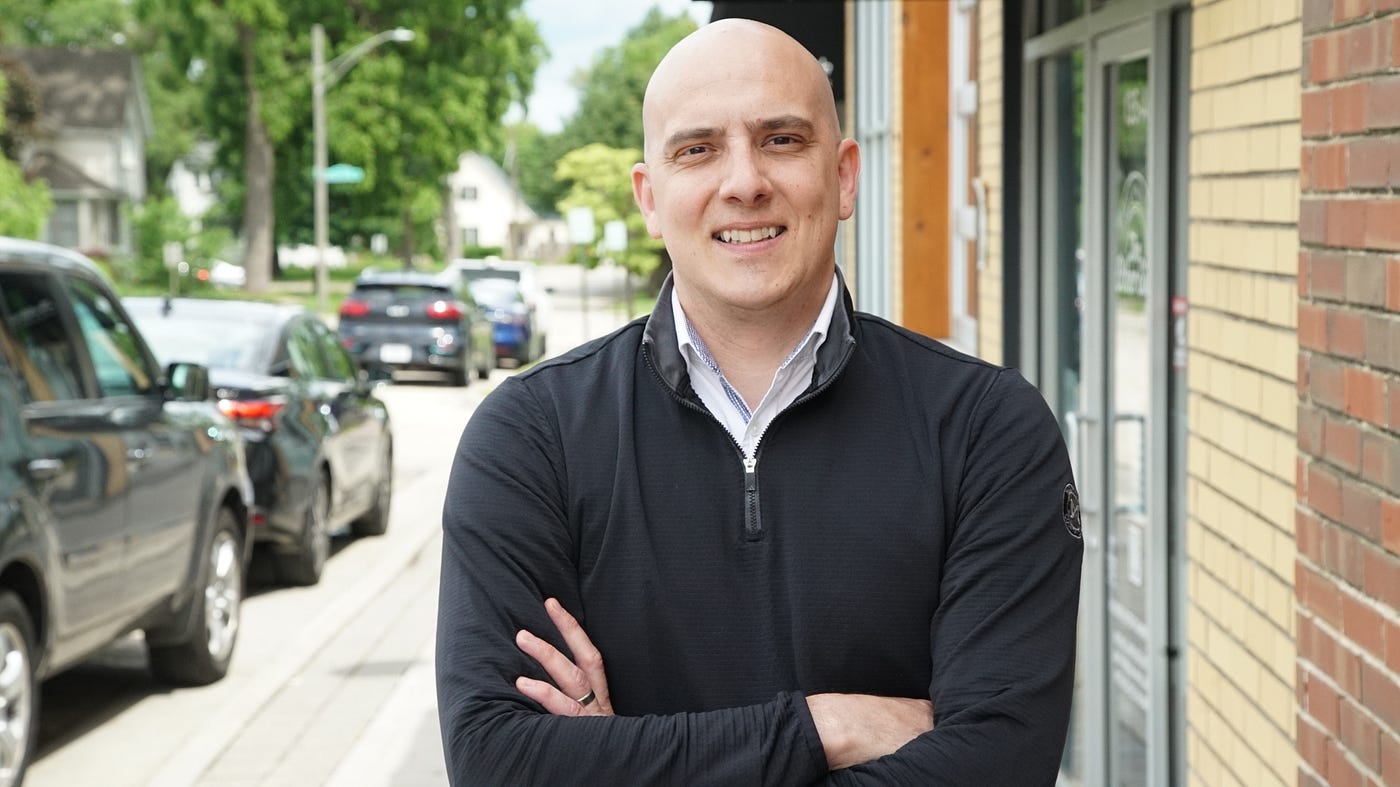
Nicholas Howell is the CEO of Northern Illinois Recovery Center (NIRC), where he leads organizational strategy, operations and growth. Since joining in 2021, he has helped expand the organization from 35 to more than 90 employees, opened new treatment facilities, expanded services for adolescents and introduced AI-driven solutions to improve patient access. Under his leadership, NIRC was named one of Newsweek’s Best Addiction Treatment Centers in 2023 and 2024. His work combines healthcare operations, performance improvement and technology to strengthen how behavioral healthcare is delivered.
Thank you so much for joining us in this interview series! Before we start, our readers would love to “get to know you” a bit better. Can you tell us a bit about your background and your childhood backstory?
I grew up in northern Illinois, in the same community where I run Northern Illinois Recovery Center today. I’m one of four brothers, and from a young age I kept ending up in leadership roles, whether I went looking for them or not.
I also struggled as an adolescent and young adult. In 2008 I found recovery, and it changed the direction of my life. I know firsthand what it’s like to be the person walking through the door of a treatment program, unsure whether anything will be different this time. That experience shapes every decision I make at NIRC.
I studied business administration and financial economics at Eureka College, and a scholarship let me spend a semester studying international business in Hong Kong. I traveled around Southeast Asia while I was there. Seeing how differently other places solve the same problems stuck with me.
After college I joined OSF HealthCare as a financial counselor, working with uninsured and underinsured patients to help them navigate a confusing billing system and find ways to pay for their care. Seeing how often cost stood between people and treatment stayed with me. I later moved into OSF’s performance improvement department, the health system’s internal consulting group. I eventually led teams across five hospitals in two regions and earned my Lean, Six Sigma Black Belt and Agile certifications along the way. I loved that work. In 2020 I moved home to be closer to family, and in 2021 I took the Executive Director role at NIRC.
I wanted hands-on operations experience, and I wanted to bring the rigor and standards I’d learned in a large health system to a young organization in my hometown. Since then our team has grown from 35 people to 92, and today we care for about 80 clients a day across detox, residential, partial hospitalization and intensive outpatient programs for adults and adolescents.
Can you please give us your favorite “Life Lesson Quote”? Can you share how that was relevant to you in your life?
“I fear living a life where I could have accomplished something and didn’t.” That’s from Neil deGrasse Tyson, and it has guided most of the big decisions I’ve made.
In 2021 I had a job I loved at OSF HealthCare. Staying would have been the safe choice. Instead I came home to run a small addiction treatment organization that most people in healthcare had never heard of. I knew I could bring something there that it didn’t have yet, and I knew I’d regret it if I never found out what we could build.
Five years later, we’ve nearly tripled in size. The part I’m proudest of is the people who’ve grown with us: techs who are now managers, a therapist who now leads other leaders.
The quote also keeps me honest about our patients. Every person who walks through our doors has something they could still accomplish. Our job is to make sure the system isn’t the reason they don’t.
Let’s now shift to the main part of our discussion. It is often said that “the mental health system in America is broken”. What does that statement mean to you? From your perspective what is “broken” today?
To me, “broken” starts with the people we never see. Some are too afraid to ask for help. They worry about what their family, employer or community will think, or they’ve convinced themselves they should be able to handle it alone. Others are ready for help and simply can’t get it. There’s no program nearby, no open bed, no coverage, or no way to take time off work. Both groups suffer in silence, and too many of them don’t survive long enough to reach us.
For the people who do make it in, the failures show up at the handoffs. Most individual programs are full of good clinicians doing good work. The trouble is what happens between the pieces.
A person in crisis calls for help and hears there’s a three-week wait. Someone finishes detox and has nowhere to step down to. A patient is making real progress in residential care, and the day their insurance stops paying, they’re discharged. Each of those moments is a point where people fall out of care, and many don’t come back.
The second problem is that we don’t have a shared standard for what success looks like. Sobriety matters, and we track it. But many people who start treatment don’t stay sober right away. That doesn’t mean treatment failed. What matters is how quickly they come back. When someone returns, they aren’t starting over. They can work on deeper challenges they weren’t ready to face the first time. Recovery is a lot like peeling the layers of an onion.
If the only measure is whether someone stayed sober after one stay, we miss most of that progress. We should also be tracking how many people leave against medical advice, how many step down to the next level of care, how many stay engaged 90 days later, and how quickly people reconnect with care after a relapse. If you don’t track those numbers, you can’t improve them.
The third is the workforce. Counselors, techs and nurses in our field do some of the hardest work in healthcare, and many people simply don’t want to work in behavioral health. The job asks you to sit with people on their worst days and keep showing up. Finding people with a real passion for that work is one of the hardest parts of running a treatment program. You can teach someone the tasks. You can’t teach them to care about this population. When we don’t find the right people, or don’t give them a path to grow, burnout and turnover follow, and patients lose the relationships that make treatment work.
The fourth is stigma, and addiction still carries more of it than almost any other health condition. We’ve come a long way in talking about depression and anxiety. Addiction hasn’t caught up. Too many people still see it as a moral failing instead of a disease, and families hide it until there’s a crisis. That shame keeps people from asking for help, and it shows up in policy too, from coverage limits to neighbors who oppose a treatment center down the street.
With cannabis, we’re seeing the opposite problem. Since Illinois legalized recreational marijuana for adults, many parents and others have started to treat THC as harmless. Today’s products are far stronger than what most parents remember from their own youth, and research increasingly links adolescent use, especially of high-potency products, to depression, psychosis and addiction. Legal for adults doesn’t mean safe for a developing teenage brain. We see the consequences in our adolescent programs, and families are often the last to realize how serious it has become.
None of these are clinical problems. They come down to design, operations, incentives and attitudes, and that’s encouraging, because all of those can change.
What about any bright spots? Do you think there are any elements that we get right in today’s world that we wouldn’t want to reverse unintentionally?
Yes, several, and some of them are recent enough that they could slip away if we stop paying attention.
The biggest is how much more openly we talk about mental health. COVID accelerated that conversation faster than any campaign could have. Almost everyone knew someone who was struggling with isolation, anxiety or grief, and it became normal to say so out loud. Employers started talking about it, schools started talking about it, and people who would never have asked for help a decade ago began reaching out.
Athletes, executives and parents now tell their stories in public. That openness gets people through the door earlier, when treatment works best, and it’s the thing I’d most hate to see us lose as the pandemic fades from memory.
Access to medication for opioid use disorder has improved a great deal. Congress removed the special federal waiver doctors used to need to prescribe buprenorphine, and more primary care physicians are treating addiction as the medical condition it is.
The 988 Suicide and Crisis Lifeline gave people a number to call that is easy to remember. It still needs funding and local follow-up, but having it at all is progress.
Some of the best work is happening locally. Here in McHenry County, the health department has put free Narcan vending machines in places like McHenry County College and a sober cafe in Crystal Lake, stocked with naloxone and fentanyl test strips. Anyone can walk up and get what they need without talking to anyone or giving their name. That anonymity matters for people who would never ask for Narcan at a pharmacy counter, and it puts a life-saving tool in the hands of parents, friends and coworkers before an emergency happens.
Efforts like that are adding up. According to the CDC, overdose deaths fell for the third straight year in 2025, to about 70,000, down from nearly 110,000 at the 2022 peak. That’s tens of thousands of people who are alive to get another chance at recovery. The work isn’t finished. Deaths are still rising in hundreds of counties, and 70,000 is still far too many. But it’s proof that wider access to naloxone and treatment saves lives, and we can’t let up now.
Fantastic. Here is the main question of our interview. In your opinion, what are the 5 most impactful things that could help heal the broken mental health system? These could be on any level including training, workforce, policy, culture, equity etc.
- Pay for the whole journey, and stop discharging people off a cliff. Recovery happens across detox, residential, partial hospitalization, outpatient and the months after, usually over far longer than one 28-day stay. When coverage ends abruptly, people walk out with no plan. At NIRC, we don’t discharge someone the moment their insurance ends. We provide scholarship days so they leave with a transition plan. A few months into my time here, I approved those days for a client whose coverage had ended. She came by my office to thank me, and I told her we were there to do the right thing. Payers and providers should build that kind of bridge into the system, so it doesn’t depend on one organization’s goodwill.
2. Pay community-based providers fairly. NAATP’s 2025 national rate benchmark report shows that the major commercial insurers pay hospitals several times more per day for inpatient addiction care than they pay community-based treatment centers for withdrawal management. Hospitals do care for the most medically complex patients, but a gap that size goes well beyond acuity. Part of the cause is structural. Insurers usually set rates using Medicare as a benchmark, and Medicare doesn’t pay for most levels of care in addiction treatment facilities, so rates for freestanding centers are often built from lower Medicaid benchmarks instead. Community-based providers deliver much of the addiction care in this country. When they’re underpaid, they have to run leaner staffing models, which feeds the same burnout and turnover I described earlier. Fewer programs can stay open, and patients wait longer.
3. Grow the workforce from inside. We will never hire our way out of the staffing shortage. We have to build people. At NIRC, one of our operations managers started as a behavioral health tech, moved into a patient experience role and then into management. Another went from tech to supervisor to manager. One of our clinical leaders started as a therapist and now leads other leaders. When people can see a future, they stay, and patients keep the relationships that help them heal.
4. Run treatment programs with the same rigor as any other part of healthcare. My background is in Lean and Six Sigma, and those tools belong in behavioral health. We review a standard set of measures every week: daily census, admissions, average length of stay, step-down rates and how people leave our care. When one of those numbers starts to slip, we dig in. If the rate of patients leaving against medical advice starts to climb, we treat it as a signal about our program and look for the root cause, then change how we work and watch whether the number recovers. A short blip is noise. A pattern means we need to change something.
5. Treat culture as a system. Culture is the patient experience. Ours didn’t come from a few executives in a room. We pulled together teams from every level of the organization, identified what we already did best and made those strengths our standard. We hire for fit, because we can train tasks but we can’t train someone to care about the people we serve or to be open to growing personally or professionally. Those standards now show up in orientation, coaching and performance reviews. I call the approach “Culture as a System”: build the standard from your best, hire for fit, grow leaders from within, and let the data tell the story.
If all of the items on your list were magically implemented tomorrow what change might we see in the world? What are the signs (big and small) that would show us that the system is being healed?
The first sign would be more people asking for help, and asking sooner. Someone struggling with addiction would feel no more shame calling a treatment center than calling a cardiologist, and they’d find an open program close to home. Once they’re in, they’d move from detox to residential to outpatient without a gap, often stepping down the same day, and no one would be discharged off a cliff because coverage ran out. When someone relapsed, they’d come back to treatment in days instead of months and pick up where they left off, ready to work on the next layer.
Inside treatment programs, you’d see it in the staffing. Community providers would be paid enough to staff properly, so a counselor could carry a reasonable caseload and still have energy at the end of the week. People with a real passion for this work would choose it, and a behavioral health tech would picture themselves running a program in five years and stay long enough to do it. Every program would know its numbers, like how many patients leave against medical advice, how many step down and how quickly people come back after a relapse, and act when one of them slips. Insurers and providers would look at the same outcome data and argue about how to improve it instead of whether to pay for it.
The small signs would show up at home. A parent would know that today’s THC isn’t harmless and would know exactly who to call when they’re worried about their teenager. Families would talk about addiction at the dinner table instead of hiding it. And over time, you’d see it in communities: overdose deaths would keep falling, fewer people would wait in emergency rooms for a bed, and more families would get their person back.
What is a project you or others are working on today that gives you hope? How can our readers learn more about this work?
The one I’m most excited about is the Atlas Model. Most treatment is built around short stays: a few weeks of residential care, then a handoff to a new program with new staff, a new plan and a new vocabulary. Every handoff is a chance to lose someone. The Atlas Model treats recovery as one continuous 12-month journey instead.
The year is organized into four seasons. The first focuses on stabilization and safety. The second moves into emotional regulation, the body and daily habits. The third works on relationships, family and purpose. The fourth prepares people for life after treatment. A client’s clinical record, language and practice stay connected whether they’re in residential, PHP, IOP, outpatient or alumni support, so they never start over at a transition. It’s trauma-informed throughout and tracked with validated measures, so we can see whether people are actually getting better. It matches what I see every day: recovery happens in layers, and each layer needs time and a foundation underneath it.
What gives me the most hope is how it’s being built. The Atlas Model isn’t a licensed product owned by one company. It’s co-authored by independent programs, including NIRC and Millennium Counseling, that each contribute what they learn and adopt what the others learn. In a field where providers often compete for the same patients, that kind of collaboration is rare. We’re extending the same idea through Atlas Integrated Health, which brings psychiatric and wellness services into the same building, so the care people need after treatment is already connected to the people who treated them.
Readers can learn more about the Atlas Model at northernillinoisrecovery.com/about/atlas.
How do you see technology shaping the future of mental health care and its accessibility?
I think technology’s best role in our field is behind the scenes. We’ve chosen to deliver care in person. In my experience, people in early recovery do better when they’re physically in the room, building relationships with staff and peers, away from the distractions of home. A lot of the healing in group treatment happens in the moments around the session, and a screen can’t recreate those.
Where technology helps most is with the people who deliver care. Our clinicians spend too much of their day on documentation and administrative work. Tools that take that burden off them give time back to patients. Better data helps too. When we can see trends in real time, we can act on a rising discharge rate in week two instead of finding it in a quarterly report.
We’ve also used AI internally to build our own leadership development tools, shaped around our values and the problems our managers actually face. Off-the-shelf programs were expensive and generic. Building our own let us give every new leader coaching they’d otherwise never get.
I’d add two cautions. Healing still happens in relationships, so technology should give people more time together. And this is some of the most sensitive information a person will ever share, so privacy has to be designed in from the start.
In your view, how do social factors like poverty, education, and culture affect mental health care and its effectiveness?
They shape whether treatment works at least as much as anything that happens in a therapy room.
Poverty shows up in practical ways. Someone can’t come to outpatient three days a week because they’ll lose their hourly job, or they don’t have a car, or they can’t afford the copay. A person can finish a strong residential program and go home to unstable housing and the same people they used with. That’s why most of our clients step into our transitional living program after inpatient care. A safe, structured place to live gives the clinical work time to take hold.
Education affects whether people recognize what’s happening to them or a family member and know that help exists. Many families come to us after years of trying to handle it on their own because they didn’t know where to start.
Culture cuts both ways. In some families and communities, needing help still carries shame, and people wait until there’s a crisis. In others, family and faith become a huge source of support once they’re invited in. Good programs ask about those things and build them into the plan.
As a provider, I can’t fix poverty. What I can do is design programs around the realities people live with. Our case managers are a big part of that. In the first days of treatment, they complete a needs assessment with every client, so we know early what’s waiting for them at home. Then they work with each person throughout their stay to line up what they’ll need after treatment: sober living or stable housing, SNAP benefits, health insurance enrollment, transportation, job and education resources, a primary care doctor and pharmacy, and recovery meetings close to home. Planning for discharge starts on day one, because the best clinical work in the world won’t hold if someone leaves without a place to live, food on the table or a meeting to go to that night.
We pair that with flexible schedules, scholarship days when coverage runs out, and staff who reflect the communities we serve.
In light of the growing mental health crisis among young people, what innovative approaches or interventions have proven most successful for children and adolescents?
We treat adolescents at NIRC, and the biggest lesson I’ve learned is that you can’t treat a teenager in isolation. You treat the family. Parents need their own support and skills, and when they’re part of the plan, the progress a young person makes in treatment has somewhere to land at home.
Keeping kids connected to normal life matters too. Intensive outpatient programs that run after school let teenagers get serious treatment without falling behind or losing their friends, which can make things worse.
I’m encouraged by care moving into the places kids already are. School-based counselors and partnerships between schools and treatment providers lower the barrier for a teenager who would never ask a parent to drive them to a clinic.
Peer connection is powerful at this age. Young people often listen to someone a few steps ahead of them in recovery more readily than to any adult.
The common thread is early intervention. Many adults in treatment describe struggles that started in adolescence. Every year we reach someone sooner is a year of their life we get back. That includes being honest with parents about today’s THC, before a teenager’s use turns into something harder to undo.
We are very blessed that some very prominent names in Business, VC funding, Sports, and Entertainment read this column. Is there a person in the world, or in the US with whom you would love to have a private breakfast or lunch, and why? He or she might just see this if we tag them. :-)
I would love the opportunity to sit down with Quint Studer. His approach to building organizational culture, accountability, and operational excellence shaped much of what I learned about leadership early in my career.
What many people may not know is that his journey into healthcare began with his own recovery. He got sober in 1982, began working with teenagers struggling with substance use, and went on to transform how healthcare organizations across the country approach leadership and organizational performance. Even today, he continues to speak openly about his recovery, helping challenge the stigma surrounding addiction.
As a CEO in recovery myself, leading an addiction treatment organization built on many of the same principles, I find that intersection of personal experience and professional purpose particularly meaningful.
I’d love to ask him what he would prioritize if he were building an addiction treatment organization today, and how he would approach developing the next generation of leaders in our field.
How can our readers further follow your work online?
You can learn about Northern Illinois Recovery Center at northernillinoisrecovery.com, and connect with me on LinkedIn at linkedin.com/in/nick-howell-2439ab64. I write and speak about building teams, culture and operational systems in behavioral health, and I’m always glad to talk with other leaders working on the same problems.
Thank you for your time and thoughtful answers. I know many people will gain so much from hearing this.