The best creator marketing happens when creators have room to make something that feels native to their audience, rather than forcing traditional advertising into their channels. They know their audience intimately and can bring real strategic counsel to a campaign, not just a following.
Business
Oliver Silverstein of SoaR: How Shifting From Exclusive Rosters to Talent-Agnostic Creative Strategy Scaled Our Media Business
The SoaR COO shares his blueprint for navigating the attention economy, explaining why human judgment, authentic storytelling, and intentional community building are the only ways to earn Gen Z's trust.
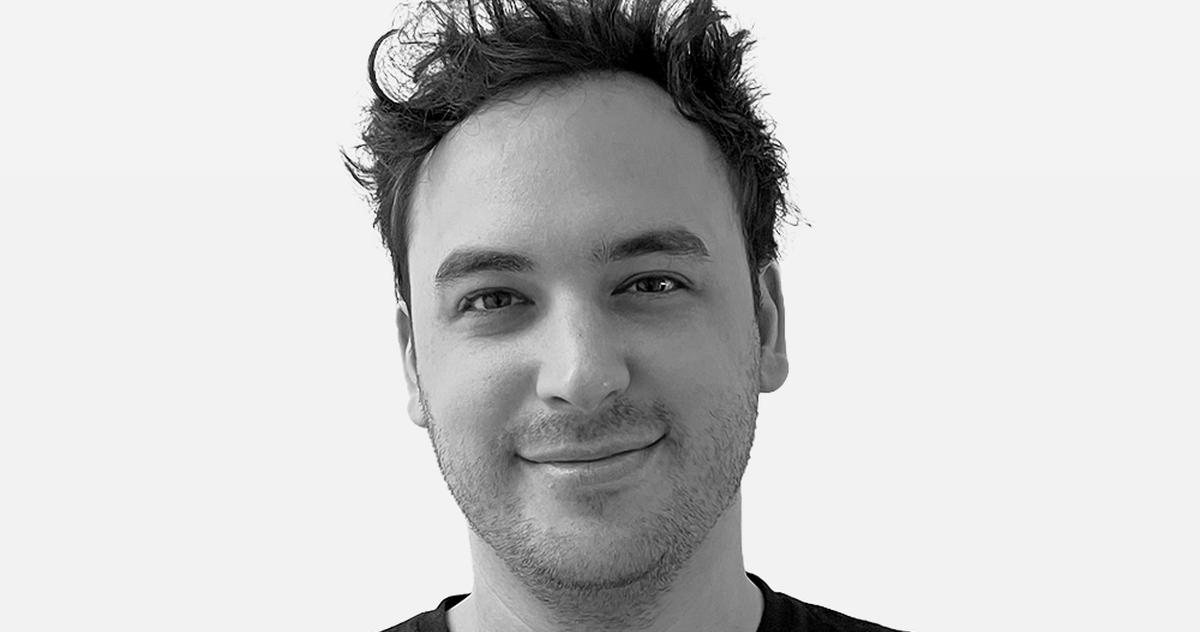
As a part of this series, we had the pleasure to interview Oliver Silverstein.
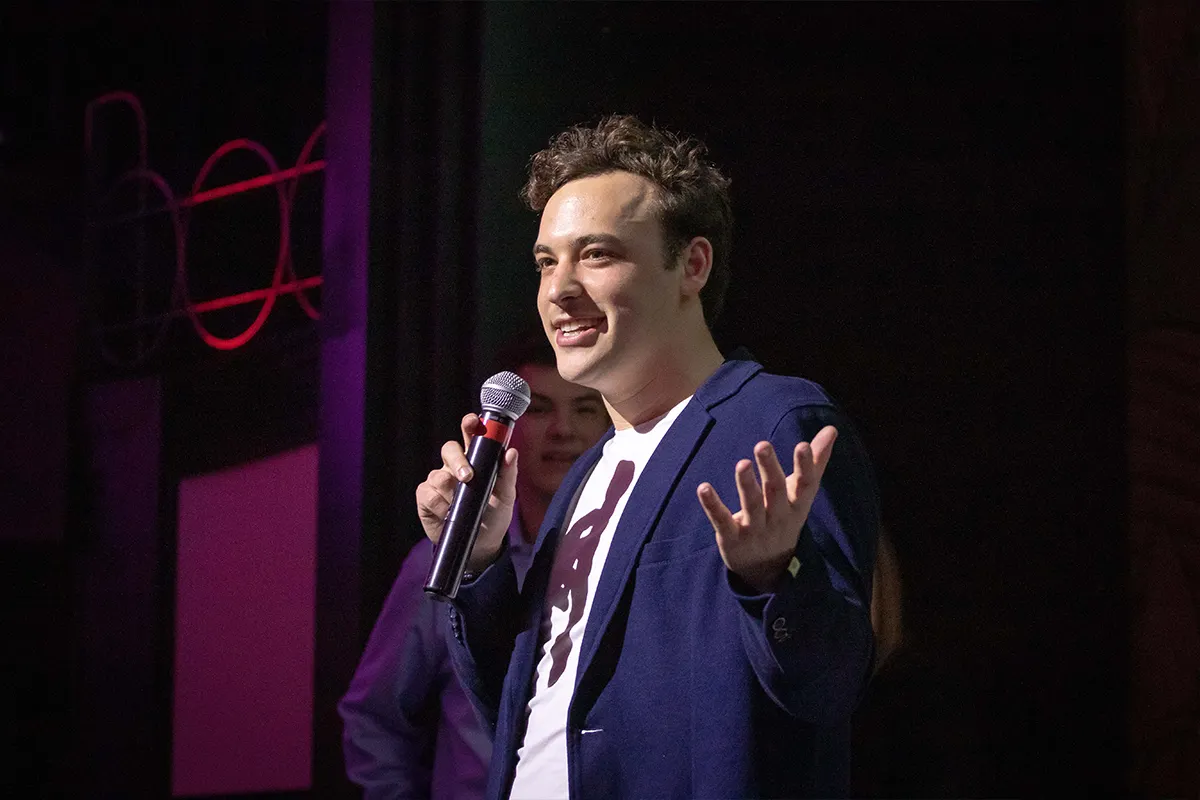
Oliver is a seasoned entertainment and marketing executive with more than a decade of experience building brands and communities at the intersection of gaming and online culture. Oliver is currently the Chief Operating Officer of SoaR, a vertically integrated media company that sits between brands and internet-native consumers through its two properties: SoaR Gaming and SoaR Studios. At SoaR, Oliver leads operations across content, partnerships, and brand strategy. Since acquiring SoaR in 2019 through Eleven Holdings, Oliver has led the company’s expansion into a scaled media and marketing business, helping household brands including Wendy’s, Coca-Cola, DoorDash, Royal Bank of Canada, and more earn attention — and street cred — from a generation born online.
Thank you so much for joining us in this interview series! I know that you are a very busy person. Can you tell us a story about what brought you to this specific career path?
I stumbled into influencer marketing before it was really an industry. My first job was driving users to a platform, and I saw YouTubers building these big, engaged followings and thought, why not ask them to promote it? It was very clear to me and everyone else in those early days that creators could play a big role in the marketing mix.
Can you share the most interesting story that happened to you since you began at your company?
It’s hard to pick one moment. Raising money, pivoting the business, navigating the highs and lows — it’s been a rollercoaster that taught me the importance of having great people around you and conviction in your vision.
Can you share a story about the funniest mistake you made when you were first starting? Can you tell us what lesson you learned from that?
It wasn’t very funny at the time, but we hired an expensive, big-name media executive from the professional sports world who looked really strong on paper but produced zero. It taught me that nobody will sell your vision better than you, and more importantly that hunger, execution, and attention to detail matter a whole lot more than the name on a resume.
Marketing is always evolving. Is there a strategy you swore by five years ago that you’ve completely rethought today?
I’ve always believed in creators, but how brands work with them has changed a lot over the years. Creators used to be treated as distribution channels. Smart brands now respect their creative direction and treat them as co-authors of the campaign — taking their feedback and playing into their strengths.
The best creator marketing happens when creators have room to make something that feels native to their audience, rather than forcing traditional advertising into their channels. They know their audience intimately and can bring real strategic counsel to a campaign, not just a following.
Can you share a campaign or project that didn’t go as planned? What did you learn from that experience, and how did it shape your approach moving forward?
Working with people means something will inevitably go wrong. I learned early that clients don’t care whose fault it is — they hired us to solve it, so our mentality is to bring solutions, not problems.
Data is everywhere now, but it can be overwhelming. How do you decide which metrics to prioritize when shaping your strategies?
Start with the actual business objective, not the biggest number on the dashboard. I’d rather have five metrics that tell us whether something worked than fifty metrics that simply make a report look impressive.
What’s one unconventional or bold marketing move you’ve made that turned out to be a game-changer for your company?
At a certain point we moved away from relying on an exclusive creator roster and opened ourselves up to working with the best talent for each idea. It shifted our value from “who we represent” to the strength of our creative, strategy and execution. It also meant that our campaigns and partners could always have the best possible creator behind a campaign idea, versus trying to adapt different people and personalities to fit within them.
Based on your opinion and experience, what are your “Top Five Marketing Strategies” and why. (Please share a story or example for each.)
1. Bring creators in as creative directors. Of everyone involved in a campaign, creators usually have the best sense of what will resonate because they put ideas in front of an audience every day. Brands that involve them early, while the idea is still being developed, can get some foresight before committing ad spend. Creator-led shops are having a moment for exactly this reason — that instinct is incredibly valuable.
2. Build the campaign around the clip. Clipping is usually treated as something that happens after content is published, but it can also shape a campaign from the start. More mid- and long-form content is being built around a signature moment that can be clipped and shared across social media, which lets a single piece reach audiences many times its original size.
3. Intentional media. Algorithms created this dynamic on social media that rewards hyper-stimulating content, time spent on posts, and brain rot. What performs on platforms and what audiences actually want have been drifting apart, and they’ve hit a tipping point. Online audiences want to reclaim their time and attention, and they are directing it where they are able to find meaning, enrichment, and purpose in what they consume. The strategy shift points toward reaching fewer people but resonating more deeply with the ones you do. Community-based platforms like Twitch, Kick, Discord, and Substack will become some of the channels marketers put more focus on.
4. Exceptional storytelling. AI has made it easy for anyone to produce content, but it can’t replace a good story. In an intention economy, a story worth following is what earns people’s time, and that’s not something that can be easily generated. It takes judgment, creativity, and a real understanding of the audience you’re telling it to.
5. Native brand integrations. Gen Z is allergic to advertising, and brands will need to increasingly show up in very clever ways to earn their trust without tripping wires. Brands are shifting from ad reads and traditional spots to integrations that feel more native to the experience; the goal is to become part of the entertainment, and the reason audiences are showing up, instead of hijacking the moment.
With so many platforms and trends popping up constantly, how do you strike the right balance between trying new things and sticking with what you know works?
It’s important to experiment with new platforms, ideas, and formats, but don’t chase trends at the expense of your identity. Going back to SoaR’s Call of Duty roots reminded us that sometimes your biggest opportunity is rediscovering what made you special.
With that being said, we still needed to modernize our approach: adapting content for short-form, leaning into what’s trending, and adapting to how audience consumption is changing.
Looking ahead, what’s a major shift or trend in marketing that you think CMOs need to prepare for in the next five years?
AI will touch virtually every part of marketing, and it will raise the bar in a lot of ways. Speed, production, and polish will become table stakes. But in an ironic way, what will end up winning is what has always won in marketing: originality, taste, and creativity. Content, campaigns, and stunts will always need a big idea behind them.
Because of the role you play, you are a person of great influence. If you could inspire a movement that would bring the most amount of good to the most amount of people, what would that be? You never know what your idea can trigger. :-)
Life is short, have more fun with it. Work hard and take what you do seriously, but don’t spend your whole life waiting for the next milestone before allowing yourself to enjoy the ride.
This was really meaningful! Thank you so much for your time.
About The Interviewer: Tavares Beverly ( www.tavaresbeverly.com ) is the Founder and CEO of Beverly Boy Productions, a national video production company that has helped organizations tell their stories through video for more than two decades. Over the course of his career, he has worked with everyone from Fortune 500 executives and healthcare professionals to politicians, nonprofit leaders, educators, and artists, gaining a unique perspective on the role communication plays in leadership, business, and human connection. A frequent contributor on topics including communication, entrepreneurship, leadership, and personal development, Tavares believes that the ability to communicate effectively is one of the most valuable skills a person can develop. His work is driven by a passion for helping organizations connect with their audiences and helping individuals unlock their potential through mentorship, perseverance, and meaningful relationships. To learn more, connect with Tavares on LinkedIn or visit www.BeverlyBoy.com . If you’re interested in using the power of storytelling and communication to grow your organization, strengthen your brand, or inspire your audience, he welcomes the opportunity to connect.
TB
Written by
Tavares Beverly
Executive Contributor · Authority MagazineTavares Beverly is an executive interviewer and contributor covering leadership, culture, and business for Authority Magazine.

Published inAuthority MagazineTop Lessons, Top Authorities · 42K Followers
Exclusive, curated interviews with the leaders and changemakers shaping tomorrow. Leadership lessons, industry deep dives, and executive profiles.
More from Authority Magazine
See all stories →
T
Tavares BeverlyKevin Gaspar of Yirl: The Principle of Manual Iteration That Drives Authentic Human Connection
Business16 min read

T
Tavares BeverlySkylar Caldwell: Why Making Mistakes Can Actually Be Your Greatest Viral Asset
Business8 min read
T
Tavares BeverlyJustin Escajeda of Escajeda Holdings: Reputation and Human Capital Are the Only Assets Worth Acquiring
Business28 min read
T
Tavares BeverlyCynthia Newman of Success Strategists: How Decades of Financial Leadership Experience Built a Scalable Coaching Practice
Business13 min read