I am a big believer that you are almost never going to have 100 percent of the information you want. Leaders can get stuck waiting for certainty that is never coming. At some point, you have to trust your experience and judgment.
Business
Cynthia Newman of Success Strategists: How Decades of Financial Leadership Experience Built a Scalable Coaching Practice
After a 45-year career in financial services, Cynthia Newman shares why the most effective leaders prioritize human connection and decisive action over the pursuit of perfect information.
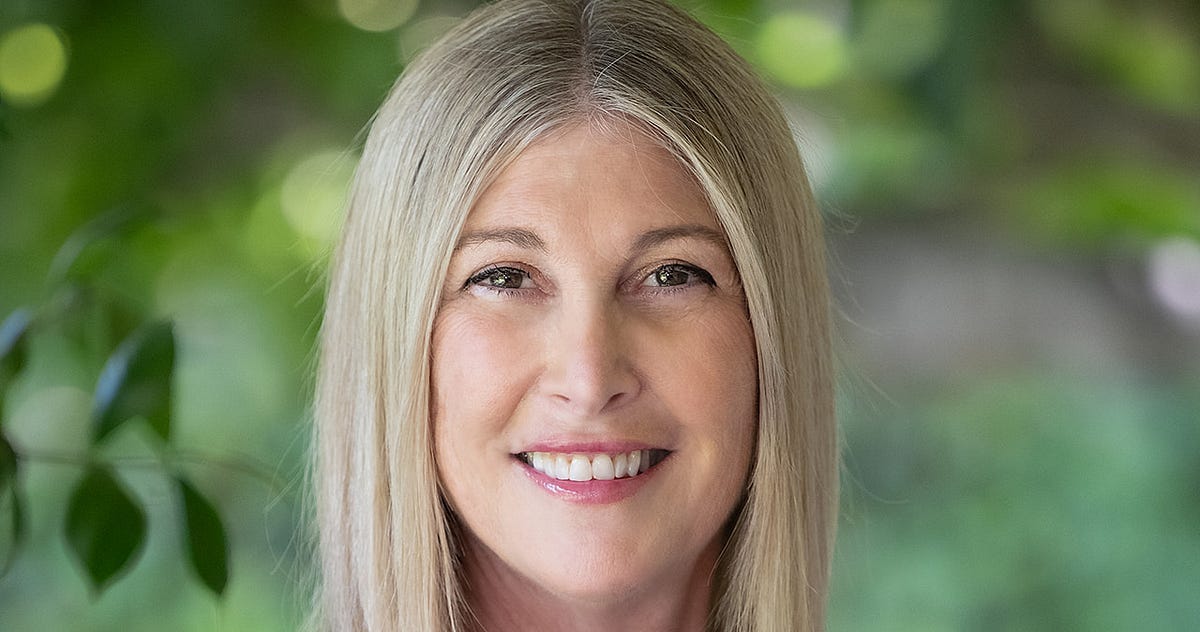
Entrepreneurship is often celebrated for its victories, but behind many successful businesses are years of struggle, setbacks, risk, rejection, uncertainty, and sacrifice. Great entrepreneurs are not only defined by their ideas, but by how they respond when things go wrong. As part of this series, we had the pleasure to interview Cynthia Newman.
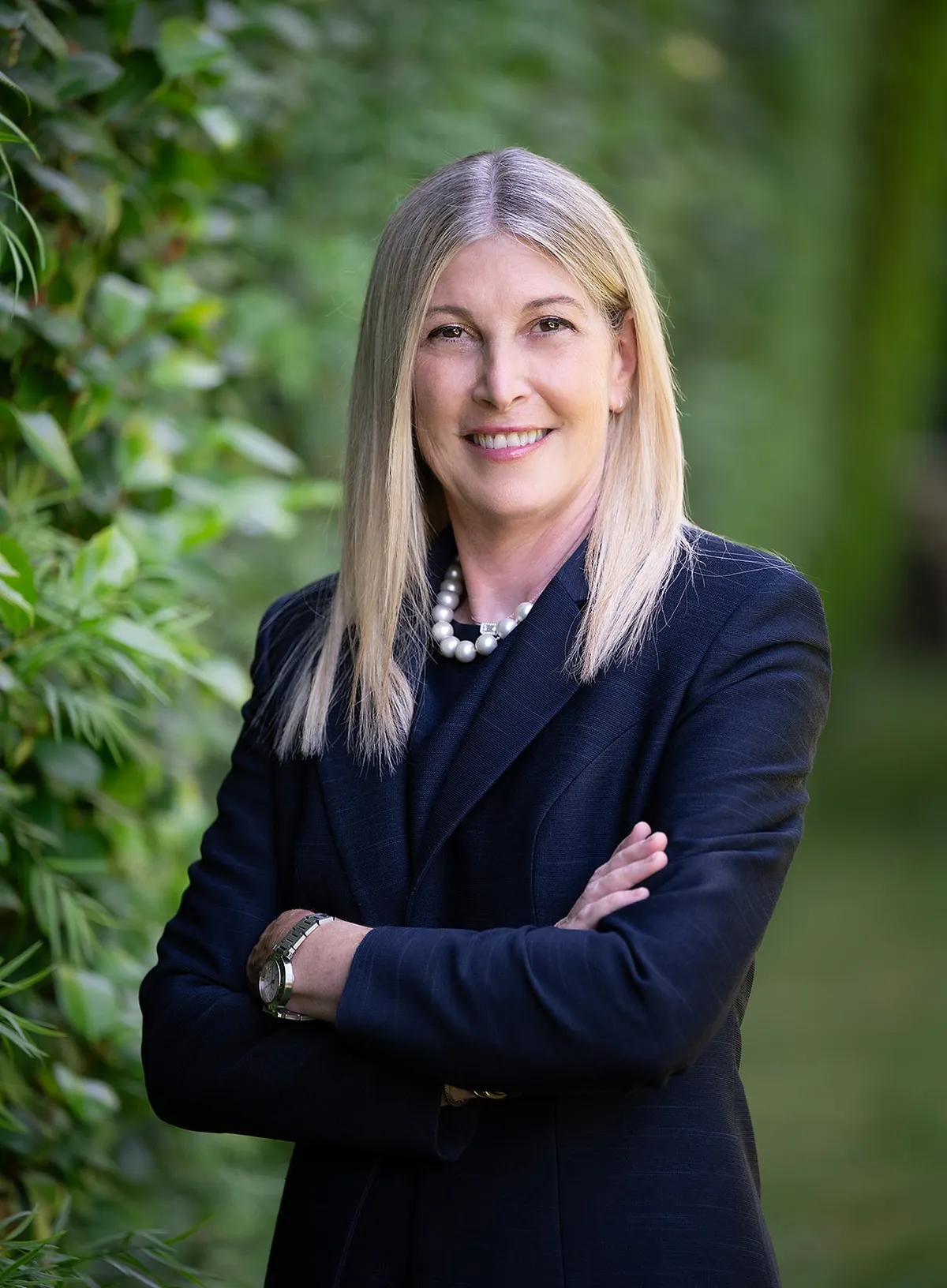
Cynthia Laden Newman is the founder of Success Strategists and has spent 45 years in financial services. She has held virtually every position in wealth management, from sales assistant and financial advisor to sales and training leadership, branch and complex management, Regional Director, and Managing Director. Today, she coaches financial advisors, managers, executives, and teams. Cynthia’s style is direct and practical. She brings the perspective of someone who has built a business, led large organizations, managed through change, made mistakes, learned from them, and spent decades developing people.
Thank you so much for joining us in this interview series! Before we begin, can you please introduce yourself? Our readers would love to get to know you a bit better. Can you tell us a bit about your backstory and how you got started?
When I look back over 45 years in financial services, my career certainly did not follow a path I could have predicted when I was starting out. It evolved over time, one opportunity and one challenge at a time.
I entered the industry right out of college at 22 years old, starting as a sales assistant. I was ambitious and willing to work hard, but I certainly did not have a plan that I was going to become a Managing Director or eventually spend my career leading large organizations.
As opportunities came along, I took them. Some worked out beautifully and some did not. I made plenty of mistakes along the way. I had great managers, difficult managers, great employees, and challenging employees. All of those experiences taught me something.
Over the years, I ended up holding virtually every position in wealth management. I was a financial advisor, went into sales and training, became a branch manager, complex manager, Regional Director, and eventually a Managing Director.
When I retired in 2020, I really thought I was retiring. I had no intention of starting another career. Then people I had worked with started calling me and asking for help. One person became a client, then another, and Success Strategists really grew from there.
What I realized was that I had 45 years of experience that could be incredibly valuable to someone dealing with a situation I had probably dealt with myself at some point. That is really what I do today.
None of us are able to achieve success without some help along the way. Is there a particular person who you are grateful toward who helped get you to where you are? Can you share a story?
I had managers who gave me opportunities before I necessarily had all the experience on paper. I had mentors, colleagues, and people who were willing to tell me when I needed to do something differently.
My husband has been the constant through all of it. Earlier in my career, he joined my team, so he understood the business from the inside. He knew what the long days looked like and what it was like when I was carrying the responsibility for a lot of people.
When I retired, he also understood that it was a bigger adjustment for me than I expected. I had spent decades working, leading, and being responsible for something every day. He gave me the space to figure out what I wanted to do next.
I think most people can point to someone who believed in them, opened a door, or simply stayed steady when things were difficult. I have been fortunate to have that throughout my career and in my life.
Entrepreneurship often looks very different from the outside than it feels on the inside. Can you share one of the most difficult periods you faced as an entrepreneur, and what helped you keep moving forward when giving up might have seemed easier?
Starting Success Strategists was an adjustment because I went from knowing exactly how to operate in my world to suddenly having to learn a lot of things I had never had to do myself.
I knew how to coach people, develop business, lead teams, recruit, and handle difficult situations. I did not know much about building a website, marketing myself online, social media, or all of the little things that come with running your own business. I still laugh about some of it because technology is definitely not my strength.
What I did know was people. I knew how to listen, ask the right questions, and help someone think through a problem. So that is what I focused on.
The business grew very naturally. Clients referred other clients. People I had known in the industry came back into my life. I learned the other pieces as I went. I think that is relatable for a lot of people who make a career change later in life. You do not have to know everything on day one. You have to know what you are good at and be willing to learn the rest.
Setbacks can shake even the most confident entrepreneur. When something you believed in fails, whether it is a launch, partnership, investment, hire, or business strategy, how do you process that disappointment and decide what to do next?
I have had enough setbacks in 45 years to know that my first reaction is not always my best reaction. I can be disappointed or frustrated, but I try not to make an important decision while I am still in that emotion.
I usually start by asking myself what really happened. Did I make a bad decision? Did I miss something? Was it the wrong person? Did circumstances change? Sometimes the answer is uncomfortable, but you have to be willing to look at your own part in it.
I also believe strongly in having someone you can talk to who will be honest with you. Not someone who automatically agrees with you. Someone who can say, ‘Have you thought about it this way?’ I wish I had had more of that at certain points in my own career.
Then you make the best decision you can and move forward. You cannot spend six months beating yourself up over something that did not work. Learn from it. Fix what you can. Do it differently next time.
Financial pressure and uncertainty are realities for many founders. Have you ever faced a moment when the future of your business felt genuinely uncertain? What did that experience teach you about making difficult decisions under pressure?
I have been through plenty of periods of uncertainty. Firms change. Leadership changes. Markets change. Jobs you think are secure can change. Businesses change. Anyone who has had a long career has probably had a moment when something they were counting on suddenly looked very different.
What I learned is that panic does not help. Get the facts. Figure out what you can control. Protect the relationships that matter, and then make a decision.
I am a big believer that you are almost never going to have 100 percent of the information you want. Leaders can get stuck waiting for certainty that is never coming. At some point, you have to trust your experience and judgment.
And if you make the wrong decision, you adjust. That is also part of leadership. You do not have to pretend every decision was perfect.
Entrepreneurship can take a personal toll as well as a professional one. How have you learned to protect your energy, relationships, confidence, and sense of perspective during particularly demanding seasons of building a business?
This is probably an area where I am very different today than I was earlier in my career. For years, my answer to almost everything was to work harder. If there was a problem, I put more hours into it. That worked until it did not.
I eventually learned that you have to have a life outside of work. My family is incredibly important to me. I exercise, I hike, I spend time outside, and I make time for the people I care about. Those things are not extras for me anymore.
I also think you need people around you with whom you can be completely yourself. Leadership can be lonely. Everyone expects you to have the answer, and sometimes you simply don’t. Having someone you trust enough to say that to is important.
And I have gotten better at putting things in perspective. A bad day is a bad day. It is not a bad career. A difficult employee is a difficult employee. It does not mean you are a bad leader. I wish I had understood that earlier.
Looking back, is there an obstacle or failure that felt devastating at the time but ultimately made you, or your business, stronger? How did that experience change the way you approach challenges today?
One of the hardest moments in my career happened after I had been promoted to Regional Director. Fifteen months later, there was a reorganization and several Regional Director positions, including mine, were eliminated. I was devastated. I had worked very hard for that role, and suddenly it was gone for reasons that had nothing to do with my performance.
I was moved into an assignment that I did not want, and that came with a lot of challenges. The offices had gone through a major consolidation but still operated like separate organizations. The culture was divided, and there was a lot of work to do.
For a while, I was focused on what I had lost. Eventually I realized that was getting me nowhere. I had a job to do, people were depending on me, and I needed to get on with it.
We worked through the issues, brought the organization together, and ultimately became one of the top-performing complexes in the country.
That experience has stayed with me because almost everyone has had something happen in their career that felt unfair. You can spend a lot of time being angry about it, or you can ask, ‘Okay, now what?’ I am much quicker to get to ‘now what’ today.
Based on your experience and success, what are Five Things Entrepreneurs Need to Fight Through Obstacles and Keep Moving Forward? Please share a story or an example for each.
1. Be prepared.
Preparation has gotten me through a lot of uncomfortable rooms. Early in my career, I was often younger than everyone else and one of very few women. I could not control what someone assumed about me when I walked in. I could control whether I knew my business. Being prepared gave me confidence.
2. Learn to adjust.
If you have a long career, things are going to change. Companies reorganize. Leaders change. Markets change. People change. The plan you had may no longer make sense. You have to be able to adjust without losing your values or becoming someone you are not.
3. Find someone who will tell you the truth.
This is a big one for me because I learned it the hard way. There were points in my career when I could have used a good executive coach. I had smart people around me, but that is different from having someone whose only job is to help you see the situation clearly. Sometimes you need someone to tell you that you may be part of the problem.
4. Pay attention to the people around you.
I have worked with extraordinary people, and I have also had people disappoint me. I have learned not to ignore what someone is showing me because I want the relationship to work. Hire carefully. Trust people, but pay attention. The people around you can make your job much easier or much harder.
5. Do not let one setback define you.
I have had promotions, reorganizations, difficult bosses, challenging employees, great successes, and some things that absolutely did not go the way I wanted. None of them by themselves define my career. Your career is the accumulation of what you do over time, including how you respond when things do not go your way.
You are a person of great influence. If you could start a movement that would bring the most amount of good to the most amount of people, what would that be? You never know what your idea can trigger.
I would like to see more successful people make a point of helping someone else get an opportunity.
I know there were people in my career who opened doors for me. I also know what it feels like to be on the outside of a group and not necessarily understand all of the politics or unwritten rules. Talent alone is not always enough. Sometimes someone needs to explain how things really work or simply say your name in a room you are not in.
I have tried to do that for people throughout my career. Sometimes it is an introduction. Sometimes it is preparing someone for a difficult conversation. Sometimes it is telling them something they do not particularly want to hear because I know it will help them.
And I don’t think this is just about women helping women. Men were important to my career, and men need to be part of creating opportunities for women. The same is true for anyone with the ability but without the access.
If someone helped you get through a door, reach back and help someone else through it. That is pretty simple, but I think it can make a tremendous difference.
How can our readers further follow your work online?
Readers can learn more about Success Strategists on my website and connect with me on LinkedIn. I share a lot about leadership, business development, resilience, and some of the lessons I have learned over 45 years in financial services.
This was very inspiring. Thank you so much for the time you spent with this!
Thank you. I enjoyed it.
About The Interviewer: Tavares Beverly ( www.tavaresbeverly.com ) is the Founder and CEO of Beverly Boy Productions, a national video production company that has helped organizations tell their stories through video for more than two decades. Over the course of his career, he has worked with everyone from Fortune 500 executives and healthcare professionals to politicians, nonprofit leaders, educators, and artists, gaining a unique perspective on the role communication plays in leadership, business, and human connection. A frequent contributor on topics including communication, entrepreneurship, leadership, and personal development, Tavares believes that the ability to communicate effectively is one of the most valuable skills a person can develop. His work is driven by a passion for helping organizations connect with their audiences and helping individuals unlock their potential through mentorship, perseverance, and meaningful relationships. To learn more, connect with Tavares on LinkedIn or visit www.BeverlyBoy.com . If you’re interested in using the power of storytelling and communication to grow your organization, strengthen your brand, or inspire your audience, he welcomes the opportunity to connect.
TB
Written by
Tavares Beverly
Executive Contributor · Authority MagazineTavares Beverly is an executive interviewer and contributor covering leadership, culture, and business for Authority Magazine.

Published inAuthority MagazineTop Lessons, Top Authorities · 42K Followers
Exclusive, curated interviews with the leaders and changemakers shaping tomorrow. Leadership lessons, industry deep dives, and executive profiles.
More from Authority Magazine
See all stories →
T
Tavares BeverlyOliver Silverstein of SoaR: How Shifting From Exclusive Rosters to Talent-Agnostic Creative Strategy Scaled Our Media Business
Business8 min read

T
Tavares BeverlyKevin Gaspar of Yirl: The Principle of Manual Iteration That Drives Authentic Human Connection
Business16 min read

T
Tavares BeverlySkylar Caldwell: Why Making Mistakes Can Actually Be Your Greatest Viral Asset
Business8 min read
T
Tavares BeverlyJustin Escajeda of Escajeda Holdings: Reputation and Human Capital Are the Only Assets Worth Acquiring
Business28 min read