In my first bar, we had some remodeling done. It was a Saturday evening, and the bar was at capacity. The toilets started to overflow. I called the contractor and he instructed me to go downstairs.
Business
Matthew O’Malley: How Taking a Sledgehammer to a Pipe and Other Unconventional Lessons Built a Resilient Restaurant Empire
The Chicago Firehouse Restaurant leader shares gritty lessons on overcoming early financing obstacles, building solid team cultures, and managing the physical toll of hospitality.
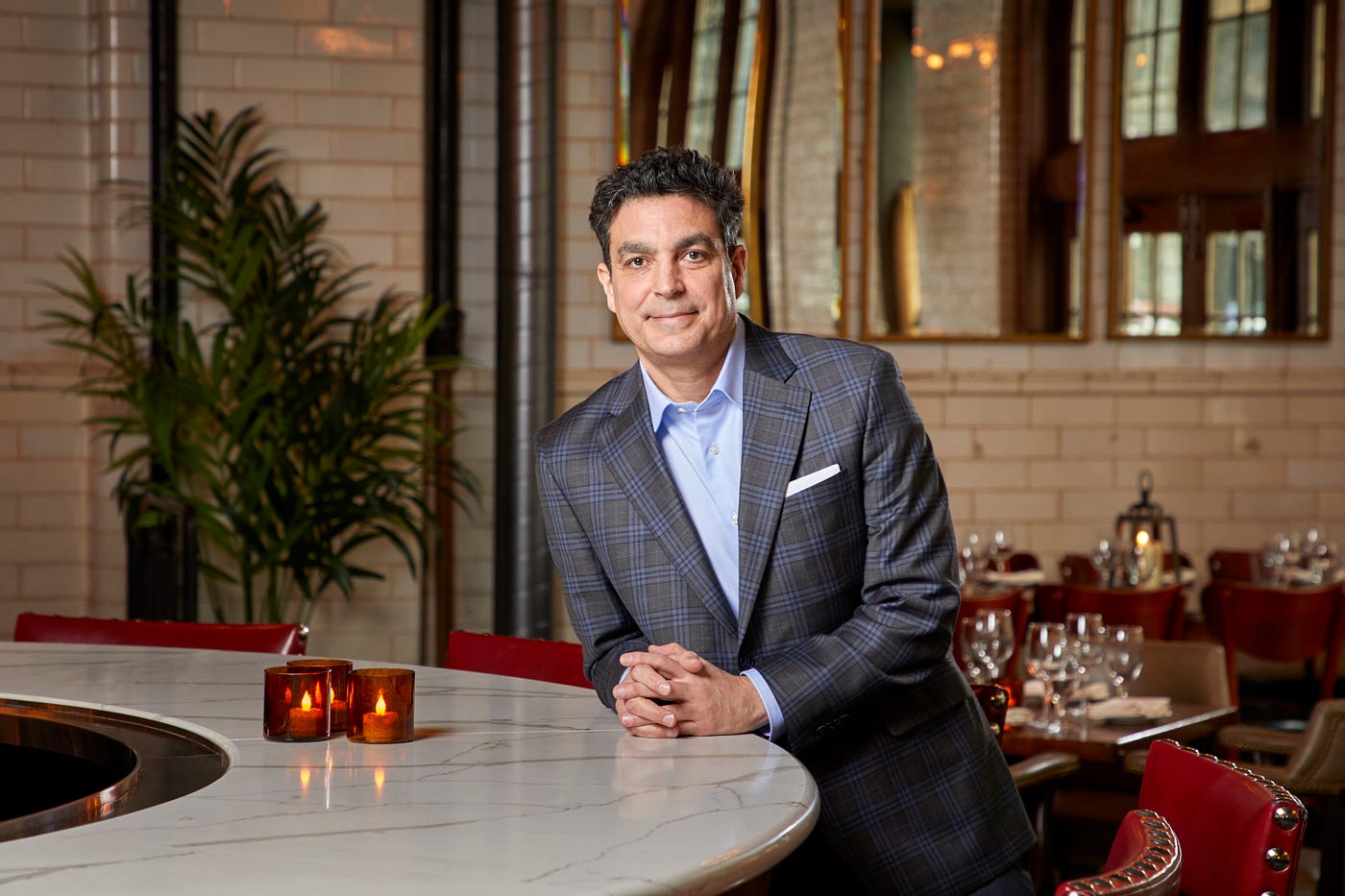
As part of our series about “5 Things I Wish Someone Told Me Before I Became a Restaurateur”, I had the distinct pleasure of interviewing Matthew O’Malley.
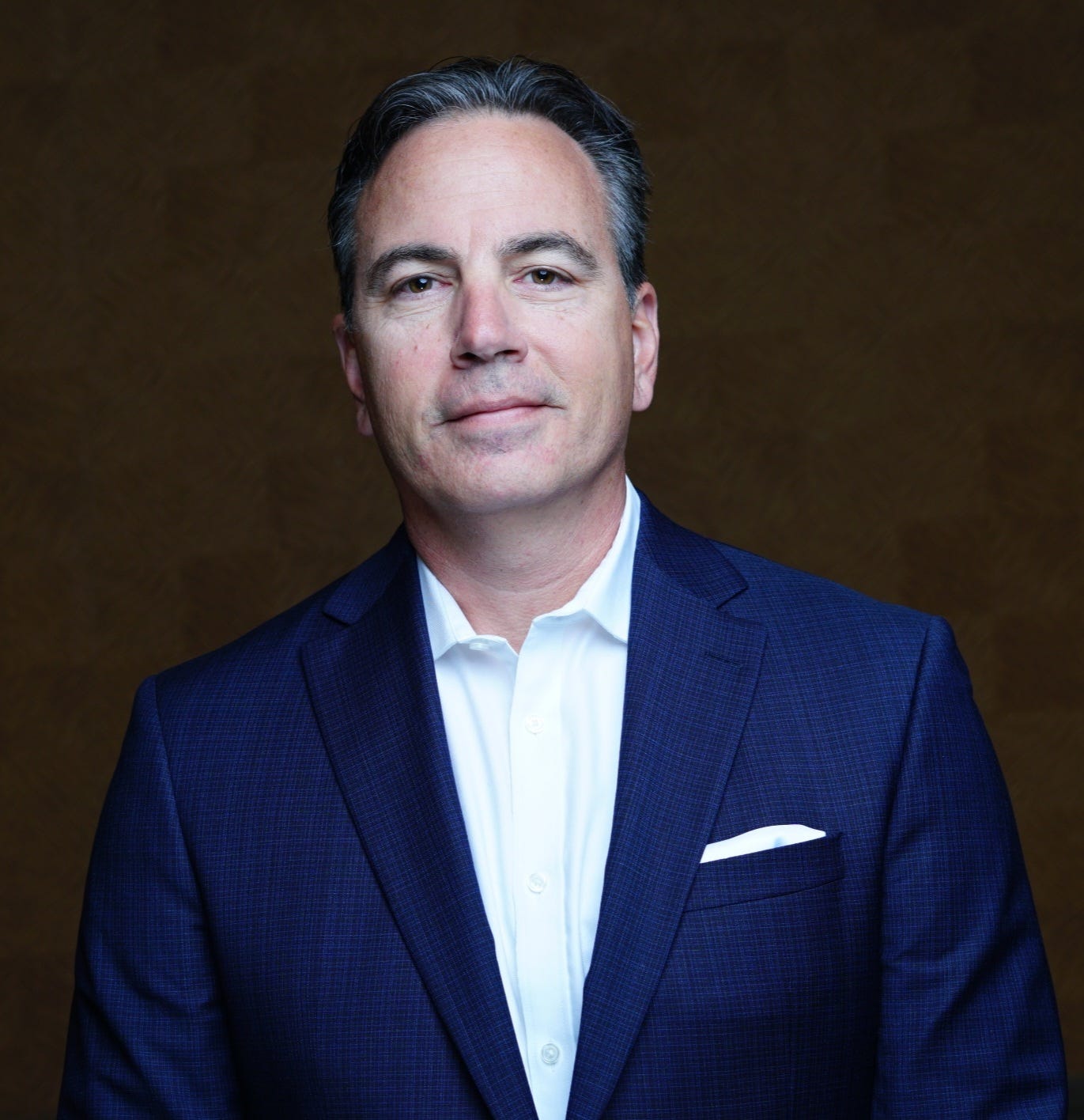
Matthew O’Malley is a man with a vision who is committed to making Chicago a better place. Through his efforts in real estate, hospitality and community involvement, he is constantly seeking new and exciting ways to give back to Chicagoans — whether it’s through a delicious dinner, an urban development, or even just a charitable venture. His unwavering work ethic, foresight and fearlessness have helped revive struggling neighborhoods and led to innovative new endeavors.
Thank you so much for doing this with us! “Our readers would love to ‘get to know’ you a bit. Can you share with our readers a story about what inspired you to become a restaurateur?
The hospitality that I observed growing up inspired me to become a restaurateur. We had a large family and often were entertaining.
Do you have a specific type of food that you focus on? What was it that first drew you to cooking that type of food? Can you share a story about that with us?
Approachable food, sharable food, and simple food that is done very well.
Can you share the funniest or most interesting story that happened to you since you became a restaurateur? What was the lesson or takeaway you took out of that story?
In my first bar, we had some remodeling done. It was a Saturday evening, and the bar was at capacity. The toilets started to overflow. I called the contractor and he instructed me to go downstairs. I thought I might have to turn some valves, but I had to take a sledgehammer to the waste pipe and split it open. I was covered in waste. I learned that you must do anything it takes to keep the party going. Also, know your building and stay close to your contractor.
Can you tell us a story about the hard times that you faced when you first started your journey? How did you overcome this obstacle?
I had a hard time finding financing. I was 21 when I started my first bar, so it was difficult to obtain financing. What I learned — perform well and have a “good report card” for the bank. Always be honest and have a personal relationship with your bank so they understand your vision and business practices.
In your experience, what is the key to creating a dish that customers are crazy about?
Never settle, always try to make it better, and make it thoughtful.
Personally, what is the ‘perfect meal for you?
Anything southern is my perfect meal.
Where does your inspiration for creating come from? Is there something that you turn to for a daily creativity boost?
My inspiration comes from our guests — trying each day to exceed expectations.
Are you working on any new or exciting projects now? What impact do you think this will have?
Blue Room — a lounge in our restaurant. It will provide an escape for our guests, a “drinking den”.
What advice would you give to other restaurateurs to thrive and avoid burnout?
Continue to find your passion through your team members and guests it will remind you why you are in it.
Thank you for all that. Now we are ready for the main question of the interview. What are your “5 Things I Wish Someone Told Me When I First Started as a Restaurateur” and why?
- It never gets easier.
- Financial Risk.
- Physical Toll — long days, we are an independent restaurant so very involved at every level.
- Finding good people — human capital is the most important, as well as finding people who understand your vision.
- It takes work and time to build a solid culture.
What’s the one dish people have to try if they visit your establishment?
Lobster Bisque!
You are a person of enormous influence. If you could inspire a movement that would bring the most amount of good to the most amount of people, what would that be? You never know what your idea can trigger.
Create a workforce with young adults and help stir their passion for the restaurant business.
Thank you so much for these insights. This was very inspirational!
MM
Written by
Martita Mestey
Writer & ContributorContributor at Authority Magazine covering leadership, innovation, and industry insights.

Published inAuthority MagazineTop Lessons, Top Authorities · 42K Followers
Exclusive, curated interviews with the leaders and changemakers shaping tomorrow. Leadership lessons, industry deep dives, and executive profiles.