It’s less about influencers today and it’s more about creators who can strengthen your overall brand equity in a real, authentic way. In the past, anchoring yourself with a celebrity was always a key part of planning — particularly if you could afford it — and today, it’s just not as important as it once was.
Business
Matt Smith of Bragg Live Food Products: The Authenticity Paradox That Replaces Celebrity Endorsements in Modern Brand Building
The veteran marketing executive discusses his transition from P&G to the natural products industry, emphasizing the necessity of democratizing wellness through accessible, purpose-driven, and authentic brand storytelling.
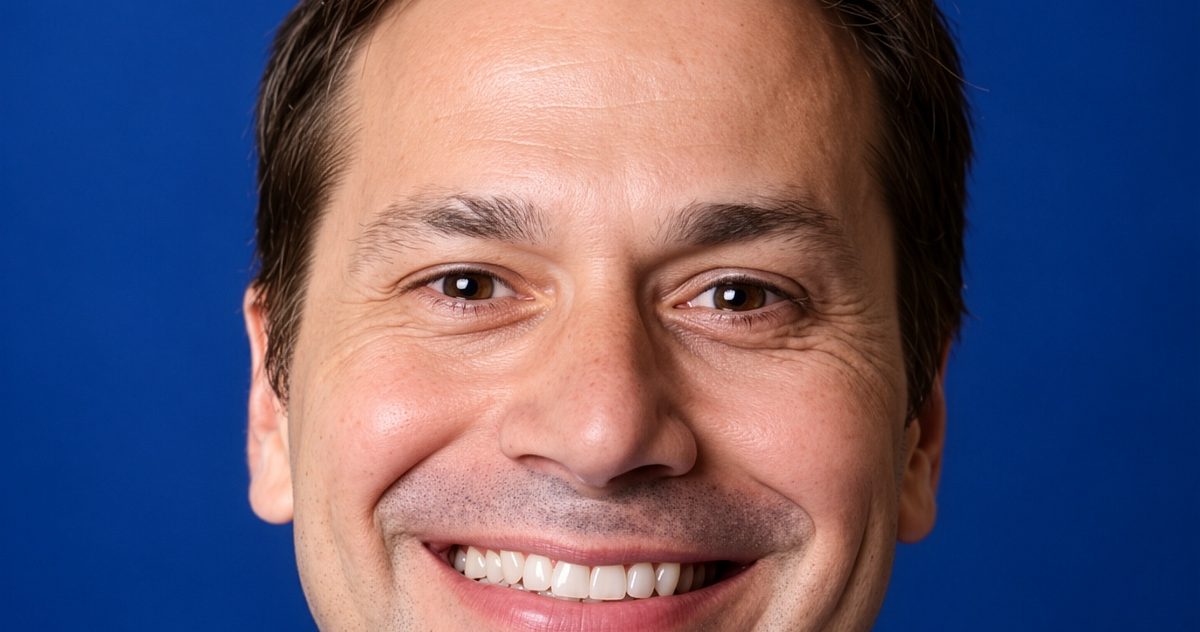
As a part of this series, we had the pleasure to interview Matt Smith.
Matt Smith is Senior Vice President of Marketing at Bragg Live Food Products, the iconic health and wellness company founded in 1912 and the market leader in Apple Cider Vinegar. As a member of Bragg’s executive leadership team, he leads the company’s brand, innovation, eCommerce, media, consumer insights, and growth strategies across its expanding portfolio of food, beverage, and supplement products. Prior to Bragg, Matt held senior marketing leadership roles at MegaFood, Tom’s of Maine, Grove Collaborative, and Procter & Gamble. Over more than two decades, he has led brand transformations, breakthrough innovation platforms, digital commerce initiatives, and award-winning marketing campaigns for some of the world’s most recognized consumer brands. Throughout his career, he has been drawn to purpose-driven companies, spending much of the last 15 years helping build and grow Certified B Corporations committed to creating positive impact for people and the planet. He is passionate about combining consumer insight, compelling storytelling, innovation, and commercial discipline to drive sustainable growth.
Thank you so much for joining us in this interview series! Can you tell us a story about what brought you to this specific career path?
I started my marketing career in advertising at Young & Rubicam in New York. I had studied English at Amherst and was considering law school, but advertising offered something that immediately appealed to me: the opportunity to combine creativity, consumer understanding, and business. I quickly fell in love with brand building and the ability to use creativity to solve real business problems. After five years in advertising and working across different industries and specializing in minority markets, I really wanted more ownership over brands while trying to more deeply understand consumers.
That pull led me to business school at Boston College and ultimately Procter & Gamble in 2005 where I started as an intern at Gillette. It was my dream to be at P&G and I spent six years there. I later helped lead the North American launch of Gillette Fusion ProGlide and ProSeries, one of the most successful launches in Gillette’s history. It was an amazing experience from start to finish, and I’m proud of that launch. P&G was a dream role for me and I learned a ton, but I became increasingly drawn to purpose-driven companies where sustainability, health and wellness and being a force of good in the world were more closely connected, were the driving force behind a company’s core reason for being.
I moved back home to Maine, where luck would have it, Tom’s of Maine needed someone to lead their brand management and category marketing team. It’s not easy for brands to lead in sustainability and natural space in a way that helps drive consumer behavior change. The challenge for better-for-you brands is that they must be accessible, perform exceptionally well — no trade offs, and deliver an experience consumers genuinely enjoy. Being natural and sustainable alone is not enough. My motivation has been and continues to be democratizing better-for-you brands, eliminating economic barriers and making them accessible to everyone. Advances in formulation, natural science, and product experience have made natural and sustainable products more credible, effective, and accessible than when I entered the industry. While I’m definitely not a father of the natural product category by any means, I was fortunate to come in at a time when it was flooding with advancements, innovation and new better for you brands that were disrupting and challenging category norms. Consumers increasingly expect brands to demonstrate that their actions match their promises, particularly on health and wellness, sourcing, sustainability, and social impact. Joining Bragg in 2025 brought together the major threads of my career: iconic brand building, innovation, health and wellness, sustainability, and commercial growth.
Can you share the most interesting story that happened to you since you began at Bragg?
Bragg Organic Apple Cider Vinegar is one of those iconic products that most people in the US attribute with health and wellness, whether general wellness to digestive health and immune support.
I would say one of the most interesting stories that’s happened since I joined Bragg (or what has surprised me the most) has been realizing just how much bigger Bragg is than the product it’s most known for, which of course is its organic apple cider vinegar in that instantly recognizable yellow and red glass bottle. Reading the founders’ books and evaluating their teachings against the latest cutting-edge science and research on health and wellness, including newer topics like healthspan, it’s hard not to think, wow, they really were onto something. The things that they were talking about — eating food that looks like itself, getting the majority of our calories from plants, importance of hydration and exercise, eating simply and mindfully — these are now the things that consumers and leaders in health and wellness are focused on today. They really were true health and wellness pioneers — and I am not just saying that because I work here now!
Can you share a story about the funniest mistake you made when you were first starting? Can you tell us what lesson you learned from that?
This is a hard one as I am sure when I made the mistake I did not think it was funny at the time. I would probably say that one of the funniest mistakes — or maybe funniest misconception — was that people around me must be just as interested in what I am doing and they want to know everything and everything that is happening. So, when I first started out, I recall one of my emails I sent on a project update that was probably, if you printed it out, 4 pages long. Marketers are storytellers — so I was clearly harnessing that part of my personality. I have since learned and embraced “less is more”. Everyone is extremely busy — they want the key takeaway, reco, decision, what next. If people want to learn more, they will ask.
Marketing is always evolving. Is there a strategy you swore by five years ago that you’ve completely rethought today?
Good question. It’s so interesting to me that the classic principles of brand building are still as important today as they were 50 years ago. It’s about being consistent while also continuously innovating to stay current and fresh. One thing that I thought was critically important that’s maybe not as important today is celebrity endorsements and partnerships. It’s less about influencers today and it’s more about creators who can strengthen your overall brand equity in a real, authentic way. In the past, anchoring yourself with a celebrity was always a key part of planning — particularly if you could afford it — and today, it’s just not as important as it once was. People are craving authenticity more than ever and while celebrities can still work, it’s not enough. And then you add in cancel culture, aligning your brand with a celebrity can carry even more risk and baggage.
Can you share a campaign or project that didn’t go as planned? What did you learn from that experience, and how did it shape your approach moving forward?
Earlier in my career, I was working with a retailer on a new, low-price, entry-level natural product. On paper, it looked like it would be a great idea. The natural category was growing, the retailer’s shoppers were price-sensitive and price remained a top barrier to trial for natural products. The team’s belief was that a lower priced natural product would help to expand the market further. We even designed the packaging to look like the less expensive or basic version of our other products.
In the end, this basic, low-priced natural product wasn’t what consumers were looking for; it wasn’t helping move people from conventional to the natural category because the entry level product on its own wasn’t compelling enough to get someone to switch from what they were currently using. It was not just the price. Unfortunately, it totally bombed.
The lesson wasn’t that lower price, accessible natural products aren’t bad at all. Consumers can tell when you’re solving a real problem or not. A product can look great in a concept, but if it isn’t addressing a genuine consumer need, it will struggle to get traction. Consumers will tell you. Make sure you get your insight right.
Data is everywhere now, but it can be overwhelming. How do you decide which metrics to prioritize when shaping your strategies?
Agree, there are more metrics available today than ever before, which for brand builders, is both a blessing and a curse. In my view, the fundamental principles of brand building and growth still apply, which helps keep me grounded in the metrics that work while still being agile in adopting newer data models. I always start with the core metrics: brand awareness and consideration (the health of your brand funnel), household penetration (are more people buying you), market share (are you winning vs. competition), what’s happening at the physical shelf, i.e. velocities (how fast are you turning, are you meeting your and your retailers’ expectations), and the digital shelf (page traffic, conversion, etc). Then I spend most of my time trying to understand the whys behind the numbers, because it’s one thing having the data, it’s something else entirely understanding the drivers behind the results. And in some cases, it takes time to get to the true WHY. Are consumers behaving differently? Did a competitor launch a new product, or is there a new competitor entirely? Is promotion activity driving the change? Is our creative and advertising working as it should?
At the end of the day, marketing’s primary job is still to drive household penetration and create demand. That’s why I’m always focused on how our efforts are influencing the consumer funnel, bringing new people into the brand, and motivating purchase. I also spend a lot of time evaluating our media mix and overall investment strategy because growth only matters if it’s profitable and sustainable.
What’s one unconventional or bold marketing move you’ve made that turned out to be a game-changer for your company?
When I was at Tom’s of Maine, there was a belief that we needed to continue to focus on driving our number one category, toothpaste. We were driving toothpaste but what was challenging was that we weren’t moving the needle as much as we wanted to on the brand. We took a risk and shifted into bigger brand messaging. We went from a decline in growth to double digit growth across all products. The lesson is that you can’t forget your brand. Building that brand equity was critical because it’s what people are buying into. If you don’t have a strong brand, your ability to stretch into other categories becomes very limited.
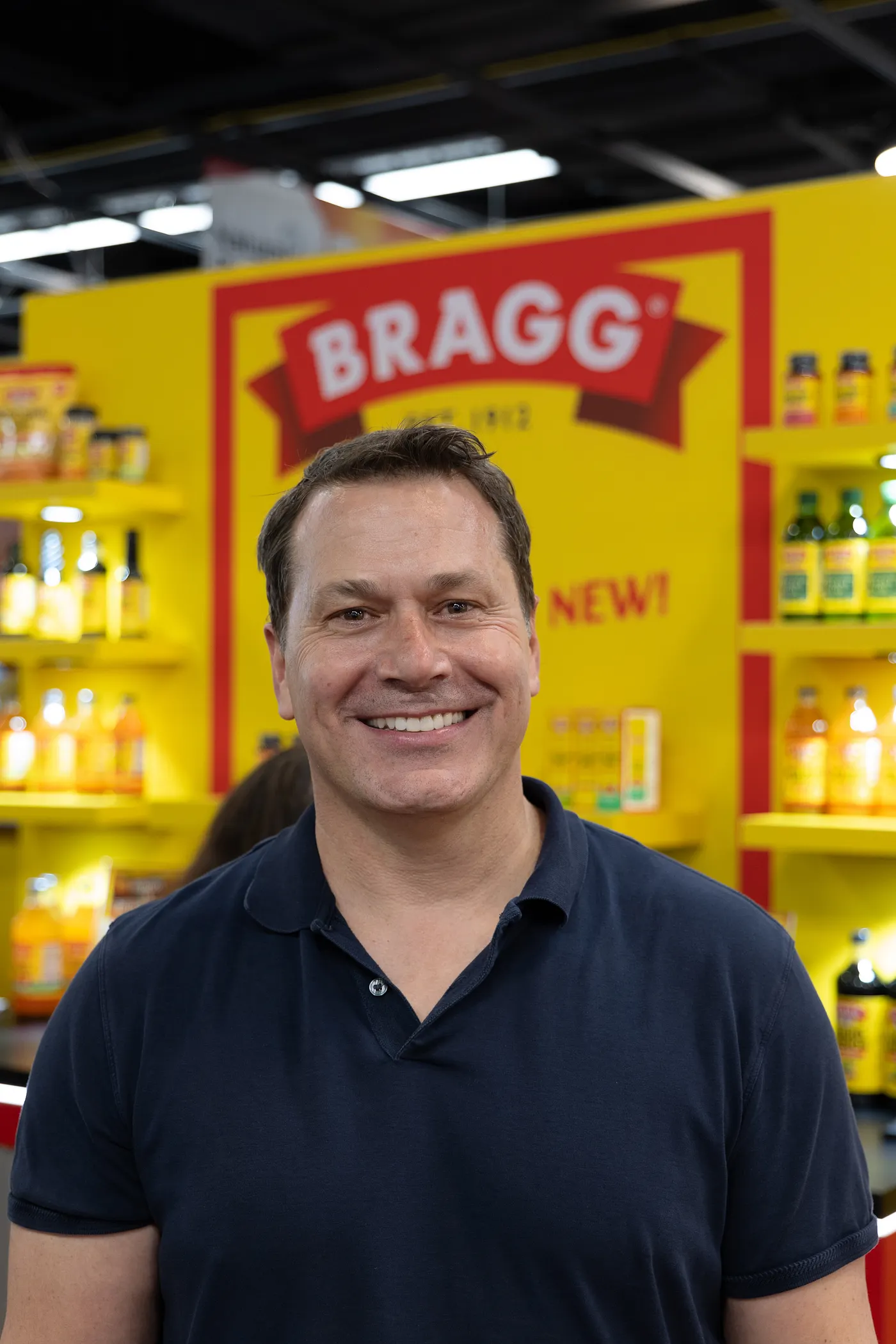
What are your “Top Five Marketing Strategies” and why. (Please share a story or example for each.)
I actually have six. And I’m looking at them right now because I like the visual reminders. That’s just how I roll.
1. Know where you are and where you want to go. So many brands, most if I’m being honest, don’t have a roadmap. They’re just floundering. They don’t even know what they’re doing next year. You have to have a vision and roadmaps change, but you need one or else you’re just driving aimlessly. Not every detail will end up exactly right, but everyone knows at least where we are all rowing to and their role in getting there.
2. Be clear on your insight and focus on the job that needs to be done. What problem are you solving for consumers? When I was at Tom’s of Maine, we launched Wicked Cool!, one of the natural products industry’s first toothpastes designed specifically for tweens. The insight was simple: most toothpaste was developed either for young kids (fruit) or adults (spicy/hot mint), but nothing really existed for kids in between — a lighter mint — that still got the job done: fresh breath. Once we understood the job to be done and designed the product and marketing around that unmet need, it became one of our most successful innovations.
3. Creativity! Embrace disruptive, emotional and brand-forward creative. People buy into brands first and what you stand for. At MegaFood, we launched “Plant-Powered for the People,” which became a defining platform for the brand. It wasn’t just about selling supplements. It was about making health and wellness feel more accessible, human, and inclusive. The campaign helped drive record awareness and strengthened the brand well beyond individual products.
4. Right level investment that builds on high, sustainable reach. Build that mental availability. When I was leading marketing at Tom’s of Maine, we significantly increased investment behind the brand after several years of relatively limited support. Rather than spreading resources too thin, we concentrated spending behind the most important growth opportunities and built a more consistent presence across paid, earned, owned, and shopper marketing. That approach helped the brand significantly accelerate sales growth in both our oral care and personal care categories. It reinforced something I’ve seen repeatedly throughout my career: brands can’t go quiet and expect consumers to remember them. They have other options.
5. Strong branding. Reinforce ownable, distinctive brand assets. Over and over and over. Think about the Bragg bottle, the yellow and red label, or the Mother in our Apple Cider Vinegar. Those are assets consumers recognize immediately. The strongest brands create those cues and then have the discipline to use them consistently for years instead of constantly chasing the next new thing.
6. Execution, execution, execution. I learned this lesson at P&G when I was leading the North America launch of Gillette Fusion ProGlide. It was one of the biggest launches in the company at the time, with enormous resources, consumer research, agency support, spending, and planning behind it. Hundreds of people worked on some aspect of that launch. What struck me was that despite all of that strategy, the success ultimately came down to flawless execution across hundreds of details, from packaging and merchandising to advertising, retail readiness, pricing, and supply chain. Consumers never saw the strategy deck. They saw the advertising, saw how we showed up at the shelf, and ultimately experienced the product itself. You had to nail every aspect. And we did and that’s what made it a success. That has stayed with me throughout my career.
With so many platforms and trends popping up constantly, how do you strike the right balance between trying new things and sticking with what you know works?
Listen, listen, listen. Listen to your consumers. The worst thing you can do is chase trends that consumers later reject. Listen to consumers and honor what’s meaningful to them, whether it’s ingredients, environmental impact or whatever it might be. I’ve never worked in a hyper trends-focused industry like fashion so the category I’m in is very different but no matter what industry you’re in, you have to keep your fingers on the pulse of consumers. If you constantly follow fleeting trends, you’ll erode your equity. There are some brands I see and I don’t even know who the brand is anymore because they’ve been changing so much. Consistency is critical. There’s a saying, “The people who get bored by your marketing first are marketers.” Consumers like consistency.
Looking ahead, what’s a major shift or trend in marketing that you think CMOs need to prepare for in the next five years?
Obviously, A.I. We’re seeing the aftershocks of a world trying to absorb it at a speed with pushback. Marketers have to be careful. We’re now seeing influencers who are fake or an abundance of companies using A.I. in their advertising. Marketers need to understand how A.I. fits into their arsenal and equally, where it does not fit. Be who you are and don’t be something that’s not true to your brand just because A.I. makes it accessible.
You also have to show up. A.I. is transforming how people are shopping and if you’re not showing up in those channels, you’re missing the boat. We need to be physically available and ready for consumers in a way they know and trust. Your brand will become invisible if you’re not meeting consumers where they are.
If you could inspire a movement that would bring the most amount of good to the most amount of people, what would that be? You never know what your idea can trigger.
The first thing that comes to mind that would change the world is practicing the golden rule. It’s so simple, but treat others as you would want to be treated. If people took time to pause and consider the impact they have on others, there would be so much less disruption and chaos in the world. Throughout my career, I’ve approached challenges and hurdles by putting myself in someone else’s shoes. This has taught me how to exercise more gratitude and empathy professionally and personally. If we’re able to build those bridges and connect with people eye-to-eye and scale that to society as a whole, we’d create a better world for everyone.
Thank you so much for the time you spent with us. We wish you continued success!
About The Interviewer: Tavares Beverly ( www.tavaresbeverly.com ) is the Founder and CEO of Beverly Boy Productions, a national video production company that has helped organizations tell their stories through video for more than two decades. Over the course of his career, he has worked with everyone from Fortune 500 executives and healthcare professionals to politicians, nonprofit leaders, educators, and artists, gaining a unique perspective on the role communication plays in leadership, business, and human connection. A frequent contributor on topics including communication, entrepreneurship, leadership, and personal development, Tavares believes that the ability to communicate effectively is one of the most valuable skills a person can develop. His work is driven by a passion for helping organizations connect with their audiences and helping individuals unlock their potential through mentorship, perseverance, and meaningful relationships. To learn more, connect with Tavares on LinkedIn or visit www.BeverlyBoy.com . If you’re interested in using the power of storytelling and communication to grow your organization, strengthen your brand, or inspire your audience, he welcomes the opportunity to connect.
TB
Written by
Tavares Beverly
Executive Contributor · Authority MagazineTavares Beverly is an executive interviewer and contributor covering leadership, culture, and business for Authority Magazine.

Published inAuthority MagazineTop Lessons, Top Authorities · 42K Followers
Exclusive, curated interviews with the leaders and changemakers shaping tomorrow. Leadership lessons, industry deep dives, and executive profiles.
More from Authority Magazine
See all stories →
T
Tavares BeverlyOliver Silverstein of SoaR: How Shifting From Exclusive Rosters to Talent-Agnostic Creative Strategy Scaled Our Media Business
Business8 min read

T
Tavares BeverlyKevin Gaspar of Yirl: The Principle of Manual Iteration That Drives Authentic Human Connection
Business16 min read

T
Tavares BeverlySkylar Caldwell: Why Making Mistakes Can Actually Be Your Greatest Viral Asset
Business8 min read
T
Tavares BeverlyJustin Escajeda of Escajeda Holdings: Reputation and Human Capital Are the Only Assets Worth Acquiring
Business28 min read