This was an important wake-up call and taught me the importance of talking only when you have something to say that is backed by data and insights, otherwise better to listen and learn, no matter the topic of discussion.
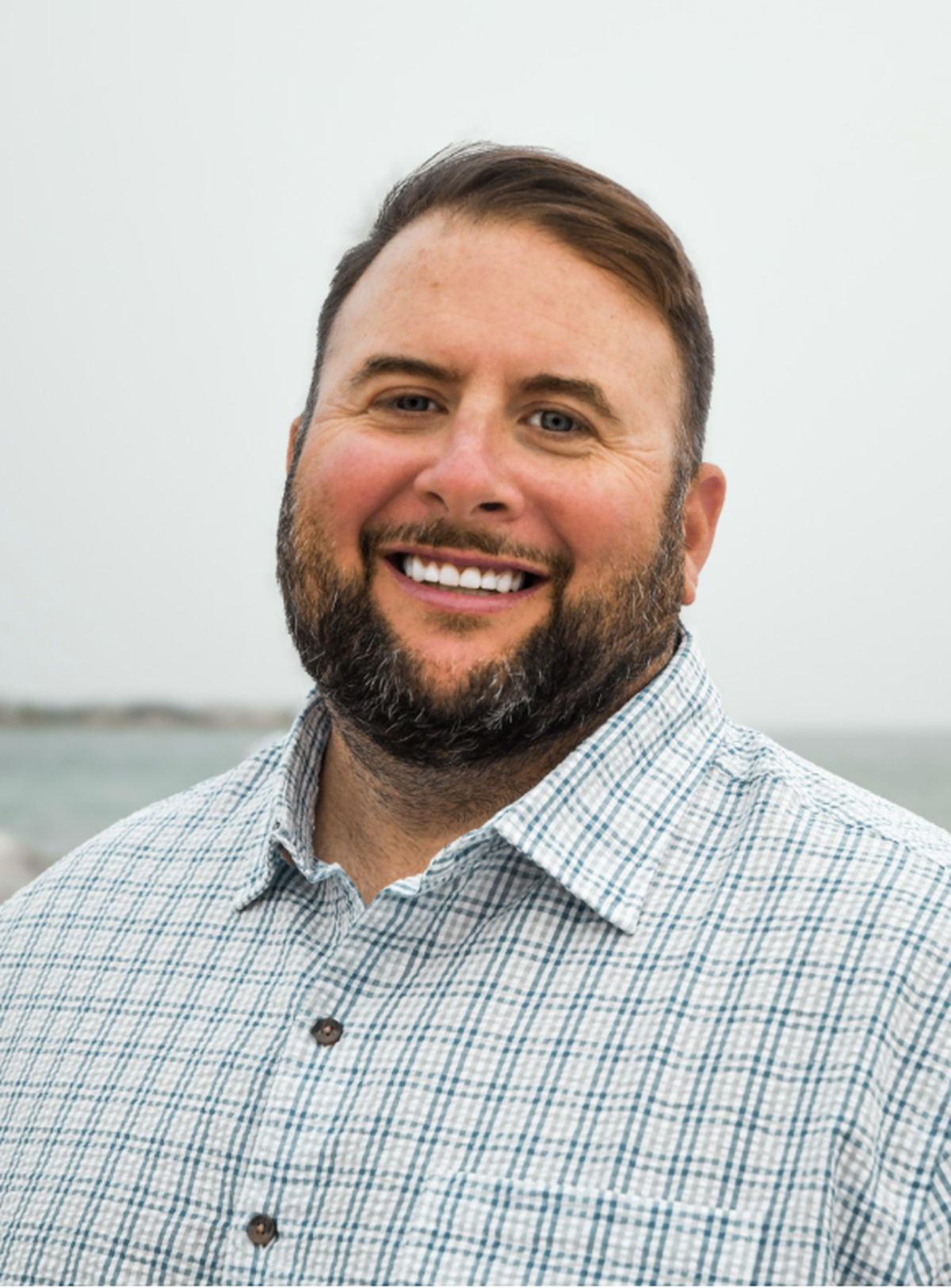
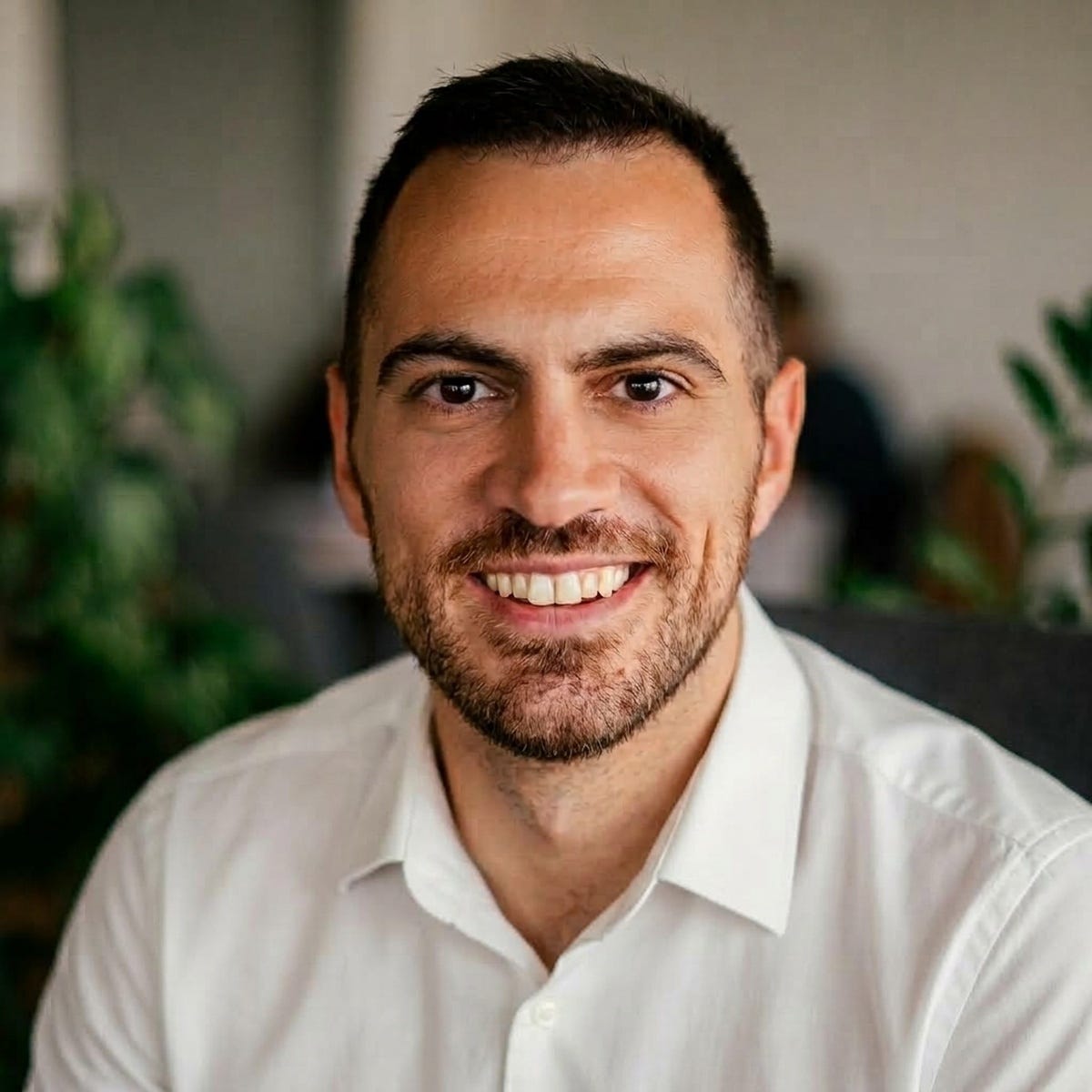
As a part of this series, we had the pleasure to interview Marco Ferrara.
Marco Ferrara is an agile, data-driven marketing leader with over 10 years of experience scaling brands and revenue across FMCG & Tech. Before joining Daytrip, Marco built his career through a mix of marketing and strategic sales roles at companies such as P&G, Uber, and Trainline. He holds a CEMS Master’s degree in International Management from Bocconi University & Keio University, and a bachelor’s degree in Industrial Engineering. He is well recognized for his ability to mix a very analytical approach with creativity and brand campaigns, delivering results that can be measured and improved upon at any time.
Thank you so much for joining us in this interview series! I know that you are a very busy person. Can you tell us a story about what brought you to this specific career path?
It happened almost by accident; growing up, I was always really good with numbers. Math and physics came easily to me. I chose industrial engineering for my bachelor’s degree, and as part of that, I studied subjects linked to economics. They showed me that to succeed, you need not only numerical skills but also presentation and management skills. I then decided to continue my education in business, and there I realized that brand management could be my path: you use numbers to inform decisions that have a concrete impact on the business strategy and results. From there, it has been a constant path of wanting to learn more and getting new skills — from central creative to local delivery, all the way to commercial strategies. Finally, I always knew I wanted to pivot into tech, as that is where I feel the real innovation has been coming from in recent years; once I got a taste of it, I realized I never wanted to go back to any other sector.
Can you share the most interesting story that happened to you since you began at your company?
One of the most interesting things about starting a new job, especially when it also involves adapting to a new country and culture, is getting caught firsthand by what we call culture shock. Realistically, more than a shock, it’s just getting caught by surprise by different customs. One of the more curious ones, which required a bit of adaptation (and to be completely transparent, I have yet to embrace fully), was about the working hours: as an Italian working in marketing, I was used to starting relatively late (9:45 in the morning is a perfectly acceptable time) and grabbing a fairly large lunch break (45–60 minutes on average), resulting in a normal working day closing around 7 pm or, in some cases, even a bit beyond that. You can imagine my surprise when, on the first day, I found myself almost alone at the office after 4 pm. I didn’t understand where everyone was until the same thing happened the next day, which made me realize that people had just gone home. This was unique to me, but it also showed me something to consider as we operate with a dispersed workforce model, with people on my team working from different places and time zones where this schedule doesn’t apply. I had to consider meeting times and who I was inviting to ensure it was appropriate. Now I am mixing it up a bit, usually finishing a bit later than most (while also starting a bit later), but keeping the lunch break at the same time as the Prague-based team so I have early-afternoon slots available to meet people at the office.
Can you share a story about the funniest mistake you made when you were first starting? Can you tell us what lesson you learned from that?
I remember very vividly; it was at the very beginning of my career, the very first day of an internship in marketing, and I was determined to impress, to show that I had skills. During the day, the team started to talk about a product that wasn’t performing as expected, and I decided to give a very confident yet completely personal opinion on why this was the case, arguing that the positioning and target were wrong. I thought it would make me sound smart and up to speed with the business. Little did I know that it would cause the opposite effect, with my manager complaining about it quite a lot as I sounded like an insufferable know-it-all who talked with no shred of evidence behind my words, basically suggesting that other people’s work was terrible.
This was an important wake-up call and taught me the importance of talking only when you have something to say that is backed by data and insights, otherwise better to listen and learn, no matter the topic of discussion. Mismatching personal opinions with hard facts and basing your strategy on those is a recipe for disaster.
Ok super. Thank you for all that. Let’s now shift to the main focus of our interview. Marketing is always evolving. Is there a strategy you swore by five years ago that you’ve completely rethought today?
There are quite a few strategies that I keep rethinking and improving over the years. But there is something I have completely revised in the last 5 years, surprisingly and counterintuitively since I moved into the tech world, and it is related to media plans and channels used for marketing campaigns. As a tech enthusiast convinced that technology will always improve and simplify our lives, I assumed the same shift would happen in this field, leaving little room for traditional, static channels like OOH or audio. With more and more opportunities for dynamic content, new channels (Snapchat, TikTok, etc.), targeting skills, and creative approaches, I was sure that plain, old, static OOH and audio would soon be considered boring and become a very wasteful use of budget. However, when I got the chance to test this approach, I found out not only that these channels still had great potential to drive marketing metrics but that, when approached creatively from scratch with ad hoc elements, they can perform even better than glossier channels and at a very competitive cost. Since then, I’ve been building plans that mix different channels with the right formats to ensure we cover our targets better, while always leaving some room for testing so we can intercept new opportunities.
Can you share a campaign or project that didn’t go as planned? What did you learn from that experience, and how did it shape your approach moving forward?
A few years ago, I was leading a brand campaign to announce the launch of a new product. This was a very high-visibility project, as it was positioned as a high-priority initiative across the European market and represented an extremely relevant moment for the business, with the CEO himself announcing the launch to the world. Given the relevance, as it often happens, all eyes were on us, and multiple stakeholders took part in the project: from marketing to creative, from media to external agencies. However, the production hit a few hiccups, with a few delays here and there, plus the launch of the product itself happening later than we originally planned. The rocky development led to a platform that I was not satisfied with, but given the pressure, it was decided to be launched anyway.
The results unfortunately fell very flat, with the campaign unable to leave a mark and the business reverting almost immediately to its previous communication platform, completely dismissing the newly built one. This was a powerful moment for me: it taught me that when I have concerns, no matter who is pressuring you from the other side, I need to raise my hand and speak up; as long as it is done politely, it’s better to have a tough discussion now than a tougher one later. No one wants agreement paralysis, but at the same time, as the market expert, I should have stood on firmer ground and made sure my feedback was listened to.
Data is everywhere now, but it can be overwhelming. How do you decide which metrics to prioritize when shaping your strategies?
It might not sound groundbreaking, borderline boring even, but I am a firm believer in Pareto’s law in every aspect of life, including work. Nowadays, we are flooded with data; there is more data available than we could ever hope for, and yet we constantly think it is not enough, or not the right data to make an informed decision.
I think that the hard part is exactly identifying which data are relevant for a strategy and which are not: if you use all available data, you will just make a very complex dashboard with little added value. Finding the few metrics that are able to predict/explain the vast majority of the outcome is what I aim to do when building a strategy. Ultimately, if you can optimize for your 80/20, you will go very close to the desired outcome.
What’s one unconventional or bold marketing move you’ve made that turned out to be a game-changer for your company?
When I first started, I reviewed the company’s activities and strategies, and what caught my eye was the sheer number of performance marketing queries/activities. This was because we were always trying to find new ways to attract users but reached a stage that was highly unproductive, fragmenting both bandwidth and budget into too many activities.
I believe less is more, so I studied the approach, and I asked the team to prioritize a full audit of the queries to apply the 80/20 strategy. This led to slashing more than 50% of our existing queries, resulting in a leaner, streamlined acquisition strategy. There was plenty of skepticism at first, but the results soon justified the call, delivering better ROAS without hurting conversion.

Ok super. Here is the main question of our interview. Based on your opinion and experience, what are your “Top Five Marketing Strategies” and why? (Please share a story or example for each.)
1. Always put your team in the position to deliver their best work. Every person is different and reacts differently to the same stimuli. When you are the manager, it means you are also the most senior person; it should be you who understands and adapts to what allows each team member to thrive, not the other way around. A concrete example is to adapt the length and frequency of one-on-one meetings to each team member, as some might need closer guidance and others more autonomy. Such an approach, I find, when paired with trust, generates positive morale and better work.
2. Find the right balance between performance and brand marketing. This is not a magic trick, it varies by company, and it’s dependent on the sector and the stage of the business. It’s quite clear nowadays that you need both — except in very few edge cases — although a lot of startups still fail to understand when to start investing in a brand; the error is thinking you just need to do both and you are good. On the contrary, investing without assessing the specific needs of the business can be heavily counterproductive.
3. Build the foundations before the house. Ensure the basics of your business are healthy before focusing on the rest. It’s often easy to focus on the latest trend or constantly test new things, but in most cases we don’t have to reinvent the wheel. Focus on the structural elements of your business, make sure they are solid and they work as they should, and you are already 80% there. Everything you build on top will have a much higher compound effect if built on a functioning business. At a tech startup like Daytrip, it’s easy to get swept up in new opportunities, AI ads being a good example. But before agreeing to test them, I made sure we had fully evaluated our acquisition strategy and fixed what was broken.
4. Get to know your audience. Find who the real consumer of your product/service is, understand their needs, where they look for information, and what elements they seek to make their choice. When you have multiple target audiences, it’s okay to tweak your message slightly to serve each of them better, as long as you are not sharing conflicting messages. Daytrip, for instance, has both B2B and B2C audiences, and both of them have multiple audiences, and we need to make sure that the messaging stays consistent across all channels.
5. Ensure you can deliver on your message. Building trust is a complex process. It takes time and positive experiences, but until it’s built, one single negative experience can destroy it. Nowadays, every company is trying to differentiate itself from competitors through USPs and different narratives; however, they often over-promise without a clear ability to deliver. This is business suicide, as you should only communicate (and commit) to a USP once you are sure you can deliver it and immediately take action to counteract those few times when you cannot.
Personally, in every company I join, I try to go through the whole purchase process multiple times and try the service/product on multiple occasions, so I can understand what the consumers go through and where the brand falls short of the promise, so we can act immediately to solve it or make sure that the communication doesn’t stress a weak point. For instance, this helped me completely change Uber brand messages in Italy to better fit the service specificity.
With so many platforms and trends popping up constantly, how do you strike the right balance between trying new things and sticking with what you know works?
It’s important to stay up to speed with the latest trends, but constantly reinventing a working strategy is rarely a recipe for success. At the risk of repeating myself, I firmly believe 2 things I mentioned earlier really help solve this conundrum: 80/20 and fix the basics. Make sure you have a solid, working plan for what drives most of your impact; once that is done, you add the complementary channel, and finally you leave some room for testing. A simple rule that has worked well in my career is to always leave 5–15% of your budget for testing (adjust based on the company’s risk/innovation appetite).
Looking ahead, what’s a major shift or trend in marketing that you think CMOs need to prepare for in the next five years?
This might not be the craziest answer, but I firmly believe what we need to prepare for is AI. This has been circulating for a couple of years now, and I think that the way it will impact us is changing fast. When GenAI first appeared, it seemed as if it was the panacea for all evils and everything at some point would be done through AI — from briefing to copyright and all the way to creatives. Then this idea quickly collapsed behind the initial limitations of the models and the cost. Then the models improved; new, cheaper, and open-source models arrived, but we started to realize that, especially when trying to wrap an emotional layer around an ad, people would reject AI-made content. In short, every time we were sure we understood how to use AI in marketing, we had to rethink our strategy quickly.
Nowadays, with AI advancing faster than ever, we need to properly understand how to leverage it to really add value and not because it’s cool. There will be scenarios where AI can do almost the full scope of work and others where it acts only as support. Finding that balance and understanding the moment where an expert human still has to vet the work will be critical. We have been trying to do that already at Daytrip: we have an in-house AI video expert, but we still vet the videos and use AI content only in selected places, not in our brand content.
Because of the role you play, you are a person of great influence. If you could inspire a movement that would bring the most amount of good to the most amount of people, what would that be? You never know what your idea can trigger. :-)
Realize how important what we eat is for our well-being: prioritizing whole foods and boycotting industrial junk food, and reverting to real, wholesome ingredients, will make all the difference in the world.
This was really meaningful! Thank you so much for your time.
About The Interviewer: Tavares Beverly ( www.tavaresbeverly.com ) is the Founder and CEO of Beverly Boy Productions, a national video production company that has helped organizations tell their stories through video for more than two decades. Over the course of his career, he has worked with everyone from Fortune 500 executives and healthcare professionals to politicians, nonprofit leaders, educators, and artists, gaining a unique perspective on the role communication plays in leadership, business, and human connection. A frequent contributor on topics including communication, entrepreneurship, leadership, and personal development, Tavares believes that the ability to communicate effectively is one of the most valuable skills a person can develop. His work is driven by a passion for helping organizations connect with their audiences and helping individuals unlock their potential through mentorship, perseverance, and meaningful relationships. To learn more, connect with Tavares on LinkedIn or visit www.BeverlyBoy.com . If you’re interested in using the power of storytelling and communication to grow your organization, strengthen your brand, or inspire your audience, he welcomes the opportunity to connect.