My most unique career experience was a recent design collaboration with superstar recording artist Pharrell Williams on a high-rise residential building project in mid-town Toronto.
Business
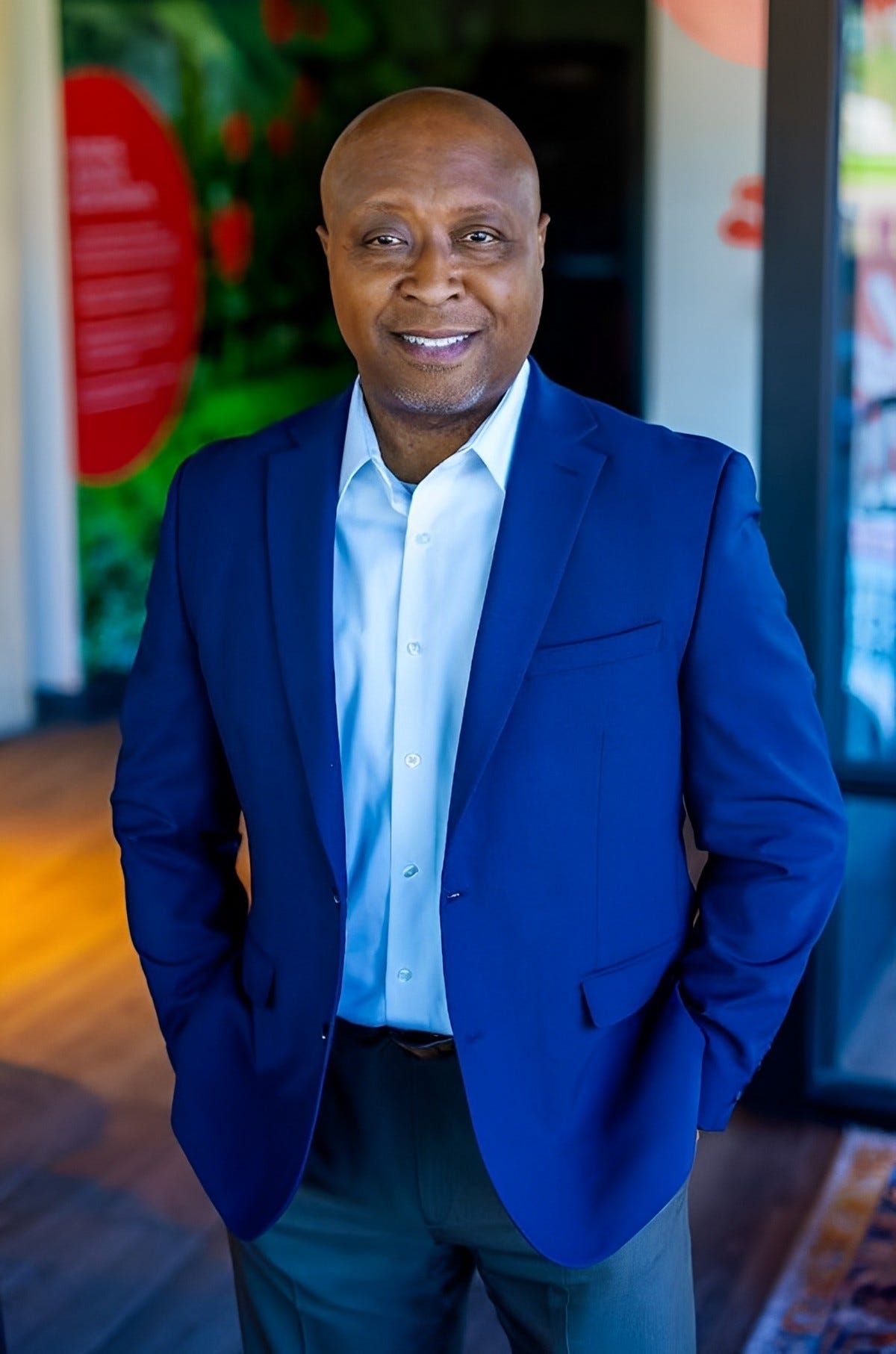
Mansoor Kazerouni of the architecture and urbanism division wi on Music, Meaning, and the Captaincy of Architecture
The Global Director shares how an early career pivot into architecture led to landmark international projects and a groundbreaking design collaboration with Pharrell Williams.
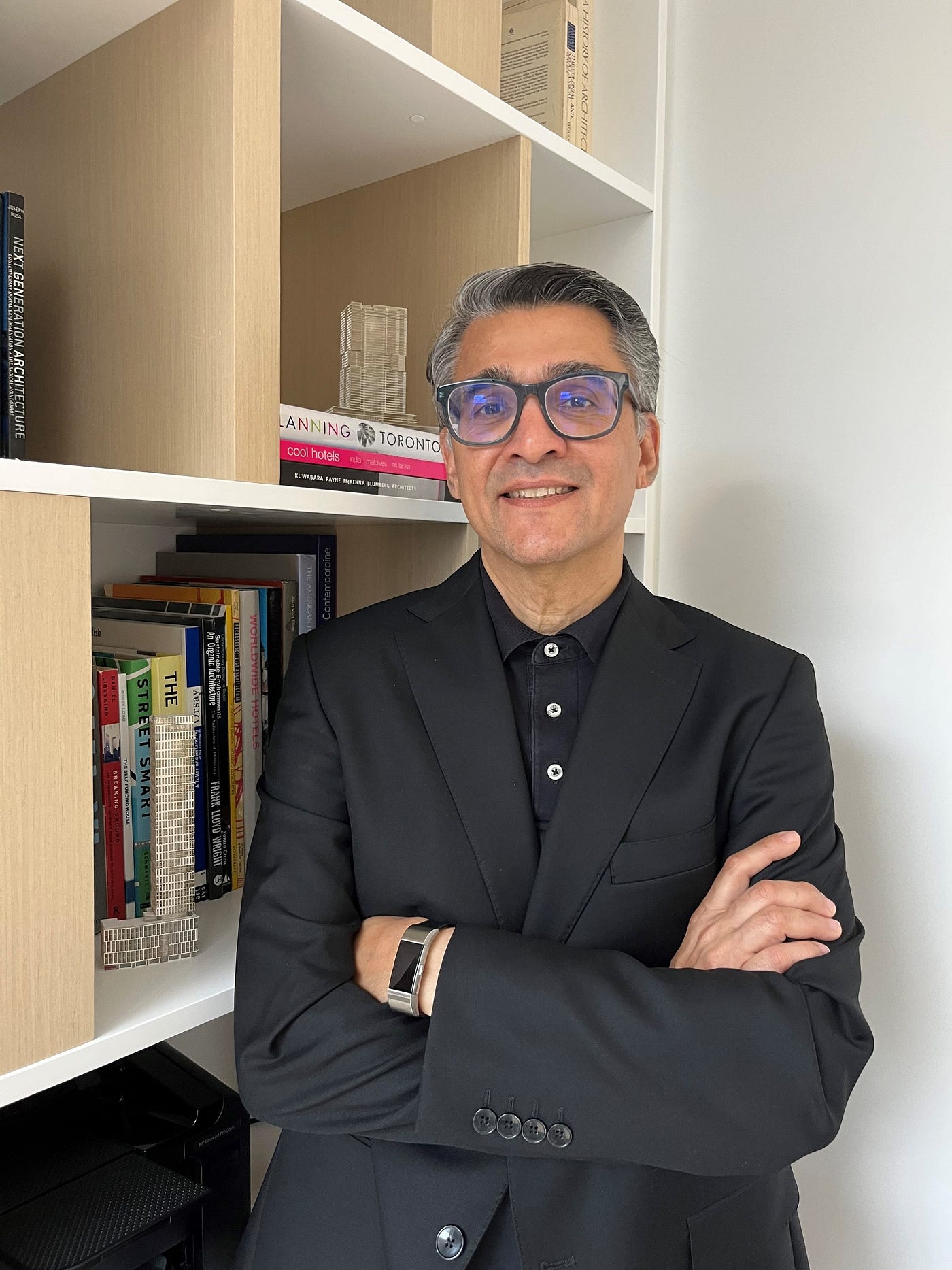
As a part of my series about the ‘Five Things You Need To Know To Create A Highly Successful Career As An Architect,’ I had the pleasure of interviewing Mansoor Kazerouni.
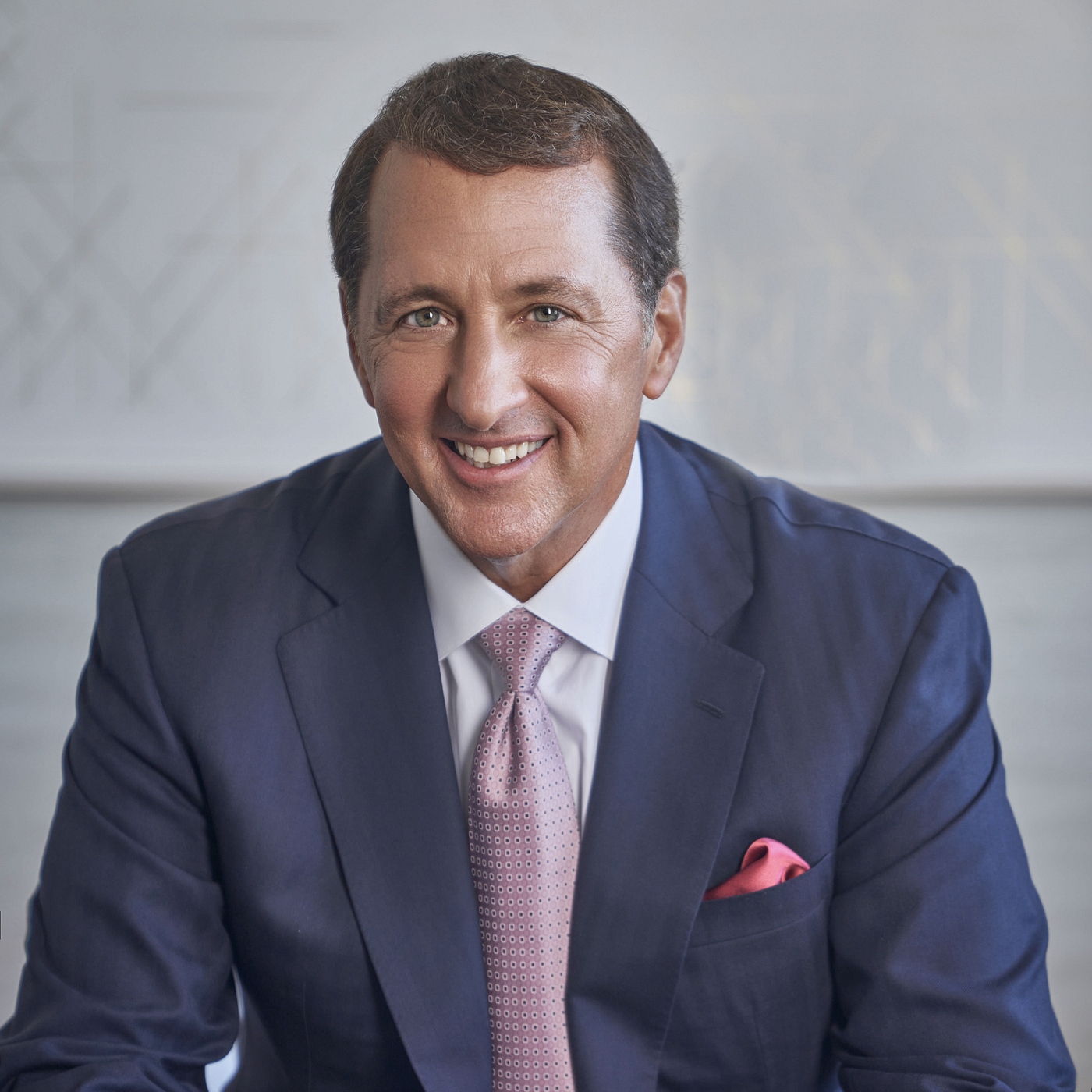
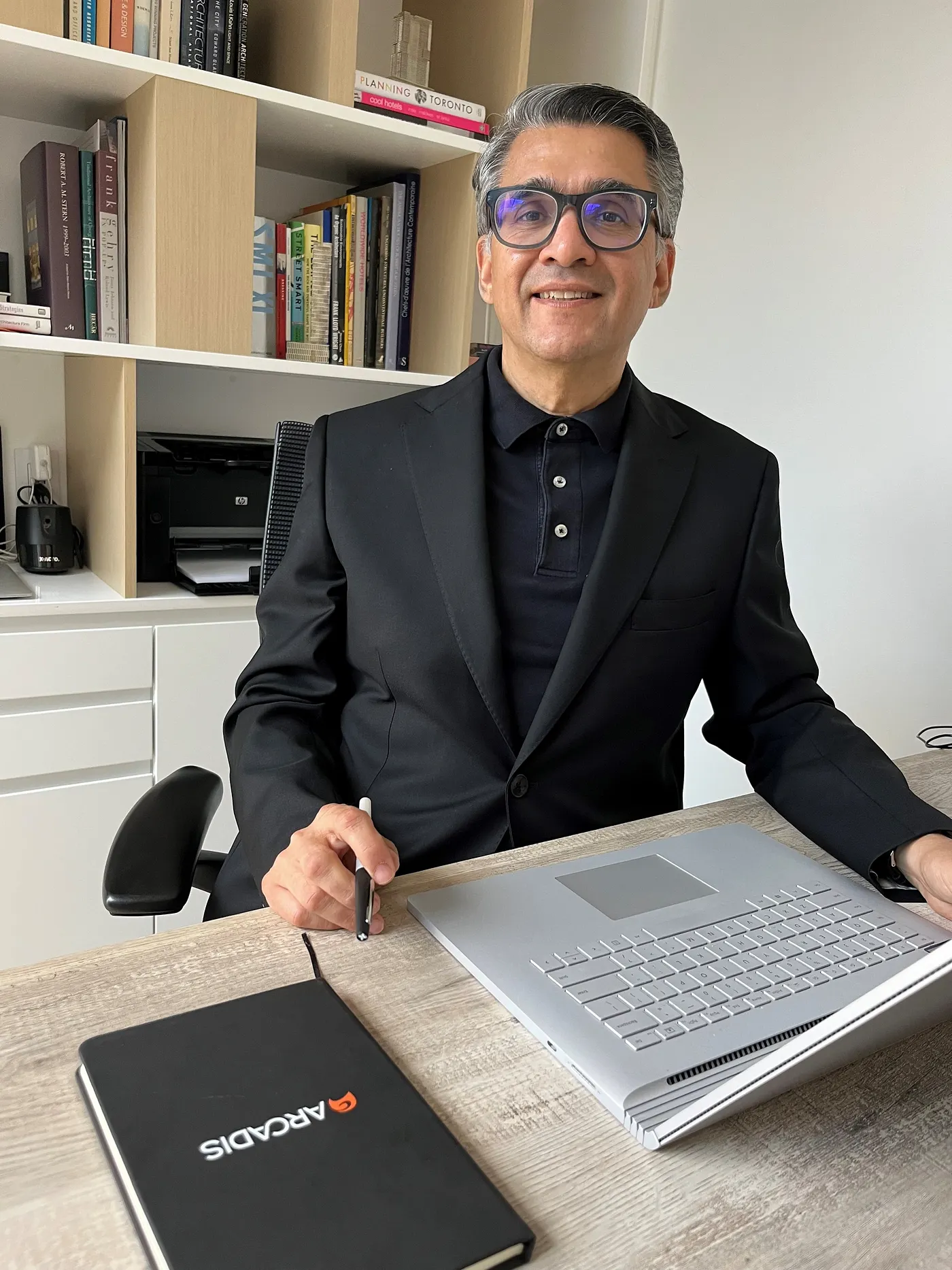
Mansoor Kazerouni is the Global Director of the architecture and urbanism division within Arcadis, a global design, engineering and management consulting company based in the Netherlands. Mansoor graduated from Washington University in St. Louis with a Master’s degree, in 1991. With over 30 years of experience, he has a significant portfolio of projects completed or underway across Canada, the United States, the UK, UAE, Jordan and India. These include high density high-rise residential buildings, hotels, office, retail, institutional, and complex urban mixed-use developments. A number of these projects have been nominated for and received Urban Design and Architectural Design awards. His expertise and abilities have been recognized through his appointment to several design review panels, publications and his induction as a Fellow of the Royal Architectural Institute of Canada.
Thank you so much for doing this with us! Can you tell us the “backstory” about what brought you to this particular career path?
I was always artistically inclined with painting and sketching and was naturally drawn to the profession of architecture. I don’t think there was a eureka moment when I discovered a passion for architecture, or for that matter even had a comprehensive understanding of the enormous influence and impact the profession has on cities the world over and its ability to improve the quality of life.
As a teenager, a relative and friend of my parents asked me what profession I’d be interested in pursuing and I responded by saying ‘building engineering’. His response (without any disrespect to my engineering colleagues!) was that if I was interested in buildings, I should explore architecture because in any building project, the architect is the captain of the ship! That’s all I needed to hear. I definitely wanted to be the captain of the ship and was immediately prompted to explore the architectural field. I quickly realized that architecture offered the perfect balance of art, science and business and an equally diverse set of career opportunities that were of real interest to me. After that, there was no looking back. I followed my instincts and am grateful the decision has served me well. I have not regretted a day of my career choice since then.
Can you share with our readers the most interesting or amusing story that occurred to you in your career so far? Can you share the lesson or take away, you took out of that story?
My most unique career experience was a recent design collaboration with superstar recording artist Pharrell Williams on a high-rise residential building project in mid-town Toronto.
As we first started getting into the project — realizing the natural cross-over between music and architecture — I was immediately reminded of Goethe’s statement that Music is liquid architecture and Architecture is frozen music. In keeping with that idea, the architectural concept Pharrell and I started to develop was perfectly suited to represent the entwined nature of music and architecture.
To help get us where we wanted to go, I dug a little into my own roots. Having grown up in India, I was inspired to borrow an idea from the concept of a jugalbandi, a collaborative form in Indian classical music where two solo artists perform a duet by ‘riffing’ off each other. As I started to think about what a jugalbandi between music and architecture would look like, it was obvious that the starting point should be a specific song. Working with this idea, Pharrell landed on his hit single ‘Gust of Wind’ as the most appropriate song from which we could use digital technology to abstract the sound waves to create patterns that would inform the architectural expression of the building we were designing. That was just the starting point, after which our collaboration extended to choosing building materials, finishes, amenities and, really, every single aspect of the project.
The key lesson I learned from the collaboration with Pharrell was that there are many common approaches in the creation of music and architecture. The biggest commonality is in continually refining the creation until you get to the essence of the idea you’re trying to communicate, eliminating all “non-essential” elements that don’t contribute to the quality of the design.
Oh, and we absolutely had a ton of fun along the way. It may not be the tallest or the biggest or most complex building project I have ever designed, but it certainly is the most memorable experience of my career.
Do you have a favorite “life lesson quote”? Can you share a story or example of how that was relevant to you in your life?
I’m not sure it’s a quote but I have always tried to live my life by following the principle of ‘Purpose’. In other words, whatever you do in life, whatever your passion, make it purposeful, without worrying too much about outcomes. It’s always been important for me to remember why I’m doing things rather than focusing on the outcome I’m trying to achieve. I have always been very clear on my purpose through everything I’ve done in my career, with everything coming back to a simply stated — but powerful — goal to “impact lives positively”.
Whether it’s my work as a designer and an architect, which undoubtedly impacts peoples’ lives through the environments I help create, or my role as a people leader in a large multidisciplinary firm where I strive to foster an environment in which people can thrive and feel inspired, or — at a very personal level — simply helping people in any way I can, everything I do is done with a strong sense of purpose… a motivation that, incidentally, regularly leads to positive outcomes.
Are you working on any exciting new projects now? How do you think that will help people?
Arcadis is the world’s leading company delivering sustainable design, engineering, and consultancy solutions for natural and built assets. The Architecture and Urbanism team I lead at Arcadis, alone, counts among the five largest architectural firms on the planet and at that scale we are literally working on hundreds, if not thousands, of projects in areas as diverse as Residential, Hospitality, Commercial, Retail, Healthcare, Education, Transit architecture, Civic and federal projects.
Our integrated offering — from architectural design and placemaking through to planning, engineering, program, project, and cost management systems — offers clients significant advantages and creates exceptional lasting value that sets us apart from any other company in our industry. Our full-service offering, with a strong focus on human-centric design, sustainability and technology, is unique in the market, as we can quickly respond to the changing and emerging needs of our clients in multiple geographies, as well as throughout the project lifecycle, extending our association with the buildings and communities we design.
With the depth of experience and the bench strength we bring to every project we undertake, we have the capacity to get involved in the largest and most complex projects being planned today. While it’s hard to single out a handful of projects in this context, the ones I’m most excited about are those that are advancing our key objectives related to sustainability and urbanization. For example, in Vancouver, Canada, we’re designing the world’s tallest energy-efficient passive house building, the largest and most significant redevelopment project in Utah’s state history, and in Manchester, UK, we designed an award-winning one-million-square-foot mixed-use development with residential, employment, education, commercial and ancillary components that will include 3,000 homes on a 26-hectare site with excellent public transport connectivity, all with a view to creating a significant boost for the local economy. Finally, we designed the Bay Technology Centre in Swansea Bay in Wales, that is an energy positive building that produces more energy than it consumes. These are just a few examples of projects that are very positively impacting the environments in which we are working.
What do you think makes your company stand out? Can you share a story?
Some of the biggest mega trends confronting our planet today are urbanization, digitization, climate change and rapidly changing societal expectations around institutional structure. Our work at Arcadis is directly focused on addressing these global challenges and we view everything we do from this lens.
On the service delivery side of our business, technology has enabled us to redefine our relationship with the built environment, where we’re not just designers and visualizers of built environments who step back from a project when buildings are ready to be occupied. Rather, we have the ability to look at projects holistically from a city building perspective, where we can be deeply involved in all the urban planning and design, environmental impact and infrastructure support aspects of a project, in addition to handling all the essential architectural, interior design and landscape elements. Following this we are able to support our clients and projects with life cycle management such that we optimize the operational and energy performance of the buildings that we designThis approach enables us to stay involved through the entire lifecycle of the buildings we design — a unique proposition that goes far beyond the traditional role played by most architects.
On the people side of the business, our diversity of talent, disciplines and skills uniquely positions us
to apply our shared knowledge to respond rapidly to emerging opportunities to make the world a better, safer, more socially equitable and environmentally sustainable place. Moreover, the Arcadis design process prioritizes the human experience and works to reduce the built environment’s carbon footprint, guard against damage to our natural environment and improve quality of life for all.
None of us are able to achieve success without some help along the way. Is there a particular person who you are grateful towards who helped get you to where you are? Can you share a story about that?
Without question, my mother ranks first and foremost. She was an inspirational person who played a key role in raising three sons while taking care of my ailing father and ensuring my brothers and I were well cared for when we were growing up. She was a real woman of strength who persevered through all kinds of adversity and was a tremendous role model.
Then there were mentors in architecture school and through various stages of my career. Each of them had a profound influence on my passion and commitment to architecture, teaching me to think equally about great design, social responsibility, good business, environmental consciousness and about having a strong sense of equity and fairness in everything I undertake. Now, I’m trying to carry that forward by giving back and supporting the next generation through a combination of mentorship and knowledge sharing exercises. The goal is to set the next generation up for success.
Last and most certainly not least, my wife has walked beside me through my entire career. She’s been my conscience and singular source of strength and support, always reminding me of my purpose and the direct impact I can have in resolving the issues and challenges I am most passionate about.
You are a successful business leader. Which three character traits do you think were most instrumental to your success?
- Passion — I learned early on in my career not to think of architecture as a job, but rather to embrace it as something I love to do every day so it never feels like a job. The truth is, I’ve been a crazy workaholic all my life. I basically live and breathe architecture. If I’m awake, that’s all I’m thinking about. However, that’s not a mindset I advocate for many people, because it is all consuming.
- Determination — I’ve always been a pretty determined person and what that has given me, indirectly, is optimism. Because when you’re determined, you learn how to convert adversity into opportunity. If you really believe in your purpose and you’re determined to succeed with it, you know you’re not going to let a lot get in your way, regardless of the challenges you confront.
- Courage to take risks. — Generally, most people are too afraid of change. In my experience, change has always led me to unexpected but interesting and better places that taught me new things about myself and my capabilities that I would never have discovered had I not taken those risks or ‘leaps of faith’ in the first place.
Can you share 3 things that most excite you about architecture and the Real Estate industry in general? If you can please share a story or example.
As I mentioned above, rapid urbanization, digitization and climate change are among the biggest challenges facing the world today and, by natural extension, the architecture industry. The exciting thing from my perspective — and that of my colleagues at Arcadis — is that in a rapidly changing world where climate change, social, economic and geopolitical upheaval, and technological disruption are the norm, we are acutely focused on putting the weight of our global organization behind new and emerging opportunities to work with our clients to address these issues.
We are succeeding in our goal to redefine the future of urban environments through people-centered planning and design that reduces the carbon footprint, guards against damage to the natural environment, improves quality of life for all, and pushes the boundaries of design excellence. Furthermore, we embed sustainable and inclusive design principles within everything we do and equip our people with the essential resources to future-proof physical and digital environments to withstand any unforeseen and unexpected challenges the future may bring.
Can you share 3 things that most concern you about the industry? If you had the ability to implement 3 ways to reform or improve the industry, what would you suggest?
The inverse to the optimism I expressed above with regard to our company’s approach to the challenges brought on by rapid urbanization, digitization and climate change, is that if the industry, governments, individuals and corporate citizens around the world don’t coalesce and rally around the belief that these are, indeed, major issues that need to be addressed immediately, we may be facing even bigger — and more damaging — threats in the future.
At Arcadis, we put our money where our mouth is, and we encourage our competitors, partners and clients to do the same. Some tangible proof of our efforts:
- Since 2010, Arcadians have supported 129 UN-Habitat projects in more than 30 countries, improving the living conditions for some of the world’s most vulnerable people.
- Our Project Carbon initiative aims to embed carbon impact measurement into all Arcadis building and infrastructure projects.
- We developed CLIMATESCOUT, a free open-source, web-based application that helps users design buildings that uniquely respond to a site by providing climate-specific design advice at the building scale.
- We work with several regional councils within the World Green Building Council network, to foster collaboration and advocate for a more sustainable built environment around the world.
Can you please share with our readers the “Five Things You Need To Know To Create A Highly Successful Career As An Architect?”
I’ve often found over the years that there is a general misconception outside of our field that the only thing architects do is draw cool pictures. Whereas, in truth, architecture encompasses so much more, including art, science, law and public policy, business and communication. In our field, the learning never stops, as anyone who pursues a career as an architect will find themselves continuously exposed to other creative processes, such as the Pharrell experience I talked about, or through any variety of collaborations with other professionals an architect will encounter in their work.
Overall, I think the most important advice I could give to anyone contemplating a career in architecture would be to always be prepared to look through a wider lens and broaden your horizons. For me, doing that allowed me to go from being a designer of individual buildings to having a much more expansive perspective on architecture and its all-encompassing role in urbanism and city building. Now that I’m leading a firm of very, very talented architects, urbanists, planners and designers, and driving a vision that has much greater impact at scale than designing one building at a time, I’ve been mindful to never take my eye off design or dilute my passion for architecture. It just means that I can now drive that passion from a higher, more impactful level, which is an extremely rewarding feeling.
Because of your position, you are a person of enormous influence. If you could inspire a movement that would bring the most amount of good to the greatest amount of people, what would that be? You never know what your idea can trigger.
I believe that preserving and protecting the health and wellness of people and our planet in every conceivable way we can is the most noble pursuit any of us can and should follow. Every one of us needs to ask ourselves a simple question when considering virtually every decision we make, each and every day: Is the choice I’m about to make going to have a positive impact on our planet and will it be good for my own health and wellbeing, and that of others? You’d be amazed at the positive impact we can have individually and collectively if we all start believing that we have the ability to influence and impact positive global change through our individual choices and actions.
How can our readers further follow your work online?
My LinkedIn is the best place to connect and follow along for updates on everything I’m working on and a behind the scenes look at some of the projects we are bringing to life across the world. You can find me here [https://www.linkedin.com/in/mansoor-kazerouni-6a48455], or for more on the architecture and urbanism work I’m leading at Arcadis, visit: arcadis.com/architecture
Thank you for your time, and your excellent insights! We wish you continued success.
About The Interviewer: Jason Hartman is the Founder and CEO of Empowered Investor. Jason has been involved in several thousand real estate transactions and has owned income properties in 11 states and 17 cities. Empowered Investor helps people achieve The American Dream of financial freedom by purchasing income property in prudent markets nationwide. Jason’s Complete Solution for Real Estate Investors™ is a comprehensive system providing real estate investors with education, research, resources and technology to deal with all areas of their income property investment needs. Through Jason’s podcasts, educational events, referrals, mentoring and software to track your investments, investors can easily locate, finance and purchase properties in these exceptional markets with confidence and peace of mind.
Starting with very little, Jason, while still in college at the age of 19, embarked on a career in real estate. While brokering properties for clients, he was investing in his own portfolio along the way. Through creativity, persistence and hard work, he earned a number of prestigious industry awards and became a young multi-millionaire. Jason purchased a California real estate brokerage firm that was later acquired by Coldwell Banker. He combined his dedication and business talents to become a successful entrepreneur, public speaker, author, and media personality. Over the years he developed his Complete Solution for Real Estate Investors™ where his innovative firm educates and assists investors in acquiring prudent investments nationwide for their portfolio. Jason’s sought after educational events, speaking engagements, and his popular “Creating Wealth Podcast” inspire and empower hundreds of thousands of people in 189 countries worldwide.
While running his successful real estate and media businesses, Jason also believes that giving back to the community plays an important role in building strong personal relationships. He established The Jason Hartman Foundation in 2005 to provide financial literacy education to young adults providing the all-important real world skills not taught in school which are the key to the financial stability and success of future generations. We’re in a global monetary crisis caused by decades of misguided policies and the cycle of financial dependence has to be broken, literacy and self-reliance are a good start. Visit JasonHartman.com for free materials and resources.
JH
Written by
Jason Hartman
Editor & Journalist · Authority MagazineJason Hartman is a senior columnist at Authority Magazine covering Business and Tech, conducting primary-source Q&A interviews with founders, executives, and industry leaders.

Published inAuthority MagazineTop Lessons, Top Authorities · 42K Followers
Exclusive, curated interviews with the leaders and changemakers shaping tomorrow. Leadership lessons, industry deep dives, and executive profiles.