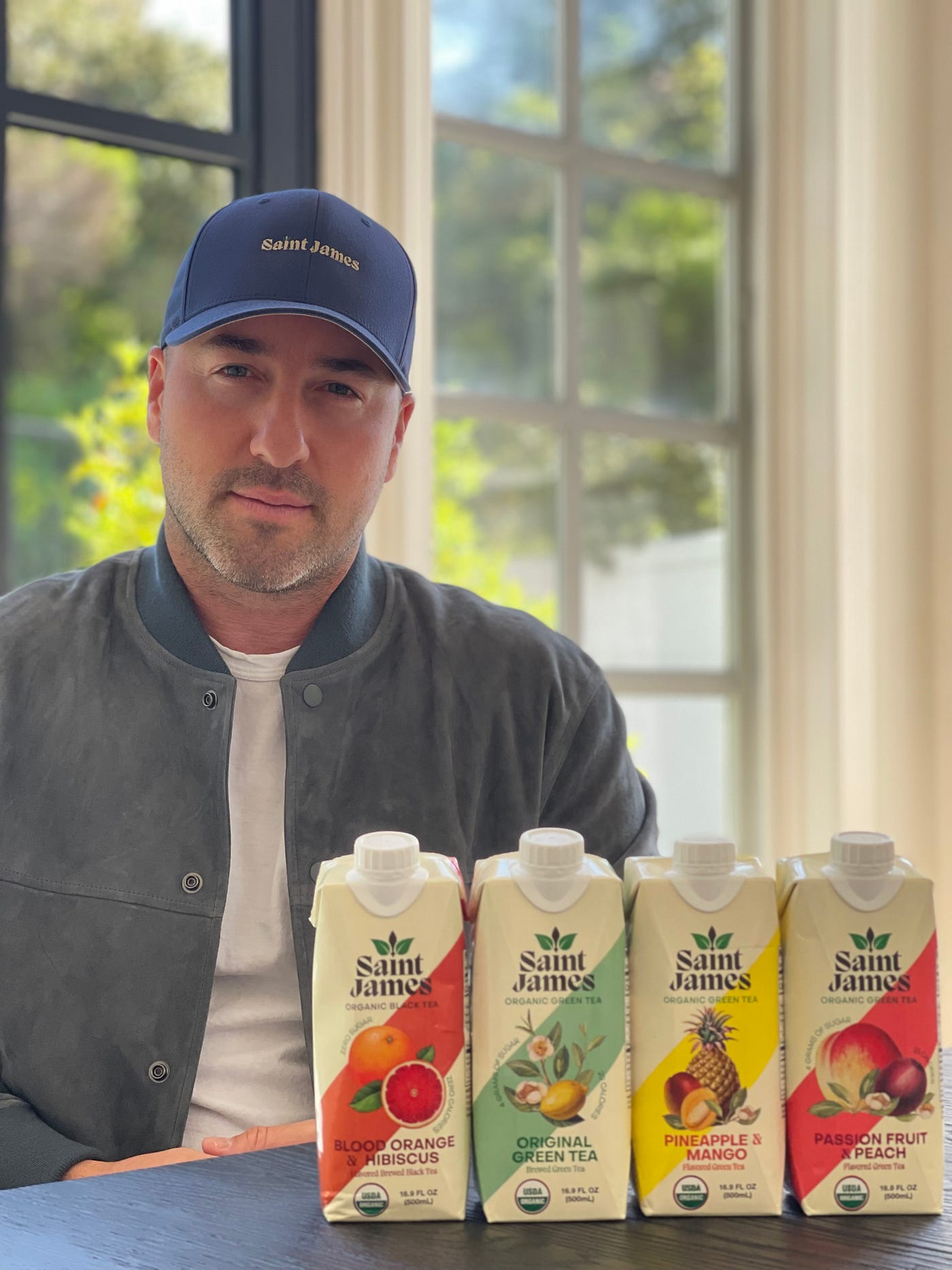
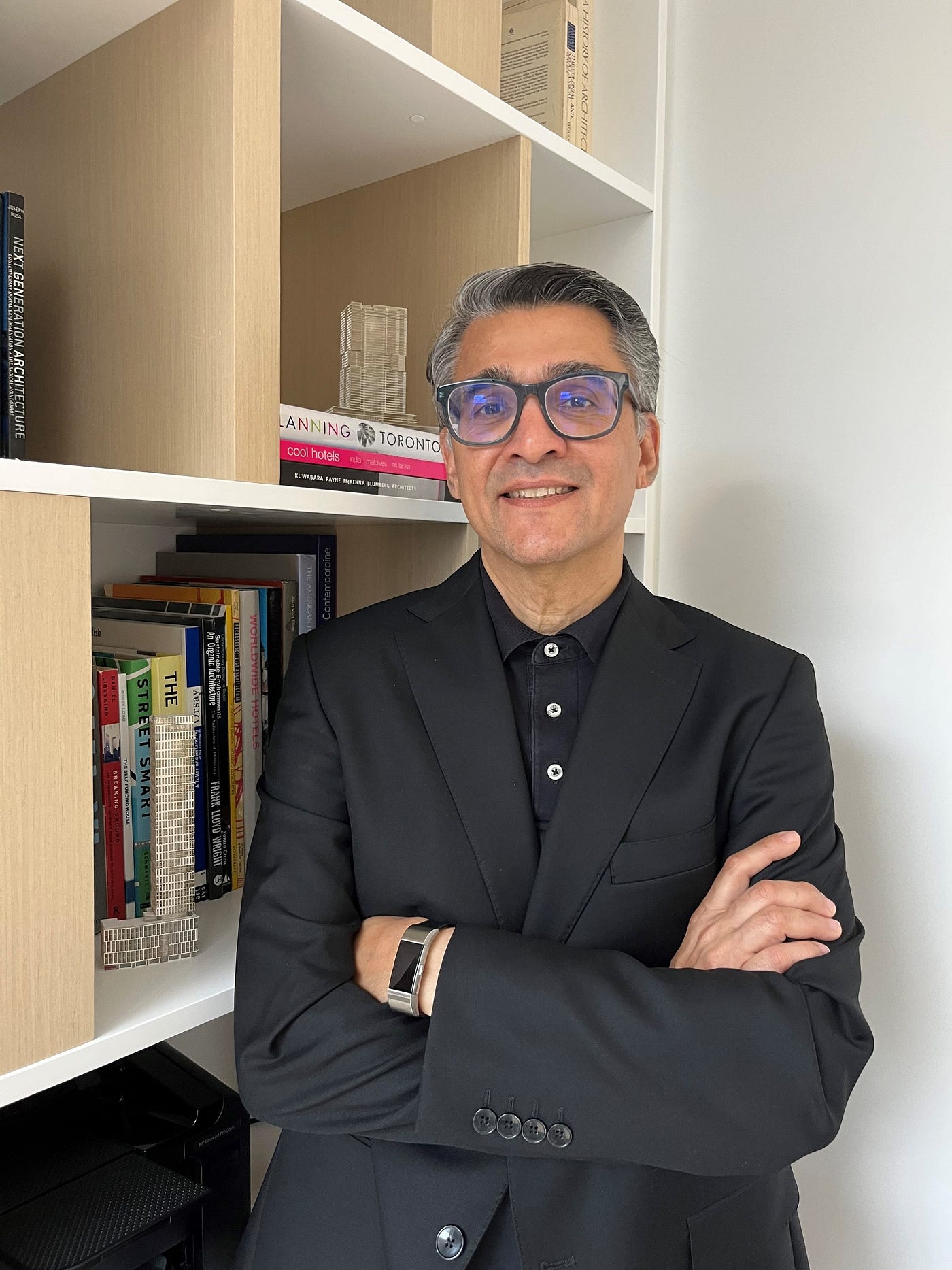
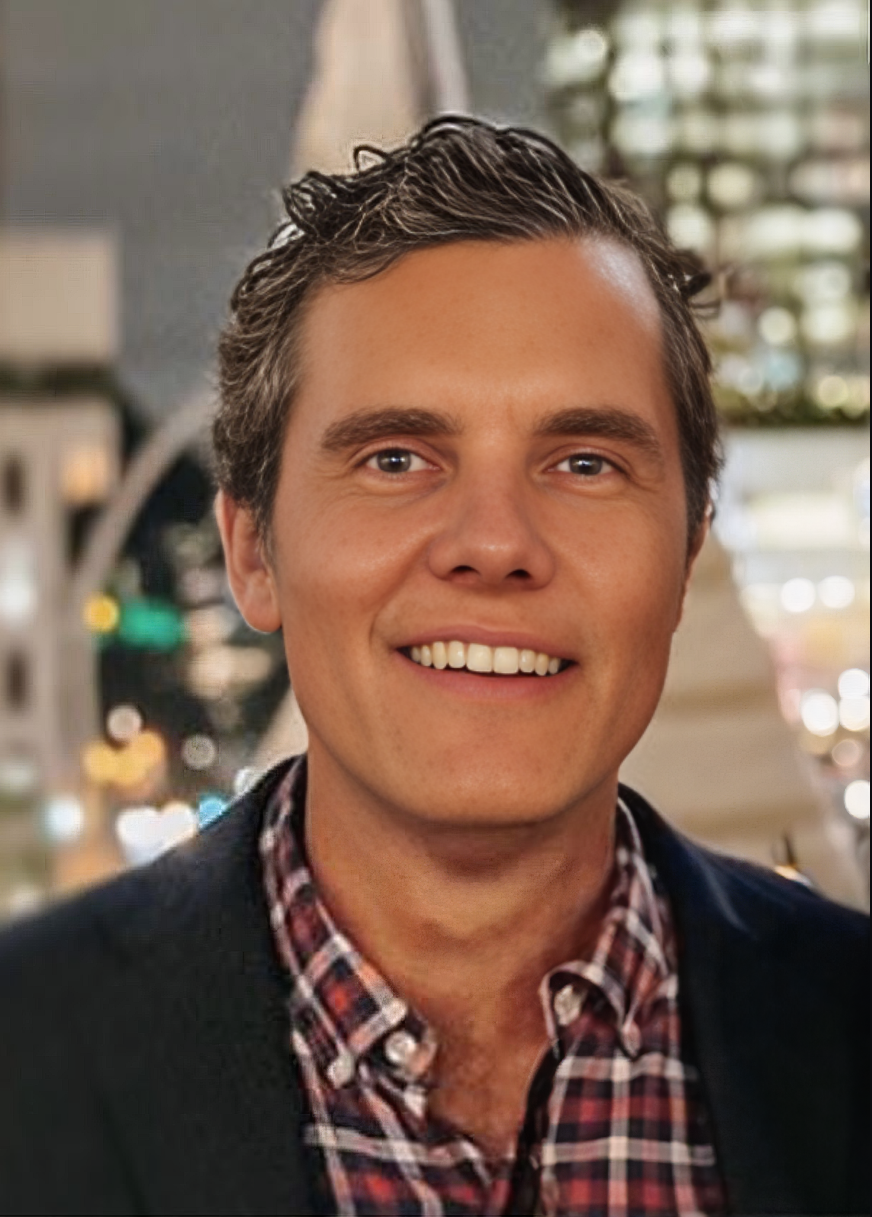
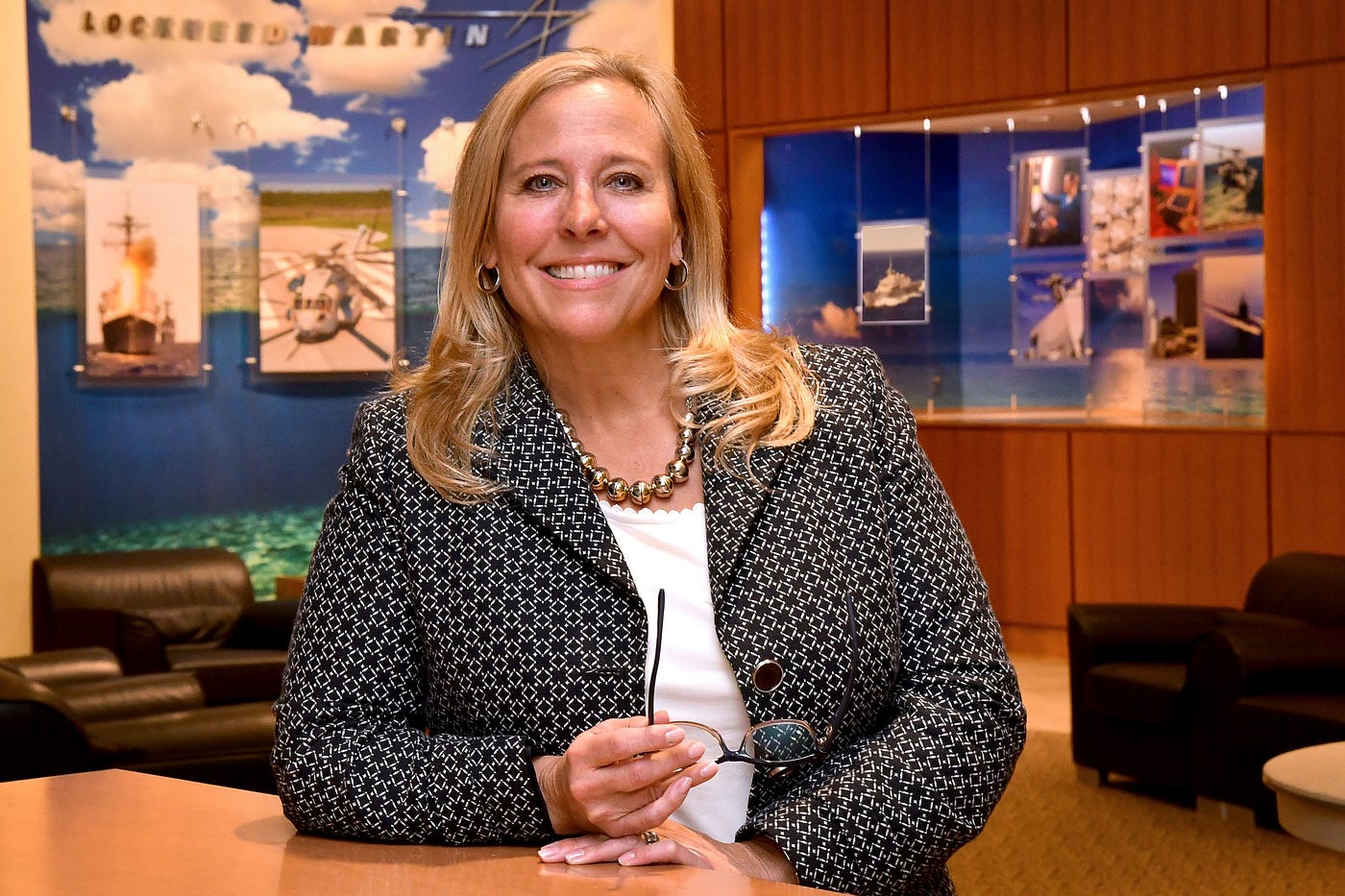
I was working for Starbucks in Dallas, Texas, and the president of the company called me and said, “I wanted to let you know that Howard Schultz will be in Dallas tomorrow, and he’d like to do a market visit with you.
Business
Joe Thornton of Scooter’s Coffee: Kindness Is the Ultimate Strategy for Building Corporate Culture and True Diversity
The Scooter’s Coffee president shares critical lessons from his decades in retail operations, explaining why empathy outperforms policy in leadership.
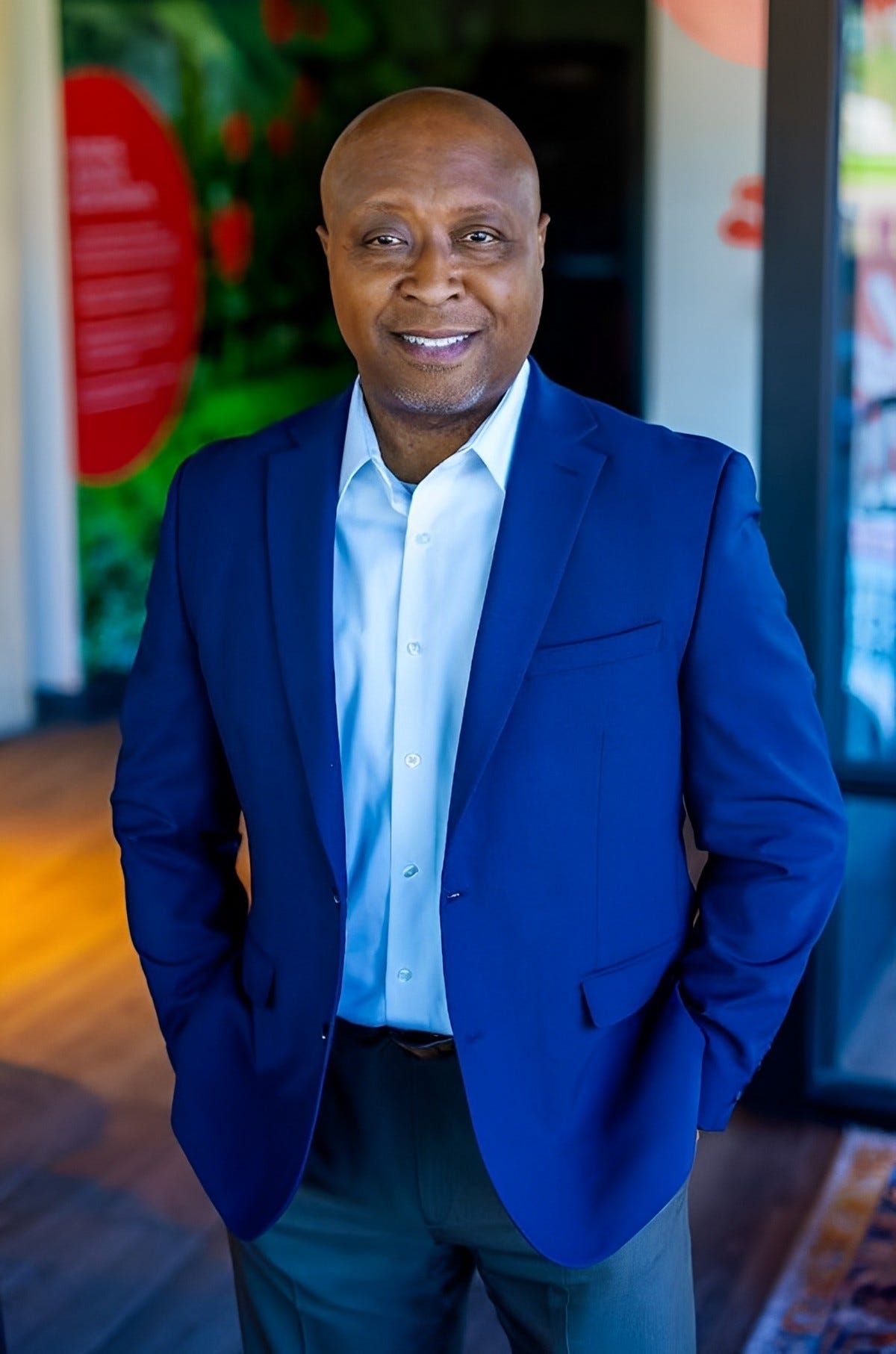
I had a chance to interview Joe Thornton, President of Scooter’s Coffee, a franchise leading a growing industry. With more than 39 years of experience in operations, new store expansion, marketing/branding, employee development, franchising, and store optimization, Thornton has led some of the fastest-growth companies over the years, including Starbucks, Jamba Juice, Blockbuster and, most recently, HMSHost.
Thank you so much for doing this with us! Can you tell us a story about what brought you to this specific career path?
Retail has been attractive to me from the beginning. I saw the opportunity to serve people, and that has always been in my DNA. So, when I entered a job in high school — a QSR job like where most kids start — I loved it. It led me to a clothing store job, and that bolstered my passion for the retail industry. From there, I worked with brands like Blockbuster and Starbucks.
What I enjoy most about working in franchising is my ability to help franchisees grow. 95% of businesses in the United States are small businesses — and a lot of those are franchises. Helping small businesses succeed is extremely rewarding and ties in nicely with my enthusiasm for serving people.
Can you share the most interesting thing that happened to you since you began your career?
If there was a moment in time when my career took a quantum leap forward, it was early 2009. I was working for Starbucks in Dallas, Texas, and the president of the company called me and said, “I wanted to let you know that Howard Schultz will be in Dallas tomorrow, and he’d like to do a market visit with you.” I didn’t have much notice, but my motto was — and still is to this day — to always be prepared for anything. I already had a market visit presentation prepped. The very next morning, I picked Howard up at the hotel, and I noticed he was by himself — normally, he would have an entourage traveling with him. So, I ended up spending the day with him one-on-one. We had a great visit, and he flew out of town the next day. I didn’t hear anything for a few weeks. Eventually, I got a call from the president with feedback. He told me, “That was the best field visit that Howard ever had.” From that visit, I established a great relationship with Howard; and more opportunities opened during my 11-year tenure there.
Can you share a story about the funniest mistake you made when you were first starting? Can you tell us what lesson you learned from that?
The first big job I had was working for Blockbuster Video. I quickly moved up as the company was experiencing significant growth. I was director for the company when we were testing online rentals like the Netflix model before they moved into streaming. At the time, I was living in Austin, and Blockbuster’s president, Nigel Travis, flew into town for a visit. He asked me a simple question: “How is the online rental test going?” And if I’m being completely honest, it was going terribly wrong. There were so many issues. Not knowing any better, I answered him truthfully and listed every challenge we were facing. Before I could finish what I was saying, he was on the phone with the Chief Information Officer. The first thing he said when the CIO picked up was, “I’m in Austin with Joe Thornton, and we’ve got a lot of problems with the online rental test.” I wanted to hide under a rock.
I realized from this experience that information without context is not productive. I learned how to share a story differently from that point on.
Can you share three reasons with our readers about why it’s really important for a business to have a diverse executive team?
The first, and most obvious, reason is diversity of thought. I often say, “The smartest person in the room is the room,” speaking to the importance of collaboration. A strong executive team is one that can collaborate well and bring innovative ideas to the table. It becomes difficult to make groundbreaking decisions with all like-minded people. Diversity of thought truly matters.
Second, unfortunately, none of us can live long enough to experience all life has to offer. We are living vicariously through each other — and that includes the executive suite. Bringing our different experiences forward is significant in developing a team and a brand.
My last point is that diverse backgrounds help shape corporate culture. When we bring experiences that are unique to us because of our varying ages, genders, races, etc., we enrich every conversation, and therefore every decision we make as a team.
More broadly, can you describe how this can have an effect on our culture?
The real secret is not diversity, it is something simpler — kindness. The best-in-class executive teams understand the value of kindness and behave that way because they want to, not because they must. When you prioritize kindness — to your team, your employees, and your customers, you develop a deeper understanding of each other. From there, kindness spreads across the entire organization and everyone you work with. And then that becomes the culture.
Can you recommend three things the community/society/the industry can do to help address the root of the diversity issues in executive leadership?
I can give you two things, and they both center around what matters most to me: Kindness.
I believe that kindness breeds empathy, compassion, sympathy, and forgiveness. In turn, it also creates curiosity. Diversity shouldn’t just be a company policy or program. Actively getting to know other people who are different from you should be driven by the desire to understand different cultures. Growth should never stop, and people should want to continue learning.
This may seem surprising, but do not take positions on issues — whether they are issues of the day or causes that other people want you to believe in. No matter where you show support, you will create polarization. This doesn’t mean you avoid issues; I just think there is a better way — through kindness. When you say the word kindness, people immediately know what it is and what it isn’t. You can visualize an act of kindness. Kindness comes before all other concerns, issues, and even virtues. If we truly showcase kindness throughout our daily lives, we will inherently be inclusive of others and will be demonstrating true diversity in our work and personal lives.
How do you define “leadership”? Can you explain what you mean or give an example?
To me, leadership is using inspiration to create vision that generates action and produces results.
All four of those elements must be present to have a best-in-class leadership team. You can have success without all four pieces, but you will be left with uninspired team members, those confused about what you are trying to accomplish, misguided action plans, or less than the best results possible.
What are your “5 things I wish someone told me when I first started,” and why?
Managing people will be the most challenging part of leadership. People can pleasantly surprise you or unexpectedly let you down. Leading people requires more time than most people realize before they take on a leadership role. I had a leader working for me who made a very big ethical mistake. The clear-cut action was to terminate this person. I didn’t do it. I took the time to listen and get to understand them as a person. They stayed with the company for another eight years and did magnificent work.
Do not attempt to be an expert on every topic. I learned this valuable lesson working in human resources early in my career. It was the best advice I have received, and I learned to consult others around me from that point on.
Spend more time building relationships. People may get excited about your business results, but they get more excited about understanding who you are as a human being. Delivering great business results is then a bonus. I recall being asked to go play golf early in my career. I didn’t play golf at that point, so my answer was no. I learned years later that golf was just a proxy to find an environment relaxing enough to get to know me as a person.
Build a roadmap with the end in mind — your dream job. Outline where you want to take your career. The more intentional you are, the more intentional your results will be. If you were driving across country from Los Angeles to New York, you would not set the destination for the next city and keep resetting. You would put in your final destination up front, New York. When I first became a regional director, I wrote a seven-year plan to get to senior vice president, two levels up. Planning with the final destination in mind created an urgency to meet people I would not have otherwise reached out to.
Be ready for those who want to impede your success. Don’t think for a moment that you won’t run into people like this. At points throughout your career, others may not understand your level of ambition. And that is okay. I was always promoted younger than all my peers, so I was constantly given feedback to slow down and “wait my turn.” Of course, I never bought into that. Nothing was going to stop me.
You are a person of enormous influence. If you could inspire a movement that would bring the most amount of good to the most amount of people, what would that be?
Spread kindness. I honestly believe, with all my heart, that this one behavior could change the trajectory of millions of lives overnight. From parents demonstrating kindness to their children, to co-workers extending kindness to their peers, to spouses showing kindness to one another, and even strangers being kind to each other, there would be major impact.
If this could truly happen, we would see an immediate reduction in crime and lower levels of depression and anxiety. Imagine if everything on social media was positive. With how often people scroll, seeing more content related to kindness could help more people than we know.
Can you please give us your favorite “life lesson quote”? Can you share how that was relevant to you in your life?
There is one that I had on my email signature for many years. It is one that people have heard of from Maya Angelou. It goes, “I’ve learned that people will forget what you said, people will forget what you did, but people will never forget how you made them feel.”
This resonates with me because the most important part of leadership is inspiring people. There are a lot of other things you need to do in addition to that. However, if you are not inspiring people, you will get compliance but you will not get commitment. To me, making people feel something about their work is paramount, and this quote really embodies that for me.
Is there a person in the world whom you would love to have a private breakfast or lunch with, and why? He or she might just see this, especially if we tag them.
Surprisingly, I do not have a particular person in mind. I believe all our lives are equally important, and I get the most excitement from connecting with another human being, any human being, who puts humanitarianism first.
How can our readers follow you on social media?
Readers can find me on LinkedIn, Instagram, and Facebook.
This was very meaningful. Thank you so much!
AM
Written by
Authority Magazine Editorial Staff
Editorial Desk · Authority MagazineThe Authority Magazine Editorial Desk produces, verifies, and edits long-form primary-source interviews with executives, innovators, clinicians, creators, and social impact leaders across Business, Tech, Pop Culture, Wellness, and Social Impact.

Published inAuthority MagazineTop Lessons, Top Authorities · 42K Followers
Exclusive, curated interviews with the leaders and changemakers shaping tomorrow. Leadership lessons, industry deep dives, and executive profiles.