My professional background was in the entertainment industry as an actress and screenwriter, so my path to nonprofit leadership was certainly not conventional.
As a part of this series, we had the pleasure to interview Jillian Crane.
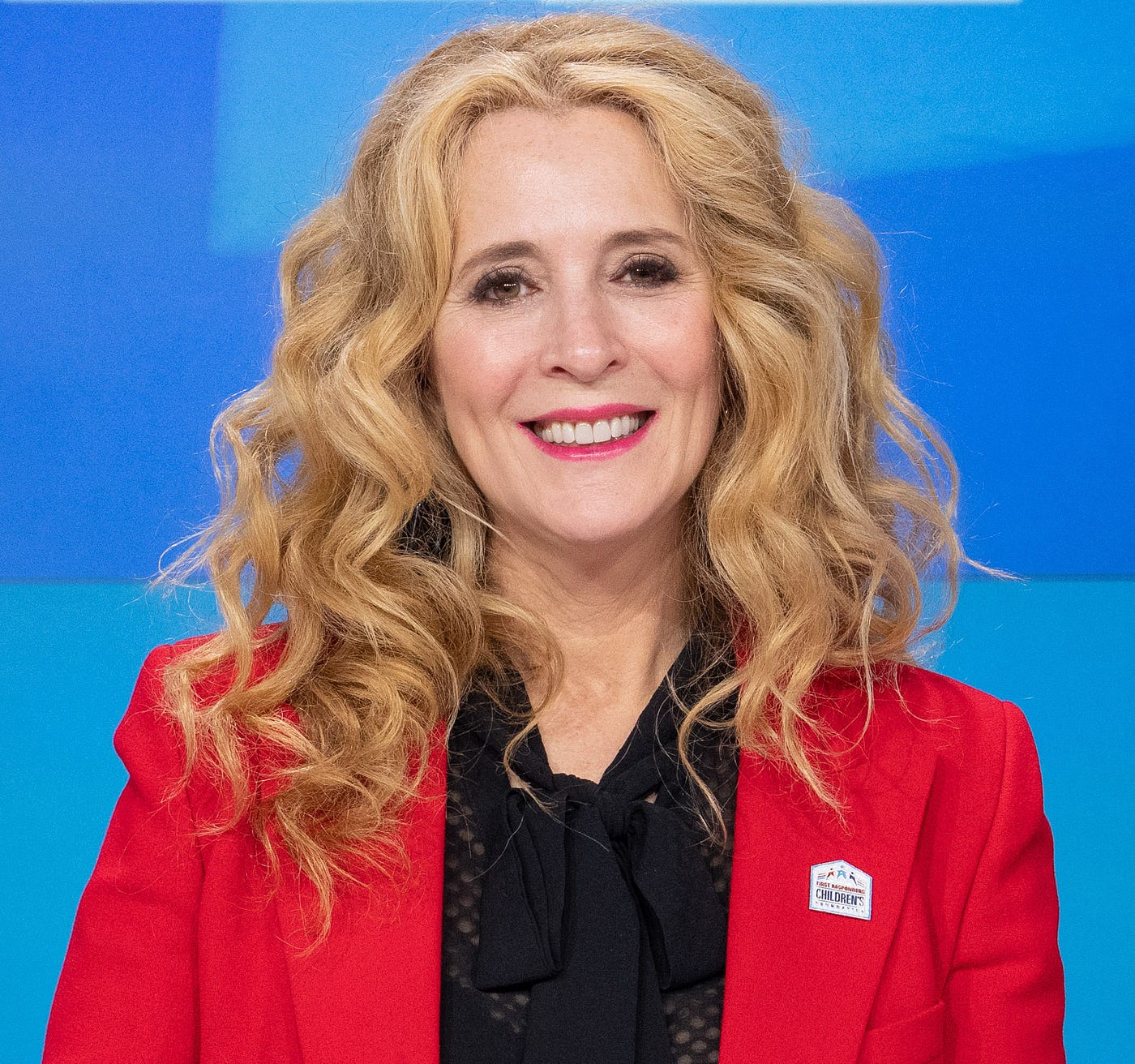
Jillian Crane joined the First Responders Children’s Foundation’s Board of Directors in 2013. She became Board President in 2019 and was instrumental in leading the Foundation in a more mission-focused direction. In 2022, Jillian was appointed President and CEO, after securing a major gift from McKenzie Scott that she strategically crafted around the Foundation’s commitment to law enforcement, women first responders, and diversity. This important contribution helped Jillian to create a team of diverse fundraising, marketing, leadership, and program professionals capable of expanding our national footprint. She has also played an essential role in building a dedicated Board of Directors comprised of national corporate partners, celebrities, foundations, and high-net worth individuals, who bring awareness and financial support to the Foundations scholarship, mental health, financial/bereavement assistance, disaster relief, and community engagement programs that directly benefit the children of first responders and their families. In an effort to increase access to FRCF programs, Jillian has forged relationships with first responder agencies in all 50 states to ensure that our focus remains on honoring first responders by meeting the growing needs of their children and family members. This important network of first responder agencies allows the Foundation to stay acutely aware of the daily challenges our first responders face while providing them much needed resources and opportunities to build positive relationships in the communities they live and serve. Today, thanks to Jillian’s leadership, FRCF is able to provide transformational programs and services to over 150,000 children of first responders each year.
Thank you so much for joining us in this interview series! Can you tell us a story about what brought you to this specific career path?
My journey to this career began long before I ever imagined leading a national nonprofit organization. In fact, it began on September 11, 2001. I had arrived in New York City from Los Angeles just two days earlier to work on a project. I was staying in Lower Manhattan, not far from the World Trade Center. On the morning of September 11th, I witnessed the unimaginable unfolding around me. I was evacuated, and I will never forget the sight of first responders running toward danger while everyone else was desperately trying to get away. Like so many Americans, I was forever changed by that day. I witnessed extraordinary courage in the face of unimaginable tragedy, followed by the heartbreaking realization of just how many lives and families had been devastated. What stayed with me was not only the heroism of those first responders, but the families they left behind. The children who would grow up without a mother or father because their parent had made the ultimate sacrifice in service to others.
Fast forward twelve years. In 2013, I was invited to join the Board of Directors of what was then called the National Law Enforcement and Firefighters Children’s Foundation, an organization founded in the aftermath of 9/11 to support the nearly 800 children who lost a first responder parent. I jumped at the opportunity. The mission resonated with me on a deeply personal level, and I was eager to contribute. And once I got involved, I had ideas. Lots of them! I saw tremendous potential for the organization to grow, reach more families, and make an even greater impact. I advocated for expanding our programs, broadening our mission, and changing our name to First Responders Children’s Foundation to better reflect the full spectrum of first responders and families we serve. I also pushed to bring more women onto our Board of Directors and to expand our reach and fundraising. At times, I wondered if everyone thought I was causing a little too much trouble with all my suggestions! But apparently, they saw something else. In 2018, I was elected President of the Board. That gave me an even greater opportunity to help shape the Foundation’s future, build relationships, attract new supporters, and think bigger about what we could accomplish. I loved the work, the people, and especially the families we were helping.
Then, in 2022, the Board surprised me with an offer to become President and CEO. It wasn’t a position I had set out to pursue, but it was an opportunity I couldn’t imagine turning down. My professional background was in the entertainment industry as an actress and screenwriter, so my path to nonprofit leadership was certainly not conventional. But I’ve always believed that life has a way of connecting the dots, sometimes in ways you could never have anticipated. My creative background taught me the power of storytelling, the importance of connecting with people, and how to bring a vision to life. Those skills have served me incredibly well in this chapter. Today, I have the extraordinary privilege of working alongside an incredible team and a national Board of Directors who share a deeply held belief: the heroes who run toward danger every day deserve the peace of mind of knowing that someone is looking out for the families who stand beside them. We are committed to being there for those families, not just in moments of tragedy or crisis, but throughout their lives. Because one thing I know with absolute certainty is that when a first responder answers the call, the entire family answers it, too. Their children share their parents with the communities they serve, often making sacrifices the rest of us never see. When I arrived in New York on September 9, 2001, I could never have imagined how profoundly the events of the next few days would shape my life, or that twelve years later, I would find an opportunity to turn that experience into something meaningful. Life certainly doesn’t always take us where we expect to go. Sometimes it takes us somewhere far more important.
Can you share the most interesting story that happened to you since you began leading your company or organization?
I never imagined that hearing Elton John say the name of our Foundation on national television would be part of a story about one of the most transformative moments in our history. But that’s exactly what happened. When COVID-19 hit, our country was facing an extraordinary crisis. First responders were on the front lines, putting themselves and their families at risk every single day. At the time, First Responders Children’s Foundation was primarily a scholarship organization, supporting the children of first responders through educational opportunities. But suddenly, the needs of these families were far more immediate. I remember that our conversations weren’t about how we were going to raise money, protect our budget, or even how the organization would function during the pandemic. The question was much simpler: How can we make a difference for first responder families right now? We began by helping get desperately needed personal protective equipment into the hands of first responders. Then we approached our funding partners with an unusual request: Would they allow us to redirect scholarship funding toward emergency COVID-19 grants for first responder families? It was a significant departure from what we had always done, but our partners understood the urgency and supported us. We put out a press release announcing that we were offering COVID-19 emergency grants, and suddenly the Foundation was responding to needs we had never addressed before. We weren’t simply helping children plan for their futures. We were helping families navigate a crisis unfolding in real time. And then something extraordinary happened. We were selected to participate in the iHeartRadio and FOX Living Room Concert for America, hosted by Elton John. I remember hearing him say the name of First Responders Children’s Foundation and thinking, Did Elton John really just say our name? It was surreal, exciting, and an extraordinary opportunity to bring national attention to the families we were trying to help. That visibility, combined with the generosity of our partners and supporters, helped us distribute millions of dollars in emergency assistance during one of the darkest periods in our country’s recent history. But looking back, the most important outcome wasn’t the television exposure or even the amount of money we raised and distributed. It was that we had fundamentally changed the way we thought about our mission. We realized that if we truly wanted to support the children of first responders, we couldn’t limit ourselves to scholarships. We had to be there for their families when life took an unexpected turn, whether that meant financial hardship, a natural disaster, a mental health crisis, or simply creating moments of joy and connection. That shift opened the door to the broader range of programs we offer today, including emergency hardship grants, mental health support, disaster relief, and our Toy Express program, which brings joy to children in first responder communities across the country. COVID was an extraordinarily difficult time, but it taught us something that changed the trajectory of our organization: Sometimes the greatest opportunities for growth come when you stop asking what your organization has always done and start asking what the people you serve actually need. And I have to admit, having Elton John help introduce that next chapter wasn’t too shabby, either!
It has been said that our mistakes can be our greatest teachers. Can you share a story about the funniest mistake you made when you were first starting? Can you tell us what lesson you learned from that?
Shortly after becoming CEO, I decided that what our senior leadership team really needed was a retreat. I had a wonderful vision of bringing everyone together, getting away from the office, building relationships, and creating a sense of camaraderie. So I found a beautiful, remote location. I arranged a yoga class to help everyone relax. I envisioned us sitting around a bonfire on the first evening, making s’mores and getting to know one another. I had thought of everything. Well, almost everything. What I hadn’t really thought through was the agenda. Or, more importantly, what exactly I was supposed to do as the CEO! I called a friend who was an experienced CEO and asked for advice. She told me, “Don’t talk too much. Your job is to listen.” That sounded like excellent leadership advice, so I took it very seriously. Perhaps a little too seriously. On the first day, I barely said a word. I sat there listening, waiting for the magic of team building to happen. Instead, things became increasingly awkward. I think everyone was wondering why I had brought them all to the middle of nowhere and then apparently decided to take a vow of silence! Eventually, I realized that I needed to actually participate. I had brought everyone together to build relationships, share ideas, and create a vision for our future, and somehow I had forgotten that I was supposed to be part of the conversation. Once I relaxed, started talking, and engaged with the team, everything became much more natural. I learned two important lessons that day. First, a successful leadership retreat requires a little more than yoga, s’mores, and good intentions. An agenda is actually quite helpful! And second, leadership isn’t about following someone else’s formula. Listening is essential, but so is sharing your vision, asking questions, encouraging conversation, and being yourself. I had been so concerned about doing what a CEO was supposed to do that I forgot to simply be the person who had brought everyone together in the first place. The lesson? Listen to good advice, but don’t follow it so literally that you forget to lead. And yes, I still believe in s’mores!
Can you describe how you or your organization is making a significant social impact?
Over the past 25 years, First Responders Children’s Foundation has supported more than 700,000 children of first responders nationwide. We are the only national nonprofit organization dedicated exclusively to supporting the children of first responders, and I believe that gives us both an extraordinary opportunity and an enormous responsibility. When people think about first responders, they naturally think about the heroes who run toward danger when everyone else is running away. But what we sometimes forget is that behind every one of those heroes is a family making sacrifices of its own. Children of first responders grow up sharing their parents with the communities they serve. They live with the uncertainty of whether Mom or Dad will come home safely, the missed birthdays and holidays, the interrupted family dinners, and sometimes the unimaginable heartbreak of losing a parent in the line of duty. Our mission is to make sure these children are never overlooked. We do that in very tangible ways. We provide scholarships that open doors to education and opportunity. We offer financial hardship and bereavement grants to families facing extraordinary circumstances. We provide disaster relief when first responder families are affected by the very emergencies their parents are responding to. And through our rapidly expanding Mental Health and Resiliency Program, we offer free, confidential counseling to children who may be struggling with the emotional challenges that come with growing up in a first responder family. I’m particularly passionate about our mental health work because resilience isn’t simply something we should expect from these children. It’s something we have a responsibility to help them build. We also believe deeply in the power of community. Through programs like our annual Toy Express, we distribute approximately 150,000 toys to first responder agencies across the country, helping them build trust and meaningful connections with children and families in the communities they serve. But our impact goes beyond the programs themselves. We’re working to change the national conversation about what it means to support first responders. Gratitude is important, but gratitude alone isn’t enough. We have to turn that appreciation into meaningful action. That’s why we’re bringing together corporations, public safety leaders, elected officials, and communities across the country to recognize that supporting first responders also means supporting their families. What makes me proudest isn’t simply the number of children we’ve reached, although 700,000 is an extraordinary milestone. It’s knowing that behind every one of those numbers is a child with dreams, potential, and a future worth investing in. I often say that when a first responder answers the call, the entire family answers it, too. Our job is to make sure those families know that when they need someone, we’ll answer the call for them. And after 25 years, I believe we’re just beginning to realize how much more we can do.
Can you tell us a story about a particular individual who was impacted or helped by your cause?
I continue to be moved by Annie Rule White, whose family came to FRCF in 2020. Annie’s high school graduation day began with the worst news a daughter can receive. Her father, Deputy Constable Caleb Rule of the Fort Bend County Constable’s Office in Texas, had been shot in the line of duty and tragically died that morning. Annie still crossed the stage at her graduation that afternoon — not because her grief had softened, but because her father’s colleagues, more than 100 men and women who had worked and trained alongside him, showed up for her and her family, filling the stadium where her father should have been. First Responders Children’s Foundation joined them in the days that followed, providing a bereavement grant that helped Annie’s mother, Eden, cover funeral costs while raising four grieving children. Later, when college began to feel out of reach to Annie, both emotionally and financially, FRCF was there to make it a possibility with the help of a First Responders Children’s Foundation scholarship. And though FRCF gave Annie and her family financial relief, Annie found something more powerful: a community. Among other scholars she met young people who knew, without explanation, what it is to grow up in the shadow of a parent’s service, and for some to lose that parent. She has turned her personal tragedy into a mission of advocacy, serving on our National Scholars Council and as an ambassador, carrying her father’s legacy to audiences across the country and guiding younger scholars through the early stretch of their own journeys. Somewhere along the way, the Foundation stopped feeling like an organization to her and became part of her family. Annie is now working toward her master’s degree. She is married to a first responder and is raising their daughter in a first responder household. Her younger sister has since joined us as a Children of Heroes Scholar, with a full four-year scholarship of her own. One thing Annie said to me has stayed with me: As the mother of a first responder’s child, she takes comfort in knowing that if her daughter ever needs support, we will be there. And she knows that to be true, because she has experienced it. After twenty-five years, that is the truest measure of our work. It was never a single grant or scholarship, but a promise that our FRCF family will keep walking alongside these families, from one generation to the next.
Are there three things the community/society/politicians can do to help you address the root of the problem you are trying to solve?
Absolutely. And I think it begins with a fundamental shift in how we think about supporting our nation’s first responders. We do a wonderful job of calling first responders heroes, and they certainly deserve that recognition. But I often ask people to think about what happens when the uniform comes off. Who is looking after the families who stand behind those heroes? Who is thinking about the children who worry every day whether Mom or Dad will come home safely? The reality is that the sacrifices of public service don’t begin and end with the person wearing the uniform. They ripple through the entire family. We can’t eliminate the dangers that come with being a police officer, firefighter, EMT, 911 dispatcher, or corrections officer. But we can do much more to address the challenges their families face.
First, we need to recognize the mental health needs of first responder children as an important part of the larger conversation about public safety and wellness. These children may experience anxiety, stress, and uncertainty because of the nature of their parents’ work, yet their needs are too often overlooked. Access to mental health support shouldn’t depend on where a family lives or whether they can afford counseling. That’s one of the reasons we’re working so hard to expand our free Mental Health and Resiliency Program nationwide.
Second, we need stronger partnerships between government, public safety agencies, schools, businesses, and nonprofit organizations. Schools and communities can become more aware of the unique pressures these children face, while public safety agencies can help connect families to resources before a crisis occurs. We should be proactive, not simply reactive.
Third, I would love to see greater investment in the long-term well-being of first responder families. Scholarships, financial assistance, bereavement support, and mental health services aren’t luxuries. They are investments in the stability and future of families who give so much to our communities. And finally, I believe we need to make supporting first responder families a national priority that transcends politics. Whether you live in a small rural town or a major city, whether your politics lean left or right, we all depend on the courage and commitment of first responders. Their children deserve that same sense of commitment from us. At First Responders Children’s Foundation, we’re working to build a national movement around that belief. We want corporate America, government leaders, public safety agencies, and everyday citizens to understand that thanking a first responder is wonderful, but standing behind their family is even more meaningful. Because ultimately, this isn’t just about responding when tragedy strikes. It’s about creating a support system that allows these children to feel safe, supported, and empowered to reach their full potential. When we take care of the families who stand behind our heroes, we strengthen the very communities those heroes have dedicated their lives to protecting.
How do you define “Leadership”? Can you explain what you mean or give an example?
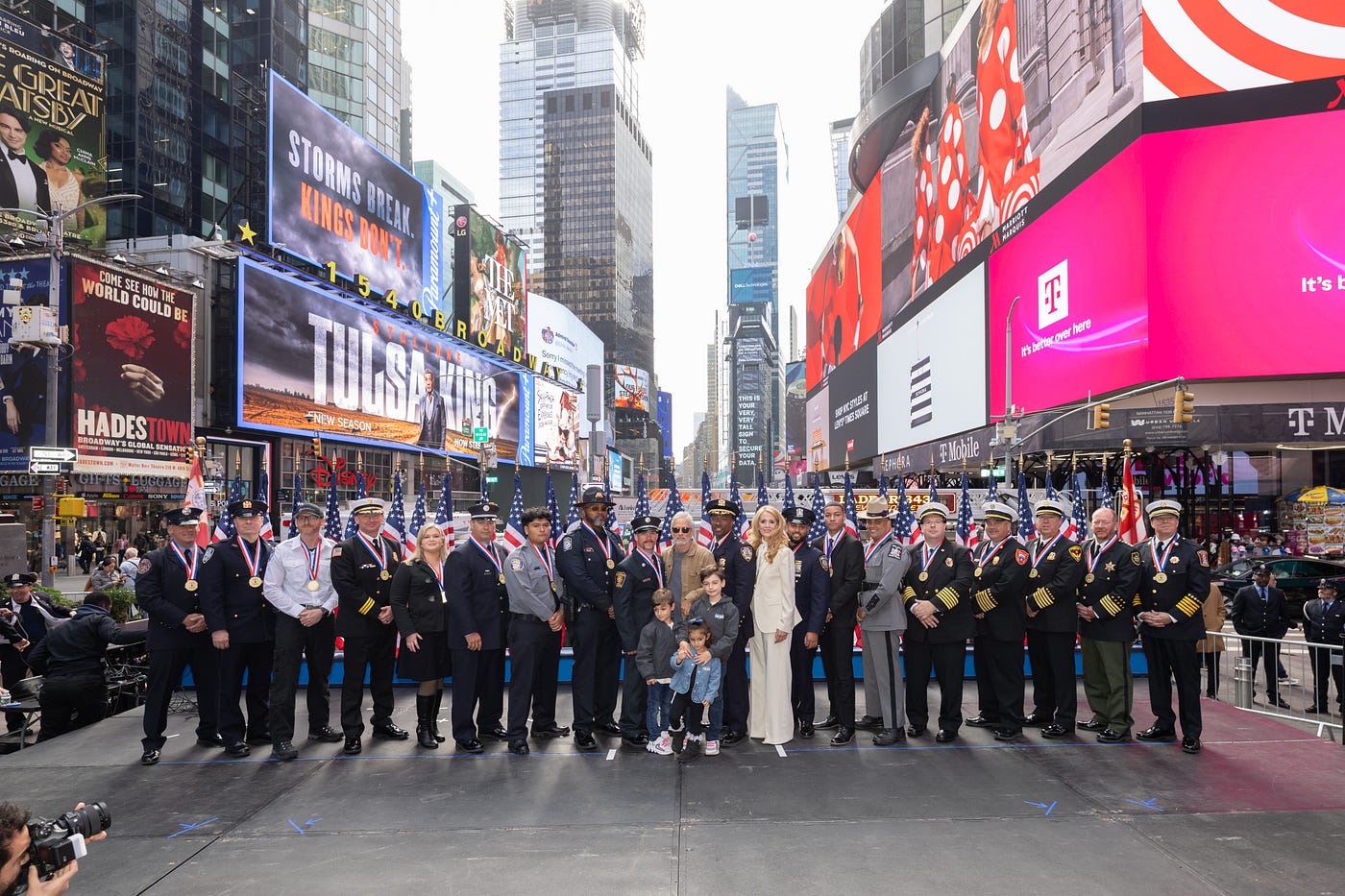
I believe leadership begins with vision. It’s the ability to see what is possible before everyone else can see it, and having the courage to believe in that vision even when it feels completely out of reach. I’ve learned that if you wait for everyone to agree with you before moving forward, you may never get anywhere. Sometimes you have to see it, believe it, and own it long before anyone else does. That doesn’t mean ignoring other people’s opinions. Quite the opposite. I believe great leaders listen, invite different perspectives, and recognize that brilliant ideas can come from anywhere in an organization. But ultimately, you have to be willing to make decisions, take responsibility, and move forward, even when you don’t have unanimous support. A perfect example is our National First Responders Day celebration. Several years ago, I had a vision that we could turn this relatively small gathering into a nationally recognized signature event that could generate a million dollars in support of our mission. At the time, that probably sounded a little crazy to some people. We were a small organization with limited resources, and the idea of building a million-dollar event seemed almost impossible. And believe me, not everyone was immediately on board! The truth is, sometimes the biggest ideas don’t look particularly good on paper. You can’t always demonstrate the return on investment when you’re asking people to believe in something that doesn’t exist yet. Sometimes it’s a feeling, an instinct, a dream about what could be. And as a leader, you have to be willing to trust that instinct while taking responsibility for turning it into something real. But I could see it. I could imagine the corporate partnerships, the national attention, the extraordinary first responders we could honor, and the opportunity to bring the entire country together around a shared purpose. I believed we could create something that was not only financially successful but genuinely meaningful. Of course, having a big vision is one thing. Bringing it to life is something else entirely. It took years of persistence, relationship-building, creativity, and an extraordinary amount of teamwork. There were setbacks, plenty of skepticism, and moments when we had to rethink our approach. But I never lost sight of what I believed the event could become. What made the difference was surrounding myself with talented people who brought their own ideas, challenged my thinking, and helped make the vision better than anything I could have imagined on my own. This year, we stood in Times Square with T-Mobile as our title sponsor, Jon Stewart hosting, and heroes from across the country being honored in front of a national audience. What began as a gathering of 20 people has grown into a major national celebration and a powerful fundraising platform for the Foundation. And that million-dollar vision that once seemed so ambitious? It no longer feels impossible. That experience reinforced something I believe deeply: Leadership isn’t about convincing everyone that you’re right. It’s about inspiring people to believe in what’s possible and giving them the confidence, trust, and freedom to help you get there. I’ve also learned that being a leader doesn’t mean having all the answers. Some of our best ideas have come from unexpected places, and I’ve become a much better leader by listening more, asking questions, and being willing to change course when someone has a better idea. For me, the magic of leadership is finding that balance between conviction and humility. You have to be bold enough to dream big, courageous enough to take the first step, and humble enough to know that you’ll never get there alone. And sometimes, you have to be just a little bit unrealistic about what you believe is possible!
What are your “5 things I wish someone told me when I first started” and why. Please share a story or example for each.
1. Sometimes, you just have to show up.
There are days when you feel like you’re moving mountains, and other days when you wonder if you’ve accomplished anything at all. I’ve learned that both are part of building something meaningful. I wish someone had told me that progress isn’t always visible. Sometimes you’re laying the foundation for a beautiful house, but all anyone can see is a big hole in the ground! You’re building relationships, planting seeds, having conversations, and creating opportunities that may not bear fruit for months or even years. I’ve had weeks filled with meetings, calls, and conversations that seemed to lead absolutely nowhere. And then, six months later, one of those conversations turns into an extraordinary partnership or an opportunity we never could have anticipated. The lesson? Keep showing up. Keep planting seeds. Trust that something is growing, even when you can’t see it yet.
2. Your team can be your greatest source of inspiration. Let them surprise you.
I came into this role with lots of ideas and plenty of enthusiasm. And while I still have both, I’ve learned that some of the most exciting ideas don’t come from me! One of the great joys of leadership is surrounding yourself with talented, passionate people who see things differently than you do. Sometimes someone on my team will suggest something I hadn’t considered, and suddenly we’re heading in an entirely new and better direction. I’ve learned to ask more questions, listen more carefully, and create an environment where everyone feels comfortable contributing. I want people to challenge my thinking, not simply agree with me. The best part of my day is often when someone walks into my office and says, “I have an idea.” That’s when the magic happens.
3. Take the day off. Go do something creative that has absolutely nothing to do with your job.
This one took me a while to learn! When you’re passionate about your work, especially when you’re leading a nonprofit, it’s easy to convince yourself that every waking moment should be devoted to the mission. There’s always another donor to call, another family to help, another event to plan, another problem to solve. But I’ve discovered that stepping away isn’t a luxury. It’s essential. My background is in the creative world, and that part of me still needs to be nurtured. Sometimes I need to go to a museum, see a play, write something completely unrelated to work, or simply spend an afternoon doing something that inspires me. Some of my best ideas have come when I wasn’t trying to solve anything at all. And here’s the funny thing: the world doesn’t fall apart when you take a day for yourself. In fact, you often come back with a clearer head, renewed energy, and a fresh perspective.
4. You can’t please everyone. And that’s okay.
This was a hard one for me to learn. I genuinely like people, I care about relationships, and I want everyone to feel heard and valued. But leadership isn’t a popularity contest, and sometimes doing what’s right for an organization means making decisions that won’t make everyone happy. I’ve had to make difficult decisions about priorities, resources, and the direction of the Foundation. There have been moments when I’ve questioned myself, lost sleep, or wished there were a way to make everyone happy. Spoiler alert: there isn’t! What I’ve learned is that you can listen with empathy, treat people with kindness and respect, and still make a decision they may not agree with. You have to be willing to have uncomfortable conversations, stand behind your decisions, and accept that not everyone will see things the way you do. And I’ve discovered something else: the people who challenge you aren’t necessarily working against you. Sometimes they’re the very people who help you see something you might have missed. I try to lead with both kindness and conviction. You don’t have to sacrifice one for the other.
5. Talk to everyone. You never know where your next great idea will come from.
I mean this quite literally! Talk to the person next to you in the elevator, the person making your coffee, someone you meet on the street on your way to the office. If you have a few minutes, stop and have a conversation. And sometimes, even if you don’t have the time, make the time. I’ve learned that inspiration doesn’t come with a job title. Some of the most interesting perspectives come from people who have absolutely nothing to do with your industry or your organization. We can become so consumed by our schedules, our meetings, and our to-do lists that we forget to look up and engage with the world around us. I think that’s a missed opportunity, both professionally and personally. I’m naturally curious about people. I love hearing their stories, learning what they do, what excites them, and how they see the world. Those conversations often spark ideas, challenge my assumptions, or simply remind me of something I hadn’t considered. And I don’t believe every interaction needs to lead somewhere. Sometimes it’s just about making a human connection, sharing a laugh, or brightening someone’s day. You never know who might change the way you think about something. But you’ll never find out if you don’t stop to say hello.
Can you please give us your favorite “Life Lesson Quote”? Can you share how that was relevant to you in your life?
“Sometimes life has bigger dreams for you than the ones you have for yourself.” I spent many years pursuing a career in entertainment as an actress and screenwriter. I had big dreams, and I worked hard to make them happen. Like so many people in the creative world, I imagined what success would look like, the opportunities I hoped would come my way, and the stories I wanted to tell. What I never imagined was that life had an entirely different role waiting for me. Becoming President and CEO of First Responders Children’s Foundation has fulfilled more dreams than I ever could have imagined. It’s given me a much bigger playing field than I ever envisioned for myself. I get to work with extraordinary people, build meaningful partnerships, dream up ambitious ideas, and actually bring them to life. And the best part is that all of it serves a purpose far greater than my own ambitions. I still get to be creative. I still get to tell stories, bring people together, and dream big. But now those stories can change lives, those relationships can create opportunities for children, and those dreams can grow into something that makes a real difference in the world. I’ve learned that sometimes we become so focused on the life we think we’re supposed to have that we don’t recognize the extraordinary possibilities waiting just outside that picture. And who knows? Maybe one day I’ll find my way back to acting and screenwriting. If I do, I’ll return with a whole new collection of stories to tell, a deeper understanding of people, and more life experience than I ever could have imagined. I suspect I’ll be a much more interesting storyteller because of it. It turns out that the role I never auditioned for has been the most rewarding one of my life. But I’m certainly not ready to say it’s my final act!
Is there a person in the world, or in the US with whom you would like to have a private breakfast or lunch with, and why? He or she might just see this, especially if we tag them. :-)
I would love to have lunch with Oprah Winfrey. Of course, I admire what she has accomplished professionally, but what fascinates me even more is her personal evolution. She has been remarkably open about her vulnerabilities, the lessons she’s learned, and her journey toward self-acceptance and spiritual growth. I admire her endless curiosity about people and the human experience. She seems genuinely interested in understanding what makes us who we are, why we make the choices we do, and how we can become better versions of ourselves. I share that curiosity, and I think we would have a fascinating conversation! What I find especially inspiring is her willingness to continue growing and changing, even after achieving extraordinary success. I think learning to truly know, accept, and love yourself is one of life’s greatest journeys. It’s something I aspire to, and I admire the grace and openness with which she has shared her own path. Coming from a background in acting and screenwriting, I’ve always loved stories. And now, leading First Responders Children’s Foundation, I have the privilege of meeting extraordinary people whose stories have changed the way I see the world. I’d love to talk with Oprah about the power of storytelling, how we find purpose in unexpected places, and how we can use our experiences to make a meaningful difference in other people’s lives. But perhaps what I’d most want to ask her is how she has learned to embrace every chapter of her life, including the difficult ones, with gratitude and curiosity. I believe that as long as we’re growing, changing, learning, and discovering new things about ourselves, life becomes infinitely more interesting and meaningful. And Oprah, if you’re reading this, lunch is on me. I have a feeling we’d need more than an hour!
You are a person of enormous influence. If you could inspire a movement that would bring the most amount of good to the most amount of people, what would that be? You never know what your idea can trigger. :-)
Somewhere in America today, a child is watching their first responder parent walk out the door to protect someone they have never met. That child is at the heart of everything we do at First Responders Children’s Foundation. And that child is at the heart of the movement I want to inspire. There are approximately 4.5 million first responders across our country. They are our neighbors, our friends, our family members. They are the police officers, firefighters, EMTs, paramedics, 911 dispatchers, and other public safety professionals who show up for us, often on the worst days of our lives. They serve in every community in America, and behind each of them is a family that shares in the sacrifice of that service. I often say, “When a first responder answers the call, the entire family answers it, too.” I want to inspire a national movement that recognizes and embraces those families, especially their children. A movement that goes beyond saying “thank you for your service” and turns our gratitude into meaningful action. Imagine if every community in America made a commitment to the children of its first responders. To celebrate their accomplishments, support their education, nurture their mental health, and stand beside them when their families face hardship or tragedy. Imagine if every child of a first responder grew up knowing that their community understood the sacrifices their family makes and genuinely cared about their future. We have an extraordinary opportunity to bring people together around something that transcends geography, politics, and backgrounds. Because wherever we live, whatever we believe, we all depend on the people who answer the call when we need help. My dream is to build a movement in which supporting first responder families becomes as natural and instinctive as calling 911 when we’re in trouble. They are always there for us. Let’s make sure their children know that we are always there for them. That’s the movement I want to inspire. And I believe it could change millions of lives.
How can our readers further follow your work online?
To learn more about First Responders Children’s Foundation and donate, please visit 1strcf.org.
Thank you so much for the time, and for sharing these insights!