I started writing in 2024 because, frankly, I was frustrated by my friends’ lack of interest in current world events.
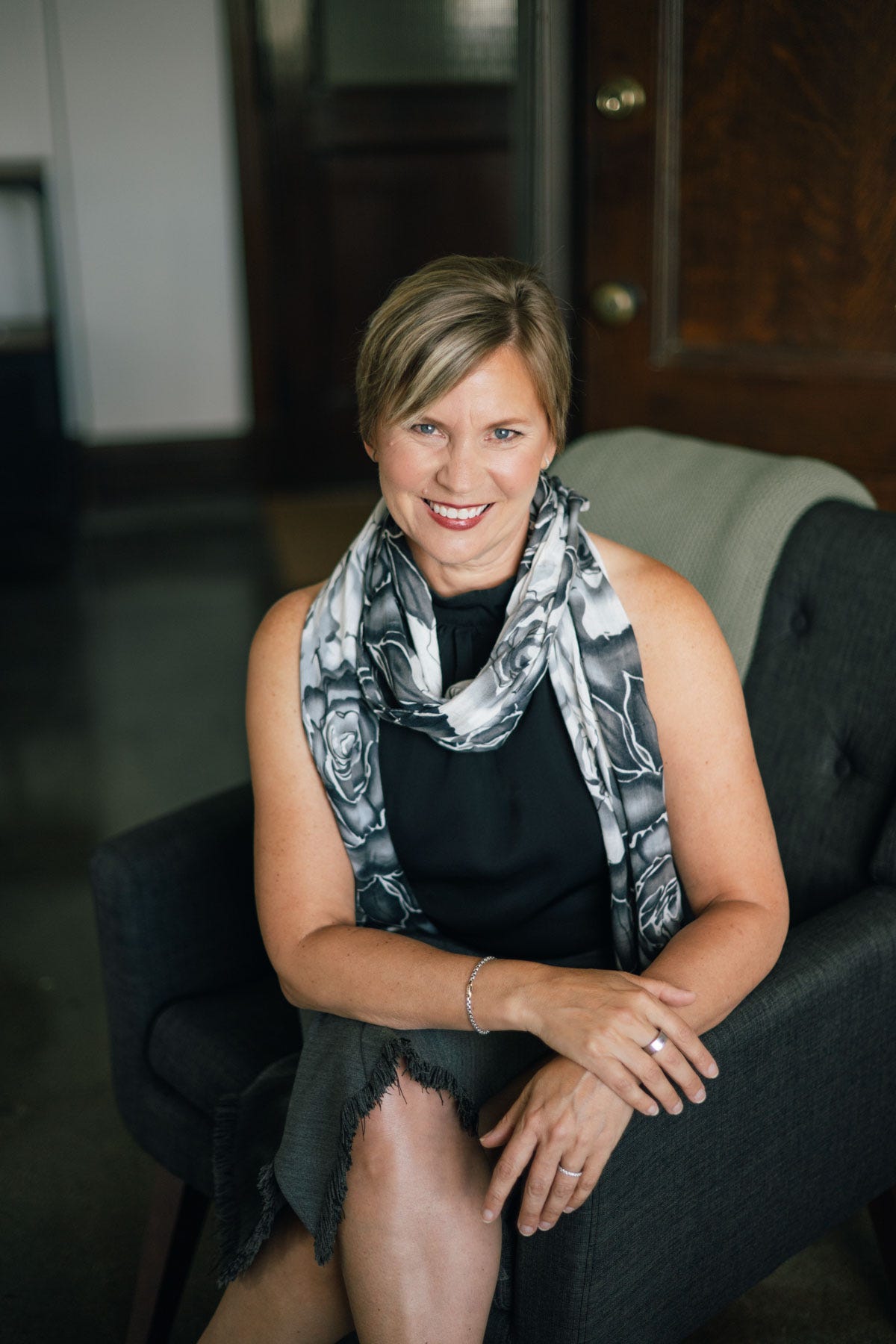
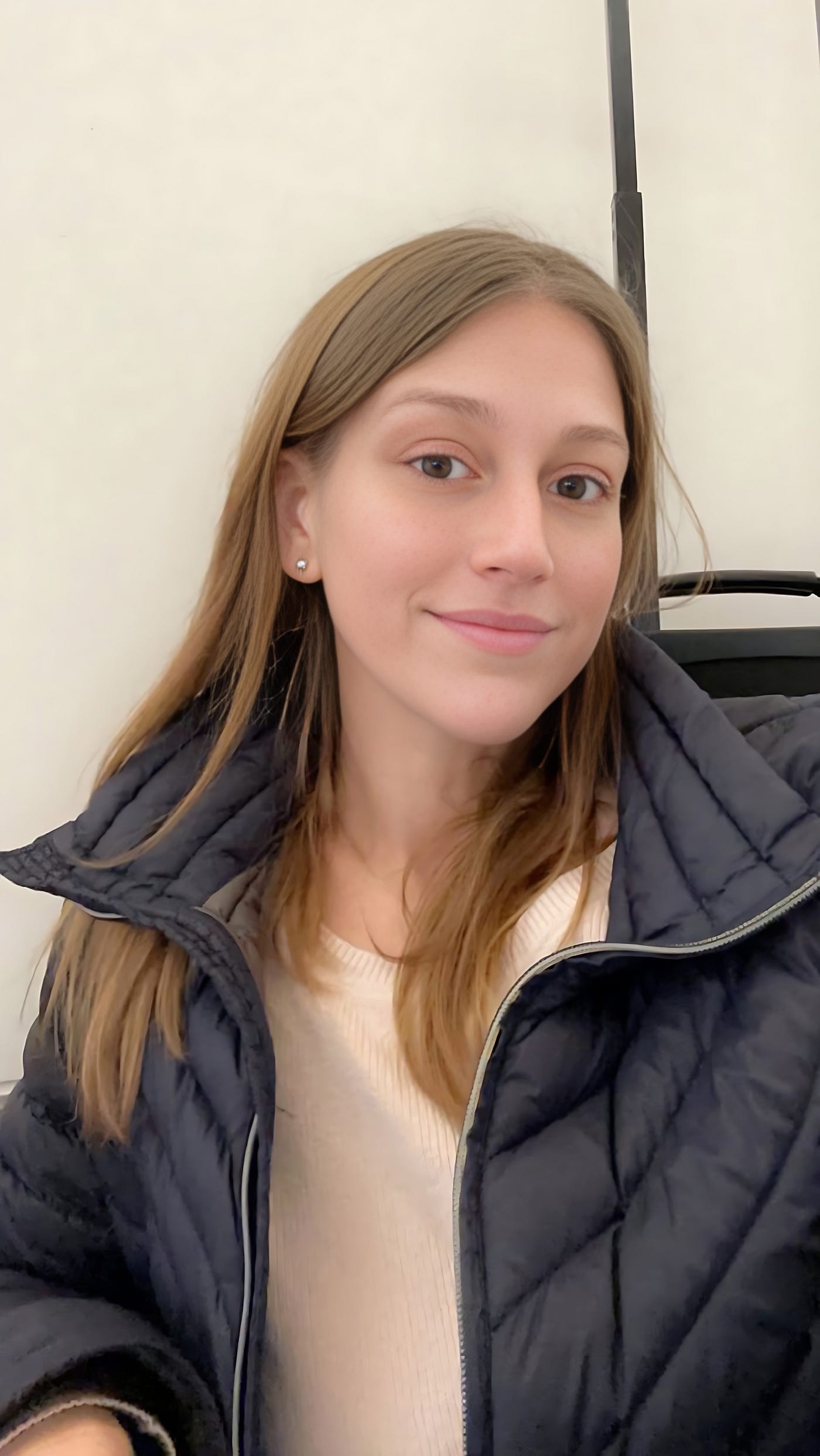
As a part of this series, we had the pleasure to interview Maggie Constantino.
Maggie Constantino is a writer, storyteller, and technology leader whose work explores what happens when history, conflict, innovation, and ordinary human lives collide. Maggie brings more than 20 years of experience across government, technology, financial services, and mission-driven organizations. In 2017, Constantino was awarded the USO President’s Award for her work at the US Embassy to Japan in their efforts following the USS Fitzgerald catastrophe. Constantino has led enterprise technology programs, developed governance and vendor-management functions, and directed cybersecurity readiness and resilience exercises in high-stakes environments. This background gives her an unusual vantage point on security, global competition, the future of work, and the promises and risks of deep technology.
Thank you so much for joining us in this interview series! Can you tell us a story about what brought you to this specific career path?
I started writing in 2024 because, frankly, I was frustrated by my friends’ lack of interest in current world events. I have always loved learning about war history, and as I read about current geopolitical events, I began to see history rhyming. I would tell my friends what was happening in the world, and one friend, whom I still love dearly, loudly declared that she would rather watch reality TV than try to understand the complex world of geopolitics. That was it! I became determined to make geopolitics relatable to everyday people who are just trying to get through their day.
Can you share the most interesting story that happened to you since you began leading your company or organization?
I met a wonderful woman from Ukraine named Anna, who gave me the opportunity to write her personal story of hardship and resilience during war. Anna is a Ukrainian mother whose husband is fighting on the front lines while she raises their sons oceans away. Her story carries the plea of so many people displaced by war: “Do not forget me.” She is one of many people I have interviewed whose stories have expanded my understanding of everyday people suffering under dire circumstances. Their stories have broadened my readers’ perspectives and opened their eyes as well.
It has been said that our mistakes can be our greatest teachers. Can you share a story about the funniest mistake you made when you were first starting? Can you tell us what lesson you learned from that?
One mistake has been letting something I don’t understand overwhelm me. I want to write about quantum in a way that everyday people can relate to, including how it could affect humanity, so I am studying it through MIT. Linear algebra was not kind to me. Cue the full-on ugly tears, hiccups, and emotional breakdown! I wanted to explain quantum to the world, but first I needed someone to explain the complicated world of linear algebra to me. It wasn’t funny in the moment, but looking back, there is something funny about a grown, middle-aged woman being brought to tears by math. I learned to take a breath and remember that it’s more than okay not to understand everything right away. I’m still trying to figure it out, though. Anyone know linear algebra?
Can you describe how you or your organization is making a significant social impact?
I am a compassionate storyteller, and I believe compassionate storytelling can shape how people understand geopolitics. The stories we choose to tell, and the way we tell them, can turn a person in crisis from a headline into someone the world can no longer ignore. Those stories can build public understanding and momentum toward action. I have seen this movement from witness to response firsthand. I wrote about Anna, who asks the world not to forget her. Then I wrote about Bob, an American medical volunteer who has returned to Ukraine again and again and shows what remembering looks like. One story reveals the human cost of war; the other shows what can happen when someone refuses to look away and decides to act. My work through PhoenixLens is to carry both stories forward until private courage becomes public understanding, and public understanding gives society a reason to care and a responsibility to respond.
Can you tell us a story about a particular individual who was impacted or helped by your cause?
He wasn’t famous, but he was very important to me. His name was Joseph Logan. One of the best compliments he ever gave me was telling me that my writing made him cry. But perhaps more importantly, my writing helped him care more deeply about people living through unimaginable circumstances, and to see their struggles and their hopes for a better future.
Are there three things the community/society/politicians can do to help you address the root of the problem you are trying to solve?
- Turn compassion into action: When a story moves us, we can decide what action to take. We can volunteer, advocate for a cause we care about, or simply write to a policymaker.
- Make room for empathy: It is important that we listen to each other and recognize another person’s hopes, fears, losses, and courage. This kind of empathy can shift people’s perspectives, even deep-rooted beliefs, and perhaps change things for the better.
- Keep overlooked lives visible: Carrying stories beyond a single conversation helps ensure people are remembered and that their experiences reach wider audiences and decision makers.
How do you define “Leadership”? Can you explain what you mean or give an example?
I believe in servant leadership. For me, that means serving others with care and consideration, and remembering that we are all human, with different ideas and perspectives. Leading with humility and understanding is how the mission gets accomplished.

What are your “5 things I wish someone told me when I first started” and why?
1. Not everyone is going to like you. You cannot expect everyone to agree with you or connect with your writing. I once wrote a blog post that angered some of my readers because they didn’t agree with my argument. Some even unsubscribed.
2. Don’t forget to breathe. Pursuing your goals can become overwhelming, especially if you never pause. My battle with linear algebra taught me that sometimes we all need to stop, take a breath, and relax.
3. Don’t be afraid to meet new people. You never know how a conversation might change the way you see the world, or even change your life. Doors can open to new opportunities. Meeting Anna is proof of that.
4. Love and cherish your inner circle. The people closest to you can help you through challenging moments when you just need a loving hand or a warm hug. My inner circle has been my best support system as I navigate life, both personally and professionally.
5. Be proud of the gifts and the inner genius you bring to the world. You do not have to be like everyone else to offer something meaningful. My gift is compassionate storytelling, and my hope is that my voice can help someone see and care.
Can you please give us your favorite “Life Lesson Quote”? Can you share how that was relevant to you in your life?
“It’s okay to have a moment.” Sometimes the stress of life can be overwhelming. Work deadlines, children, a mortgage, and significant others can all add to the stress until you just want to scream in frustration or, in my case, have a good cry. My dear friend, who recently passed away, reminded me that it’s okay to have a moment and let go of that stress and anxiety. Those simple words made all the difference.
Is there a person in the world, or in the US with whom you would like to have a private breakfast or lunch with, and why? He or she might just see this, especially if we tag them. :-)
I would choose Eminem. I would love to talk with him about writing, including how his stories take shape and how he turns them into music. Perhaps some of my stories could even inspire his next song.
You are a person of enormous influence. If you could inspire a movement that would bring the most amount of good to the most amount of people, what would that be? You never know what your idea can trigger. :-)
I would inspire a movement that turns compassion into action. It starts with truly seeing people, listening to their stories, and deciding not to look away. The question I want to leave with the world is this: Once you truly see someone, will you look away, or will you show up? Perhaps, just perhaps, our answers can help us find our way back to peace.
How can our readers further follow your work online?
You can follow along with the stories I write about geopolitics, war and remembrance, emerging technology, and the people living through history on my Substack, PhoenixLens, and learn more about my work at phoenixlens.com.
This was very meaningful, thank you so much. We wish you only continued success in your great work!