When your child expresses a desire to harm themselves or others, or you lie in bed at night worried that they might not be there in the morning, it’s haunting.
Social Impact
Eve Lawrence of WanderWithEve: Inside the Journey of Resilience, Special Needs Advocacy, and Entrepreneurial Reinvention
The founder and former actress shares her powerful journey of navigating autism parenting, overcoming intense personal adversity, and rebuilding her wellness enterprise.
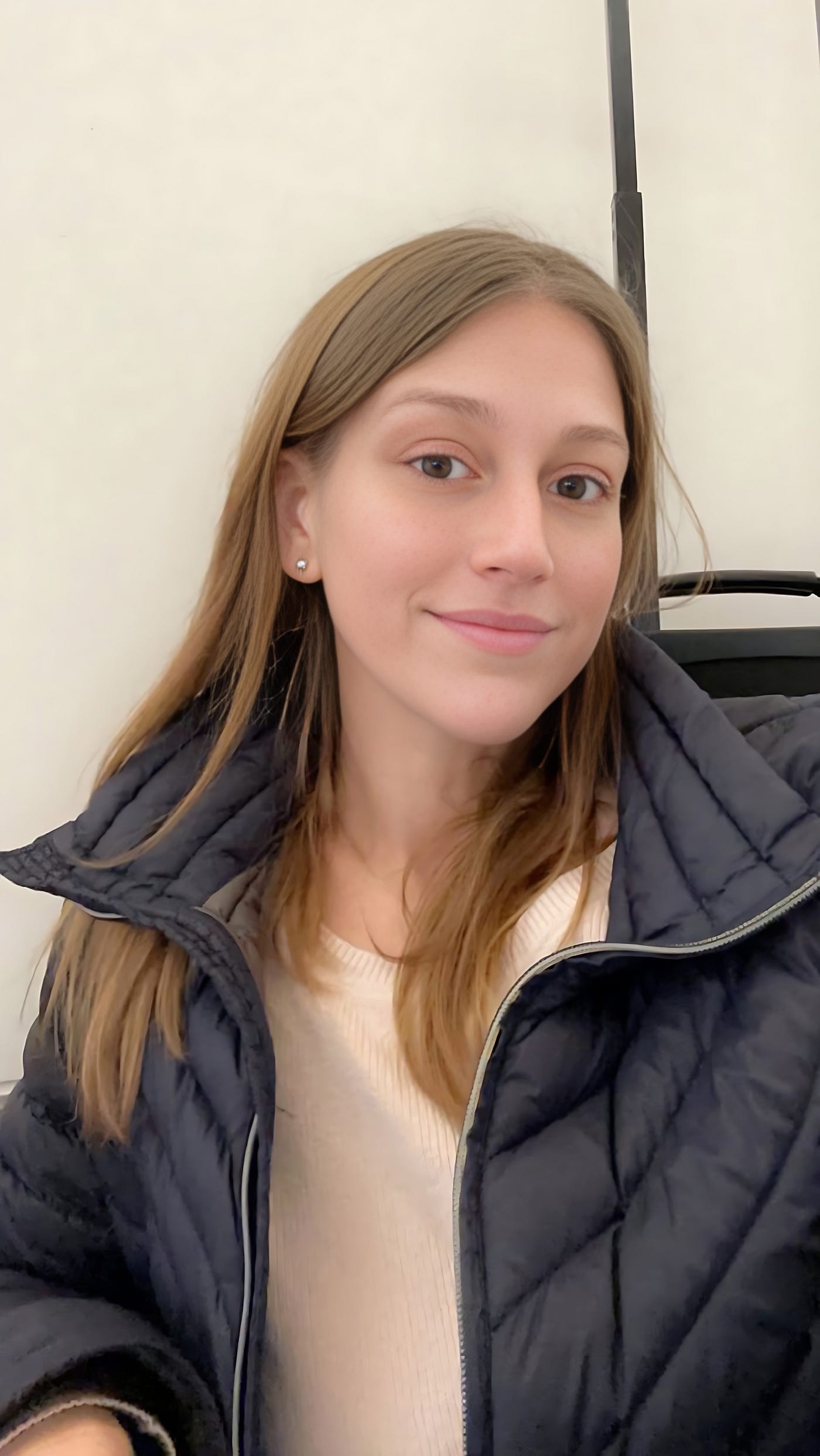
I had the pleasure to talk with Eve Lawrence. Eve is an individual with a multifaceted background and a passion for exploration and wellness. As a retired actress and dedicated mother of two children with autism, Eve has redirected her focus towards travel, lifestyle, and wellness through her platform, WanderWithEve.com. Her website serves as a resource for engaging personal stories, insightful reviews, and practical tips for those interested in exploration, learning, and inspiration.
WanderWithEve.com offers more than typical travel content; it’s a gateway to a world where travel experiences are enriched with depth and personal insight. Eve shares her global adventures, providing unique perspectives and advice that transcends standard travel guides. Her narratives are a mix of the exotic, daring, and tranquil, appealing to a wide audience of explorers and wellness seekers.
Eve’s commitment to wellness is evident in her exploration of mental, physical, and spiritual well-being. The platform is a sanctuary for those in pursuit of balance and a healthy lifestyle, offering insights into holistic health and personal wellness stories.
The lifestyle section of WanderWithEve.com addresses various elements of daily life, from special needs parenting to entertainment, providing valuable tips and personal anecdotes. In addition, Eve offers unbiased, detailed evaluations of products and services, aiming to empower her readers with information to make informed choices.
Her journey is a testament to personal transformation, as she has navigated through the complexities and controversies of her previous career in the adult film industry with resilience and grace. Now, Eve stands as an inspiring figure who shares her continuous learning and personal evolution with her audience.
For further details about Eve Lawrence and her travel experiences, individuals can visit WanderWithEve.com.
Eve, thank you so much for joining us. It’s an honor to meet you. Before we dive in, our readers would love to learn about your personal origin story. Can you share with us, if you’re comfortable, a story of your childhood and how you grew up?
I was born in 1985 to some pretty amazing parents — both were trailblazing firefighters, and my mom, she was a real groundbreaker, becoming a battalion chief. When they split up in my third grade, mom kept us busy with all sorts of activities. That’s when I fell in love with dance and cheerleading. We ended up moving to the eastern shore of Maryland during my middle and high school years. I kept up with my dancing and cheering, even though it wasn’t always easy. I had to face some really tough stuff, including a traumatic assault and seeing my school’s drama program get cut. Communicating was super hard for me back then, partly because I’m on the autism spectrum. I went through some dark times, hurt myself, and even survived a car crash that could’ve been the end of me.
Fast forward to 2008, and my life changed in a big way — my son was born with heart issues and needed surgery when he was just three months old. Being a mom in my line of work was tough as nails, but I got through it. I really stepped into the mom role during his seventh surgery, around the same time I was pregnant with my second son. I even got involved with a campaign at Children’s National in D.C. Then, my eldest got diagnosed with autism, which just added to the rollercoaster we were already on.
By 2018, I was on the hunt for something meaningful to do, so I started a sexual wellness subscription box company. It was doing great — even won some awards — but then life threw me a curveball. My ex did something that got me committed and left me without a home for a bit. But hey, I’m a fighter — I ran my business from my car and got myself back on my feet, and got my kids back too.
Then came COVID, and with my ex still working, I ended up homeschooling the kids. It was a challenge, but we made it work, considering my oldest’s health risks and my youngest’s struggles with speech. I managed to get him back to school, in a place that was just right for him, even though he was having a tough time behavior-wise.
Post-divorce, I thought it’d be best for the kids if we all lived together, but that didn’t pan out. Eventually, I got us all stable enough that I could chase some personal goals in London. But when things back home got rocky, I rushed back.
Things started looking up when we moved into a new apartment — my son’s behavior improved like crazy, meeting all his special ed goals. I was so proud, I went to court to change our custody arrangement, to show everyone that I could handle it, no matter the past or what people thought of me. I’ve served the papers to my ex, and now it’s just a waiting game.
So, what’s next for me? Maybe I’ll get full custody, or perhaps I’ll dive back into the performing arts. Whatever it is, I’m ready for it. Life’s taught me that resilience is key.
Are you still working on your wellness brand, or has that been set aside for now?
The Love Drop Company is the name of my brand. During the time when I had to focus solely on my son’s care, we took what I like to call a ‘tactical pause.’ It was crucial because of the situation my youngest was in. I had to stop everything I was working on and completely prioritize his care. When your child expresses a desire to harm themselves or others, or you lie in bed at night worried that they might not be there in the morning, it’s haunting. That fear stays with you. I reached a point where I was willing to do anything, no matter the cost — even if it meant going bankrupt or losing everything I’d worked for — to ensure my son could thrive, be successful, and find joy again. In light of that, my business, my career, any personal happiness, had to take a backseat to my son’s wellness.
But now, I’m navigating a deal to merge with a traffic company that will manage my brand. We’re also collaborating to relaunch the wellness brand to make things easier for me and my family.
Would you feel comfortable talking about your experience as a special needs mother to give support or encouragement to other parents who have children with special needs?
As a special needs mother, I’ve embraced a philosophy of unconditional love and acceptance. Meeting your child where they are is a principle that became incredibly important to me, not only in my role as a sexual wellness educator but also as a mother. Particularly when you’re working with a co-parent who hasn’t come to terms with their child’s disability, the most profound thing you can do is to accept your child, yourself, and the reality of the situation. Acceptance doesn’t mean seeing it as a flaw or defect. For me, having a child on the spectrum is not a disadvantage; it’s a unique gift.
It’s like solving a puzzle. When you educate yourself on the milestones and key indicators, you open up a whole new world for your child. It enables them to communicate, access, and process the world on a much more profound and, I would say, spiritual level. The insights my son has given me as we navigate the world together are invaluable.
Being a special needs parent teaches you about life and how to approach it. You have to release the stress, the pressure, and let go of what weighs you down to rise above for your child. Special needs children face so much discrimination and societal biases that creating a loving, peaceful environment for them to thrive in is essential.
As parents, our primary role is to accept our children as they are and to provide a nurturing environment free from our own projections and expectations. We all have this fantasy of who our child will become and the dreams they will fulfill for us. However, it’s crucial to ensure that we don’t inflict our unresolved traumas on them in trying to heal ourselves.
Through adapting my approach to my son’s needs, and by actively listening to his support team — his social workers and the educators who see him for who he truly is — I’ve learned so much. Attending IEP meetings can be challenging; sometimes it feels as though the professionals are critiquing your parenting. But remember, the structures and strategies they suggest are there to support our children’s success, and that is what’s truly important.
Can you share with our readers what most people might not understand about being a special needs parent unless they have similar experiences?
One thing that people who don’t have special needs children may not grasp, which I forgot to mention earlier, is the level of empathy you can find when you care for an aging parent or one with dementia. In 2019, when I was unable to use my career for income, I became a certified med tech. I worked on a locked dementia unit during the pandemic, responsible for the care of 24 residents. I provided full-service care, everything from daily living assistance to administering medication and end-of-life hospice care. Caring for someone with Alzheimer’s or dementia mirrors the lifelong commitment and daily attention that being a special needs parent requires. In fact, working in the dementia unit felt like a break compared to the care I provided at home.
It’s incredibly challenging when you face extraordinary circumstances in your life; you may want to control everything to prevent anything from going wrong. But the key is to keep moving forward and turn the situation into a positive experience. That’s where delegating comes into play — recognizing that maybe I don’t have to manage everything and allowing others to help, so I can rest and be the best special needs mom I can be.
Recently, I’ve realized that I’m not the only one who can support my son; I ran myself into the ground trying to be the sole provider of his care. When my ex wanted to reinforce our custody agreement, I agreed because I was exhausted. Despite grieving the daily absence of my children, I’ve been resting for the first time in months. And I’ve learned that prioritizing my rest doesn’t make me a bad mother. Rest is crucial; that advice to ‘sleep when they sleep’ doesn’t end after the toddler years for a special needs parent. Sometimes, after an exhausting day, I’m ready for bed by 7:30 pm. When one small thing could lead to a meltdown, you realize that you just don’t have the energy to cope. So I tell my son, “Let’s get in your PJs, I’ll read you a story, and then it’s bedtime.” As soon as his head hits the pillow, so does mine. The importance of rest cannot be overstated, and I’m grateful that my career has provided the income to support us.
I sincerely don’t know how parents who aren’t in my industry manage. It’s a testament to the strength and resilience that all special needs parents must find within themselves.
Can you talk about the importance of support when it comes to raising a special needs child?
Absolutely. In the last six months, my work which I can’t do when my son is with me, has been greatly affected. If his dad can only take him for a couple of nights a month, that’s a significant drop in my income. So now, for the first time in my life, I’m facing eviction, applying for social services, and even got on food stamps — all measures to take care of my son. Contrast that with last year when I was building a house; that’s how drastically things have changed. The support of a co-parent is critical — having someone who understands, is a true partner, and is committed to the care of your special needs child.
For example, at the start of the school year, the bus service for my son changed for the worse, and neither the drivers nor the aide were equipped to handle special needs children. I successfully advocated for the original bus service to be reinstated. However, when I asked for support from my co-parent, it became a joke to him. That’s why being part of a team is so vital. You need to work together with the understanding that your child’s success is the ultimate goal, not individual pride.
It’s about ensuring your child grows into a balanced, empathetic person who stands for what’s right. Accomplishing this as a single special needs mom is incredibly challenging; you really do need a supportive team.
Can you share with our readers any of the self-care routines or practices that you do to help your body, mind, and heart thrive?
Staying spiritually grounded is the cornerstone of my success. Ensuring that I maintain my spiritual health and remain hopeful is crucial. My faith assures me that everything will be alright. Going to synagogue, connecting with my community, and sharing my passion for faith with others who are equally passionate is incredibly fulfilling. It gives me a sense of home and a safe space, a support system I can count on even when society doesn’t provide that comfort. Spiritual health is vital; without nurturing it, we can’t be wholly fulfilled.
Another key practice is engaging in positive self-talk. Having grown up in dance and cheer, I sometimes find that the critical voice of an ‘angry dance mom’ can dominate my thoughts, and she’s not always the kindest. I’ve realized the importance of halting negative self-talk. It’s essential to be kind to ourselves and affirm positive things because the way we speak to ourselves deeply influences our wellbeing.
Lastly, learning to delegate has been transformative, especially as a special needs mom. I’m often preemptively managing situations to avoid potential meltdowns or crises, always on the lookout for what could disrupt our day. The most challenging yet beneficial change has been allowing myself to delegate tasks and empower my co-parent to take on more responsibilities. This step has been crucial for me to get the self-care, rest, and respite care I need. It’s about trusting others to help and giving myself permission to take a step back when necessary.

Eve, because of the great work that you’ve done and the platform that you’ve created, you’re a person of enormous influence, and a lot of people take your words very seriously. If you could spread an idea or inspire a movement that would bring the most amount of good to the most amount of people, what would that be?
I have a great answer for this. Throughout my life and career, I’ve lost many important people to suicide and mental health issues, especially in the industry, which is not regulated. There’s no formal consensus or data about mental health or services needed for these individuals. Personally, I would like to initiate a suicide prevention program called Just Dance, which encourages people to put on their favorite song and dance when they feel down.
I love the idea because a friend I grew up with, who also became a model, took her own life during the pandemic. I wish I could have told her just to dance instead of taking her life. Whenever I perform, I feel her presence, as if she’s dancing right beside me. The show I’ve been working on is also a tribute to her. We grew up taking ballet and pointe together and joined cheerleading in high school. After graduation, I became a film star, and she became a model. We had our respective dreams of going to LA and New York, but London was special to me. After freeing myself from a certain relationship, I knew London was where I needed to be, where I felt closest to those childhood dreams we shared. That’s why I’m working on this show. I really just want people to see that I was once a little girl who wanted to be a ballerina and how important it is to just dance and support theater and arts.
For example, when the drama program at my high school was cut, and they canceled our school musical where I was cast as Rizzo, it was devastating. That cancellation made me leave school because it took away my outlet for expression, particularly after a traumatic assault. So now, 20 years later, coming full circle and still being able to achieve my dreams with a healthy body and mind is a beautiful thing. Through my story, I hope to inspire others to keep fighting for their dreams, no matter how old they are, and to never stop dreaming because you can still accomplish anything you set your mind to if you just have a dream.
How can our readers continue to support you and your work?
The best thing we can do is spread love and light, just being kind and good to your neighbor, choosing not to empower the constructs that separate and divide us. The things that polarize and divide should not be what keep us apart but rather what humanize us. My experience as a woman in society and through my career is just a magnification of what many women deal with every day. It’s a hyper-expression of the existing microaggressions. Through sharing my story, I hope others who have experienced similar aggressions can find hope that they are not alone. If I can keep smiling and dancing through the challenges, including the reality that I may never have my children in my full-time care and might only see them four nights a month, then so can others. If I can survive, be happy, and keep fighting, I hope to be a light for others. (Sorry, I got emotional.)
I’ve been finding it easy to cry over the past few weeks because of the war. My daughter is in Israel now, so seeing young babies in such a predicament affects me deeply since I can’t help but think of my own daughter.
I agree. What really struck a chord with me were the videos from the EDM festival. Growing up, raves and festivals were my sanctuary, my safe space. Seeing those children in danger really hit home for me. It’s a true test of faith, a gauge to see if this is truly your spiritual calling or not. Times like these reveal the true nature of the people around you. It’s most difficult to stand in your truth when it’s not shared by your peers. It’s one of the toughest challenges to face.
I feel that the deeper I’ve ventured into my spiritual journey, the more I’ve distanced myself from many people in my life. I’ve lost a lot of connections in the industry, essentially being blacklisted for speaking about basic human rights and humanity. My aim was to find bipartisan support in D.C. for regulations that help people, like my mom, who was a battalion chief in the fire department. I’ve tried to bridge Hollywood entertainment with the need for regulations that not only protect individuals as human beings and workers in the industry but also ensure the market economy’s profitable success.
People don’t like me sharing my story. They don’t want to hear about my experiences as a survival sex worker, about my abusive relationship, losing custody of my child, or being involuntarily committed to a psychiatric facility. If I don’t project an image that everything in the industry is great, then I’m seen as a danger to its success. The voice I have isn’t the one the industry wants to be heard.
As I’ve been discovering this new sense of self, I’ve also been losing a part of the community that I felt was mine for 20 years. Only a few, like Brian, have stood by me on this journey. It’s telling to see which companies now snub my press releases, viewing me as a threat.
I believe that the lack of regulated mental health support and data in the industry is a human rights violation. The amount of suicide within the industry over the past 20 years also constitutes a human rights violation. If the government were to conduct an official census, I’m convinced that they would find the suicide rate to be potentially twice as high as that of combat veterans. They avoid these studies, and I hope that by sharing my story, I can reach those in power who want to hear a real account from a mother with a special needs child, and who has faced struggles that can inform beneficial changes for both the industry and society.
Consumer consent, particularly for underage individuals and those who do not wish to view adult content, is being violated on mainstream platforms like Facebook and Twitter. This violation extends to sites like X, which break the law by not age-verifying their content or adhering to federal regulations like the 2257 requirements. Yet, the focus often falls on marginalized individuals trying to provide for their families rather than on platforms like X, which profits from this unregulated and unverified content.
People in the industry may criticize me for this stance, claiming I’m attacking freedom of expression, but that’s not my intent. I view it as exploitation, with X being one of the largest exploiters of illegal adult content online. They are, in my eyes, violating federal law by not having 2257 documentation for every piece of adult content on their site.
Why isn’t the FBI addressing these violations? For pointing this out, I know I’ll be vilified, but there’s a distinction between right and wrong that I understand deeply. The handling of adult content on platforms like X and Facebook, where real workers are shadow-banned while illegal content thrives, is essentially an underground market. These platforms are profiting and funding groups that attack legal workers in the industry.
Some might not listen or agree with me, but I see X as the largest distributor of unregulated adult content online, and that’s a hard truth many are not willing to acknowledge.
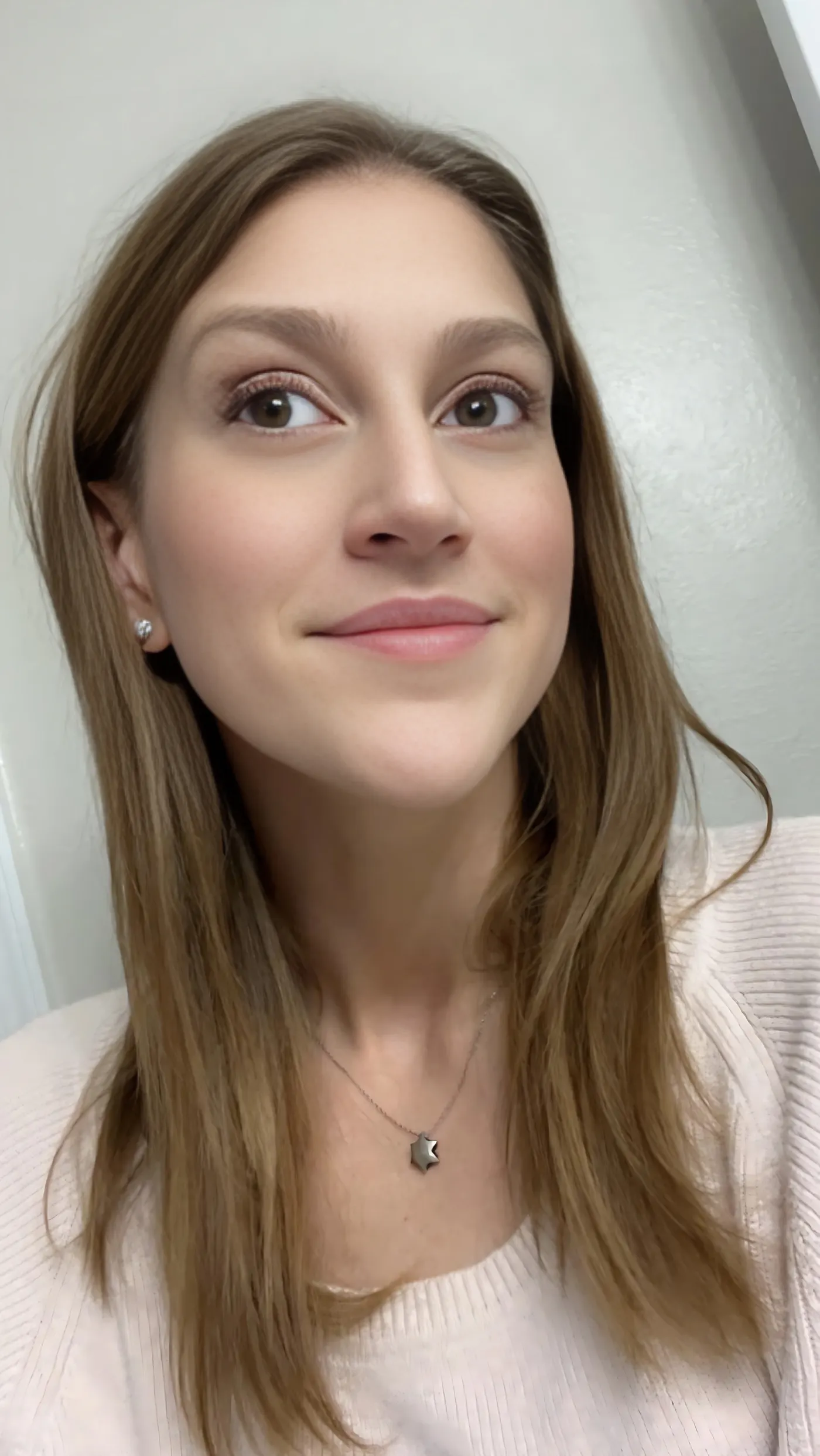
Can you tell us a bit more about your connection to your faith?
I honestly feel like I’m meant for a matriarchy of strong Jewish women. I had my sons first and I see my daughters as these beautiful forces of light. I cherish the idea that my female children will contribute to the world through art and music. I believe that everything I’m doing, not just as an actress or an entertainer but as a Jewish woman, will lead to success. It’s my light as a Jewish woman that will make me successful.
When I take the stage, I hope to inspire Jewish men to remember the good they are doing and who they are being good for. The support of Jewish men in my life has been pivotal to my journey. My aim is to inspire Jewish life, particularly in the arts. When I transition from being known as Eve Lawrence to using my real name, I want to be recognized as a Jewish American actress. I feel that’s an identity not often celebrated openly, unlike in the past with people like Hedy Lamarr, who had to conceal her identity until after her passing.
I don’t want to live in hiding. I want to live my truth as a Jewish woman while I’m alive. I identify with Hedy Lamarr; she is one of my idols because I empathize with her story — her journey, her fight not just to be seen as a pretty face, but as intelligent too. It’s important to me not just to succeed as an actress, a mother, or a special needs mom, but as a Jewish woman. That identity is crucial to me; it’s central to who I am and my calling. And yes, I know not many people talk about this, but it’s my truth and what I really feel, and it’s so beautiful.
Through this journey, I encountered Jewish men who supported my career and helped keep me safe. I never felt any shame for my job or career until I was with my ex-husband, who used it as a weapon against me. I stopped shooting films when I became pregnant with my son and took a permanent position at an aircraft brokerage firm. I’ve always enjoyed temping; it allowed me to explore different places and learn new things alongside my career.
However, my ex would make comments that made me feel judged for the transition I made from one profession to another. That judgment is something I feel even now when it comes to entertainment or transitioning to theater. That’s a big reason I was drawn to London — there’s a community there that sees me as more than my past, that values me for my broader contributions. This perception has significantly influenced my journey.
Connecting with people in the industry has become really hard for me. So many people don’t want me to share my ideas, and they go to great lengths to prevent others from connecting with me. It’s like when I make a new friend or go public with a friendship, there are those who will actually send out emails warning people to stay away from me. This past year has been tough, not just because of the isolation I felt due to my ex-husband, but also feeling cut off from the industry when I started speaking my truth about things that felt wrong.
This has been the first time in my life where I had to really rely on myself and my spiritual beliefs, what I know is right and wrong. Before, I think I just enjoyed a lot of privilege and never felt it was my responsibility to worry about these things because I was successful. It’s only after you’ve experienced hardship yourself that you can truly understand how difficult things can be for others and see things clearly for what they are, with no gray areas.
It’s interesting to think about how people during World War II helped others. That connection is profound. I got chills talking with a Jewish friend about how our stories and trauma are encoded in our DNA and can be passed down to future generations. It’s an intriguing thought that these experiences are part of our genetic history.
The first time I ever stood up to my ex-husband was when he claimed the Holocaust never happened. I insisted that he take it back because it was a horrendous thing to say. He assaulted me because I wouldn’t let it go. That was a significant moment for me, a real turning point, because I’ve always felt connected to Judaism. Films like “The Pianist” changed my life. My autism gives me an auditory sensitivity, so music and sounds trigger profound memories for me. When I go to synagogue and hear the music, it’s as if something in my DNA recognizes it and I feel at home, at peace. There’s a beautiful energy I feel when I’m in the synagogue; it’s where I find peace, and oddly enough, there’s no place I’d rather be on a Friday night. That’s my truth.
Faith is the cornerstone of everything for me. It’s my love and my light, and what helps me carry on. I honestly don’t think I would have survived any of this without faith.
Yitzi: It’s been a pleasure to meet you. We wish you only continued success.
AM
Written by
Authority Magazine Editorial Staff
Editorial Desk · Authority MagazineThe Authority Magazine Editorial Desk produces, verifies, and edits long-form primary-source interviews with executives, innovators, clinicians, creators, and social impact leaders across Business, Tech, Pop Culture, Wellness, and Social Impact.

Published inAuthority MagazineTop Lessons, Top Authorities · 42K Followers
Exclusive, curated interviews with the leaders and changemakers shaping tomorrow. Leadership lessons, industry deep dives, and executive profiles.