
I’m also incredibly excited about the research and outcomes we’re seeing with psychedelic therapies and their amazing outcomes and I hope to be able to work with these treatments as well in the future.
The pursuit of healthy weight management is a journey many of us embark on. In a world where quick fixes are often sought after, weight loss drugs have found a notable presence. However, like any medical intervention, there’s a need for understanding, caution, and professional guidance before considering such options. In this interview series, we are talking to doctors and medical and wellness professionals about the science, safety, efficacy, and ethical considerations surrounding weight loss drugs. As a part of this series, I had the distinct pleasure of interviewing Dr. Wendy Askew.
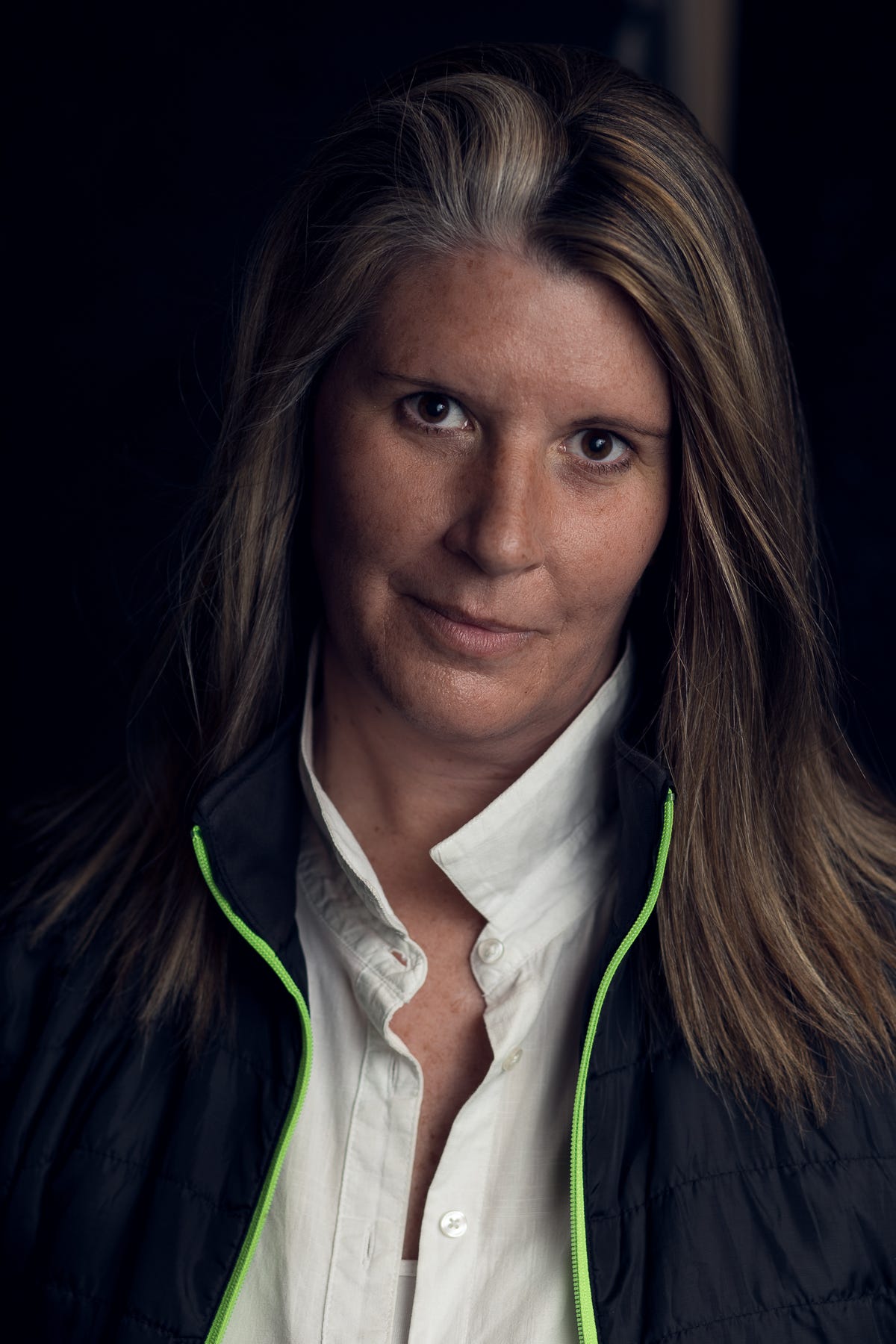
Dr. Askew is Board Certified in Obstetrics and Gynecology as well as in Functional and Regenerative Medicine, and has been practicing medicine for over twenty years. She is the Medical Director for clinics that offer weight loss treatments in Texas, Illinois, Arizona, Utah, Tennessee & Colorado. Dr. Askew understands that achieving and maintaining a healthy weight is foundational to our physical and emotional well-being, and that there are a multitude of metabolic, hormonal, and environmental factors that can impact our ability to lose weight and keep it off.
Thank you so much for joining us! Our readers would love to “get to know you” a bit better. Can you tell us a bit about your ‘backstory’?
Thank you for having me! It’s such an important topic and people are struggling so hard to be healthy and they really need sound, actionable, and affordable advice, because there is so much conflicting information and we want to give patients good guidance. My personal backstory, with respect to this subject, is that I have struggled with my weight since I was eleven years old, so the topic is more than academic for me. I have personally tried nearly every diet from Atkins to plant-based to the HCG diet, as well as most of the appetite suppressants available by prescription as well as over the counter. In addition to this, I have Hashimoto’s thyroid disease, and I went into full menopause before I turned 40, so I understand very well that weight loss is not simply confined to “calories in and calories out”.
Professionally speaking, I practiced conventional obstetrics and gynecology for over a decade after residency and enjoyed my work very much. Around 2010 I began to see more and more patients who weren’t getting relief for their symptoms from the usual prescriptions and surgeries that I had been trained to use, and many of them were asking for bioidentical hormone treatment; something that I had been trained wasn’t safe or effective. Rather than dismissing them out of hand, I decided to seek out formal education about these things, and I found the most reputable, comprehensive and science-based program in functional and regenerative medicine training that existed and down that rabbit-hole I went. What I learned was that there was a whole world of ‘complementary and alternative-medicine’ options that are very safe, and have tremendous potential benefits for a lot of patients. I love being able to offer patients treatment options from both the traditional pharmaceutical options, and from the complementary medicine world. Over the last ten years my practice has evolved quite a bit. I left hospital medicine in 2018, and now my practice is largely focused on wellness and healthful aging. In addition to weight loss; hormone therapy for both women and men is a large part of my practice; and my other niche areas being sexual health, and medical cannabis. I’m also incredibly excited about the research and outcomes we’re seeing with psychedelic therapies and their amazing outcomes and I hope to be able to work with these treatments as well in the future.
Can you share with us the most interesting story from your career? Can you tell us what lessons or ‘takeaways’ you learned from that?
Wow. So many interesting patients over the last 26 years! I think that one of the most interesting was definitely a hormone patient, who had just turned forty, who had been told that she was feeling tired, and sad, and had lost interest in sex, was super tired all the time, she was more forgetful, and said she had just lost motivation to do anything — work on projects at home, go out with her friends, and was very worried. Her doctors had diagnosed depression, and all her labs were normal, and she was on Lexapro, and Ambien and xanax, but they really didn’t help with most of the symptoms. After consultation we treated her with an appropriate dose of hormone therapy (focused on testosterone for her) and within two weeks of starting treatment, she noted improvement in all of her symptoms and actually discontinued all of the prescribed meds and felt like her younger self again. She was one of my earlier hormone patients as I was learning and since then I’ve seen hundreds if not thousands of patients who have similar responses. The takeaway lesson for me, is that as clinicians we have to be constantly learning, and we need to seek out knowledge and always be willing to challenge what we think we know, and sometimes question the things that we learned in the past. One of my favorite sayings is attributed to Confucious, who is claimed to have said “If you are the smartest person in the room, then you are in the wrong room.” Lifelong learning is part of being a physician.
You are a successful leader. Which three character traits do you think were most instrumental to your success? Can you please share a story or example for each?
Caring is the quality that I believe has been most impactful for me. When you genuinely care about the patients, your staff see that; and when you extend that to genuinely caring about the people who work with you (or for you) there is a culture of reciprocity where everyone wants to do their best to help each other as well as the overall team and the mission. Maybe it’s being a woman and a mother, but I want the best for everyone on my team. If that means mentoring employees, or helping them find other positions or make professional transitions that best serve their passions and goals then, so be it. I want the best for people who do their best. If I lose them as an employee, it may be a loss for me personally, but it’s a win for them and I know that God and the universe will bring me what I need, in due time.
Communication is something that I work on regularly. It’s easy when you’re delivering good news, but speaking to your team about concerns with performance or missed goals, or delivering bad news to people are difficult things to do well. Being intentional about the way I present information, meaning choosing the right time, setting and tone, are important aspects of communication, and they make a big difference in how (and whether) the message is received and understood. Being a good listener is such an incredibly important skill, and one that many people don’t possess. If you aren’t making appropriate eye contact (not too much, and not too little), or if you are thinking about something else and not giving your full attention; or if you start to think about what you are planning to say next, instead of giving your full attention to the person speaking — you are actually communicating to them — that what they are saying isn’t really very important. It’s not the message you want to give. People perceive it, and it affects their opinion of you, positively or negatively.
Charisma is my favorite leadership trait. Good leaders all possess qualities like vision, courage, and insane work ethic, but when you think about the great leaders and innovators of history, they have charisma. That magnetic quality that literally draws people to you and makes them want to know you and understand you and support you. It’s absolute gold, and it’s not simply something you’re born with. It’s another set of skills that can be developed and polished for anyone looking to 10X their leadership ability. Olivia Fox-Cabane’s book, The Charisma Myth is incredibly powerful work that can literally teach you how to be charismatic if you aren’t naturally, or help you master this trait if you have some basic degree of it . It serves me so well when I present information, whether it’s one-on-one or speaking to groups. It makes you hard to forget, and your message gets to come along for the ride, so hopefully you have something worthwhile to share. I say that half-jokingly, but only half. Charisma is a game-changer for leaders.
Ok, thank you for all that. Now let’s shift to the main focus of our interview about health and longevity. To begin, can you share with our readers a bit about why you are an authority in the fields of health, obesity, or weight loss? In your opinion, what is your unique contribution to the world of wellness?
I’ve been a physician for over twenty five years, and I have spent the entirety of that time actively practicing clinical medicine and treating patients that entire time. Many of them struggle with the difficult challenge of losing weight. I am currently pursuing my certification for Obesity Medicine with the American Board of Obesity Medicine and will complete the coursework and their examination when it is offered next year. I am board certified in the field of functional and regenerative medicine, through the American Academy of Anti-Aging, Functional and Regenerative Medicine (A4M), which is requires extensive coursework, online learning, in-person training, and a written and oral board examination to receive that certification. The program is affiliated with the University of South Florida and The George Washington School of Medicine. The field of functional and integrative medicine is an important branch of medicine that seeks to find root causes of illnesses and when possible treat the causes, rather than simply prescribe medications to minimize symptoms. Integrative medicine utilizes conventional medications when necessary, but also understands that there is a role for complementary medicine therapies that may include supplements, meditation, chiropractic, acupuncture and other non-pharmaceutical options. It also recognizes the very real dangers and side effects that many pharmaceutical products can carry, and especially how patients who are taking multiple prescription drugs can experience drug-drug interactions that increase the risk of not only side effects but adverse drug reactions that can be very dangerous.
My personal mission and contribution is to help as many people as I can to feel, look and be their healthiest at every stage of their lives, and to maintain their vitality as well as their health as they age. I believe conventional medicine has become far too dominated by prescription drugs and surgeries, and that doctors have stopped being educators and rely too heavily on lab results and imaging studies in order to try and diagnose conditions, and have really lost the art of the clinical exam and of history taking to make routine diagnoses. Often providers feel too rushed during patient visits to take the time to learn about their patients lives to attempt to recognize factors that affect their health and address those issues in ways that might simply require compassion, listening and education. I believe the failures in the conventional medical system are reflected in the declining health of the American public. Obesity and overweight affect nearly 80% of our population and are directly linked to poor health and increased risks for diseases that affect every organ system in our bodies, including depression and anxiety, and it is the reason I am so excited to share my knowledge and experience with your readers on this critical health crisis.
Do you have any financial affiliations or conflicts of interest related to weight loss drugs that readers should be aware of?
I do not have any conflicts of interest or financial affiliations to disclose.
When should a person consider using weight loss drugs to lose weight?
When they have attempted to lose weight on their own without success. And when their weight is having a negative impact on their physical (and/or) mental health. A caveat I will add, is that, obviously, If someone has an eating disorder or body dysmorphia, and is already very thin , then those issues must be addressed by a mental health professional, and there is no role for weight loss drugs in patients suffering from those conditions. I have seen a handful of patients who are taking some of the newer weight loss drugs, who are dangerously thin, and for those patients weight loss medications are potentially dangerous.
What are common examples of effective weight loss medications?
The newer medications have revolutionized weight loss treatment. I’ve been a physician for over 25 years, and I’ve never seen any results that come close to what these medications do to aid patients with weight loss. These medications are peptides, specifically they are GLP-1 (glucagon-like peptide 1) receptor agonists (or stimulators) and combinations of GLP1-receptor agonists with another molecule GIP (glucose-dependent insulinotropic polypeptide) that mimic molecules produced in our own gastrointestinal tracts that have important effects on digestion and metabolism. What patients feel when they use these medications is more full, less hungry, they tend to have fewer cravings — especially for unhealthy foods, fatty, greasy, salty and sugary foods can actually become very unappealing to patients taking them. As a result, they eat less; and sometimes their food choices become healthier, and most will lose weight. Interestingly, these medications also do some important things at the cellular level and it appears that patients may be losing more weight than would be expected based on the amount of kcal reduction they consume. It might be that they help to revitalize mitochondria to work more efficiently at energy production and consumption. Without too much detail, Ozempic also has demonstrated protection at the heart and the brain against heart attacks and strokes — that is not simply due to weight loss. Ozempic was released to the US market in 2017, Wegovy (is the branded form of ozempic that is marketed for weight loss and it was released in 2021 after receiving it’s FDA approval for that indication. The newest member of this club is Mounjaro, which combined the GLP-1 receptor agonist component with another molecule called GIP, and it’s weight loss results are even a little bit better than Ozempic and Wegovy.
Currently, only Wegovy is specifically approved for weight loss in the US, although approval for Mounjaro is expected very soon. Ozempic (which is the same molecule/ semaglutide as Wegovy, is approved for T2DM) and Mounjaro is currently only fda-approved for Type 2 diabetes, but all of these are extremely effective for weight loss, in the overwhelming majority of users. Wegovy and Mounjaro showed weight loss of around 15–21 % in users at one year, and clinically, we are seeing patients lose a lot more than that. I’m talking about life-changing weight loss in the majority of patients who use these medications. It’s not unusual to see patients losing 50 to 100# with these medications, and for them to not feel like they are being deprived of food.
What are the potential side effects of weight loss with medication?
The most common side effects seen with these medications are gastrointestinal in nature. These include nausea, vomiting, diarrhea, and constipation, these are very commonly seen with the use of these medications but are typically mild to moderate, self-limited, and can be limited by gradually increasing the doses or lowering the dose if they occur. Other side effects are possible, though much less common. Visual changes, including blurry vision, can occur, again, it is not common, and it is reversible. If it occurs, it is recommended to stop the medication and vision is expected to return to normal within three months. Hypoglycemia, or low blood sugar, severe enough to cause side effects is rare and reported in under 4% of patients from the Wegovy trials. Pancreatitis, a potentially dangerous inflammation of the pancreas, is listed as a possible, but uncommon side effect of the medication. Patients with a history of pancreatitis are recommended to not use these medications. There is some controversy as to whether or not this is an actual risk of the medication.
How do weight loss drugs compare to other methods of weight loss in terms of effectiveness and safety?
When you look at the ‘older’ FDA-approved medications for weight loss it’s actually shocking to me that they received FDA-approval and were/are so commonly used by patients, because their results were so underwhelming. The trials that got phentermine (and phentermine combined with topiramate) for weight loss approved, only resulted in patients losing 3% of their body weight in 3 months and up to 7% of their body weight at 6 months. When you think of that in real numbers, a 3–7% weight loss is not very much at all. These medications have an extremely good safety profile in appropriately screened patients, and what’s even more exciting about these medications (GLP-1 receptor agonists and combined GLP-1 ra’s combined with GIP) are the research on them shows an array of fascinating potential and confirmed health benefits that occur independent of their effects on weight loss. Ozempic shows heart protection and brain protections — and has a 26% relative reduction in the risk for a patient to have a 1st heart attack or stroke within 6 weeks of being on the medication. It’s thought that the medication changes the nature of existing plaque in the arteries to make it less prone to breaking off and causing an occlusion downstream. Effects in the brain show decreased cravings for unhealthy foods, and even alcohol with those being commonly reported effects by patients, but supported by the research. They may decrease depression and improve cognitive function (through methods other than weight loss- meaning that they act on centers in the brain that can promote better mood. They appear to have beneficial effects in the liver, and may help to reverse fatty liver disease which is very common today. There is research that shows that they improve mitochondrial energy production to help improve energy utilization and metabolism at the cellular level, which is one of the mechanisms suspected to be involved in the slowing of our metabolism that impacts weight gain as we get older. The possibility of anti-tumor effects is being investigated. And very importantly — they don’t increase blood pressure, or heart rate, and they lack any stimulant effect, as seen with phentermine and diethylpropion and some of the other appetite suppressant medications, so they should not impair. They truly are exciting adjuncts in our battle against obesity and all of the negative health impacts that go along with obesity.
Are there certain populations or groups of individuals for whom weight loss drugs are particularly beneficial or harmful?
Yes, to both. They are especially beneficial for patients who have type 2 diabetes and polycystic ovarian syndrome, but they are very effective for most patients who try them. There are contraindications to their use, and patients who have had pancreatitis in the past are at increased risk for that, and should not use them; and they show an increased risk for a rare type of thyroid cancer called medullary endocrine neoplasia. Pregnant and breastfeeding women should not use them as they have not been tested in these populations, and it’s recommended that patients who are planning pregnancy be off of them for 2 months or longer prior to conceiving. There is also a warning label that Mounjaro may decrease the efficacy of birth control pills in women using them for contraception.
In your professional opinion, is it ok or not ok to take medications created for alternative health conditions (like diabetes) for weight loss?
In my opinion, it is very safe to do so, but more importantly, it is both common practice and legal to do so, according to the Agency for Healthcare Research and Quality. Using medications “off-label” to treat conditions other than what they have FDA approval accounts for an estimated one in five prescriptions written today, and possibly as much as one-third of prescriptions written today. Think of taking Xanax for insomnia, birth control pills to treat heavy and painful periods, and Prozac and Zoloft to treat anxiety disorders. All of these are examples of off-label use of medications.
What are the potential side effects or dangers of taking medications aimed at alternative health conditions for weight loss? What are the benefits?
There are no additional side effects or significant risks of using these medications ‘off-label’ for weight loss, aside from the known risks and side-effects associated with their use for type 2 diabetes.
When we are talking about a medication with very good safety data, and a very safe side effect profile, the benefits far outweigh the risks, when they show such impressive efficacy at helping with weight loss.

Based on your research or experience, can you please share your “5 considerations one should take into account before commencing weight loss through medicine?”?
1 . Many factors contribute to our becoming overweight or obese during our lifetimes. Some important factors include chronic stress and a lack of regular stress management; physical inactivity; hormonal changes; perturbations in our gut microbiome composition; and some of these can be identified and addressed to help improve the chances of maintaining a healthy weight once it is achieved. A lot of doctors and prescribers may not be as knowledgeable about these factors, and ideally, if you can find a provider who is well-versed in integrative medicine they will be able to help with these issues. With that said, there is a tremendous “oversell” to patients who are told by many ‘experts’ that ‘balancing’ hormones is the key to weight loss. In my extensive experience, it is simply not true that hormone supplementation or replacement therapy with estrogen, testosterone and/or progesterone, nor modulating cortisol will result in significant weight loss. These pieces of the puzzle may help with many symptoms and improve functioning of many organ systems, but without diet and exercise changes, they won’t cause significant weight loss for women. Testosterone therapy has a much bigger impact on weight loss for men who are deficient.
2 . The research so far shows that up to 75% of patients who lose weight with these medications will regain it once they stop the medications. If prescribers don’t educate patients about what healthy lifestyles look like, we can’t expect them to be successful at weight maintenance. Perhaps one down-side of the new weight loss medications is that they are so effective that nearly 80% of users will lose weight when they take them, without making any conscious efforts or changes in their eating or exercise habits. The medications are simply that effective at suppressing appetite, promoting satiety and decreasing cravings and stress eating. Every patient needs to have their basal metabolic rate measured and be informed of what their BMR is. They need to understand that in order to lose weight, we must consume fewer calories than we expend. We know from the research in the obesity literature that people underestimate their daily calorie consumption by 20–30%. The biggest contributing factor to weight gain in America is the overconsumption of nutrient-deficient calories. Most people don’t get even basic nutritional education at any point in their lives. Many don’t realize that white rice, pieces of bread, kinds of pasta, and potatoes are forms of sugar. I’ve seen female patients who are registered nurses who are 5’4” tall tell me that they consume 2,000 kcal per day, and wonder why they are gaining weight. These are health professionals with advanced education and even they lack the basic understanding of nutrition.
3 . Healthy stress management techniques are imperative to reign in overeating because we know that when we are tired or stressed, eating is a common coping mechanism, and it’s a dangerous one from a health perspective. Exercise, meditation, prayer, and mindfulness, all help to modulate our stress. If we don’t learn ways to manage stress, our brains will crave junk food and drive us to unhealthy, excessive eating. Being aware of this pitfall is the first step toward change. Most people don’t realize that this is what is occurring in our bodies when they turn to junk food to satisfy a craving.
4 . You may need to drag your family along with you as you are implementing lifestyle changes (healthy eating and regular exercise, less snacking, better stress management) that promote better health, and they may not like it at first. Their health is important also, and good habits benefit everyone. Lifestyle changes are the foundations of wellness throughout our life: eating (appropriately), sleeping (adequately), moving (safely and as tolerated, but regularly) and stress management are the biggest and most important steps we can take to help ourselves and our families achieve better physical and emotional health.
5 . The last point I would like to share, is simply a piece of information, that may or may not help people to understand at least one (very significant) factor, with respect to the question as to WHY they have gained weight; presumably, when they have not made any changes in their eating or exercise habits. I want people to understand that the food industry in America has been intentionally manipulating and engineering our processed foods over the last twenty years specifically to create foods that trigger the reward centers in our brain so that we eat beyond the point of fullness.
There is ‘added sugar’ (in various forms) in over 70% of ultra processed foods, and the harm of this excess sugar is well documented, in academic articles and in a fascinating book, called Salt, Sugar, Fat, by Mark Moss.
Are there any common myths or misconceptions about weight loss drugs that you’d like to address?
These medications don’t cause sagging skin (‘Ozempic face’) or hair loss as has been reported online and in some media. These changes occur in response to weight loss itself. People need to understand that sagging skin is the result of weight loss especially when a lot of weight is lost and when it happens quickly. They may not have experienced it in the past, because they had not been able to lose weight previously (without the medications). Hair loss is a common stress response that can occur following a number of stresses. But it can be triggered by so many other things that it is often hard to diagnose a precise cause, even with labs and other testing.
Can you help articulate why it is important to upgrade one’s lifestyle in conjunction with medicated weight loss?
I think I may have beaten that subject to death in the above questions. Medicines are an important crutch or aid, and they are extremely effective and very safe, but without lifestyle changes, patients will almost certainly regain their weight.
Beyond medication, what supplementary treatments or therapies do you recommend in conjunction with weight loss drugs for the best results?
Hormone supplementation can be very impactful for many patients. When we lose weight we tend to lose more lean muscle mass than fat, which is problematic and will cause slowing of metabolism. It is important to incorporate exercise including some strength training to maintain lean muscle mass while patients are losing weight. Optimizing testosterone levels if they are deficient can help to maintain muscle and even build it, when combined with strength training. Cardiovascular exercise is very important as well for it’s many health benefits and metabolism-boosting effects.
Some supplements have good research supporting their potential benefits in aiding metabolism, boosting mitochondrial efficiency, and fat & weight loss. Here is a list of just a few supplements that have some research supporting their benefits:
EGCG 900mg per day
Alpha lipoic acid’s benefits in supporting weight loss aren’t as strong as EGCG, but do show some help at doses of 1500–1800 mg per day.
Fisetin has metabolic effects that accelerate weight loss and is safe at doses from 100mg — 500mg/day
Quercetin can be beneficial for metabolism support in weight loss at 1000mg/day
Thai ginseng at 100–180mg/day helps with weight loss and has subtle improvements on composition of the gut microbiota that supports healthy weight.
How do you see the future of medicated weight loss evolving with advances in science and medicine?
I think that it is going to be an enormous growth industry going forward, with even broader acceptance and utilization of the GLP-1ra and combination GLP-GIP medications and hopefully better insurance coverage. The benefits of these medications far outweigh the risks, and they are much easier and more convenient to implement than are lifestyle changes. Believe me, people try very hard to lose weight, but a majority of them aren’t able to do it through diet and exercise alone. I’m not saying that medications are the best way, but patients need something to help them lose weight, and the frustration of not being able to with their own efforts makes people give up and as I’ve mentioned repeatedly, turn to food to soothe those frustrations. It can be a vicious cycle. When scientists have enough information to begin manipulating the microbiome easily and conveniently, it will have a huge impact on a number of conditions including weight management. I think that health trackers will soon be able to accurately monitor how much we are consuming and can be used to give us feedback about when we are approaching our kilocalorie limits for the day, and about the quality of foods we are consuming. I expect that we will soon have convenient ways to check our nutrient status through health trackers in order to help us determine what supplements we need, which will also have an impact on weight loss. I think it’s an exciting time for medicine, we have a lot of health problems to address, and I believe that technology will play a growing role in optimizing our health in the future.
What is the best way for our readers to continue to follow your work online?
I have a website under construction at DrWendyAskew.com that will be finished soon. Readers can follow me on instagram @wendyaskew2000 and I’ll be launching my new podcast & YouTube channels at Sex, Drugs & Wellness with Dr. Wendy Askew.
This was very inspiring. Thank you so much for the time you spent on this. We wish you only continued success.
About The Interviewer: Maria Angelova, MBA is a disruptor, author, motivational speaker, body-mind expert, Pilates teacher, and founder and CEO of Rebellious Intl. As a disruptor, Maria is on a mission to change the face of the wellness industry by shifting the self-care mindset for consumers and providers alike. As a mind-body coach, Maria’s superpower is alignment which helps clients create a strong body and a calm mind so they can live a life of freedom, happiness, and fulfillment. Prior to founding Rebellious Intl, Maria was a Finance Director and a professional with 17+ years of progressive corporate experience in the Telecommunications, Finance, and Insurance industries. Born in Bulgaria, Maria moved to the United States in 1992. She graduated summa cum laude from both Georgia State University (MBA, Finance) and the University of Georgia (BBA, Finance). Maria’s favorite job is being a mom. Maria enjoys learning, coaching, creating authentic connections, working out, Latin dancing, traveling, and spending time with her tribe. To contact Maria, email her at angelova@rebellious-intl.com. To schedule a free consultation, click here.