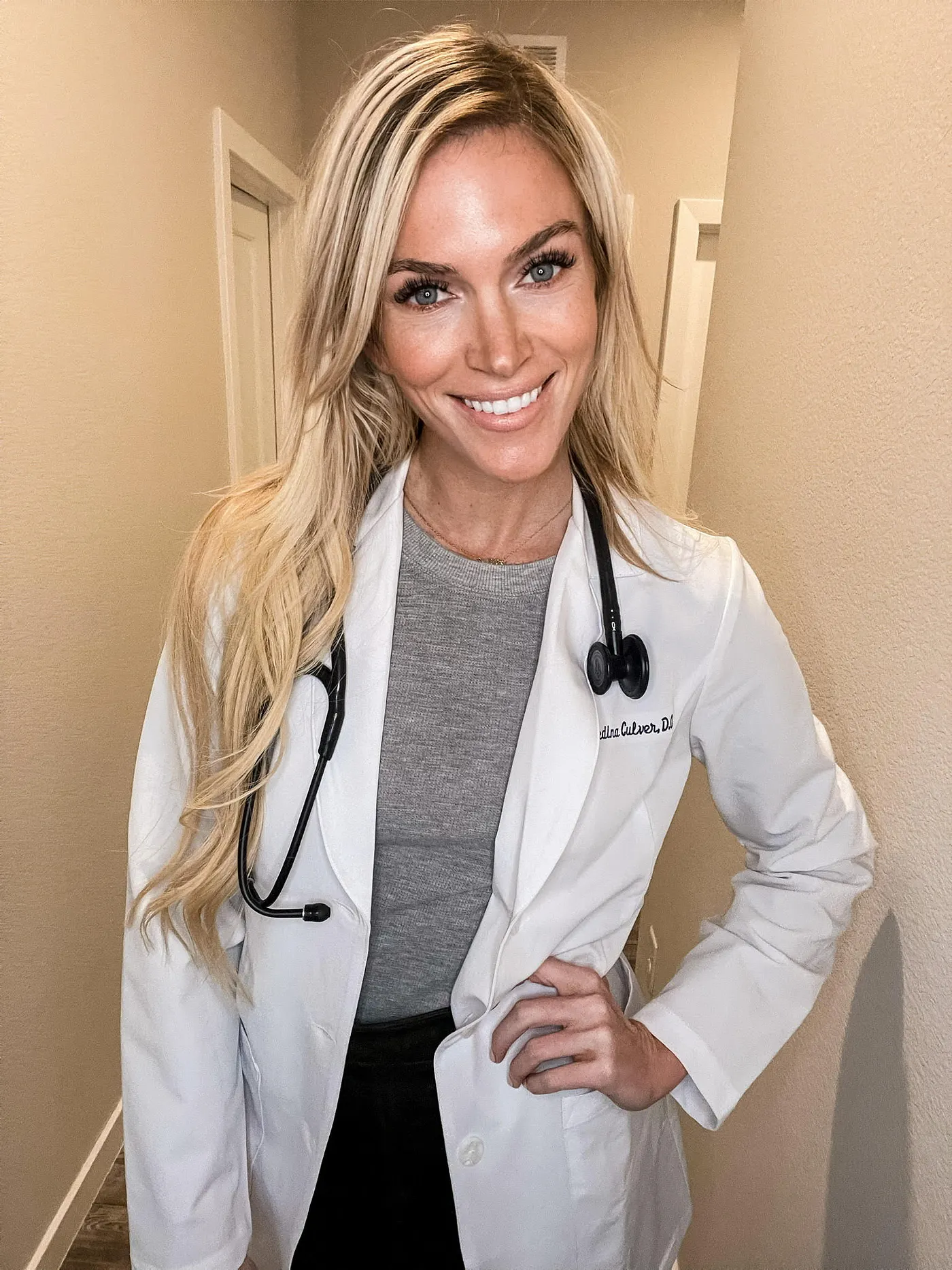
If we have a negative mindset then nothing will go well. Focusing on a positive mindset and a positive attitude allows your body to heal quicker, have less pain, and ultimately improve quality of life.
Family medicine physician and medical director Dr. Medina Culver shares expert insights on natural, progressive strategies to alleviate chronic pain and improve overall physical well-being.
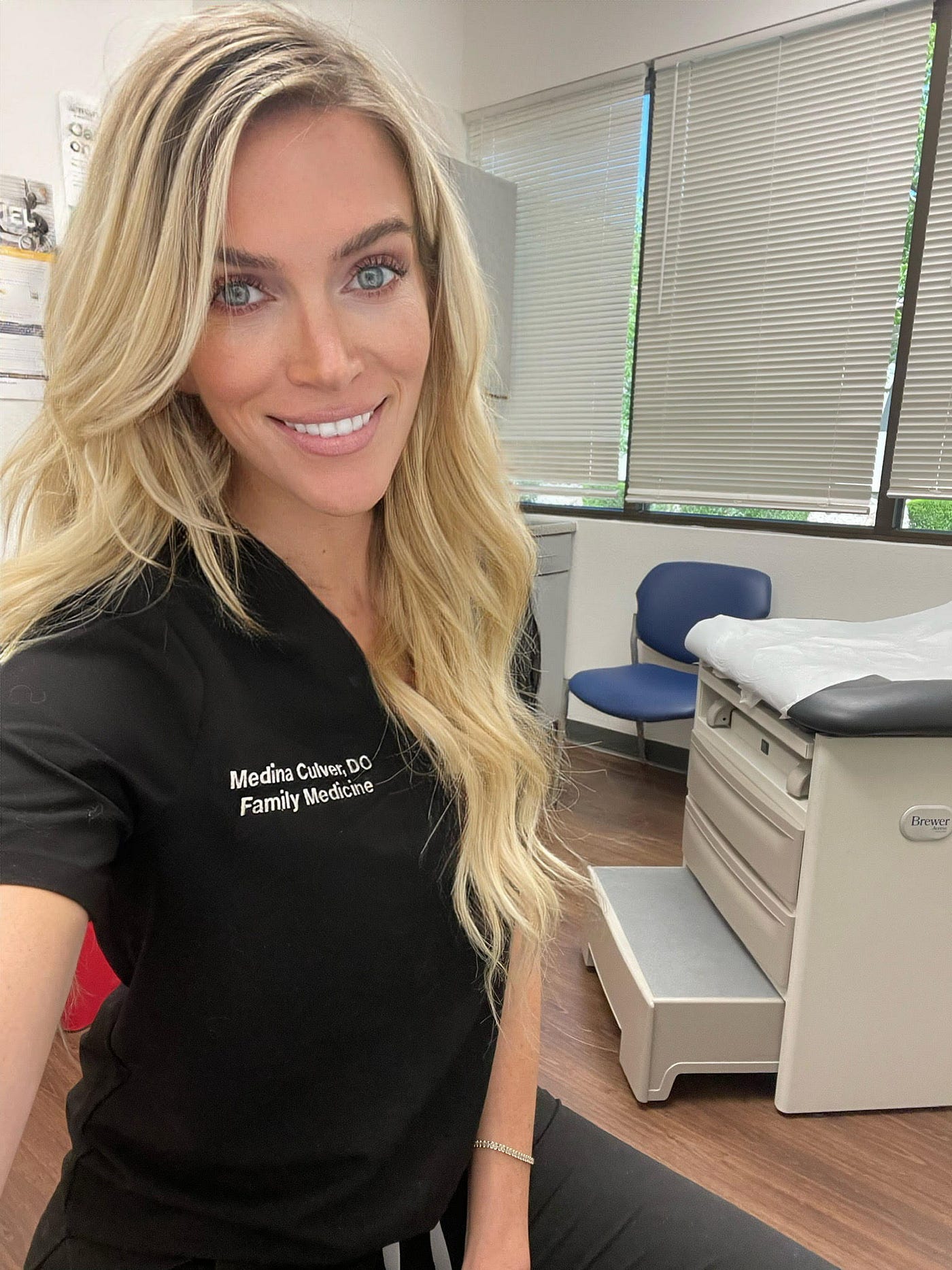
If we have a negative mindset then nothing will go well. Focusing on a positive mindset and a positive attitude allows your body to heal quicker, have less pain, and ultimately improve quality of life.
So many people suffer from chronic pain. Often people believe that they have tried everything, and that there is no real hope for them to live pain-free. What are some things these individuals can do, to help reduce or even eliminate their pain? In this interview series, called “Becoming Pain-Free: How to Alleviate Chronic Pain” we are talking to medical professionals, pain management specialists and authors who can share their insights and strategies about how to alleviate chronic pain. As a part of this series we had the pleasure of interviewing Medina Culver.
Medina Culver, D.O., is a family medicine osteopathic physician who attended Touro University in Nevada, where she graduated in the top 20% of her class. Dr. Culver went on to complete her education in her hometown of Billings Montana at the Montana Family Medicine Residency Program. During her residency she became the first resident in the state to complete the physician leadership course while also studying towards a master’s in public health at the same time. She was named top 30 under 30 professionals in Montana prior to her graduation and has continued to shine both professionally and personally. She has been practicing family medicine for over five years with her focus always being patient care, patient well-being and lifestyle improvements. Additionally, Dr. Culver oversees all medical decisions and practices at QC Kinetics in Las Vegas, a pain clinic that uses regenerative medicine to reduce and eliminate pain, where she encourages natural and progressive medicine to create solutions for patients while providing a healing environment that allows for resolutions and not just a quick fix to her patient’s health concerns.
Thank you so much for joining us in this interview series! Before we dive in, our readers would love to “get to know you” better. Can you share your “backstory” with us?
Yes, I would love to! I was born and raised in Montana and from the age of 12 I wanted to become a physician. I always did well in school and wanted a challenge so I asked my dad if I should be a lawyer or a doctor and he said he hates lawyers so I should be a doctor! Ever since then I did everything in my power to become a physician and by the age of 29 I chose family medicine because I love being able to create relationships ships with my patients and felt that was the best specialty for me.
Can you share the most interesting story that happened to you since you started your career? What were the main lessons or takeaways from that story?
ohh this is a good question. There are so many stories! I would say the most interesting story would be this amazing older couple that I met during my first year in private practice. They were from NYC and had been married for 60+ years and she suffered this neurodegenerative disease that made her wheelchair bound for the last several years of her life after she had been so active with traveling. From a family medicine perspective, she didn’t have much I could help with but all I did was listen to her. Laugh with her and her husband and talk about their favorite moments of their 60 years together. She taught me more about what’s important in life than anything about medicine but she forever changed me as a provider.
It has been said that our mistakes can be our greatest teachers. Can you share a story about a mistake you made when you were first starting? Can you tell us what lesson you learned from that?
I met a man with low back pain. He was coming into the office for an Acute visit. I was running behind and honestly didn’t give him the time of day. I was exhausted and thinking of the paperwork I had to do and I just did what I had to do in order to get him out of pain. I didn’t think about imaging, didn’t listen to his full story, and wasn’t fully in touch with his needs. I felt awful after. I called him the next day and apologized. I ordered an X-ray and he ended up having a broken vertebrae and needed to see Ortho immediately. I learned no matter what I have going on my job is to take care of patients and be present always.
When it comes to health and wellness, how is the work you are doing helping to make a bigger impact in the world?
Providing a better quality of life without always having to do huge invasive procedures or just putting a bandaid on the situation. Focusing on the patient as a human and not a time slot or a condition helps to improve their life and their overall wellness.
Let’s jump to the main focus of this series. For the benefit of our readers, can you please tell us why you are an authority on the subject of chronic pain?
As the medical director of QC Kinetics in Las Vegas, I see a lot of people suffering from pain. I am always researching, learning, and implementing new and non-traditional ways to help people heal from pain issues with success. My background as a D.O. allows me to be able to help with additional natural remedies and cures vs prescription meds all the time. Many of the procedures that I perform are natural, taking the body’s own healing abilities and concentrate them into the problem areas which result in pain reduction, avoiding surgery in most cases and eliminate the use of pills, narcotics, steroids etc.
Can you please share with us a few of the most common causes of chronic pain?
Most common causes would be low back pain due to degenerative joint disease. Arthritis of any joint but most common would be shoulders and knees. A lot of times we don’t move correctly or enough and this also causes our joints to breakdown quicker.
There are many different types of pain that people struggle with. Which specific form of pain would you like to focus on in this interview? Why that one?
I would love to focus on knee pain the most. The reason I focus on this is because when we move our knees take the brunt of it. My whole goal is to improve quality of life and get people moving with less pain without having hugely invasive and expensive procedures.
Here is the main question of our interview. Can you share your top five “lifestyle tweaks” that you believe will help support people’s journey toward becoming pain-free? Please give an example or story for each.
1 . Improving diet/increasing water. This allows joints to be more “lubricated” and the less inflammatory foods we eat than the less inflammation in the body.
2 . Move. This is HUGE. We have to move or we die. Seems extreme but it’s reality. The moment we stop moving then our joints degrade sooner, posture gets worse and pain becomes more prevalent.
3 . Achieve a healthy BMI. This goes with moving and improving diet. This is also huge. The less weight we have on a joint, then the less degradation that occurs and ultimately this prolongs the health of the joint.
4 . Mindset. If we have a negative mindset then nothing will go well. Focusing on a positive mindset and a positive attitude allows your body to heal quicker, have less pain, and ultimately improve quality of life.
5 . Stress less. This is my golden rule. If you can’t control it then you can’t stress about it. Simple.
If you could start a movement that would bring the most amount of wellness to the most amount of people, what would that
I think it would really start with the 5 things I said above. But most important is mindset and stressing less. A lot of times when we have a negative mindset or too much stress we create inflammation and pain in the body. Simply changing the things we can control by our mindset, diet, exercise and less stress than that is the best way to start a movement and bring the most wellness to the most amount of people.
What is the best way for our readers to further follow your work online?
Social media! My IG is DRCULVER
Thank you for these really excellent insights, and we greatly appreciate the time you spent with this. We wish you continued success.
About The Interviewer: Maria Angelova, MBA is a disruptor, author, motivational speaker, body-mind expert, Pilates teacher and founder and CEO of Rebellious Intl. As a disruptor, Maria is on a mission to change the face of the wellness industry by shifting the self-care mindset for consumers and providers alike. As a mind-body coach, Maria’s superpower is alignment which helps clients create a strong body and a calm mind so they can live a life of freedom, happiness and fulfillment. Prior to founding Rebellious Intl, Maria was a Finance Director and a professional with 17+ years of progressive corporate experience in the Telecommunications, Finance, and Insurance industries. Born in Bulgaria, Maria moved to the United States in 1992. She graduated summa cum laude from both Georgia State University (MBA, Finance) and the University of Georgia (BBA, Finance). Maria’s favorite job is being a mom. Maria enjoys learning, coaching, creating authentic connections, working out, Latin dancing, traveling, and spending time with her tribe. To contact Maria, email her at angelova@rebellious-intl.com. To schedule a free consultation, click here.
Maria Angelova, CEO of Rebellious Intl. is an executive interviewer and contributor covering leadership, culture, and business for Authority Magazine.

Exclusive, curated interviews with the leaders and changemakers shaping tomorrow. Leadership lessons, industry deep dives, and executive profiles.
Former Emmy-nominated producer turned mindfulness and metaphysical teacher Laura Saltman shares how losing her father to suicide inspired a transformative career pivot into mental wellbeing and spiritual healing.
Born blind to deaf parents, Meir Schneider shares how visionary exercises, movement, and deep relaxation helped him overcome severe visual impairments and heal others.
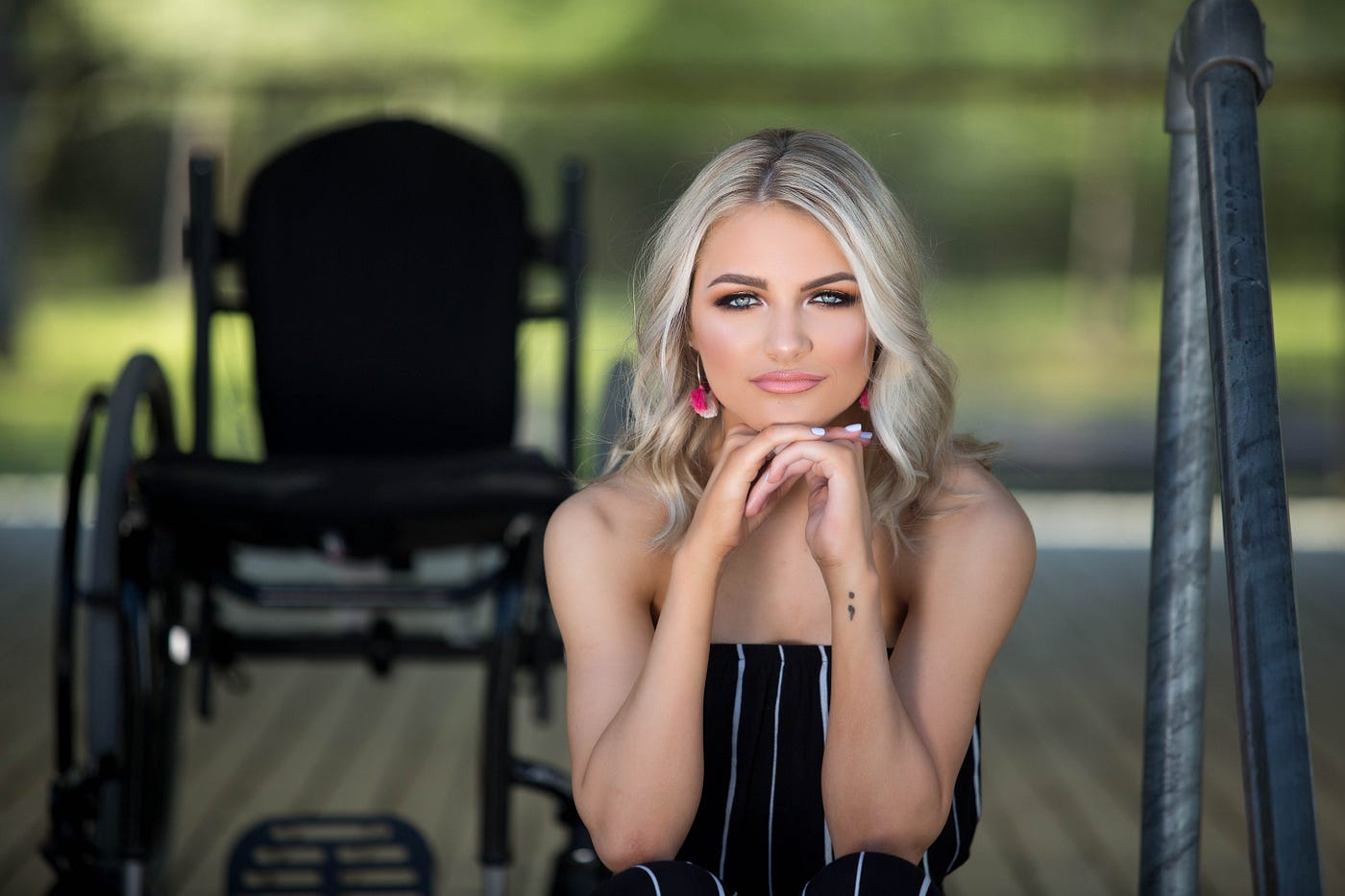
Suicide prevention advocate and documentary filmmaker Emma Benoit shares her powerful recovery journey and how opening up about mental health saves lives.
The private investment principal and mental health advocate shares his deeply personal journey through family crisis, entrepreneurial burnout, and championing real-world human connection.
The CEO and visionary behind Galileo shares his expert perspective on reforming the US healthcare landscape, reducing costs, and expanding access through innovation.
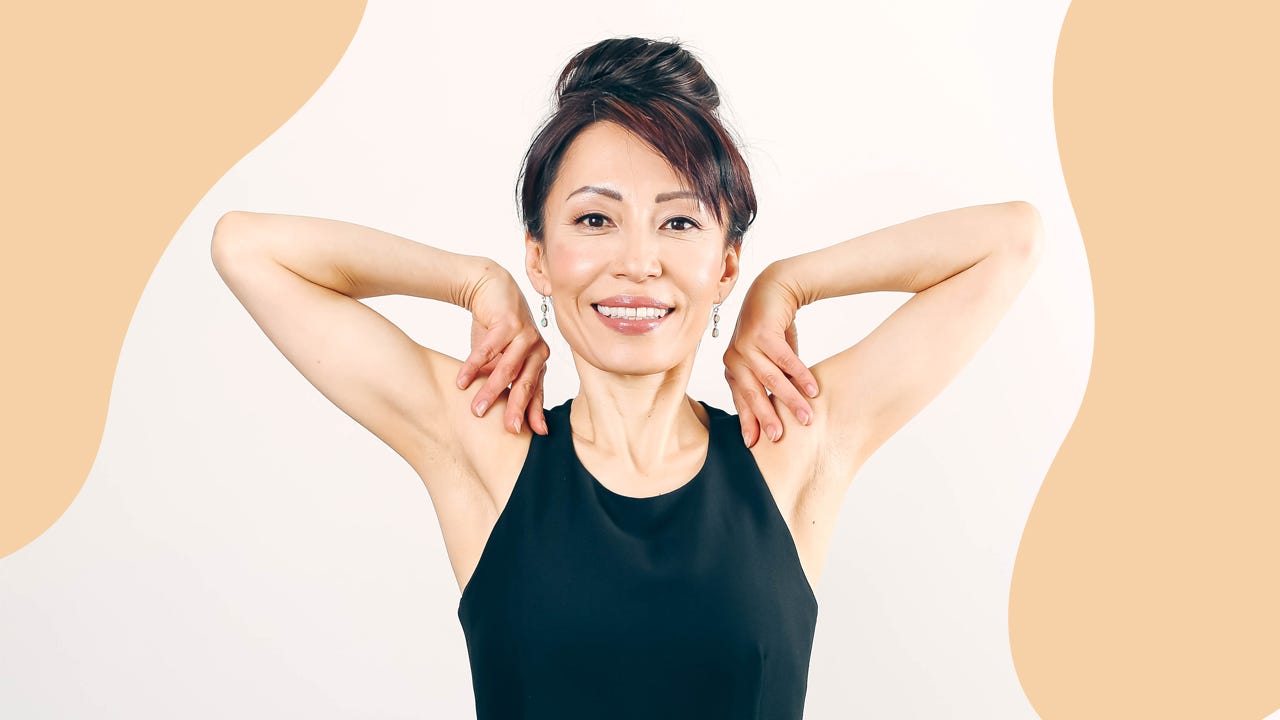
The pioneer of the Face Yoga Method explains how she overcame public skepticism, trusted her intuition, and built a global wellness empire.
The founder of FitTrack shares how overcoming severe financial failure and leveraging mentorship transformed his approach to product development, performance marketing, and scaling a sustainable enterprise.

Health coach Kelly Lyons shares her personal 16-year journey with yo-yo dieting and explains how women can finally break free from binge eating and find food freedom.