The young leading actor felt the show was too hard as he was in every scene and he wanted to spend more time with his fiancé. I was stunned as most actors fight for more screen time, not less!
Please write your answers below, leaving the questions in the document. We might schedule a follow-up call or skype to round things out.
Dimitri Logothetis: 5 Things I Wish Someone Told Me When I First Became A Filmmaker
As a part of our series called “5 Things I Wish Someone Told Me When I First Became A Filmmaker”, I had the distinct pleasure of interviewing Dimitri Logothetis.
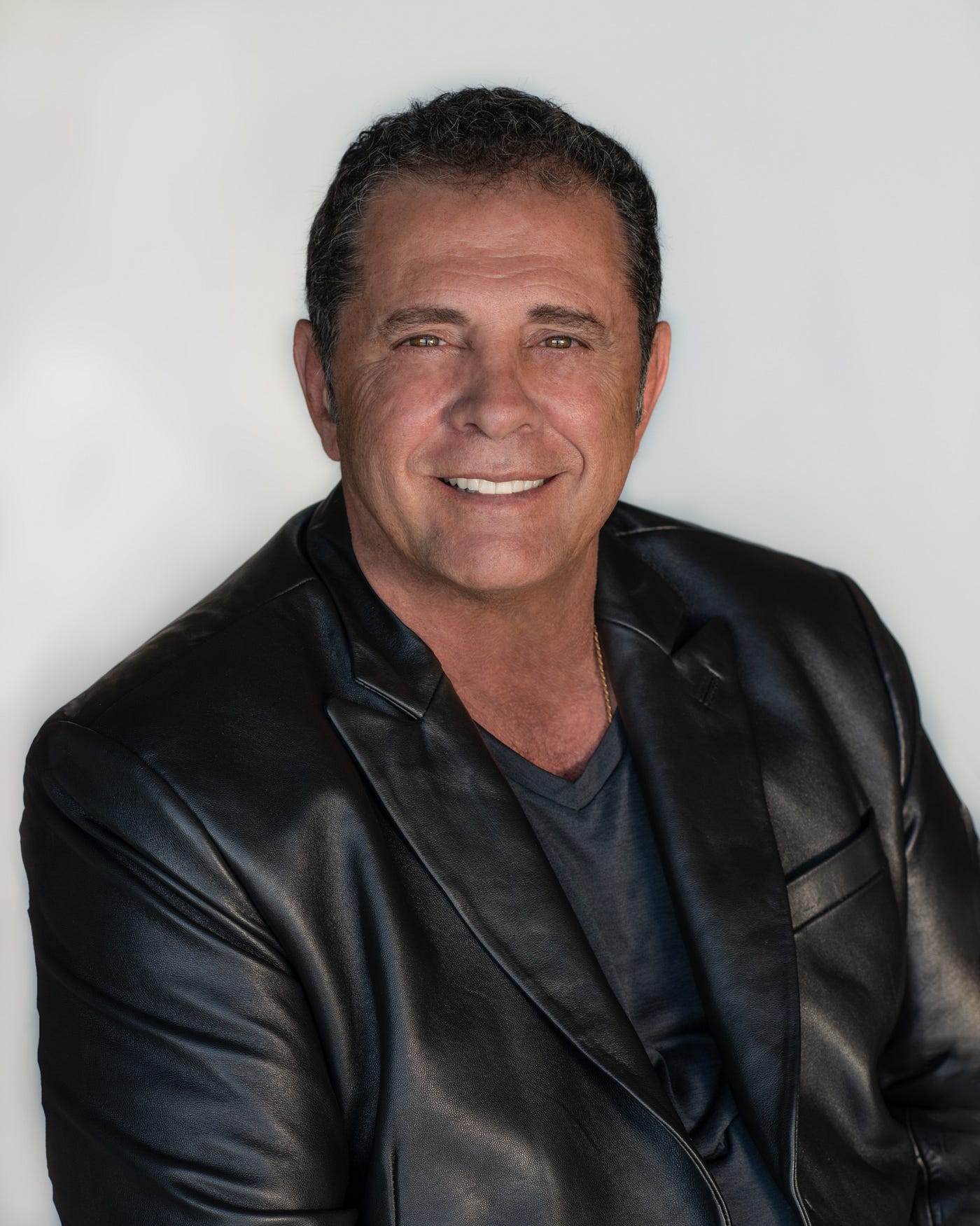
Dimitri Logothetis is a Los Angeles-based writer-director, whose latest film Gunner stars Luke Hemsworth and Morgan Freeman and has collected 48 international film festival awards, including the City of Angels Film Festival (2025) where he won “Best Action Film”.
Logothetis has spent much of his career making muscular independent action films with Hollywood stars and some of the world's most accomplished screen fighters.
He revived the Kickboxer franchise with Kickboxer: Vengeance and Kickboxer: Retaliation, which he wrote and directed, bringing Jean-Claude Van Damme back to the series alongside Alain Moussi, Dave Bautista, Georges St-Pierre, Gina Carano and Mike Tyson. A third installment is in the works.
Thank you so much for joining us in this interview series! Our readers would love to get to know you a bit better. Can you tell us a bit of the ‘backstory’ of how you grew up?
I was born in Greece and my father moved us to the US when I was six years old. I grew up in Los Angeles's South bay, near Manhattan Beach. Went to school, played football in High School, then got into martial arts. I studied Tang Soo do Karate with Howard Jackson, two time world Champion, and then studied Kenpo with the founder, Mr. Ed Parker. I was lucky enough to work out, one on one, with Elvis, in our Martial arts studio in Westwood.
Can you share a story with us about what brought you to this specific career path?
When I started college I was a Business major and I had to take either a speech class or an acting class. I chose the acting class because there were many pretty girls in the class. My teacher was the head of the department and cast me in the play he was directing. Treasure Island. I was cast as the Captain and leader of the good guys. That small part got me an agent and I was cast in commercials and several films, including New York, New York, with Robert De Niro. Martin Scorsese was directing. He read a short story I was writing for college and suggested I go to film school based on my writing.
Can you share the funniest or most interesting story that occurred to you in the course of your filmmaking career?
I was working as a showrunner, Executive Producer for a major studio on a science fiction, action, TV series, which title for the moment will go unmentioned. The young leading actor felt the show was too hard as he was in every scene and he wanted to spend more time with his fiancé. I was stunned as most actors fight for more screen time, not less! He wanted not to have to be in make up at 5:30 am, he preferred to have coffee in the morning with her, and he asked me if I could make sure to write less scenes for him and less page count. I told him this was a major career mistake on his part, and he needed to rethink his priorities, because from the moment I told the studio what their leading man wanted, it would change their opinion of him. He was firm on his decision and I discussed this with his shocked manager, his agent, and the studio. I had to spilt his part in half, bring in another action actor to take over half his role, and that was pretty much the end of his acting career. So be careful what you wish for.
Who are some of the most interesting people you have interacted with? What was that like? Do you have any stories?
Muhammad Ali was the most interesting person. I wrote and directed a documentary called Champions Forever and spent some time at Ali's ranch in Michigan City. He was not only a great boxer, if not the greatest. He was also a man of character. He lost his entire career because he refused to go into the Army and support the Viet Nam war. He later flew to Iraq against the US governments wishes when Saddam Hussein was holding our American hostages, and prayed with Saddam until he released several hostages to Ali.
None of us are able to achieve success without some help along the way. Is there a particular person who you are grateful towards who helped get you to where you are? Can you share a story about that?
I went to Loyola film school, and the head of the department was Father Callahan. I was working several jobs at the same time and also working on student film and TV projects. I had completed my bachelors credits and needed to graduate to go get work. Father Callahan felt that I was very talented and said he would not declare that I achieved my Bachelors so I could continue to draw down on my grant and scholarship. He wanted me to make a short feature for my Masters degree. I reluctantly agreed and made a film called "Call Me Kaiser" based on a short story by Woody Allen. I wrote the film, starred in it and directed it. The film went on to win many, many awards and it kicked off my career.
Can you please give us your favorite "Life Lesson Quote"? Can you share how that was relevant to you in your life?
The only time you fail is when you quit. Never give up, work hard, keep your focus.
What are some of the most interesting or exciting projects you are working on now?
I've got a completely unique take on the Kickboxer film franchise which makes the story relevant today. I have a new script I wrote called "Victory Returns" which is a heist film.
Which aspect of your work makes you most proud? Can you explain or give a story?
Each film is very hard to get made. They all have their own life cycle from the writing to the casting to the filming and editing. It's a miracle when a film gets to completion. I'm always proud to complete a film.
Ok super. Here is the main question of our interview. What are your "5 things I wish someone told me when I first started" and why. Please share a story or example for each.
1. Read great literature. As a filmmaker you are a story teller. Read, don't watch the films, but read, To Kill a Mockingbird, The Great Gatsby, Dostoyevsky's, Crime and Punishment, The Old Man and the Sea by Hemingway, Catch -22, Dracula by Bram Stoker, Homer's The Iliad, Elmore Leonard's, Get Shorty and Out of Site, or City Primeval. This will show you how great writers develop interesting stories, and unique characters. Their use of descriptive words to communicate feelings. Books use words to stimulate your imagination. As a filmmaker, however, you're supposed to show the audience imagery and, mostly, your characters' actions—not dialogue—to evoke emotion.
2. Learn how to sell. You always need to sell yourself at any level of your career. Why should your script be funded? Why are you the best filmmaker to tell this story? Why should a studio or an investor ever invest in you?
3. Never give up. We all fail. Everyone will tell you that you have no chance to ever become a filmmaker and certainly you'll never make a living doing this. How will you respond when you get knocked down? When your first or second or third project sucks? Get up, clear your mind, and try again. All great artists failed, time, and time again. Get your ass up and NEVER GIVE UP.
4. Watch great movies. I don't mean just academy award winning films. Don't get me wrong watch them as well, and learn from them. But also watch movies like De Niro's Taxi Driver, It's a Wonderful Life, Psycho, The Green Mile, Up in The Air, Chaplin, Five Easy Pieces.
5. DON'T listen to anyone about how to make your film! Open your mind to new ideas and learn while you are writing or working with a writer and or preparing to make your movie. But once you start shooting the film, DON'T listen to anyone! Making a movie is not a democracy, as a director with a vision, you are a Dictator. It's your story, so tell it.
When you create a film, which stakeholders have the greatest impact on the artistic and cinematic choices you make? Is it the viewers, the critics, the financiers, or your own personal artistic vision? Can you share a story with us or give an example about what you mean?
As a filmmaker, and story teller I never think of critics or audiences. I am not selling product. I am a story teller and I write the script and shoot the film to entertain me first. If I am not passionate about the story, since I have to live with it, as I write and prepare it for years, then I would not make it in the first place. After I finish it, I hope that what I like about the story and film is the same as what audiences around the world like about them.
You are a person of great influence. If you could start a movement that would bring the most amount of good to the most amount of people, what would that be? You never know what your idea can trigger. :-)
I've done it already. This new word influencer is what I have been since I started making movies and TV. My films are playing around the world everyday on billions of TV's. I make stories and films about underdogs and heroes. Something I feel the world always needs.
We are very blessed that some of the biggest names in Business, VC funding, Sports, and Entertainment read this column. Is there a person in the world, or in the US whom you would love to have a private breakfast or lunch with, and why? He or she might see this. :-)
Martin Scorsese.
How can our readers further follow you online?
Watch the Gunner trailer here
Instagram @dimitrisite
VIDEO FOR AUTHORITY MAGAZINE
This was very meaningful, thank you so much! We wish you continued success!
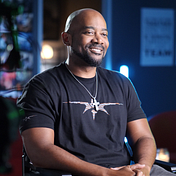
About The Interviewer: Tavares Beverly is the Founder and CEO of Beverly Boy Productions, a national video production company that has helped organizations tell their stories through video for more than two decades. Over the course of his career, he has worked with everyone from Fortune 500 executives and healthcare professionals to politicians, nonprofit leaders, educators, and artists, gaining a unique perspective on the role communication plays in leadership, business, and human connection.
A frequent contributor on topics including communication, entrepreneurship, leadership, and personal development, Tavares believes that the ability to communicate effectively is one of the most valuable skills a person can develop. His work is driven by a passion for helping organizations connect with their audiences and helping individuals unlock their potential through mentorship, perseverance, and meaningful relationships.
To learn more, connect with Tavares on LinkedIn or visit BeverlyBoy.com. If you're interested in using the power of storytelling and communication to grow your organization, strengthen your brand, or inspire your audience, he welcomes the opportunity to connect.