There’s probably a competitor, or someone in a different space altogether, already executing the kind of videos you want to make on a regular basis. Look at what they’re making, where they post videos, and how often. Then copy them! Imitation is the sincerest form of flattery.
Business
Davin Turkewitz of Momentum Communications Group: Authentic Video Content Is the Only Antidote to Institutional Skepticism

As part of this series, I had the pleasure of interviewing Davin Turkewitz.
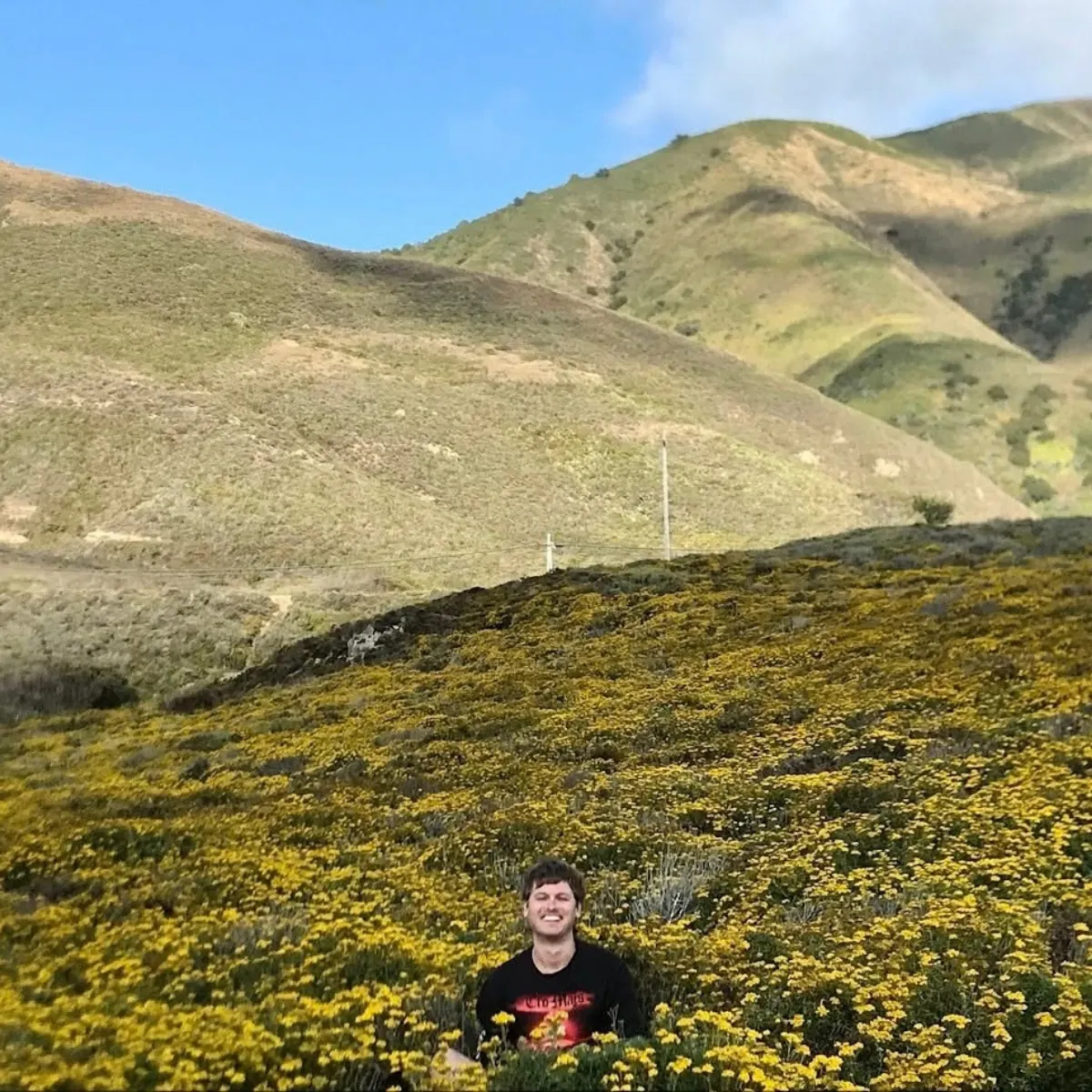
Davin is a social media marketing specialist with a decade of experience executing campaigns, rebrands and social media strategies in multiple industries. He is passionate about making use of his deep insight into the creative and strategic process to create social impact and pursue growth and innovation opportunities for clients like Teaching Matters, Lymphoma Research Foundation and the Moore Family Charitable Foundation.
Thank you so much for joining us in this interview series! Before we begin, can you please introduce yourself? Our readers would love to “get to know you” a bit better. Can you tell us a bit about your backstory and how you got started?
Hi! My name is Davin Turkewitz. When I moved to New York City right out of college, I started working in production on sets. I knew I wanted to do something creative, challenging, exciting, and thus rewarding, but the work I was doing was so different from what I expected. Networking and working my way into copywriting, and eventually social media management and content strategy, was the clearest route I saw for myself to transition to doing full-time creative work, building communities and learning what makes brands successful.
None of us are able to achieve success without some help along the way. Is there a particular person whom you are grateful to who helped get you to where you are today? Can you share a story about that?
I don’t know where I would be today without Stephen Colbert, earning my internship on The Colbert Report was truly the kick in the pants I needed as a very confused and indecisive early adult who was scared to get out of my comfort zone. It got me in the city and gave me a massive reality check that was the basis for a ton of personal growth. Shout out to the intern coordinator at the time, Kateri Palen!
Ok, fantastic. Let’s now shift to the main focus of our interview. What personal or professional experience first made you realize how important having a video strategy really is? Was there a specific turning point or moment that changed your perspective?
One of my early jobs was freelancing for a lifestyle brand to build their following from the ground level, with a license to try anything. Meeting the people in their community and interviewing them on camera, then delivering the results really informed my understanding of what works on social media and how to build a community with content that is personal, honest and non-corporate.
Can you please articulate for our readers why video has become such an essential part of building a serious brand today?
People have become so skeptical of institutions and, thus, brands in general. Video is the quickest way to establish your personality and the faces behind your mission. If you can’t get your point across in eight seconds, you might be in trouble. This is the language that people have grown accustomed to hearing.
What are the biggest mistakes you see brands making with video?
It’s hard to maintain consistency in lighting, sound, content and all the other myriad elements that go into videos, but for me the most important thing is setting the expectation for what your audience is going to be receiving and meeting it every time.
What separates video that actually builds trust and authority from video that simply generates views?
You need a call to action for the audience. I think there’s a place for general awareness and entertainment, especially for brands, but to truly build trust and authority, there has to be something more that the video is trying to achieve.
Many business leaders know they “should be doing video,” but they hesitate because of cost, time, discomfort on camera, or uncertainty about what to say. How would you advise them to get started?
Understand your best spokespeople. It’s much easier to start with video if you have people in your community who are inspired to get involved, or who understand the mission so well they don’t need a script or talking points. Some people just have the gift of gab.
How should a brand decide what kinds of videos to create, where to distribute them, and how often to publish?
Find your spirit brand. There’s probably a competitor, or someone in a different space altogether, already executing the kind of videos you want to make on a regular basis. Look at what they’re making, where they post videos, and how often. Then copy them! Imitation is the sincerest form of flattery.
Ok, super. Here is the main question of our interview. Based on your experience, what are the five most important things a brand should do to build a strong video strategy that produces meaningful business results? Please share a story or an example for each.
1. Start with why you want to make videos. The AmeriCorps program City Year New York needed a video strategy that inspired young adults to volunteer with schools in need across the five boroughs, so we visited as many in-person events as possible to find out why their participants had joined and communicate the benefits clearly via hundreds of videos.
2. Understand what your audience wants to see. The Lymphoma Research Foundation creates social media content for audiences that span patients, caregivers, donors and researchers. After testing video content with each group, we learned their followers responded best to inspiring stories of hope from lymphoma patients and survivors.
3. Make each video social-first. That means you don’t need to hire a professional film crew, just know your spokespeople, your talking points, and get DIY with your production. Some best practices include keeping videos around 30 seconds, adding captions, shooting vertically, using a Bluetooth microphone to capture audio, and using a natural or phone-mounted light source. We’ve seen great results across all our clients keeping videos simple, consistent and direct.
4. Find your people. Some people are great on camera, and you can save time by finding them and leveraging their thoughts on social media. We work with Lauren Book of the nonprofit Lauren’s Kids, and her highly social nature makes her the ideal spokesperson for video content.
5. Test each video but learn from them too. Don’t try to fit a square peg in a round hole. Try lots of ideas, but note which succeed, and which don’t. By chasing views, follower growth and engagement, you’ll get closer and closer to what actually works on social media. We tested so many different kinds of video with one nonprofit and over time, learned that their audience appreciated the kind of highly informed thought leadership that their CEO could provide, and knowing that, his video series became a consistent growth and engagement generator for their accounts.
Looking ahead three to five years, what do you believe will change most dramatically regarding video creation, and what should people or leaders begin doing today to prepare for it?
Attention spans will get even shorter. Start understanding the absolute core of your mission, because your chance at catching someone’s attention will only get smaller, and you need to make it count.
You are a person of great influence. If you could start a movement that would bring the greatest amount of good to the greatest number of people, what would that be? You never know what your idea can trigger. :-)
Let’s agree to spend less time on social media. The algorithm is made to harness our most negative emotions: fear, anger, jealousy, etc. I think we deserve a break.
How can our readers further follow your work online?
Follow our agency social media account on Instagram at @momentum_comm
This was very inspiring. Thank you so much for the time you spent with us!
About The Interviewer: Tavares Beverly ( www.tavaresbeverly.com ) is the Founder and CEO of Beverly Boy Productions, a national video production company that has helped organizations tell their stories through video for more than two decades. Over the course of his career, he has worked with everyone from Fortune 500 executives and healthcare professionals to politicians, nonprofit leaders, educators, and artists, gaining a unique perspective on the role communication plays in leadership, business, and human connection. A frequent contributor on topics including communication, entrepreneurship, leadership, and personal development, Tavares believes that the ability to communicate effectively is one of the most valuable skills a person can develop. His work is driven by a passion for helping organizations connect with their audiences and helping individuals unlock their potential through mentorship, perseverance, and meaningful relationships. To learn more, connect with Tavares on LinkedIn or visit www.BeverlyBoy.com . If you’re interested in using the power of storytelling and communication to grow your organization, strengthen your brand, or inspire your audience, he welcomes the opportunity to connect.
TB
Written by
Tavares Beverly
Executive Contributor · Authority MagazineTavares Beverly is an executive interviewer and contributor covering leadership, culture, and business for Authority Magazine.

Published inAuthority MagazineTop Lessons, Top Authorities · 42K Followers
Exclusive, curated interviews with the leaders and changemakers shaping tomorrow. Leadership lessons, industry deep dives, and executive profiles.
More from Authority Magazine
See all stories →
T
Tavares BeverlyOliver Silverstein of SoaR: How Shifting From Exclusive Rosters to Talent-Agnostic Creative Strategy Scaled Our Media Business
Business8 min read

T
Tavares BeverlyKevin Gaspar of Yirl: The Principle of Manual Iteration That Drives Authentic Human Connection
Business16 min read

T
Tavares BeverlySkylar Caldwell: Why Making Mistakes Can Actually Be Your Greatest Viral Asset
Business8 min read
T
Tavares BeverlyJustin Escajeda of Escajeda Holdings: Reputation and Human Capital Are the Only Assets Worth Acquiring
Business28 min read