One of the toughest decisions I had to make was letting go of my first employee, who was also my cousin. I knew he needed a job, but he wasn’t able to meet the demands of the role, and keeping him on was putting my contracts at risk.
Business
Daeron Myers: Why Being A CEO Means Making Hard Decisions For The Business, Not For Personal Relationships
The founder of Courier Business Academy shares how overcoming poverty and mastering independence shaped his leadership philosophy and built a thriving multi-million-dollar enterprise.
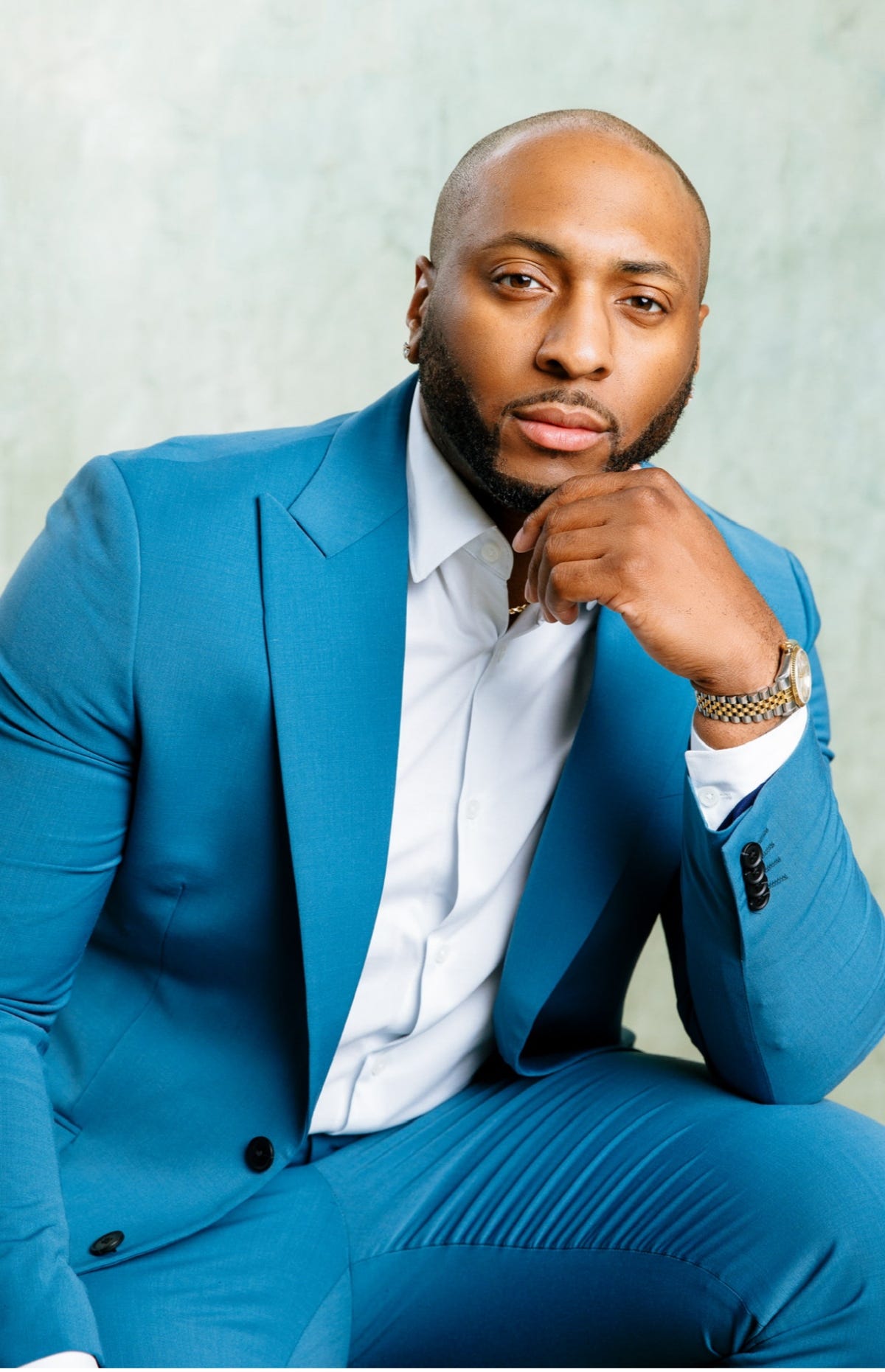
As a part of our series called ‘Five Things I Wish Someone Told Me Before I Became A CEO’ we had the pleasure of interviewing Darton Myers
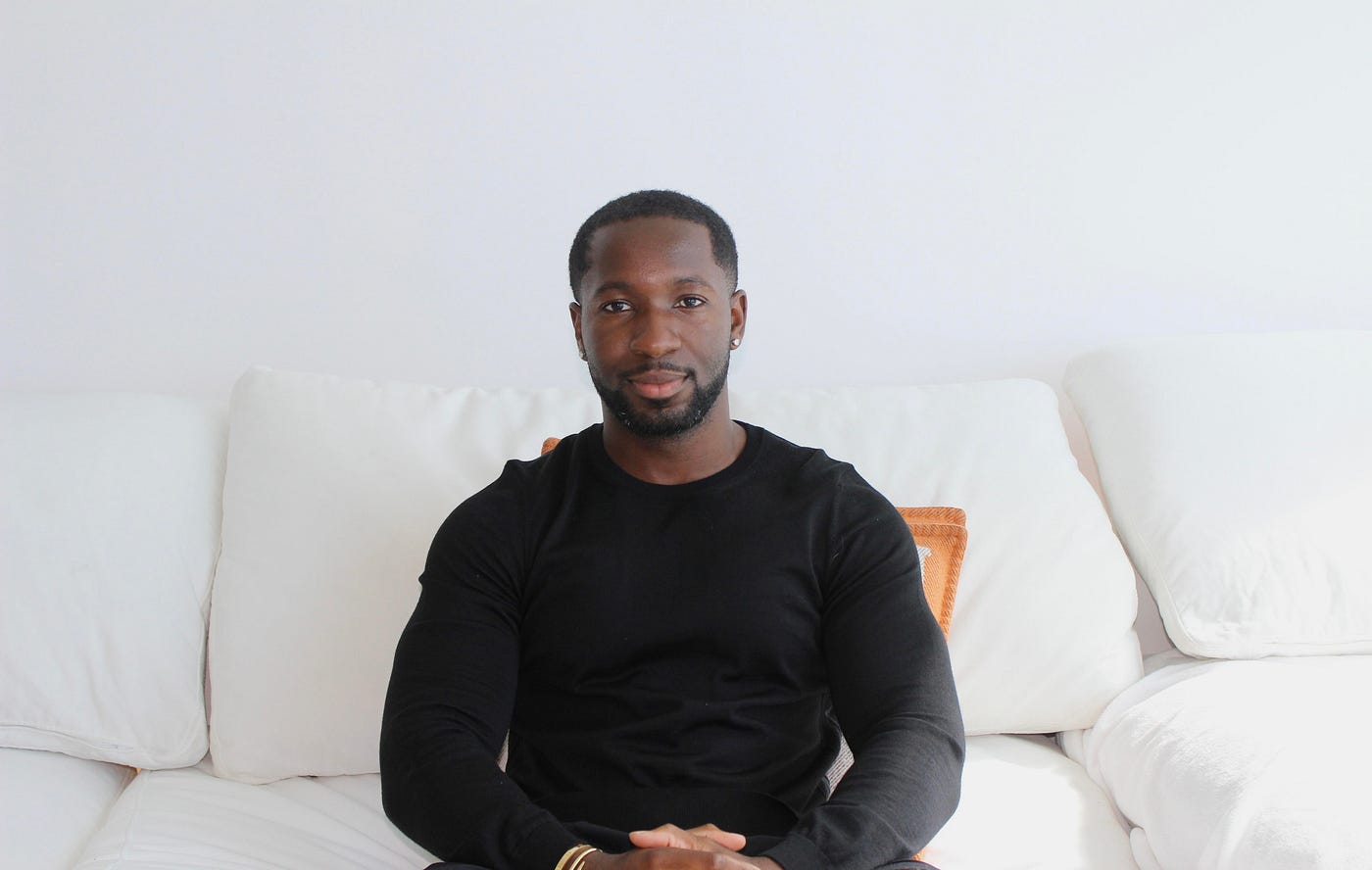
Daeron Myers is a self-made entrepreneur who rose from poverty and adversity to build a thriving multi-million-dollar business. As a devoted husband and father, he balances family life with a passion for empowering others through financial literacy and mentorship. His journey of resilience and transformation inspires audiences to turn challenges into opportunities.
Thank you so much for joining us in this interview series! Before we dig in, our readers would like to get to know you a bit more. Can you tell us a bit about your “backstory”? What led you to this particular career path?
Great, so a little bit about my background — I’d say I was raised with blinders on. My mom wasn’t around, my dad was incarcerated, and many family members struggled with addiction. With no one to guide me or set boundaries, I often found myself getting into trouble.
As I got older, I became curious and driven — always trying different things to figure out my path. I’ve always been motivated by results and rewards. Whether it was helping my uncle cut grass or shoveling snow, I wanted to get paid for my work. I was constantly looking for new ways to earn money, and one day I came across an ad that said, “Have a vehicle? Get paid to deliver.” I thought, Bingo, that’s me! I had a car and was ready to hustle — and that moment led me into the courier business.
Can you share the most interesting story that happened to you since you began leading your company?
One of the most interesting and rewarding experiences since starting my company has been watching the people I’ve hired grow into leaders. Many of them came through the Courier Business Academy, and now they’re in a position to empower others on their own journey to launching successful courier businesses. Seeing that full-circle impact has been truly powerful.
Can you share a story about the funniest mistake you made when you were first starting? Can you tell us what lesson you learned from that?
A funny mistake I made when I first started was not fully understanding what it meant to be an independent contractor. I was thinking like an employee, so I only did deliveries for one company — and then I’d complain about the slow days. One day, after going back and forth with the logistics company, they finally said, “You know you’re running your own business, right? You can work with other companies to fill in the gaps.” I said, “Oh snap!” From that day on, I started accepting deliveries from multiple companies — and I’ve been booked and busy ever since.
None of us are able to achieve success without some help along the way. Is there a particular person who you are grateful towards who helped get you to where you are? Can you share a story about that?
I remember sitting and trying to figure out how to grow my business — I had become the biggest fish in my small pond and knew it was time to step into deeper waters. That’s when I learned about an industry conference and, fortunately, connected with a man named Rob Slack. I was skeptical at first because no one at these events looked like me or came from where I came from, but Rob encouraged me and said, “Everyone can have a seat at the table — you just have to choose to take yours.” That mindset shift changed everything. Once I started showing up, the connections followed, customers started coming in, and the business began to grow in ways I hadn’t imagined.
Leadership often entails making difficult decisions or hard choices between two apparently good paths. Can you share a story with us about a hard decision or choice you had to make as a leader?
Leadership is something I take very seriously, and I believe in having mentors in every area — including leadership. One of the toughest decisions I had to make was letting go of my first employee, who was also my cousin. I knew he needed a job, but he wasn’t able to meet the demands of the role, and keeping him on was putting my contracts at risk. That experience taught me early on that, as a leader, I have to make difficult decisions from a business perspective — not a personal one — if I want to build a successful and sustainable company.
Ok, thank you for that. Let’s now jump to the primary focus of our interview. Most of our readers — in fact, most people — think they have a pretty good idea of what a CEO or executive does. But in just a few words can you explain what an executive does that is different from the responsibilities of the other leaders?
In my opinion, executives are the ones who put out fires and set the vision for the company. We focus on hiring slow and firing fast to make sure we bring in the right people. Our job is to place strong talent in the right roles, give them the freedom to be innovative, and make sure everything aligns with the overall vision we’ve set.
What are the “myths” that you would like to dispel about being a CEO or executive? Can you explain what you mean?
One myth I’d like to dispel is that being the boss is easy — somebody definitely lied! Being a CEO is a rollercoaster ride. It comes with a lot of weight on your shoulders and requires grit, relentlessness, determination, and the ability to make tough decisions. But despite the challenges, the rewards make it all worth it.
What is the most striking difference between your actual job and how you thought the job would be?
When it comes to the Courier Business Academy, I originally thought it would operate like a typical business. But the impact we’ve had on people’s lives has been so powerful that it’s become something much bigger. Now, when my coaches and I are out in public, people recognize us, want to take pictures, and share how we’ve inspired them — that’s something I never expected.
Do you think everyone is cut out to be an executive? In your opinion, which specific traits increase the likelihood that a person will be a successful executive, and what type of person should avoid aspiring to be an executive? Can you explain what you mean?
I don’t believe everyone is cut out to be an executive. You have to be able to stomach the lows and have the patience and relentlessness to bounce back when things get tough. It also takes the ability to have difficult conversations that drive results — all while maintaining respect and not offending your team.
What advice would you give to other business leaders to help create a fantastic work culture? Can you share a story or an example?
Make it fun! In our team, we incorporate virtual games during meetings, organize team outings, and even use leaderboards to spark some friendly competition — because let’s be real, nobody wants to be number two. These activities keep the energy high, boost morale, and create a culture where people enjoy showing up and giving their best.
How have you used your success to make the world a better place?
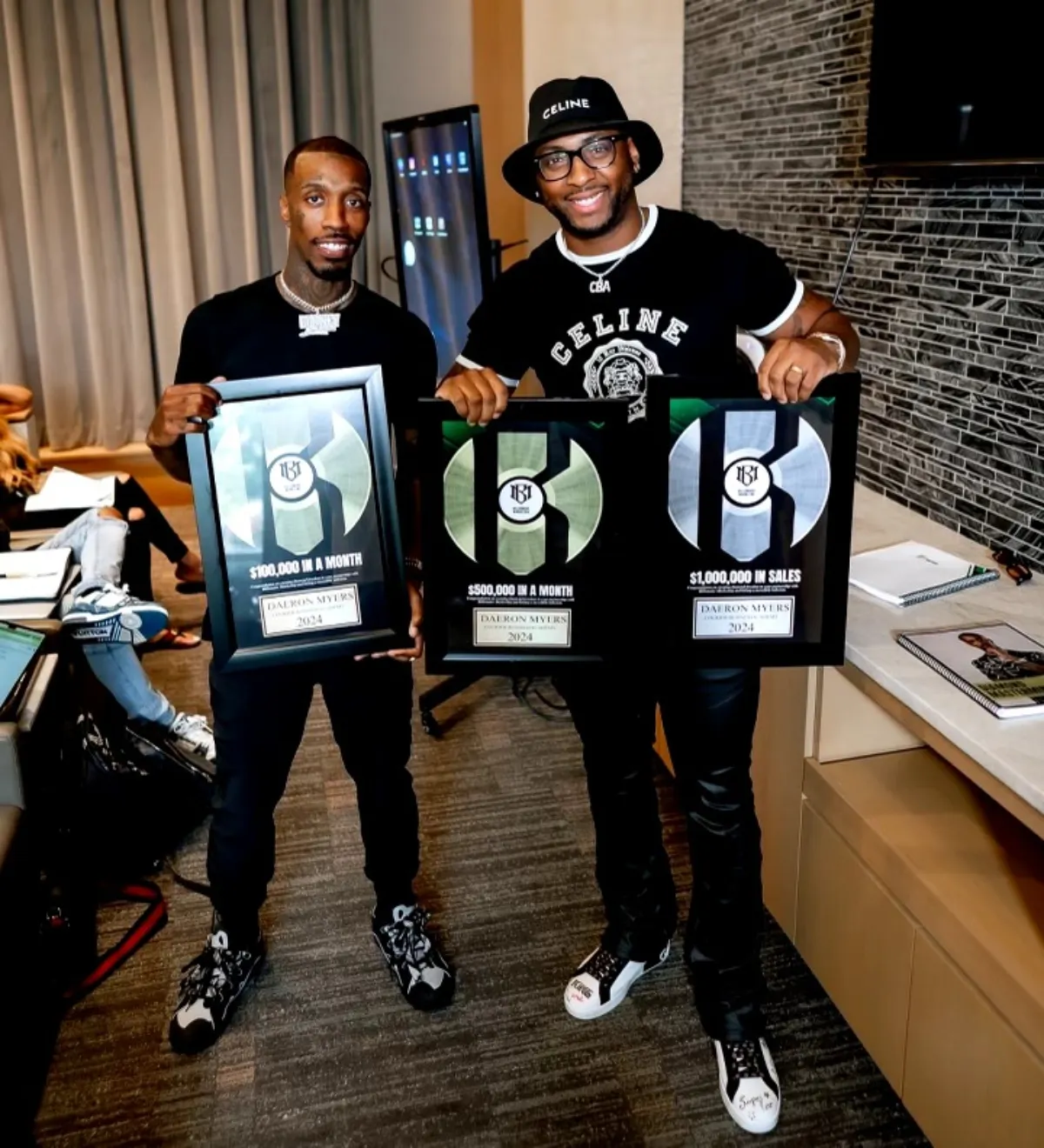
I launched the Courier Business Academy to help others step into a profitable industry with a clear roadmap. Through the academy, we provide individuals with the exact strategies and tools they need to build a multiple six-figure courier business. It’s been my way of using my success to create opportunities and empower others to change their lives.
What are your “Five Things I Wish Someone Told Me Before I Became A CEO” and why?
1. “To whom much is given, much is required.”
When you become extraordinary, it’s often because you’re doing the extra work that others aren’t willing to do. I quickly learned that real success comes from mastering the basics and then pushing beyond them — consistently.
2. It’s lonely at the top.
As a CEO, you often have a vision that your family and friends may not fully understand. I’ve had moments where I felt isolated simply because those closest to me couldn’t see the bigger picture I was building toward.
3. You have to be a little delusional to be great.
Greatness requires belief before results. I had to act and think like I was already successful — before I had any proof. That mindset helped carry me through the tough times.
4. Success is a system.
It’s not about reinventing the wheel every day. Once I found what worked in my business, I focused on refining and repeating that process. Consistency became my greatest asset.
5. Don’t be afraid to invest in your team.
I used to think I had to do everything myself. But I learned that true growth comes from building a strong team. The right people can take your vision further than you ever could alone.
You are a person of great influence. If you could inspire a movement that would bring the most amount of good for the greatest number of people, what would that be? You never know what your idea can trigger.
Let the past go. I’m a firm believer that too many people hold on to what’s behind them instead of embracing what’s ahead. If I could inspire a movement, it would encourage people to release what no longer serves them so they can truly spread their wings and realize their full potential — you never know what your idea or breakthrough can trigger in the world.
Can you please give us your favorite “Life Lesson Quote”? Can you share how that was relevant to you in your life? “If you don’t change it, you’re choosing it.”
This quote has always stuck with me because it holds you accountable. In my own life, I realized that if I stayed in the same place, complained about the same problems, but didn’t take action — I was actually choosing that life. It pushed me to take ownership and make the necessary changes to build the future I wanted.
Thank you for these fantastic insights. We greatly appreciate the time you spent on this.
AM
Written by
Authority Magazine Editorial Staff
Editorial Desk · Authority MagazineThe Authority Magazine Editorial Desk produces, verifies, and edits long-form primary-source interviews with executives, innovators, clinicians, creators, and social impact leaders across Business, Tech, Pop Culture, Wellness, and Social Impact.

Published inAuthority MagazineTop Lessons, Top Authorities · 42K Followers
Exclusive, curated interviews with the leaders and changemakers shaping tomorrow. Leadership lessons, industry deep dives, and executive profiles.