Everything that you do as a physician can have ripple effects far beyond what you may intend. My interactions impact not only the patient but also their loved ones, potentially shaping their lives in significant ways.
Wellness
Cynthia Jones of Atlantic Health System: Why Overcoming Life's Unpredictability Requires Asking For Help Without Pride
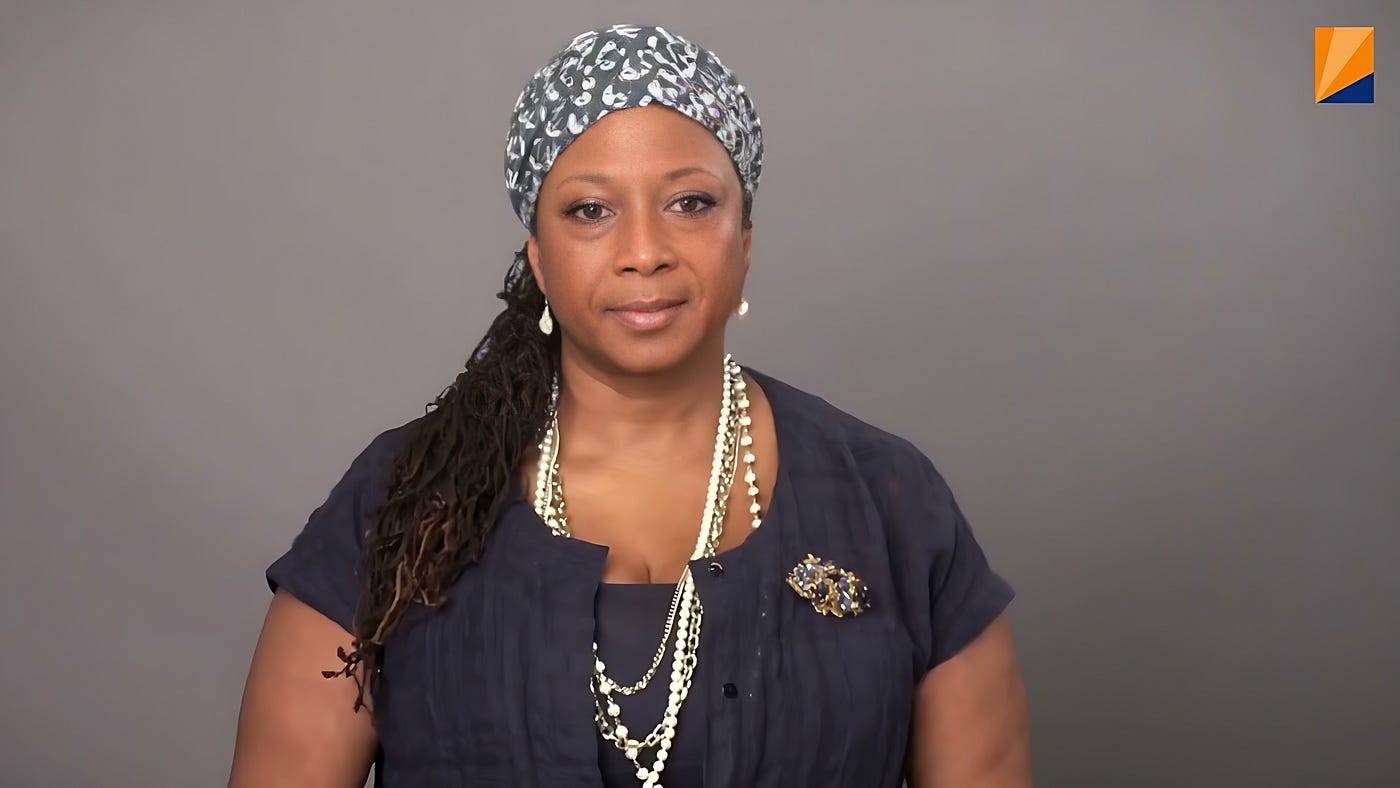
Today, more than ever, wellness is at the forefront of societal discussions. From mental health to physical well-being, women are making significant strides in bringing about change, introducing innovative solutions, and setting new standards. Despite facing unique challenges, they break barriers, inspire communities, and are reshaping the very definition of health and wellness. In this series called women in wellness we are talking to women doctors, nurses, nutritionists, therapists, fitness trainers, researchers, health experts, coaches, and other wellness professionals to share their stories and insights. As a part of this series, we had the pleasure of interviewing Dr. Cynthia Jones.
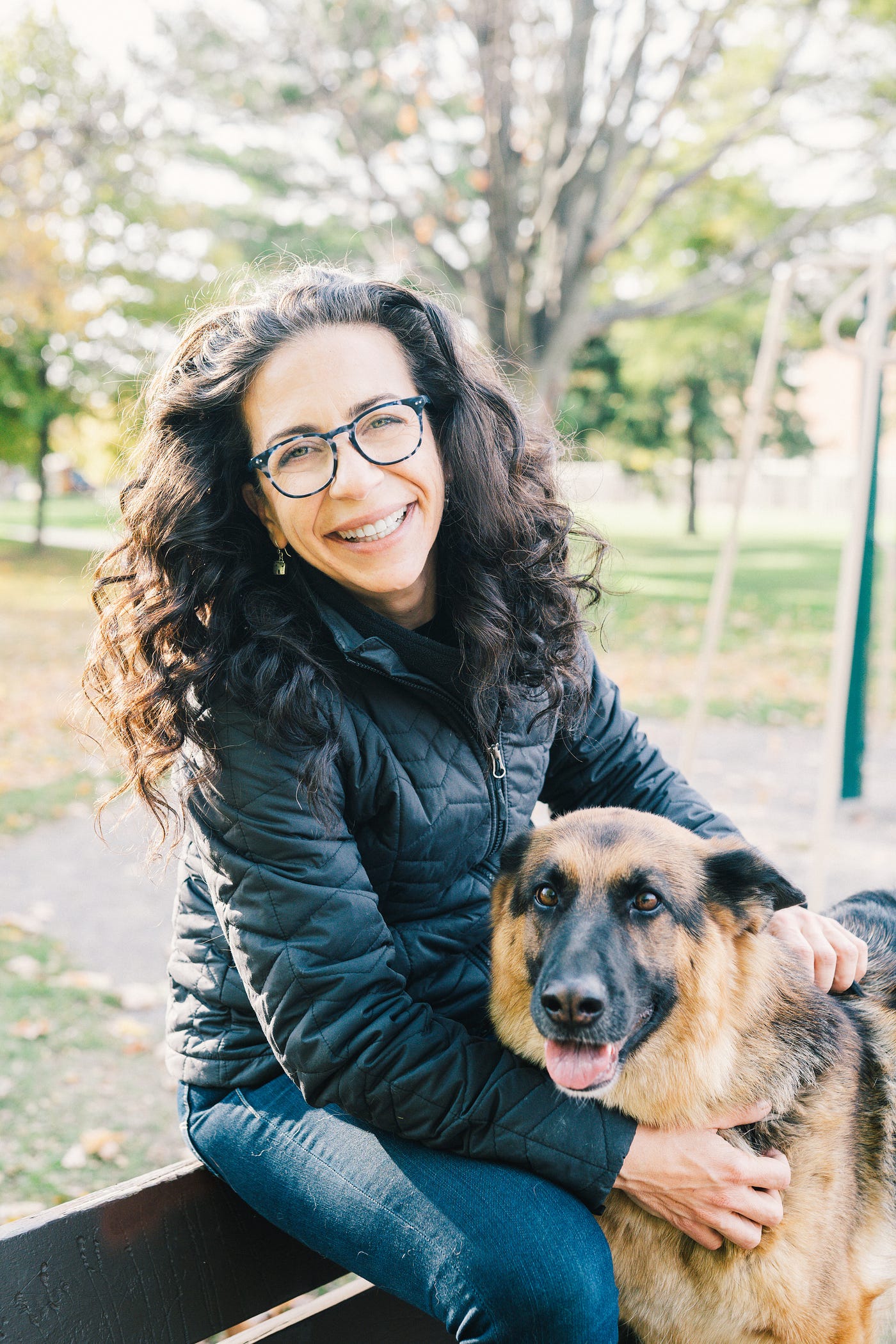
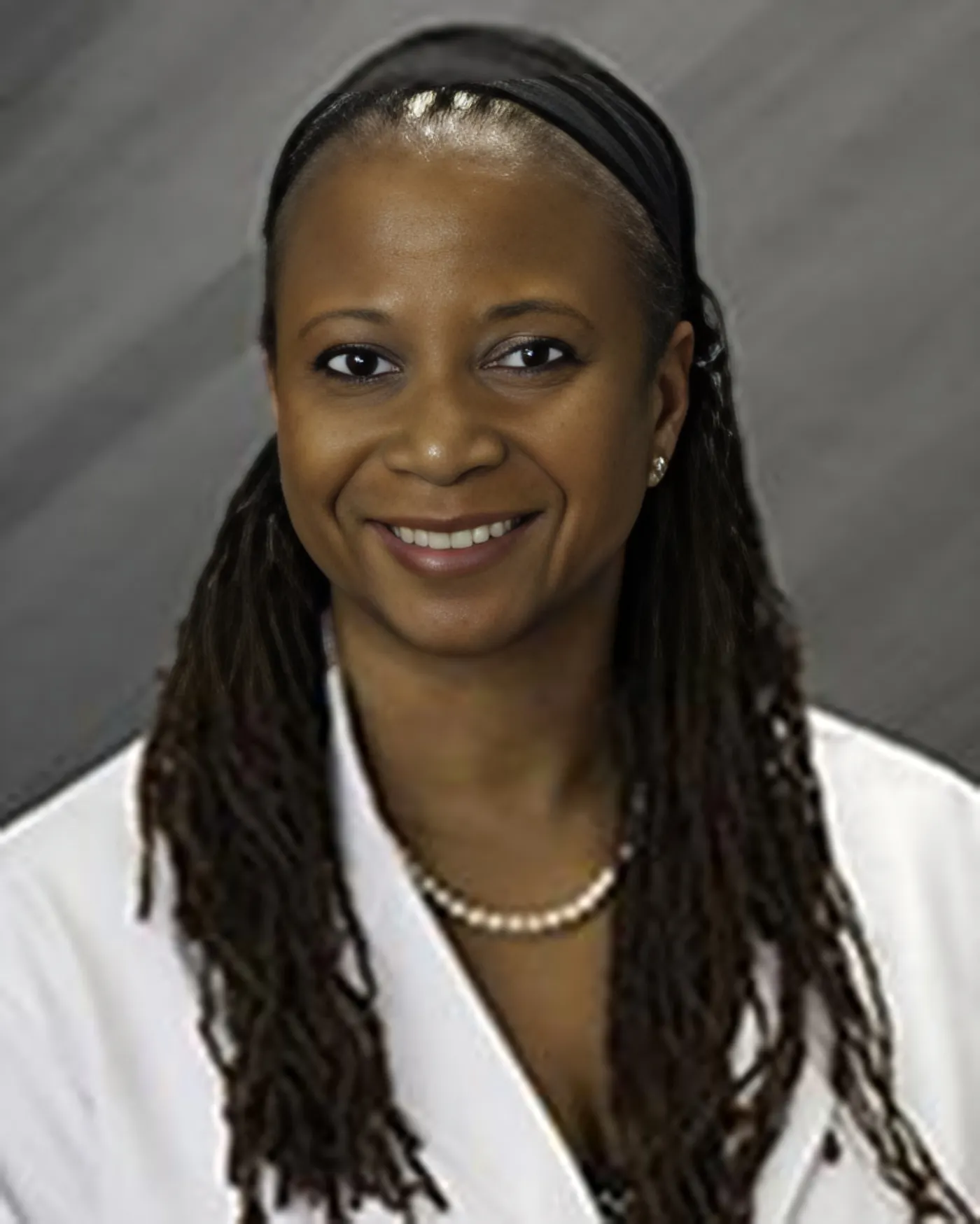
Dr. Cynthia Jones, board-certified general surgeon at Atlantic Health System. After attending the University of Michigan for her undergraduate degree and her medical school education, Dr. Jones pursued her general surgery residency at the Albert Einstein College of Medicine, Montefiore Medical Center in Bronx, NY. She joined the Newton Medical Center surgical staff in 2012, where she now serves as the vice chair of the hospital’s department of surgery.
Thank you so much for joining us in this interview series! Our readers would love to “get to know you” better. Can you share your “backstory” with us?
I was born in the South, specifically in Alabama, but raised in the Midwest after my family relocated there when I was 5 years old. I pursued my undergraduate and medical education at the University of Michigan, where I majored in French, as I’ve always had an interest in languages. Despite my non-traditional major, I also completed the necessary pre-med courses. Following my time at the University of Michigan, I moved to New York City for surgical training, during which I also engaged in research. It was during this period that I met my husband, a New Jersey native. After completing my residency, I stayed in NJ, working in the North Bronx Healthcare Network specifically at Jacobi Medical Center and North Central Bronx Hospitals. Today, I am based in northern New Jersey, and serve as the chairperson of the Department of Surgery and president of the medical staff of Newton Medical Center, in the Atlantic Health System.
Can you share the most interesting story that happened to you since you started your career? What were the main lessons or takeaways from that story?
I worked at Jacobi Medical Center, one of the major trauma hospitals in the Bronx. As a general surgeon, I was responsible for trauma patients while on call. One night, a kid came in who had been shot 19 times, including in the head and abdomen. Miraculously he survived, albeit with multiple fractures. Months later, he was able to leave the hospital. In contrast, another patient, shot in the buttocks, didn’t survive due to severe internal injuries which led to multisystem organ failure. Despite being close in age, one survived a seemingly fatal ordeal while the other succumbed to less severe injuries. The lesson I drew from this is the realization of the unpredictability of life — not to take anything for granted.
It has been said that our mistakes can be our greatest teachers. Can you share a story about a mistake you made when you were first starting? Can you tell us what lesson you learned from that?
When I was a student there was an organic chemistry class I was struggling with, but at the time I had the mindset that I had to figure it out on my own. I didn’t want to get help. Although It was the first time I struggled in a class, I still didn’t want to get tutors. After struggling for a while, I finally went to see the professor and told him about the problems I was having with formulas, and understanding concepts. With a smile on his face he said to me, “Well, you may be one of the stereotypes of women that have problems with spatial orientation.”
When he said this, I just looked at him dumbfounded thinking, “Are you serious right now?” I guess the look on my face gave away my reaction since he then switched gears and said, “Well, we have these models that you can use.” He shared that there were 3D models that were available to help students grasp the spatial orientation. This whole interaction left me feeling shocked that even though there were tools available, his first thought was to put a label and stereotype me. If I were a male and walked in with the same questions, he probably would have just handed me the model. But in reality, the model existed because people of all genders have problems.
I was really offended by the experience and disappointed in this professor that I’d looked up to. However, I went and bought the models, and I did fine with the classwork.
Later, I was taking another class and having difficulty with some of the formulas. However, this time I said to myself, “This is crazy, why don’t you just get a tutor?” So I got one and I talked to him, and once we went through understanding the formulas it was like a light bulb went off and I did very well in the class.
The lesson that I learned from this was to not be afraid to ask for help. Don’t be so prideful and if you need help with something speak up. It doesn’t take away from you as a person, and it doesn’t take away from your intellect.
Let’s jump to our main focus. When it comes to health and wellness, how is the work you are doing helping to make a bigger impact in the world?
Everything that you do as a physician can have ripple effects far beyond what you may intend. My interactions impact not only the patient but also their loved ones, potentially shaping their lives in significant ways. Patients who have a breast problem, are coming to me because they’re concerned that they have breast cancer. So I’m either diagnosing breast cancer or ruling it out. Regardless of the diagnosis, the interaction that I have with them has an effect on their life, an effect on their significant other’s lives, and may even affect their children’s lives as well.
This is why I participated in Atlantic Health System’s AskHer campaign, which encourages everyone to ask the people they love to get screened for breast cancer; this is so important to me. Breast cancer is the second most common cancer diagnosed in women and the second leading cause of cancer death in women. One in eight women will be diagnosed with breast cancer in her lifetime, and the five-year survival rate for breast cancer is greater than 98% when it is diagnosed at its earliest stages. Using the tagline “mammograms save lives,” the AskHer campaign utilizes a variety of marketing strategies to compel women across the tri-state area to schedule a mammogram.
Growing up, my mom was very proactive about her health, getting mammograms regularly. She even had to have a few biopsies, but because she was always very proactive with what she did in terms of her health, she was able to stay in control. This is a big thing because we know statistically that Black women have a 40% higher mortality rate when it comes to breast cancer. There are a lot of reasons for this. Some of it is socioeconomic because there are social determinants of health. Some of it is how we, as the physicians who are taking care of our patients, interact with them.
The impact that I have as a woman in wellness is how I take care of my patients. Being a provider of color is important to me too, because that sometimes helps patients to see that I have their best interest in heart if they’re a person of color too. It may help them relax so that, together, we can take care of their problem.
It also helps me to be in these positions because it places me in certain rooms where I can raise community awareness and potentially cause change. I often speak at churches and other groups during breast cancer awareness month to raise awareness and compel women to do things that are proactive and will help save their lives. I feel I have a responsibility to be a role model for women that may be interested in medicine, and interested in surgery because sometimes it’s hard to see yourself doing something unless you see someone else doing it.
Can you share your top five “lifestyle tweaks” that you believe will help support people’s journey towards better well-being?
- Treat other people the way you want to be treated. The Golden Rule.
- Keep in mind that “this too shall pass” Everything is a question of perspective, so take each moment as it comes. When you’re in a situation or something stressful is occurring that’s difficult, take a deep breath and realize that nothing is permanent. It’s not the end of everything, and you can get past whatever this situation is. You may need help to get past it, but you can get past it.
- “Be kind” is important no matter your profession.
- Take time out for yourself and your family for the things that are important to you. This will help sustain you.
- Surround yourself with positive people. When you have people that are naysayers, it’s almost like a black hole. It sucks the life out of something. For this reason, balance your life and surround your life with positive people who help you build up yourself and yourself.
If you could start a movement that would bring the most amount of wellness to the most amount of people, what would that be?
You are your own best advocate. Don’t be afraid to advocate for the things that are important in your life. This means doing preventive things. Get your mammogram. Get your colonoscopy. Don’t ignore something that is hurting you, physically or mentally.
What are your “5 Things I Wish Someone Told Me Before I Started” and why?
- Find time for yourself and for the things that you care about.
Recognize that you can always make time, even when you get busy and you think you don’t have time. For me, I like languages and to travel. So, when I have time off, I will go on a trip and/or study a language. However, since I can’t travel all the time, I’ve found this app that I’ve been using to learn languages, and so every day I do a little bit of it. Even just 15 minutes makes me feel good! The takeaway here is to find time for yourself because you never know what doors may open.
2. Figure out how to manage money.
Nobody tells doctors how to manage money. It’s not something you learn in school. You learn all about how to take care of a patient, but nothing about how to manage your money, insurance issues, savings, or 401Ks. I’m currently president of the medical staff, and financial literacy for physicians has been a priority for us. We’ve even started a lecture series where people come in and talk about how to manage your money. These are things that we don’t get any instructions for unless you seek them out, or unless your family already is well versed in, so it’s important to educate yourself.
Sustainability, veganism, mental health, and environmental changes are big topics at the moment. Which one of these causes is dearest to you, and why?
I would say mental health. There are a lot of people that are suffering right now. This was particularly revealed during the pandemic.
In addition to the current mental health concerns, we are facing as a country, it is also important to note the toll that a cancer diagnosis can have on a patient and their loved ones. Atlantic Health System Cancer Care offers several support services to help cancer patients deal with their diagnosis. During treatment, an oncology social worker can help with non-medical issues related to your diagnosis, treatment, or hospitalization, along with several other community resources for support.
Atlantic Health System also offers private counseling for fears, anxieties, or depression. For those who can get help, it can take time to find a counselor they mesh with. Sometimes people don’t want to go back to therapy if they’ve had bad experiences, but it’s so important for people to find a way to get help and sustain their mental health. It’s easy to say I’ll get counseling, but what does that really mean? How do you get someone into counseling? How do you get someone to stay in it once they start?
With my patients, particularly when you’re dealing with cancer and how you approach telling people that they have that diagnosis, getting them through their treatment while maintaining a positive mindset is crucial because a patient’s attitude toward their cancer and their life makes a big difference. It can even make a difference in their survival.
What is the best way for our readers to further follow your work online?
For more information about my work and the efforts of all physicians at Atlantic Health System, please visit the Atlantic Health System website.
Thank you for these really excellent insights, and we greatly appreciate the time you spent on this. We wish you continued success.
About the Interviewer: Wanda Malhotra is a wellness entrepreneur, lifestyle journalist, and the CEO of Crunchy Mama Box, a mission-driven platform promoting conscious living. CMB empowers individuals with educational resources and vetted products to help them make informed choices. Passionate about social causes like environmental preservation and animal welfare, Wanda writes about clean beauty, wellness, nutrition, social impact and sustainability, simplifying wellness with curated resources. Join Wanda and the Crunchy Mama Box community in embracing a healthier, more sustainable lifestyle at CrunchyMamaBox.com.
WM
Written by
Wanda Malhotra
Editor & Journalist · Authority MagazineWanda Malhotra is a contributing interviewer at Authority Magazine covering Wellness and Business, conducting primary-source Q&A interviews with founders, executives, and industry leaders.

Published inAuthority MagazineTop Lessons, Top Authorities · 42K Followers
Exclusive, curated interviews with the leaders and changemakers shaping tomorrow. Leadership lessons, industry deep dives, and executive profiles.