Sometimes, what you write is just for you, and you need to get it out. Even if that work doesn’t end up in the final published book, it isn’t wasted. It was therapeutic.
Some writers and authors have a knack for using language that can really move people. Some writers and authors have been able to influence millions with their words alone. What does it take to become an effective and successful author or writer?
In this interview series, called “5 Things You Need To Be A Successful Author or Writer” we are talking to successful authors and writers who can share lessons from their experience.
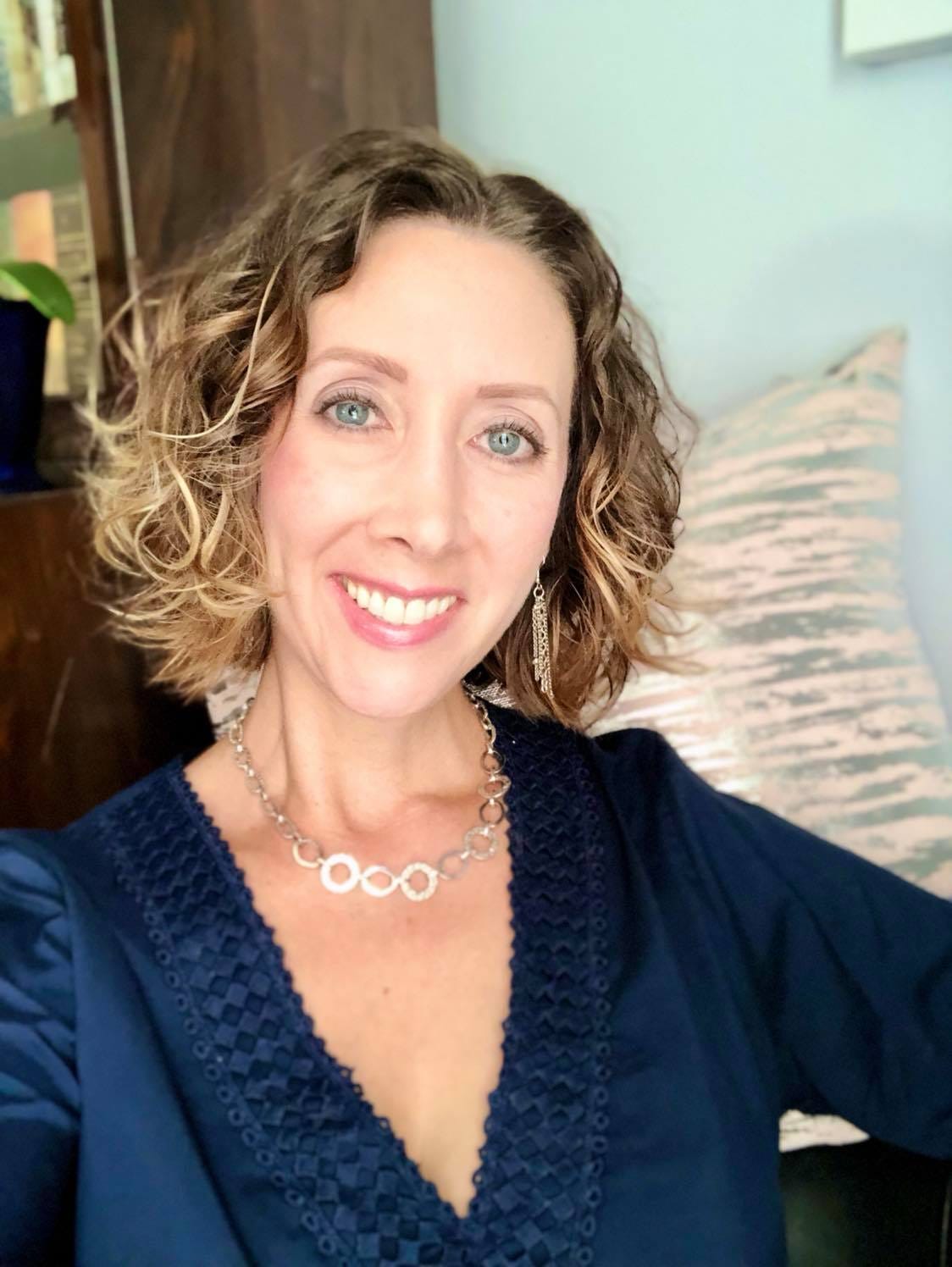
As part of this series I had the pleasure of interviewing Cori Wamsley.
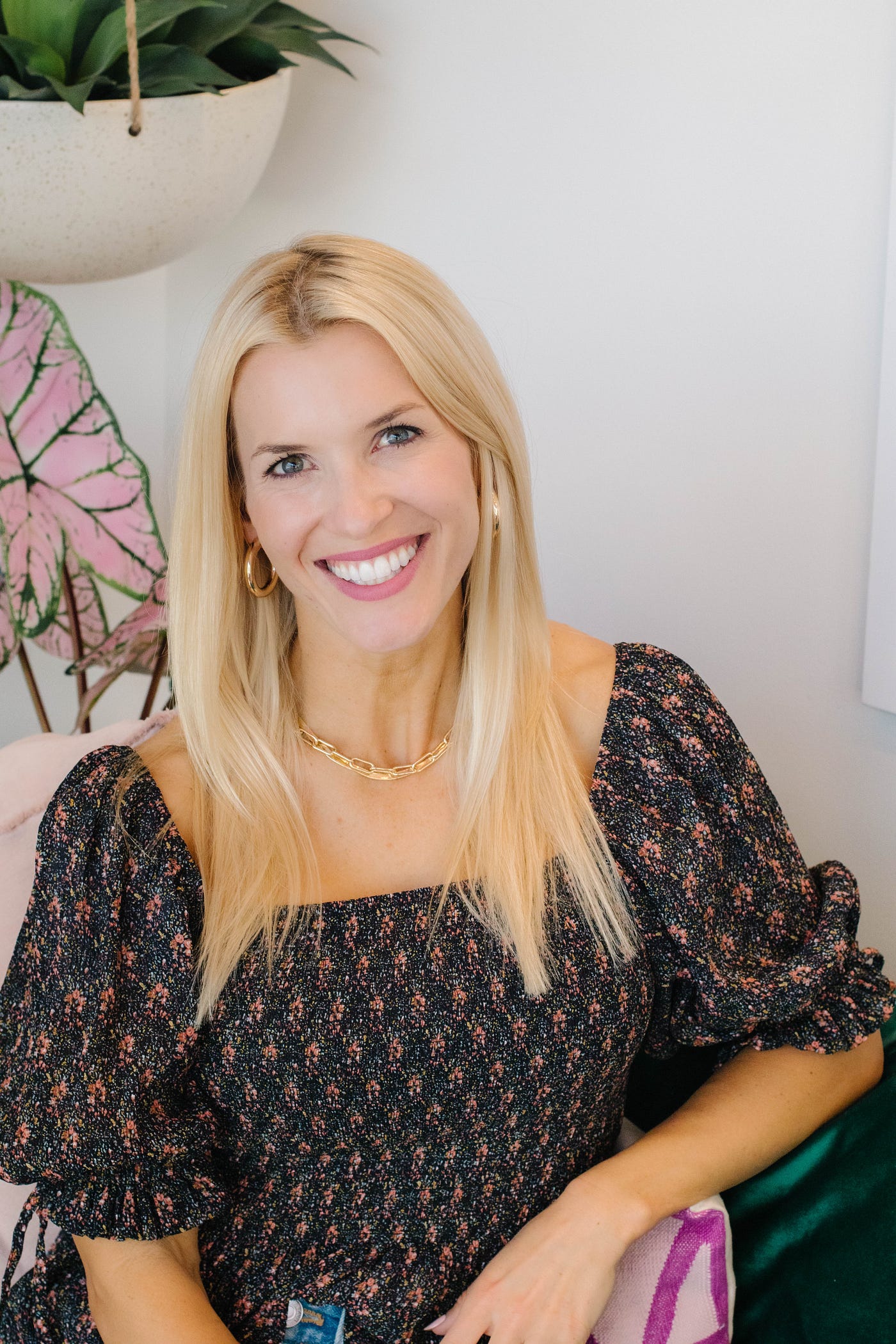
She’s the CEO of Aurora Corialis Publishing and works with business owners who have a transformational story to share. She helps them quickly and easily write and publish a book for their brand that helps them create a legacy and be seen as an expert while building a relationship with the reader. She is a writing coach, book editor, and author, and her newest book, Braving the Shore, comes out in May 2022.
Thank you so much for joining us in this interview series! Before we dive in, our readers would love to “get to know you” a bit better. Can you tell us a bit about your ‘backstory’ and how you got started?
Like most writers, I grew up reading A LOT. My mom joked that I was a mushroom because I would hang out in our cool basement reading books all summer instead of playing outside.
I loved writing too. I wrote short stories and poems in my notebooks starting around 8th grade. And when I went to college, I thought I would be a science writer, so I majored in biology and English. After I completed a master’s in English, I worked for the Department of Justice and then the Department of Energy for 10 years. While I was doing that, I was also writing novels and honing my storytelling skills. I had the pleasure of doing a lot of storytelling for DOE when we were interviewing scientists and “making them real people” for the general public. This is where I discovered how amazing telling a nonfiction story could be. I enjoyed playing up the pieces that would connect with the public like their nonprofit work and their hobbies. When you find the pieces that connect, that’s where the reader gets to say, “They are like me,” and that’s how you build know, like, and trust. That’s where the gold is.
That’s something I carried through to my work in my business as a writing coach and editor. I started out helping with web copy and emails and then shifted to full time coaching, editing, and eventually publishing. I work with my authors to help them connect with their audiences through their personal stories. And I write my own books when I’m not with my clients.
Can you share the most interesting story that occurred to you in the course of your career?
I’ve worked with a lot of writers who have interesting stories. One started our work together by saying that she wanted to gather 21 women to share their stories in an anthology, which surprised me, but we managed to organize the whole thing and lead the authors through writing their beautiful journeys successfully. Another came in with a pretty amazing title and really no idea how to structure or write her book, but she came out of my program in just 5 months with a published book that has catapulted her career as a coach.
One of the most interesting stories, though, is when I worked with an author whose daughter had been murdered. She wanted to share the story of the incident and her healing in the year that followed. Obviously, that’s a tough book to read, let alone write. She already had a manuscript when she approached me, and we lovingly crafted the book together from that manuscript. One of the biggest lessons that I teach though, came from that work. Sometimes, what you write is just for you, and you need to get it out. Even if that work doesn’t end up in the final published book, it isn’t wasted. It was therapeutic.
For her book, she had a lot at the beginning that was sacred to her, especially the story of her daughter’s last 24 hours and how they communicated. However, it wasn’t all something that the reader needed. I ended up cutting a lot of that part because it held the story up and made it drag, particularly the list of all their texts back and forth over that period.
We published that book two years ago and have since become friends. She actually told me that she was upset with me for wanting to cut that, but she knew she had to trust me as her editor to help her shape the story so it flowed. Trusting your editor is so important, but I know it can be hard with stories that are so close to our hearts. When I work with others who have similar stories now, I always talk to them up front about how we are shaping the story based on what the reader needs to hear to help them along their own path. I also council my authors to save the pieces that we decide not to keep in the manuscript as a separate document that they can look back at when they like. It helps.
What was the biggest challenge you faced in your journey to becoming a writer? How did you overcome it? Can you share a story about that that other aspiring writers can learn from?
Writing was really easy for me, but I was always challenged with how to get my book out to the public and actually sell. I learned self-publishing through trial and error, and I eventually pieced together a team for all the different pieces to make my work look professional.
Even though I’m a professional editor, I still need a professional editor other than me to go over my work. In my latest novel, Braving the Shore, my editor didn’t have many errors with punctuation or grammar to fix, but she did catch a few things that weren’t clear or didn’t sound right based on the character’s conversation. I’m so thankful that I have a professional team in my corner for things like this because I want my readers to have the best experience possible.
The same goes for the cover and the marketing. My cover designer Karen Captline (BetterBe Creative) is a branding expert and has been designing covers for my clients for years. I immediately reached out to her for Braving the Shore, and the image she created is breathtaking. I’m proud to have my name on that book as both the author and the publisher, since we are publishing through my company, Aurora Corialis. My PR expert Kelli Komondor (K2 Creative & PR) who helps my clients is also creating a strategy to get the word out about the book that is set to launch in late May 2022. A silent author sells no books. Authors need to create professional work AND market it. I’m personally seeing a difference in how authors connect by talking about their books and how many people are now interested and excited for the launch.
Can you share a story about the funniest mistake you made when you were first starting? Can you tell us what lesson you learned from that?
Looking back on it, now it’s funny how I started writing my first book. I got really excited about some characters I had created in my mind, along with a world they would explore, so I decided to just start writing. I know that many people tell you that the best way to become an author is to just write, but they need to clarify that you should practice writing some small pieces to understand how a big piece like a book would work.
I decided that I would dive right in. I sat down at my desk one Friday night and started writing about these characters, what they did, and where they lived. I let them interact so you could see their friendship, and then I swiftly ran into a wall. I had been up for hours and wrote about three chapters, but when I finally ended up publishing the book years later, I didn’t end up keeping much of that section of the book.
I didn’t have a solid plot when I started. I didn’t have an outline or story arc or goal. I just wrote. It was good writing, but it served no bigger purpose for the reader. The big lesson that I took from this was to do a lot of pieces before you start writing your book, and this is something that I teach my clients today. You have to know what the reader expects in the genre you are writing in. You have to know where your story is going. You need more than just a crazy idea and some spare time. All that gets you is a fun hobby.
In your opinion, were you a “natural born writer” or did you develop that aptitude later on? Can you explain what you mean?
I was definitely a natural born writer, but my work developed and matured over the years thanks to the education I pursued, the books I read, and the conversations I had with the people around me about their personal stories. I learned how to structure stories better as time went on because I started working on techniques to build a strong story and discovered that a story flows much better if you have a really detailed outline about what happens in each chapter. My characters became more interesting thanks to my work developing my coaching skills because I learned so much about what motivates people to do certain things in real life and was able to translate that into my stories. And I built stories around much more interesting incidents instead of starting with just an interesting character. I pondered how a certain thing would play out and what would need to happen to make that occur. That’s how I started developing my stronger storylines.
That being said, I believe that anyone who feels the drive to create a book can do so. They should pursue education in whatever genre they want to write and learn how to do it well before diving in. There are so many blogs and videos online now, that you can easily find what you need. Working with a coach is helpful, too. If the desire is there, then you’ll want to see that project through to the end and see it done well.
What are some of the most interesting or exciting projects you are working on now?
Right now, I’m wrapping up Braving the Shore, my women’s lit book about two sisters who reunite for their much anticipated celebration of their 35th birthday. An accident upends their worlds at the beginning of the book, which means that one sister, Chelsea, must navigate memory loss as she struggles to regain her footing, while watching her sister Jocelyn go through her own tough recovery. As her past surrounds her—and a mysterious friend shows up to give advice—she must determine how to continue on her life path . . . if she even wants to. It’s a story about personal journeys, finding yourself, and rediscovering your roots. A lot of the book just flowed through me without me even knowing what I was about to write (yes, I had a really detailed structure, but it changed a bit as the story happened). I really enjoyed building the relationship of the two sisters, as well as working with the symbolism that I selected for the novel. I haven’t written a novel in over 10 years because I’ve been busy raising my babies and growing my business, so I’m especially proud of how my writing has matured and developed so I could tell Chelsea and Jocelyn’s story.
With my publishing house, Aurora Corialis, we are also publishing our first two children’s books this spring. The Rings that Sing, by Christine Smart, and King Kindness of Kandu, by Fran Cain, are both launching soon, and they are truly beautiful works that hold big lessons for little kids. We are working with a talented illustrator, Diana Zourelias, for both books, and they are absolutely breathtaking!
We are also working on Jim Carilli’s book about Agile project management for organizations, Candice J. Frazier’s second book about healing your traumas so you can ascend to bliss, Dana Ziemniak’s book about her son’s passing, and Linda Staszewski’s anthology featuring women over 60 sharing their stories of success. It’s a busy spring working on all these brave and beautiful titles!
Here is the main question of our interview. Based on your experience, what are the “5 Things You Need To Be A Successful Author or Writer”? Please share a story or example for each.
(Video at https://youtu.be/Oyk6-ERZQyU)
A successful author needs to look at the actual content of the book and getting that content in front of the right readers. So here are 5 things you need to be a successful author or writer:
1) Audience – Before anything, figure out who your book is really for. This is a little simpler for fiction, since you typically work within a genre like romance or fantasy and know the type of people who are going to read it, but it’s still something you have to iron out ahead of time. You want your audience to identify with the characters, so you’ll want to create characters for that audience. If it’s nonfiction, look at the challenge that you are helping the reader overcome. Often, people do a marketing exercise to figure out their ideal clients and try to transfer that over to the book, but really, all you need to know is the challenge.
Often, I’ll sit down with my clients at the beginning of their book and talk to them about the challenge that their reader will overcome in their book, and the most important question you can ask after you know the challenge is “What led them to that challenge?” If it’s a medical challenge, for example, you’ll often find that your audience is different ages and races, not a narrow age range that reads a certain magazine. Business challenges may be more related to length of time in business or a certain goal they have than the standard demographic info.
2) Purpose – Consider what you want the reader to take away from the book (their wins!) AND what goal you can achieve with it. Again, for fiction, you most likely want to entertain, so it’s not as difficult to figure this out. With nonfiction, though, you have to consider what the audience is looking for. Your book should be a thought piece, not just something that gives them a little info and tells them to buy a course. You want the reader to connect with you on a deeper level and make progress toward their own goals.
Your purpose is both helping the reader toward their goal and helping you reach yours, so you want to write a book that actually works for your brand and leads them back to your work if they need more. If you want to write about your personal success, then you need to seed a bit of your business in there so the reader knows that you are the one to help them if the book doesn’t give them everything they personally need. Many readers will go through the book, get their big ahas, and be fine to move forward on their own. You’ve given them all they need, and that’s ok! But if your reader decides they want to go deeper, you want them to come back to you.
3) Content – Write a well-structured, well-thought out book. If you’re writing fiction, build emotion, showcase your character’s deeper secrets, and weave your story with passion. Don’t gloss over the important parts of the story, especially the pieces that pull at your readers’ emotions because that’s how they will connect with the characters and love your story.
If you’re doing nonfiction, then develop a connection with your reader by opening up your heart and showcasing your journey. Anyone can hop online and grab a list of instructions from a blog. To truly connect, you need to be vulnerable, and that’s not always easy. Focus on how that is going to help those who most need your help and don’t worry about others’ judgement. They aren’t your audience anyway. Focus on who needs you.
Too many books go to print without proper structure and editing in all genres. Put the same heart into that book as you would to anything that is representing you. Make sure that you have solid structure, an outline that makes sense and moves your reader through events chronologically or sequentially in nonfiction, and professional editing to pick up on any errors that you may have made. Remember that editing isn’t just a missed comma; it’s also ambiguity, clarity, and details.
4) Launch – Tell people that you’re writing a book BEFORE you launch it so you have an excited audience ready to go purchase it. They need to know what’s in it for them, too, not just “buy my book because I’m cool.” Why are you writing the book? What is special that separates it from others in the genre? And in nonfiction, what are the big takeaways?
I worked with an author once who insisted that he and the others who worked on his anthology not mention a word until launch day. The launch was a bit like a flash mob. We couldn’t even share the cover image ahead of time. Rather than building suspense and excitement, we hit the internet with a handful of posts announcing the book from all the authors and those on my team. We had a few sales that day, but not many. We had more a few days later after we had talked about the book a bit, but they didn’t hit the goal of bestseller on the first day. If no one knows about your book, they aren’t going to buy it, and we missed out on the big buzz of promotion that leads up to launch by not booking authors on podcasts and other media to talk about the book and get the word out. This is a huge lesson for authors! Always talk about the book before it happens so people actually hear about it and want to buy it. No one wants to launch to crickets.
5) Longevity – Once you’ve birthed a book, you have to take care of it. Talk about it in interviews (yes, pitch for those), bring it to networking, etc. The whole point of writing a book is for people to read it, so they need to know about it.
One of the worst things I see authors do is self-publish a book and then do nothing. Just because your book is available doesn’t mean it’s going to promote itself. You need to get your book in front of your ideal audience. If you’re working with a hybrid publisher like Aurora Corialis, then they may handle parts of that, like distribution to venues like Apple or Barnes and Noble, but again, just because the book exists doesn’t mean that it will sell. Do a book tour. Get on podcasts. Do author panels. Reach out to media. Be a guest speaker at schools. Join with other business owners to talk about your books. Etc. Get creative and use what you’re most comfortable with to sell that book because ultimately, you want to get that book in readers’ hands. Otherwise, what was the point of writing your book to begin with?
What is the one habit you believe contributed the most to you becoming a great writer? (i.e. perseverance, discipline, play, craft study). Can you share a story or example?
This is probably an unusual answer, but mine would be all the coaching I’ve done with business and life coaches who have helped me dig deep into who I am and help me own it. You don’t write nearly as well when you are putting on masks to hide who you really are and aren’t letting your true self shine. I spent a lot of years people pleasing and trying to keep my head above water at stressful jobs before I went off on my own to work with authors, so in the time since I started my business, I had to undo a lot of what I’ve been taught about how others view me and my talents. For decades, I played small and kept my talents hidden because I didn’t feel like they belonged where I was. They didn’t. They belonged out in the world where others could enjoy my work and be inspired by my words.
Being coached helped me relearn how to present myself and how to focus on my gifts and how they help others instead of staying in the fear of what others would think of me. I used to be scared that people would pick my work apart because that’s what I had seen in other arenas I had been in. I had to own my true self, flaws and all, and discover that I’m enough, as is, before my books could be what they were meant to be.
Braving the Shore ended up being completely different from anything else I’ve ever written because of the self-discovery and the courage it took to own all of me. Starting with the idea for the book, this was a different path. Even writing the book was easier. I found myself almost floating along on the words instead of weighing and judging each one. I let the book flow out of me instead of being critical about it every step of the way. I took my job as author seriously and opened up to the possibilities of my characters and their lives instead of trying to compare my work to what I had read in other books and feeling like it was too different or not good enough.
In essence, it was self-love that allowed my most recent book to be what it is, and that’s what I wish for other writers too. Love yourself enough to express the words that are already there in your heart. Your book is already written. You just need to be brave and let it out.
Which literature do you draw inspiration from? Why?
I have read way too many amazing books to list them all! I grew up reading mysteries like Nancy Drew and The Cat Who series, so much of my work has roots in mystery. Over time, though, I learned to love a lot of Victorian novels, especially Wilkie Collins’ and H. Ryder Haggard’s work. They aren’t your typical swoony Victorian books. They also have an element of mystery and are some truly fantastic tales that make your brain work.
Over the past several years, though, I’ve been reading more modern romances (like Hallmark movies in book form), business books, and self-help or self-empowerment books, especially those with a heavy memoir slant because that’s what I teach my clients to do. These books have inspired me because it lets me see how a happy ending really can happen, in the nonfiction books, of course, and it’s helped me see character development in modern books, which is way different from what you see in more traditional literature. I love staying in a character’s head and understanding them deeply, which also helps me as a writing coach to instruct my clients. It all weaves together because everything I read and do influences everything I write and teach.
You are a person of enormous influence. If you could start a movement that would bring the most amount of good to the most amount of people, what would that be? You never know what your idea can trigger. :-)
I’ve always been an advocate for both reading and the environment, so I’ve sort of combined my two deep passions in the way my publishing house operates. If I could spread that on a larger scale, I would encourage more book stores to be smart about making paperback purchases and not buying huge amounts of books for a new author launch only to have to throw out most of them because they didn’t sell. I worked at a book store right out of college, and the number of books that we had to toss was disgusting.
I prefer the print-on-demand model that we use, where an author or book store can place a small order to sell. Honestly, I would prefer book stores to offer ways to peruse a virtual bookshelf and order books individually to ensure less waste.
I live in Pittsburgh, which is such a very “green” city and supportive city for authors between the offerings of the author community, the festivals and writing groups, and the ways that books are handled after the original owner no longer needs them. We have resale book stores that are amazing for finding great pre-loved titles, as well as tons of little free libraries in communities and by schools where people can drop off their books for others to select at no cost.
I love the accessibility of reading and the ability to protect the environment while also holding a book in our hands.
How can our readers further follow your work online?
You can find information about Aurora Corialis Publishing and all my clients’ books at www.auroracorialispublishing.com. I’m on Instagram at @CoriWamsley and @CoriWamsley_author and on Facebook, YouTube, and LinkedIn as Cori Wamsley, as well as Pinterest as Aurora Corialis Publishing. My free Facebook group is Elevate Your Leadership with a Book, and anyone is welcome to join.
Thank you so much for this. This was very inspiring!