If you have talented people around you, constantly telling them how to do their jobs is a waste of everyone’s time and, more importantly, their talent.
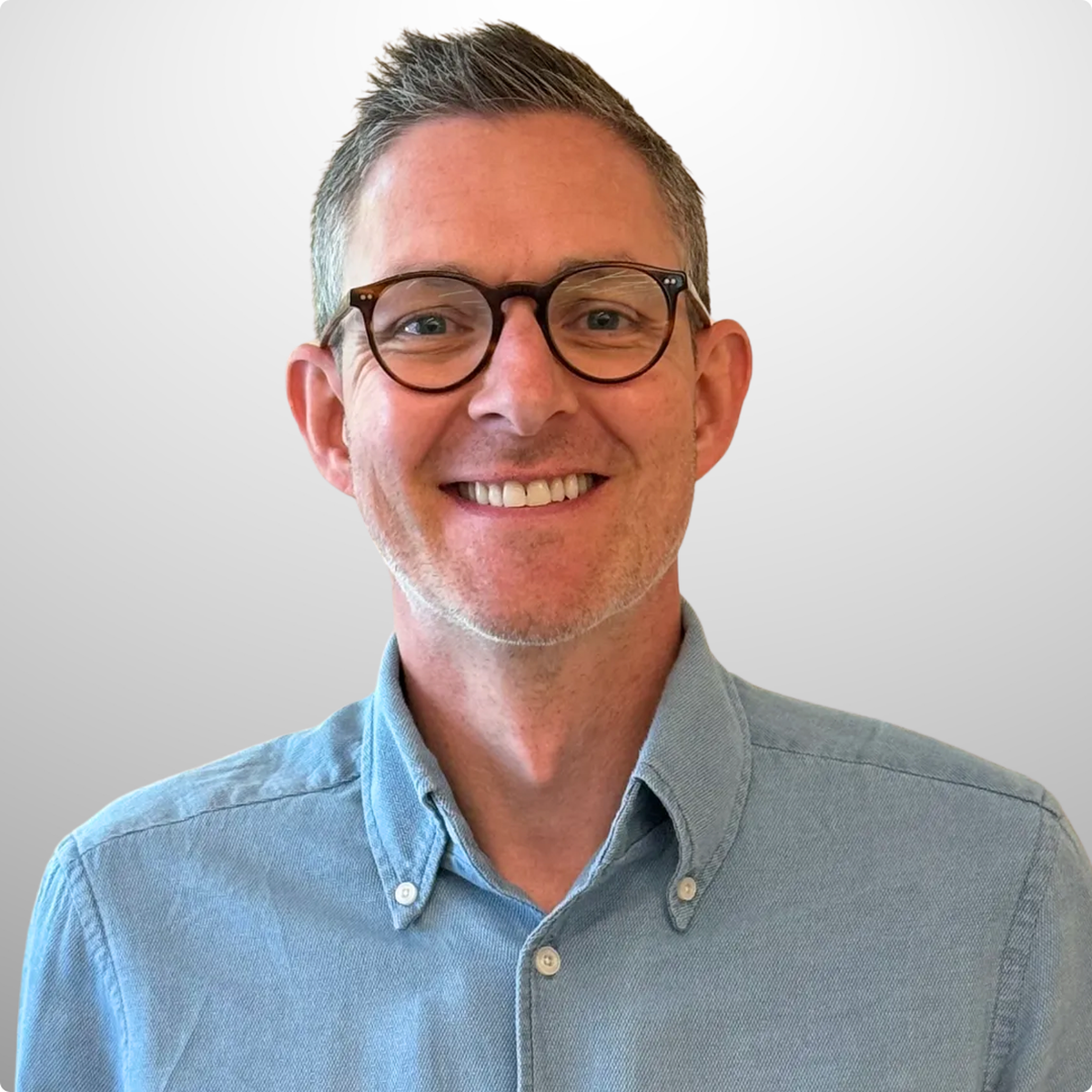
As a part of this series, we had the pleasure to interview Peter Harris.
Peter Harris is CEO of Onclusive, a global media intelligence company helping PR, communications and marketing teams understand and demonstrate their impact. He previously served as President of Pipedrive, overseeing a business operating across 180 markets and serving more than 100,000 customers, and held senior roles at Intuit and Deloitte. He joined Onclusive in July 2026, bringing extensive experience in growing global SaaS and technology businesses.
Thank you so much for joining us in this interview series! Before we dig in, our readers would like to get to know you a bit more. Can you tell us a bit about your “backstory”? What led you to this particular career path?
I’ve spent much of my career working with technology businesses, but it hasn’t been a completely straight path.
I started out at Deloitte, where I worked on some complex business challenges, established an investment vehicle and helped launch a new product into the UK market. I then moved to Intuit, leading global partnerships and business development, before joining Pipedrive as President in 2021.
Each experience taught me something different, but what I’ve always enjoyed is the combination of people, technology and solving difficult problems. I love working with teams to build something that creates genuine value for customers.
That was a big part of what attracted me to Onclusive. Media intelligence is a market I’d wanted to be involved in for a long time. It sits at the intersection of media, culture, public opinion and influence, and AI is creating some fascinating new questions for the industry.
I’m naturally curious, and I enjoy being in environments where there are complex problems to solve and possibilities to do things differently. Onclusive’s pioneering culture particularly appealed to me, along with the strength of the team and the opportunity to build on what they’d already achieved.
Can you share the most interesting story that happened to you since you began leading your company?
For me, one of the most enjoyable things since joining is seeing how we’ve adopted AI in product development. I’ve seen this attempted many times before, but at Onclusive it’s increasingly part of everyday work, as it should be.
In a recent product review, the team walked me through how our GEO Analytics tool went from idea to live in weeks. Previously, that would have taken months.
We’re shipping new tools faster than ever, without compromising on quality, and that’s helping customers get value sooner. As a Computer Science graduate, I find it fascinating, and I’m excited to see what the team does next.
Can you share a story about the funniest mistake you made when you were first starting? Can you tell us what lesson you learned from that?
When I was starting out, I spent a number of years in consulting, where acronyms were everywhere. In my first year as an auditor, I was in a meeting where I was asked to work on “BCP/DR testing to ensure ISO compliance by EOW”. I just nodded and said, “No problem.”
I walked out and asked a colleague what I’d just signed up to. She had no idea either. There was no Google at the time, so I had to get the books out and work out what on earth I was meant to be doing! It turned out I was testing a client’s business continuity and disaster recovery plans for ISO compliance, by the end of the week. It all worked out, and I learnt quickly: just ask the question. People respect it and help far more when you do.
None of us are able to achieve success without some help along the way. Is there a particular person who you are grateful towards who helped get you to where you are? Can you share a story about that?
I agree. I’m lucky to have been inspired and motivated by so many people over the years. I’m a true believer in getting to know as many people as you can, and by that I mean knowing them as people, not just their role in a company. It has led me to meet some really interesting people I’ve learned a lot from.
One person who stands out was a Customer Support agent at a previous company. I was sitting with him to better understand customer queries, and we got chatting. It turned out he was in the US military and could be called up at any moment. He had been on several tours, all while supporting a young family. I found that inspiring. It gave me a real sense of perspective on what matters. It was a reminder that everyone has a story beyond their job title, and that taking the time to understand people can teach you a lot.
Leadership often entails making difficult decisions or hard choices between two apparently good paths. Can you share a story with us about a hard decision or choice you had to make as a leader?
The hardest decisions for me are usually about people. Others in a business often don’t see all the inputs into a decision, and it’s often not appropriate to share wider details. That means a decision about someone leaving the business or changing roles may not be obvious to many people, which I understand can be frustrating. If you manage people, I’m sure you’ve faced something similar.
Managing people is a huge responsibility, so I always aim to be kind, even in tough conversations. Being kind doesn’t mean you can’t be direct. It means showing empathy for the situation while being honest about what needs to happen.
Ok, thank you for that. Let’s now jump to the primary focus of our interview. Most of our readers — in fact, most people — think they have a pretty good idea of what a CEO or executive does. But in just a few words can you explain what an executive does that is different from the responsibilities of the other leaders?
For me, the CEO’s responsibility is to establish a clear direction for the business, make sure the organisation is aligned behind it and create the conditions for people to succeed.
The difference is that you’re ultimately responsible for the bigger picture. You have to balance the needs of customers, employees and investors while making decisions that support the long-term health and growth of the business.
A big part of the job is deciding where to focus, making sure the right resources are in place and helping everyone understand what success looks like. It’s about making sure the whole organisation is moving in the same direction, rather than simply focusing on individual parts of the business.
What are the “myths” that you would like to dispel about being a CEO or executive? Can you explain what you mean?
Firstly, some people assume the CEO knows everything. I certainly don’t! I often tell my teams that they were hired because they’re the experts at what they do. My job is to support them in achieving their aims and objectives, whether that’s by allocating resources, making the hard decisions, or simply debating the road ahead.
Being CEO can also be incredibly lonely. There are few people you can talk to openly about what you’re doing and how you’re feeling. That can be tough, but it comes with the job.
What is the most striking difference between your actual job and how you thought the job would be?
I think it’s how much of the role comes down to people and communication.
From the outside, it’s easy to imagine the CEO’s job being primarily about strategy, financial performance and making big decisions. Those things are important, of course, but so much of your ability to deliver them depends on the people around you.
You need to understand what motivates people, how they’re experiencing change and whether they genuinely understand what you’re trying to achieve.
I’m naturally energetic and passionate, and I’ve learned that people don’t all respond to that energy in the same way. Being a good leader means recognising that, listening to feedback and adapting how you communicate.
Do you think everyone is cut out to be an executive? In your opinion, which specific traits increase the likelihood that a person will be a successful executive and what type of person should avoid aspiring to be an executive? Can you explain what you mean?
I don’t think there’s one personality type that makes a successful executive. I’ve worked with excellent leaders who approach things in very different ways.
But I do think curiosity, resilience and adaptability are essential. Markets change, businesses evolve and the challenges you’re dealing with today may look completely different in a few years. You need to be comfortable with uncertainty and willing to change your mind when the evidence tells you something different.
Self-awareness is also incredibly important. You need to recognise your own strengths and weaknesses, and surround yourself with people who complement them.
If you’re someone who needs certainty, struggles with feedback or finds it difficult to change direction, executive leadership can be particularly challenging.
What advice would you give to other business leaders to help create a fantastic work culture? Can you share a story or an example?
Start with trust and pair it with accountability.
I believe in giving people genuine ownership. If you’ve hired talented individuals, you need to let them use their judgment, make decisions and take responsibility for outcomes. But people also need clarity about what success looks like and what they’re working towards.
Culture also depends on honest communication. Feedback should work in both directions, including towards the CEO.
At Pipedrive, one of the things I’m most proud of was the team we developed. When I joined, things weren’t where we wanted them to be, but over time we built an engaged, energetic team that genuinely enjoyed working together.
That mattered enormously to me. You can have high expectations and ambitious commercial goals while still creating an environment where people feel trusted, supported and enjoy what they do.
How have you used your success to make the world a better place?
At the most basic level, I believe that understanding your purpose is important to a fulfilling life. Mine is to make an impact on the world. That sounds grand, but it’s personal to me, and it’s about the micro-moments that add up. For example, teaching my kids to be kind, respectful and curious, being the best husband I can be, and being a role model at work (appreciating that one person’s role model is another person’s average!).
Fantastic. Here is the primary question of our interview. What are your “Five Things I Wish Someone Told Me Before I Became A CEO” and why? (Please share a story or example for each.)
- You don’t need to have all the answers.
One of the most important lessons I’ve learned is that leadership means knowing which questions to ask and being prepared to listen.
When I joined Onclusive, my first instinct was to dive in. But I was very conscious that I needed to understand the business before making judgments about what should change.
That meant spending time with employees, customers and investors, learning why decisions had been made and appreciating what the business had already achieved.
You can arrive with plenty of experience and still have an enormous amount to learn. In fact, the more senior you become, the more important it is to remember that. Experience gives you a starting point, not all the answers.
2. Trust people and give them room to succeed.
I’ve come to describe my leadership philosophy as high trust, high accountability.
I don’t believe in micromanagement. If you have talented people around you, constantly telling them how to do their jobs is a waste of everyone’s time and, more importantly, their talent.
But trust doesn’t mean a lack of expectations. You need to be clear about outcomes, give people ownership and hold each other accountable.
3. Making things simple is harder, and more valuable, than making them complicated.
Early in my career, I spent months working on a report for a global bank. I sent it to a senior partner, who promptly ripped it apart. His feedback was to explain things as though I were talking to a friend.
It’s a lesson I’ve never forgotten. In business, it’s incredibly easy to hide behind jargon, complicated presentations or elaborate plans. But complexity doesn’t necessarily mean sophistication.
The real skill is being able to cut through the noise, explain what matters and help people understand what they need to do.
4. Feedback is a two-way street, even when you’re the CEO.
I’m naturally energetic and passionate. I see those as strengths, but I’ve also learned that people can experience that energy in different ways.
That’s something I have to remain conscious of, and it’s why feedback matters so much to me.
I believe in being direct and clear about expectations, but I also want people to challenge my thinking and tell me when something isn’t working.
You don’t suddenly become a finished product when you reach a senior leadership position. You’re still learning, and the people around you can often see things about your approach that you can’t see yourself. Being open to that feedback is what allows you to keep improving as a leader.
5. Don’t underestimate what you’re capable of.
One of the biggest lessons I’ve learned outside business has had a real influence on how I think about challenges at work.
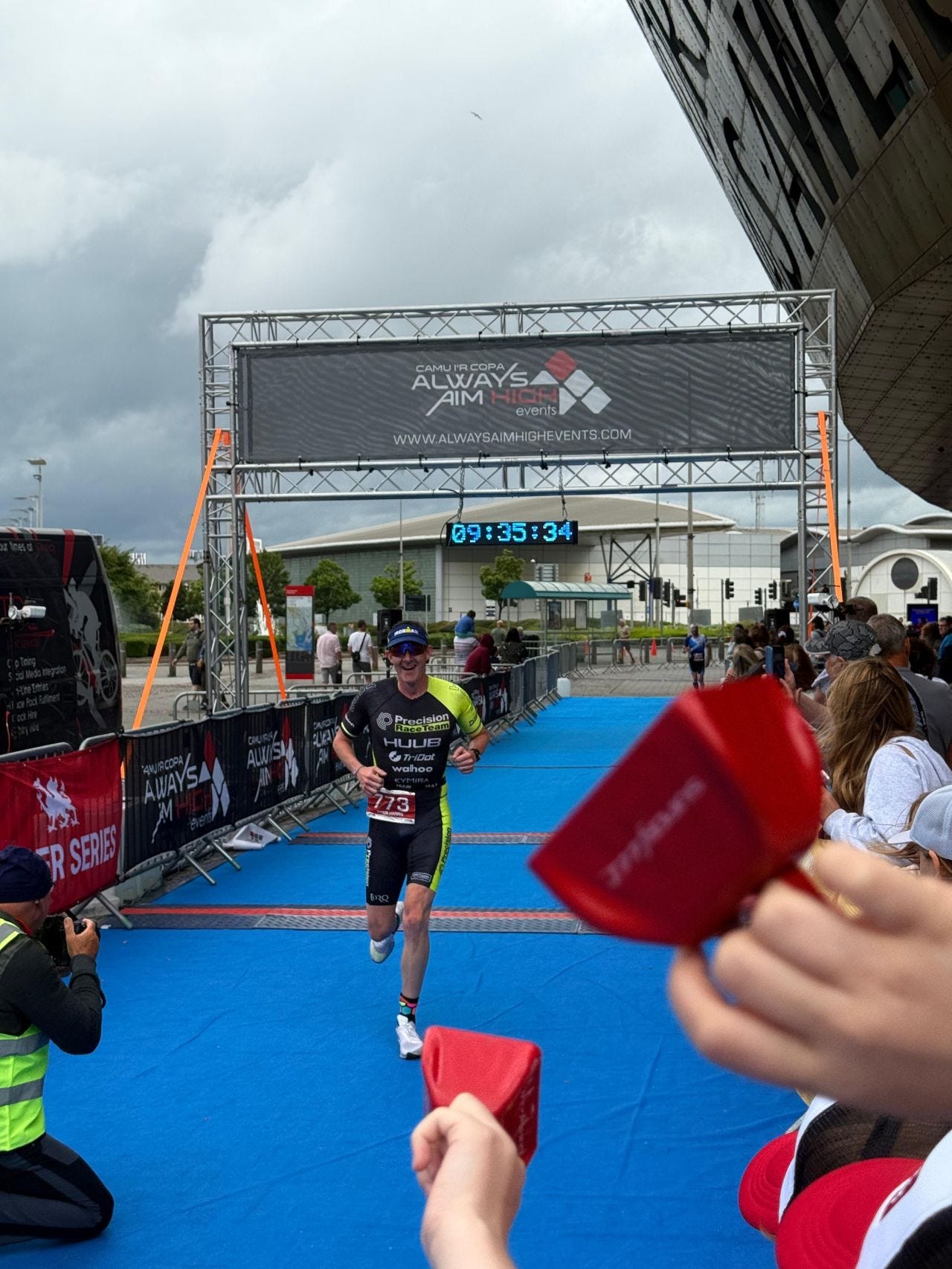
Endurance sport has become a major part of my life. I’ve completed Ironman events and ultramarathons, and in 2026 I represented Great Britain at the European Triathlon Championships in Spain.
At the start of 2025, representing my country wasn’t even an achievable goal in my mind. But I kept showing up, trained consistently and eventually found myself competing in a Great Britain kit, with my family there to watch.
We have a saying in our household that anything is possible. Of course, hard work doesn’t guarantee every outcome, but I think people are often capable of much more than they initially believe.
Sometimes it’s worth shooting for the moon just to see how far you’ll get.
You are a person of great influence. If you could inspire a movement that would bring the most amount of good for the greatest number of people, what would that be? You never know what your idea can trigger.
I’d love to inspire a movement that encourages people to stay curious, keep learning and challenge what they think they’re capable of.
I think it’s easy, particularly as we get older, to become comfortable with what we already know and what we’re good at. We tend to associate learning with school, university or professional development, but I believe it should be something we embrace throughout our lives.
It doesn’t have to mean taking on an enormous challenge or making a dramatic change. It could be learning a new skill, trying a different sport or simply being willing to explore something unfamiliar.
I’d love to see more people given the confidence and opportunity to do that, regardless of their age or background. Curiosity opens doors, builds confidence and helps us see possibilities we might otherwise have overlooked. And I think the world would be a more interesting place if we all made a little more room for it.
Can you please give us your favorite “Life Lesson Quote”? Can you share how that was relevant to you in your life?
We have a saying in our household that “anything is possible”, and it’s something we try to live by as a family.
For me, it’s about being willing to try things that feel unfamiliar or outside your comfort zone. Last year, I made a pact with a friend to learn something new every month for 12 months. That included everything from magic and kickboxing to learning to ride a bike without using my hands. My children got involved in some of the challenges too.
It was a reminder that you don’t have to be particularly good at something to enjoy learning it. Sometimes the most rewarding experiences come from simply being willing to give something a go.
We are very blessed that some very prominent names in Business, VC funding, Sports, and Entertainment read this column. Is there a person in the world, or in the US with whom you would love to have a private breakfast or lunch with, and why? He or she might just see this if we tag them
Toto Wolff would be a fascinating person to sit down with.
I’ve always been interested in what it takes to build consistently high-performing teams, and Formula 1 is an extraordinary example of that. At Mercedes, Toto has been involved in building one of the most successful teams in the sport, operating in an environment where tiny details can make an enormous difference.
I’d love to understand more about how he approaches leadership, creates accountability and maintains such high standards when the pressure is intense.
There are probably quite a few lessons from Formula 1 that translate into running a business, and I’d enjoy the chance to explore those with him.
Thank you so much for joining us. This was very inspirational, and we wish you continued success in your important work.
About The Interviewer: Tavares Beverly ( www.tavaresbeverly.com ) is the Founder and CEO of Beverly Boy Productions, a national video production company that has helped organizations tell their stories through video for more than two decades. Over the course of his career, he has worked with everyone from Fortune 500 executives and healthcare professionals to politicians, nonprofit leaders, educators, and artists, gaining a unique perspective on the role communication plays in leadership, business, and human connection. A frequent contributor on topics including communication, entrepreneurship, leadership, and personal development, Tavares believes that the ability to communicate effectively is one of the most valuable skills a person can develop. His work is driven by a passion for helping organizations connect with their audiences and helping individuals unlock their potential through mentorship, perseverance, and meaningful relationships. To learn more, connect with Tavares on LinkedIn or visit www.BeverlyBoy.com . If you’re interested in using the power of storytelling and communication to grow your organization, strengthen your brand, or inspire your audience, he welcomes the opportunity to connect.