When recruiters don’t understand the field they are recruiting in, they can more readily make mistakes that turn off candidates. A simple key word search without understanding the context of the candidate’s work and organizations they have worked for can leave valid prospects asking “did you even look at my background?” and yet, this is how some organizations recruit people.
Companies are always on the lookout for exceptional talent in today's work environment. In addition, the perks needed to keep talent have changed as people are not simply running after a paycheck. They want something more. What does a company need to do to identify and engage the best talent for their organization? In this interview series, we are talking to HR experts who can share ideas and insights from their experience. As a part of this series, I had the pleasure of interviewing Don Alexander.
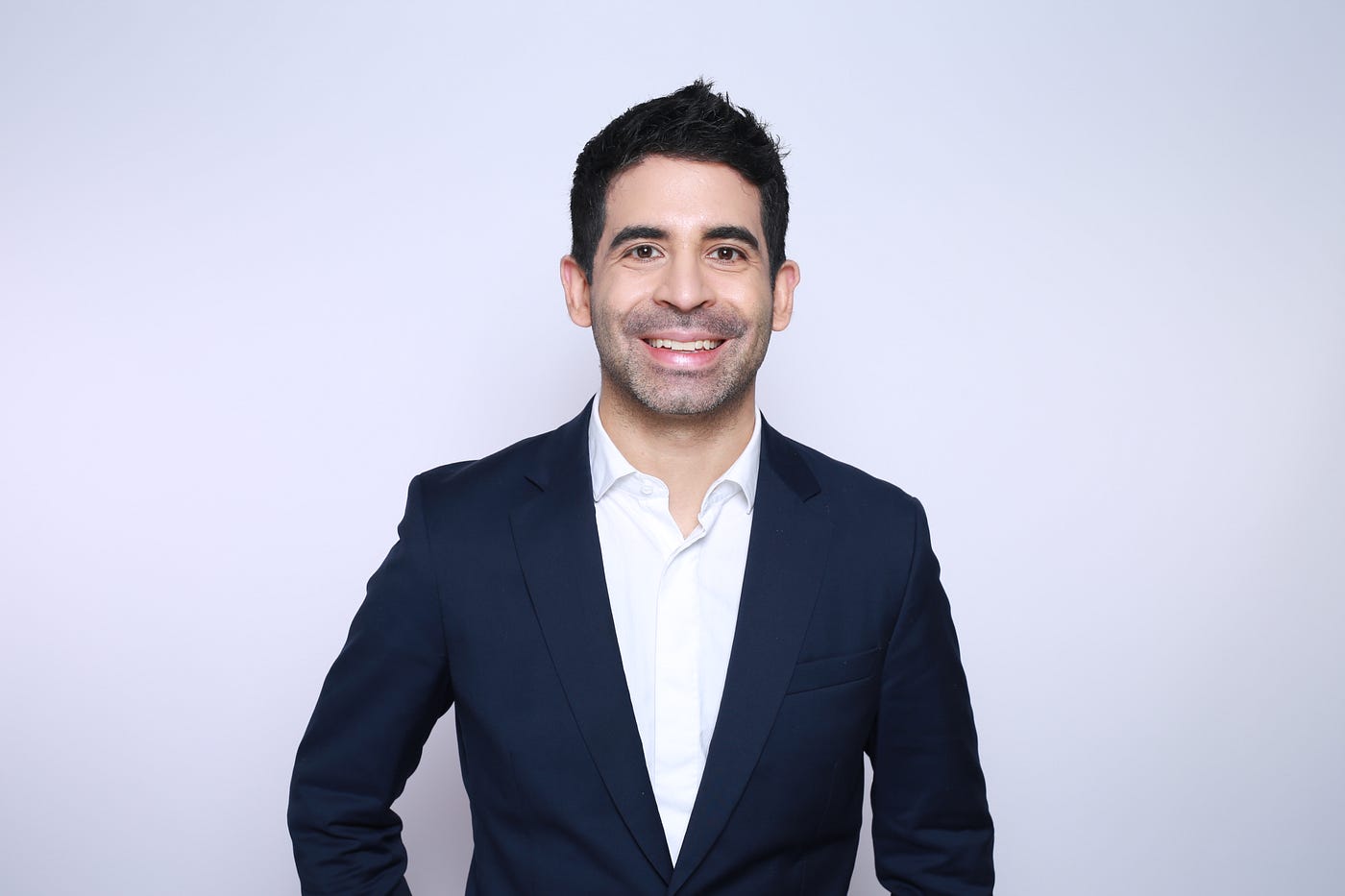
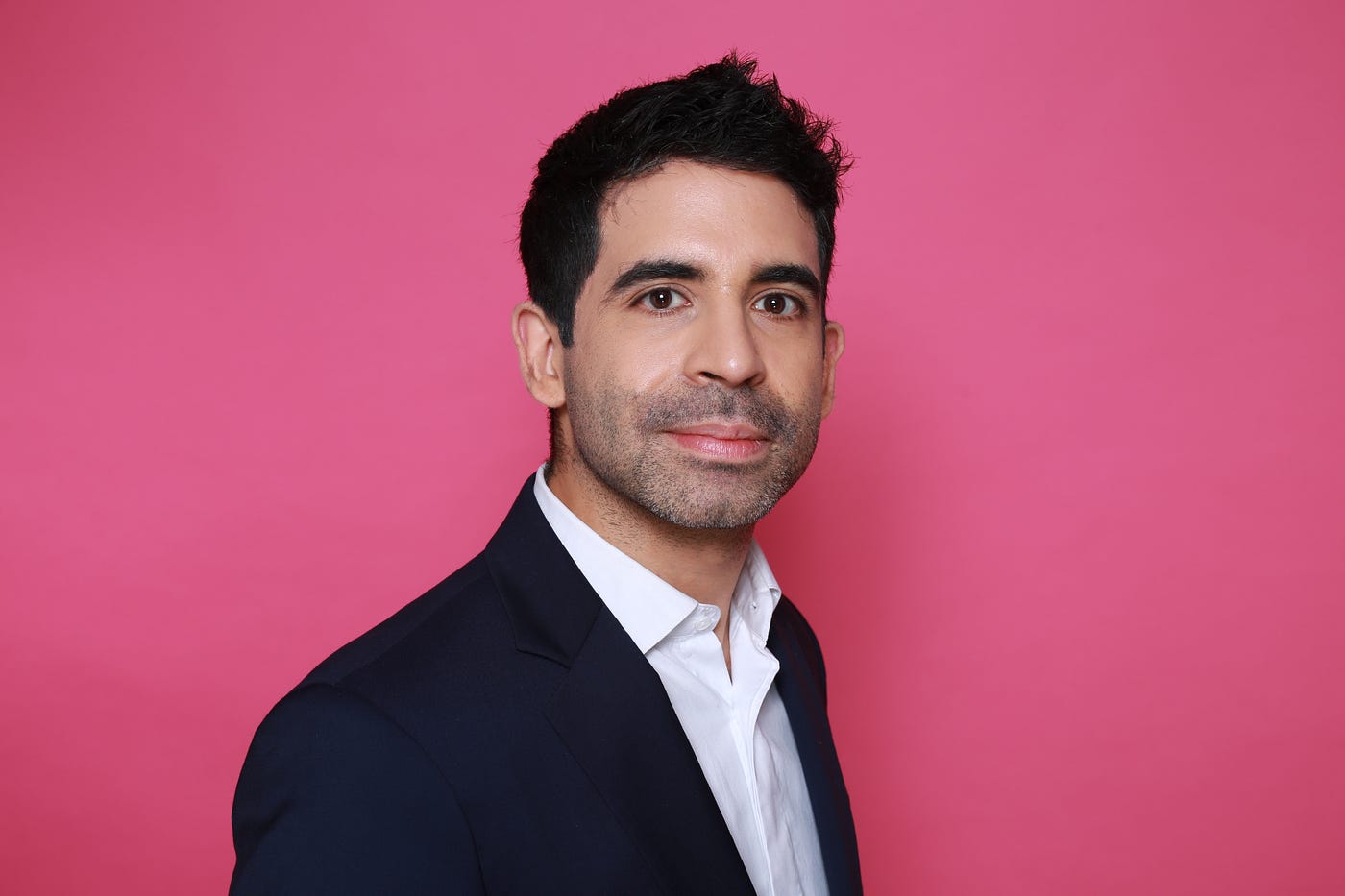
Don has spent over 20 years focusing exclusively on talent acquisition and recruiting, nationwide, for seasoned professionals in the Life Sciences sector (Biotechnology, Pharmaceutical, Medical Device, Diagnostics and supporting Services and Tools). He has successfully completed hundreds of recruitment projects that involved senior level individual contributors through C level executives, with particular emphasis on sales, business development, marketing, product development, project management and pre-clinical R&D.
Thank you so much for joining us in this interview series! Before diving in, our readers would love to get to know you. Can you tell us the "backstory" about what brought you to this specific career path?
I began my recruiting career over 20 years ago after spending several years in the financial services industry. I had a friend in the field who invited me to explore it and his company later hired me. After spending a few years in engineering and technology recruitment, I began serving technical projects in the drug development industry and found the industry compelling based on its amazing contributions to human health.
GeneCoda® was later launched to support innovators whose life-saving products are critical to the global population. We are passionate about making contributions to human health. It’s not about us. It’s about the results of the people we place. To consider that we might place a professional who discovers a cure or moderates “X” disease is more than enough reason for us to get to work.
It has been said that our mistakes can be our greatest teachers. Can you share a story about the funniest mistake you made when you first started? Then, can you tell us what lesson you learned from that?
I got married fairly early on in my recruiting career to my wonderful wife. Before I popped the question, I had 2 engagement rings shipped to me by a friend in the jewelry business. Based on the cost of each, I thought I’d go with the less expensive one.
I then asked my female boss what she advised, and in front of several other colleagues she said “that depends on whether you want to satisfy her or impress her.” I laughed, acquiesced, bought the more expensive ring, and never looked back. To this day, I don’t think anyone in my universe has made a sale like that one. So, I almost made a mistake but asked for advice on this lifelong decision and my former boss rescued me from my transactional lens on the situation.
Can you please give us your favorite "Life Lesson Quote" and how that was relevant to you in your life?
“Begin with the end in mind” – Stephen Covey – the 7 Habits of Highly Effective People.
As an avid martial arts enthusiast in my 20’s, I achieved a first-degree black belt in Taekwondo. Although my belt has been in storage for some time, it remains a great honor to see its framed certificate hanging on my office wall and read its inscription; ‘Loyalty, Perseverance and Integrity.’
One of the tests for the Black Belt is to break a cement paver. To put this in perspective, an article I read states that an expert martial artist’s hand reaches the speed of 24mph, which exerts a whopping force of 3,000 newtons or 675 pounds on the concrete. Among other things the training teaches one to visualize where the hand stops at the end of the strike rather than the actual strike of the paver itself. Since the hand must stop beneath the paver, there is no alternative to the paver breaking. This is a concrete (pun intended) example of beginning with the end in mind.
Are you working on any exciting new projects at your company? How is this helping people? Yes! A couple of examples are a CEO for a cell therapy client focused on bringing novel Oncology products to market and a CMO for a client who is using machine learning to repurpose clinical compounds across a wide variety of diseases. These companies are working on platforms and therapies for unmet or poorly met medical needs that can save lives.
Wonderful. Now let's jump into the main focus of our series. Hiring can be very time-consuming and challenging. Can you share with our readers a bit about your experience with identifying and hiring talent? What's been your most successful recruitment-related initiative so far? Identifying and onboarding talent in the life sciences sector can be challenging as many companies are vying for a limited talent pool. Our clients need to have a compelling story to tell and optimally, a growth trajectory that may be faster than the industry overall. In addition, we find it is often best to “title down” in a search to give prospective candidates a better opportunity to earn more, develop new skills and showcase that they are moving forward in their career. For example, if we are doing a VP level search, we might review prospects that have most of the required skills and experiences at the Senior Director or Director level. We also find that prospects also must be contacted several times and in different ways (e.g. SMS, email, LinkedIn) in order to garner attention. This is particularly true with passive hires. People are inundated with hundreds of messages and calls all day long, so it is extremely important to be both persistent and have a differentiated message.
We’ve been fortunate to have led many successful recruitment projects. One recent example was a SVP of drug discovery for a small client with a differentiated technology. It took our firm contacting over 300 people in the industry but we wound up with a great hire who has helped this client advance a compound to IND enabling studies in 2023.
Once talent is engaged, what's your advice for creating a great candidate experience and ensuring the right people go through the process? A continuous feedback loop is important. It’s important not to leave candidates “hanging” for long periods of time with no communication. Avoid lengthy homework assignments that aren’t pertinent to showcasing a candidate’s ability to do the work involved as this can be seen as unpaid consulting and a turn off for some candidates.
Based on your experience, how can HR and culture professionals work with the broader organization to identify talent needs? By beginning with the end in mind. HR and culture professionals are tasked with figuring out both today’s talent needs, and talent needs in the next 3-5 years or longer. In order to be in alignment, a company’s overall goals must first be established, and a gap analysis performed on the existing organization to see where current employees might be up-skilled or where new hires need to be made.
Is there anything you see that recruiters, internal or otherwise, do regularly that makes you think, "No, stop doing that!"? When recruiters don’t understand the field they are recruiting in, they can more readily make mistakes that turn off candidates. A simple key word search without understanding the context of the candidate’s work and organizations they have worked for can leave valid prospects asking “did you even look at my background?” and yet, this is how some organizations recruit people. As a recruiter, your duty is to understand and educate yourself on the industry, your clients or employer and on the role in question. If you don’t understand these things, figure them out before you start calling people.
With so much noise and competition out there, what are your top 3 ways to attract and engage the best talent in an industry when they haven't already reached out to you? 1.) Persistence and multiple touch points and types. A single email to a prospect, even if you have a correct email address that did not get caught in a spam filter, often doesn’t cut it. 2.) See if you might share mutual contacts or other background or interests that might turn a “cold” prospect into a “warm” contact. 3.) Aside from company brand, which is very important, consider why your offer may be a better career choice. As an example, I worked with a client in the field of regenerative medicine who has a great brand story. Still, recruiting people into a relatively immature industry has its particular challenges as candidates have to be more comfortable with risk. I needed to find a way to minimize perceived risk and did this by pointing out that the field of regenerative medicine’s expected compound annual growth rate (CAGR) is around 20% annually for the next 5 years while the pharmaceutical and biotechnology industry’s overall is in the single digits. Even if our client failed in clinical trials and goes out of business in the next two or three years, where will the candidate be better off in terms of future job prospects?
What are the three most effective strategies you use to retain employees?
Mentoring programs, great onboarding and opportunities for advancement and hybrid or remote work options. The 4-day work week is also being contemplated by many companies and has shown great success by those have deployed it thus far.
Here is the main question of our interview. Can you share five techniques that you use to identify the talent that would be best suited for the job you want to fill? Please share an example for each idea.
1. Bottoms Up research. Using key words to search against a database, LinkedIn or other resource.
2. Top-Down research. Reviewing lists of competitor companies and asking who is the person that does this or a similar job at each competitor.
3. Asking for referrals. In particular, asking for referrals from those who are 1 step above the role in question and who may have had direct reports similar to the job opportunity in question.
4. Think outside the box. What are the trade associations or LinkedIn groups this person might belong too? What conferences might they attend or be speakers at?
5. Post jobs to targeted micro sites. Where possible, posting jobs in specific communities of targeted professionals often yields better applicant quality than aggregators such as Indeed.
We are very blessed to have some of the biggest names in Business, VC funding, Sports, and Entertainment read this column. Is there a person in the world whom you would love to have a private lunch with, and why? He or she might just see this. Michael Jordan - because he is arguably the G.O.A.T. in basketball and makes others around him better. After watching “The Last Dance” and reading about his incredible charitable generosity, a private lunch with him would be amazing. He likely wouldn’t recall but I actually met him once when I volunteered at his golf tournament for the Ronald McDonald house in Greenville, NC many years ago. He and Charles Barkley!
How can our readers continue to follow your work online? Please visit with us on www.genecoda.com!
Thank you so much for these fantastic insights!