Bad news is not like wine…it doesn’t get better with time.
Business
Chuck Maguy of Saatchi &: Why Becoming CEO Means Letting Go of Doing the Work
The longtime advertising veteran and Saatchi CEO shares how leadership requires shifting from functional execution to inspiring people, nurturing client relationships, and mastering vulnerability.
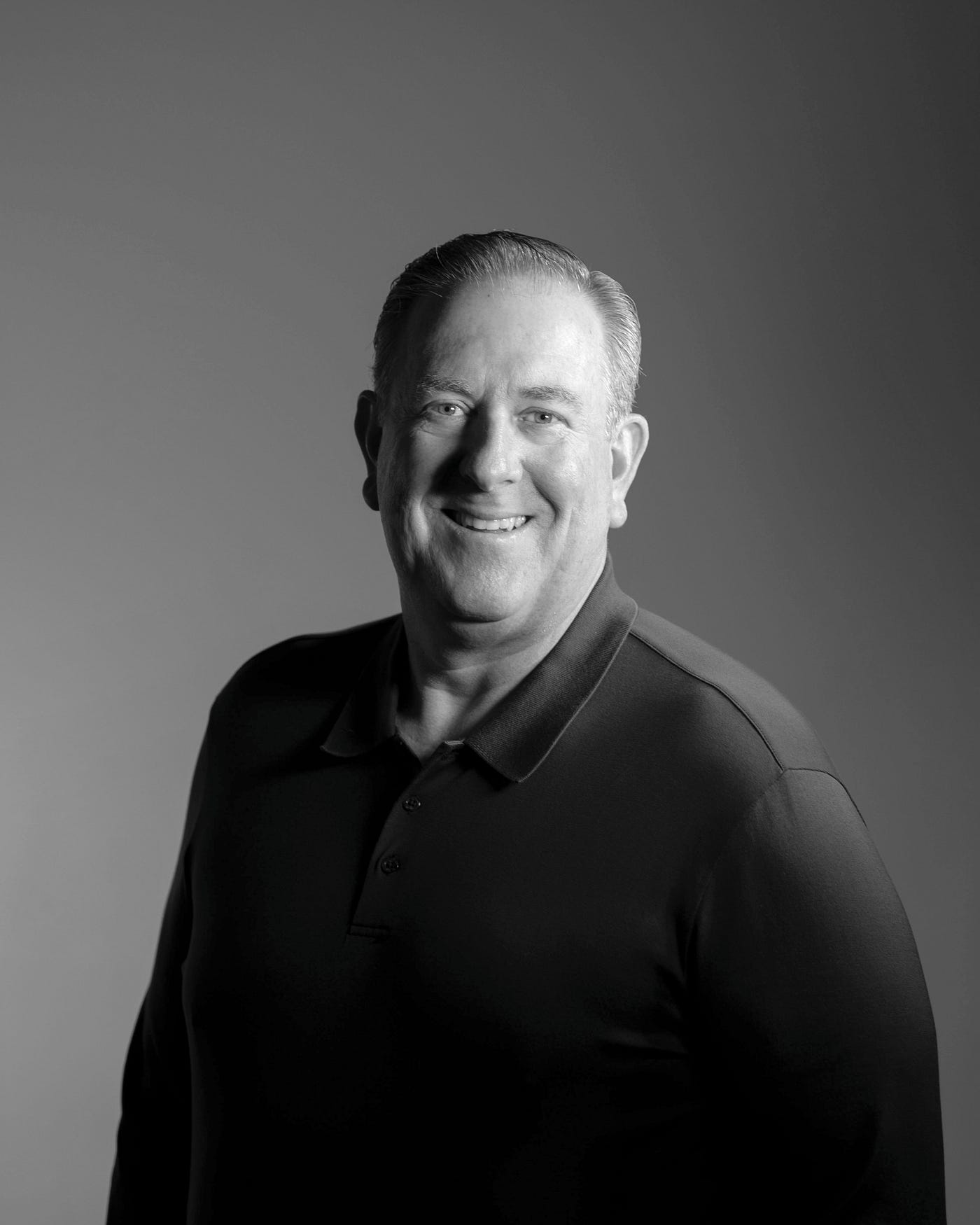
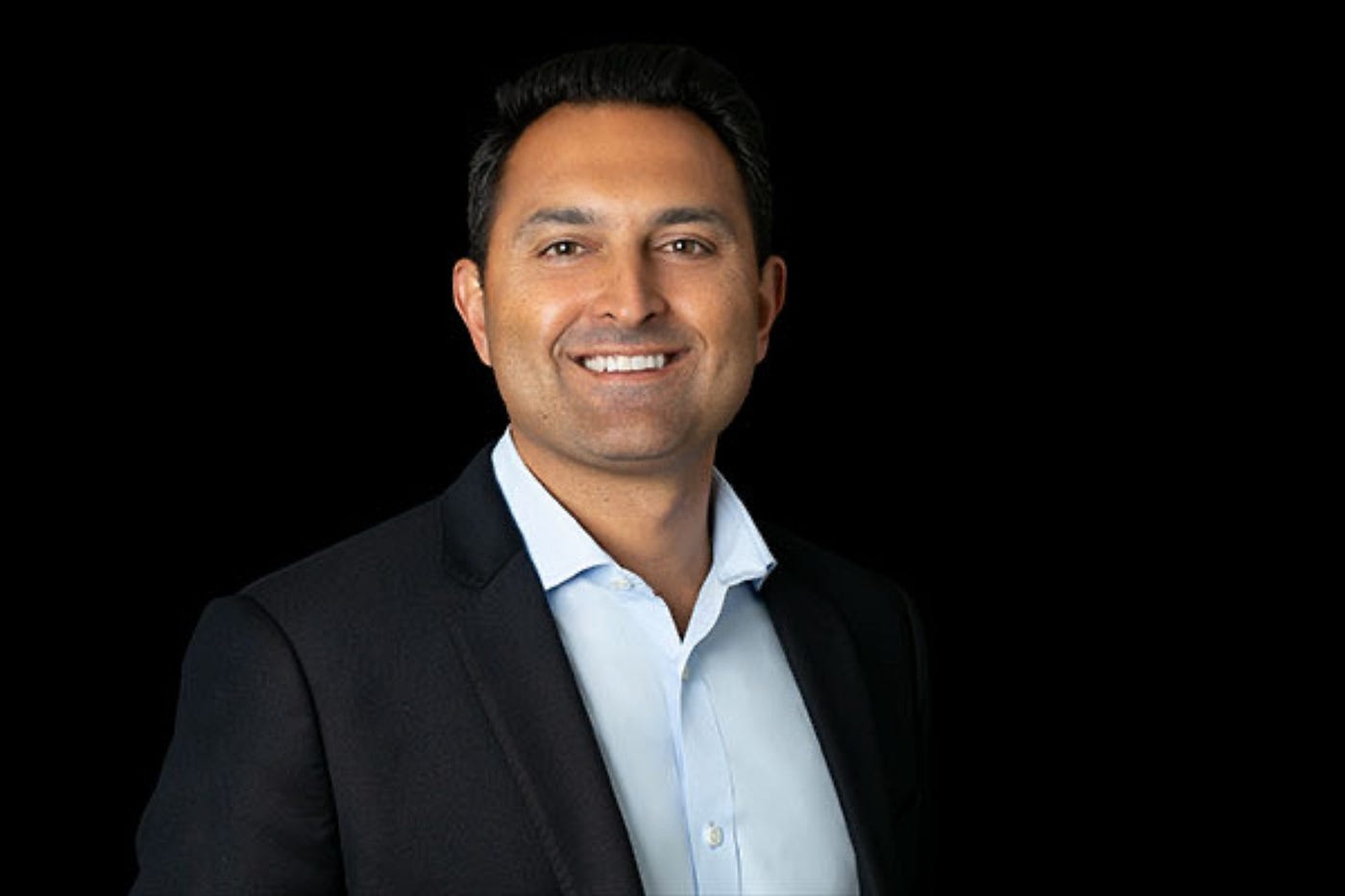
As a part of our series called ‘Five Things I Wish Someone Told Me Before I Became A CEO’ we had the pleasure of interviewing Chuck Maguy, CEO of Saatchi & Saatchi.
Chief Executive Officer, Chuck Maguy is a no-pretense ad exec who’s always ready to solve big-picture issues facing clients. A longtime Saatchi veteran, Chuck has led efforts on behalf of P&G, Lexus, and Toyota for 22 years.
After receiving his B.A. from Stanford and M.B.A. from the Anderson School at UCLA, Chuck rose through the ranks to the role of President and then CEO of Saatchi by ensuring Saatchi’s true north is to act in the long-term best interests of clients. His steadfast belief in the power of the agency’s integrated model — with context, content, data, and technology working as one — has transformed Saatchi’s approach to solving clients’ impossible challenges by creating work that’s compelling, meaningful, and sometimes even magical.
Chuck is not just an ad exec though, in his heart he’s a family guy and that’s how he sees Saatchi, clients and employees. He’s a proud husband and father of two amazing daughters.
Thank you so much for joining us in this interview series! Before we dig in, our readers would like to get to know you a bit more. Can you tell us a bit about your “backstory”? What led you to this particular career path?
I graduated from Stanford and followed my girlfriend at the time (now wife of 28 years) to Los Angeles. She had joined Teach For America and I took a job at Team One Advertising working on Lexus in the early days of the brand launching in the United States. At the time, I was able to bring together my passions for the media world and cars so it was a great first job out of college. After three years at Team One, I went to the Anderson School of Business at UCLA to earn my MBA to then get caught up in the dot com craze of the late 90s. After working in lead marketing roles at two “dot bombs”, I returned to the advertising world at Saatchi & Saatchi leading the Interactive department. I realized I missed being around the culture of ideation and the excitement of taking a clients business problem and developing solutions to those problems.
Can you share a story about the funniest mistake you made when you were first starting? Can you tell us what lesson you learned from that?
In the first couple of months of my time at Saatchi & Saatchi, I was in charge of arranging a multi-day off-site meeting with key clients. I received a call from one of my day-to-day client contacts letting me know that due to last minute conflicts, they were going to need to shift the dates back a month. These were busy and hectic days so I was hustling to get to my next meeting and just told myself I would let everybody know when I got back to my desk later. Mind you this was long before laptops and mobile phones.
A couple hours later, I went back to my desk to communicate out the changes and there was a post it note with the CEO’s handwriting that said “Come see me and bring a pillow.” I was about to learn the pillow was a metaphor for something soft I would need to sit on after the verbal spanking I was about to endure.
As it turns out, the CEO had called the CMO during the two hours I was in my meetings to tell him how excited he was about the offsite the following week. The CMO was blunt in his response that they had changed the date and we should have been notified already.
It was great learning for me to understand the difference between the urgent and the important. Years later my predecessor perfectly summed up the value of the flow of information that I learned that day as well. He would say “bad news is not like wine…it doesn’t get better with time.”
None of us are able to achieve success without some help along the way. Is there a particular person who you are grateful towards who helped get you to where you are? Can you share a story about that?
Kurt Ritter, former CEO at Saatchi & Saatchi, was extremely helpful in preparing me to be his successor. Going through the process with him over the span of years before I became CEO taught me the value of well-organized and orchestrated succession planning. Our process was deliberate and purposeful with Kurt allowing me to grow into the role while he intentionally stepped back ensuring stability and continuity for our company and clients.
Most of our readers — in fact, most people — think they have a pretty good idea of what a CEO or executive does. But in just a few words can you explain what an executive does that is different from the responsibilities of the other leaders?
At Saatchi & Saatchi, we say that “if our company purpose isn’t everything then it’s nothing.” My role as CEO is to lead with intention and purpose to make sure everyone understands our company purpose and values and that everything we do is in service of them. The other leaders in the company are responsible for functional execution and keeping us all rowing in the same direction in sync.
What are the “myths” that you would like to dispel about being a CEO or executive? Can you explain what you mean?
One of the biggest myths about CEOs is that the job is to make all the decisions. I have learned that I am most effective when I can create clarity and alignment around our purpose, values and goals and empower strong leaders on our team to exhibit ownership and responsibility to achieve those goals.
What is the most striking difference between your actual job and how you thought the job would be?
It’s not long-term strategy and big picture thinking all day every day. There are significant demands on your time that pull you in many different directions. The CEO becomes the point of escalation on any number of issues that can surface at any time. It requires great organization and discipline to ensure you have time and more importantly attention for everything that comes your way.
Do you think everyone is cut out to be an executive? In your opinion, which specific traits increase the likelihood that a person will be a successful executive and what type of person should avoid aspiring to be an executive? Can you explain what you mean?
I worked my way up through the ranks at Saatchi & Saatchi and was promoted from within to the role I have now. Those skills and experiences I developed along the way are not necessarily the same I need in the CEO role today. I had to learn to let go of the desire and need to be in the work. The leap to CEO required spending more time and effort inspiring our people and nurturing our client relationships to ensure that every day they felt we were working in their best long-term interests. I don’t believe everyone can inherently make that jump and let go of what has made them successful throughout their career. Many people derive joy in the workplace from “doing of the work” which is great, and I would suggest they strive to continue to grow and develop their subject matter expertise.
What advice would you give to other business leaders to help create a fantastic work culture? Can you share a story or an example?
The advice I would give other business leaders is, that to the degree to which you are comfortable, don’t be afraid to be vulnerable and human. A fantastic work culture develops when people feel psychologically safe enough to be themselves in the workplace. When people can show up as their whole self, we get the best out of one another, and it has to start with leaders being human, approachable and vulnerable.
What are your “Five Things I Wish Someone Told Me Before I Became A CEO” and why? (Please share a story or example for each.)
- You will never have all the information you think you need to make a decision. Get comfortable with that or don’t take the job. A little over a year after becoming CEO the Covid crisis hit and I found myself daily having to make decisions without the data, context or perspective I felt I needed to draw conclusions. It was a tremendous learning in a short period of time that has carried over to how I approach decision making today.
- Think work/life integration vs. work/life balance. You are never fully off the clock even on a great vacation — which I have had many interrupted with an urgent matter — so you will never get the balance just right so don’t try to balance it. You must find a way to integrate your life and work so that something is not losing.
- You can delegate everything except your health, that you must own. This speaks for itself, but I did learn the hard way that not prioritizing your own health over the demands of the job will eventually take its toll.
- Slow down to speed up. There is magic moving your people beyond agreeing to do something to aligning behind why something must be done.
- Know thyself. Invest in the time to deeply reflect on who you are, what you stand for, what you will never do and what you want your legacy to be. I have found this to be essential in the authenticity it takes to have people follow your lead.
Can you please give us your favorite “Life Lesson Quote”? Can you share how that was relevant to you in your life?
“There are only two things truly under your control: your attitude and your effort.”
I first heard this when I played on the water polo team at Stanford, and it rings true now as much as it did then in an athletic setting. Positivity is contagious and I have always wanted to surround myself with people who viewed the world through the lens of “what could be” versus “what is wrong”. I believe we can choose our attitude and that it rubs off on everyone we encounter. Similarly, seeing leaders put in the effort and lead by example is highly motivational. In my opinion, having a positive attitude and giving my best effort is the most inspiring way to live.
Is there a person in the world, or in the US with whom you would love to have a private breakfast or lunch with, and why?
The fan boy in me would have to say George R.R. Martin. I’m Game of Thrones super fan having read all the books and watched the series multiple times. It would be fascinating to go deep with him into his process of world building, see if I could get some clues on how he wants his stories to end, and, who knows, even provide him a bit of inspiration to finish the book series!
Thank you for these fantastic insights. We greatly appreciate the time you spent on this.
About the Interviewer: Douglas E. Noll, JD, MA was born nearly blind, crippled with club feet, partially deaf, and left-handed. He overcame all of these obstacles to become a successful civil trial lawyer. In 2000, he abandoned his law practice to become a peacemaker. His calling is to serve humanity, and he executes his calling at many levels. He is an award-winning author, teacher, and trainer. He is a highly experienced mediator. Doug’s work carries him from international work to helping people resolve deep interpersonal and ideological conflicts. Doug teaches his innovative de-escalation skill that calms any angry person in 90 seconds or less. With Laurel Kaufer, Doug founded Prison of Peace in 2009. The Prison of Peace project trains life and long terms incarcerated people to be powerful peacemakers and mediators. He has been deeply moved by inmates who have learned and applied deep, empathic listening skills, leadership skills, and problem-solving skills to reduce violence in their prison communities. Their dedication to learning, improving, and serving their communities motivates him to expand the principles of Prison of Peace so that every human wanting to learn the skills of peace may do so. Doug’s awards include California Lawyer Magazine Lawyer of the Year, Best Lawyers in America Lawyer of the Year, Purpose Prize Fellow, International Academy of Mediators Syd Leezak Award of Excellence, National Academy of Distinguished Neutrals Neutral of the Year. His four books have won a number of awards and commendations. Doug’s podcast, Listen With Leaders, is now accepting guests. Click on this link to learn more and apply.

Published inAuthority MagazineTop Lessons, Top Authorities · 42K Followers
Exclusive, curated interviews with the leaders and changemakers shaping tomorrow. Leadership lessons, industry deep dives, and executive profiles.