Perhaps the most interesting story is the genesis of Agrovision. When I first came to Peru, the plan was to build a biofuel company, based in sugarcane, in the coastal region.
Business
Steve Magami of Agrovision: How Transforming Peruvian Desert Land into Fertile Farmland Built a Billion-Dollar Superfruit Enterprise
The co-founder and CEO of Agrovision shares how pivoting from biofuels to sustainable agriculture created thriving communities and a global leader in superfruits.
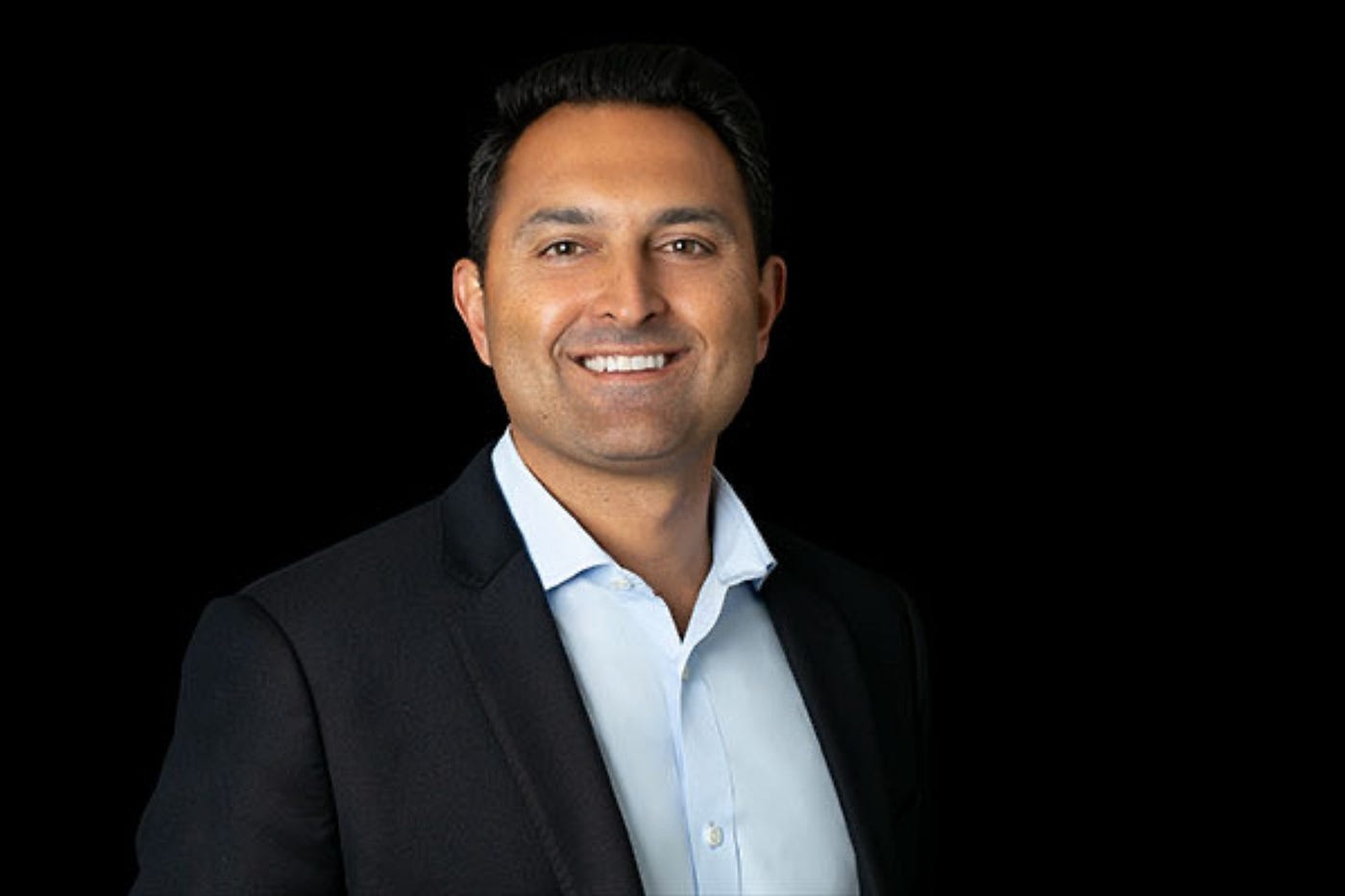
In today’s competitive business landscape, the race for profits often takes center stage. However, there are some leaders who also prioritize a mission-driven purpose. They use their business to make a positive social impact and recognize that success isn’t only about making money. In this interview series, we are talking with some of these distinct leaders and I had the pleasure of interviewing Steve Magami.
Steve Magami is co-founder, CEO and executive chairman of Agrovision, one of the world’s leading and fastest-growing producers, and year-round supplier of superfruits including blueberries, raspberries, blackberries, and cherries. With headquarters in the U.S., in just 10 years Agrovision has established growing operations and commercial partnerships in Peru, the U.S., Mexico, Morocco, Asia, India and Romania. Vertically integrated, Agrovision applies advanced agricultural technology to bring to global markets new premium berry varietals that offer a superior eating experience with reliably higher quality, and consistent supply — a first in the industry.
Thank you so much for doing this with us! Our readers would love to get to know you a bit better. Can you tell us your “Origin Story”? Can you tell us the story of how you grew up?
As a California native, I grew up near the citrus orchards in Orange County, and in a very health-conscious family where at a young age, I first learned healthful eating habits, which I still practice to this day. After graduating from the University of California, Santa Barbara with a Bachelor of Science degree in Biology, I began my career in finance and served as a Principal at Lovell Minnick Partners, the private equity arm of Putnam Lovell Jefferies, where I was responsible for $1 billion in private equity partnerships.
As a private equity investor, I came to realize that I was more of a business builder than a financial engineer. I have always enjoyed taking on new challenges, and taking the leap as an entrepreneur very much appealed to me. This really came to light when I first visited Peru as a biotech investor and started to understand the country’s many natural advantages for a produce supplier: land, labor, water and climate.
Can you share the most interesting story that happened to you since you began leading your company or organization? We often learn the most from our mistakes. Can you share one that you made that turned out to be one of the most valuable lessons you’ve learned?
Perhaps the most interesting story is the genesis of Agrovision.
When I first came to Peru, the plan was to build a biofuel company, based in sugarcane, in the coastal region. Land was purchased, but in 2008 the global capital market crashed. We were forced to wait until 2013 when capital again became available. By that time, ethanol was no longer viable so a pivot was necessary. Quickly realizing Peru’s potential for agriculture — thanks to the Olmos Irrigation project, an incredible endeavor which transformed Peru’s dry desert region into 1,7400 miles of viable farmland — and with an understanding of the potentials of technology and genetics, it was decided instead to grow fruits, avocados and asparagus and limes; and Agrovision was born. Today, Agrovision has invested more than $300 million to transform thousands of hectares of Peruvian dry desert coastal land into lush, green farming fields — transforming both land, and lives, along the way.
I share this story to demonstrate that anything is possible once one sets their mind towards achieving a goal. One of the challenges we faced in our new agricultural venture was that none of the Agrovision founders are Peruvian, speak Spanish, have an agricultural background, or the experience launching a company in a foreign country with complicated politics. Nevertheless, we saw an opportunity and decided to go for it. Some called us insane, but fear of failure has never been a concern. Once objectives were in place, we moved forward with determination.
Ten years later, Agrovision is one of the world’s leading and fastest-growing producers and year-round supplier of superfruits with nearly $300 million in sales. By embracing innovation fused with purpose and commitment, we are delivering on our vision of delivering a better berry to consumers, worldwide.
As a successful leader, it’s clear that you uphold strong core values. I’m curious what are the most important principles you firmly stand by and refuse to compromise on. Can you share a few of them and explain why they hold such significance for you in your work and life?
I firmly believe that the future of agriculture must coexist with social responsibility and the preservation of the environment, as well as the partnership of indigenous peoples.
From day one, Agrovision has remained fully committed to developing a modern agribusiness, one that extends far beyond mere profitability. We are committed to lifting up the communities in which we operate — Peru, Mexico, and Morocco — by bringing economic stability and advocating for social responsibility, including care for the environment and women’s rights, along the way.
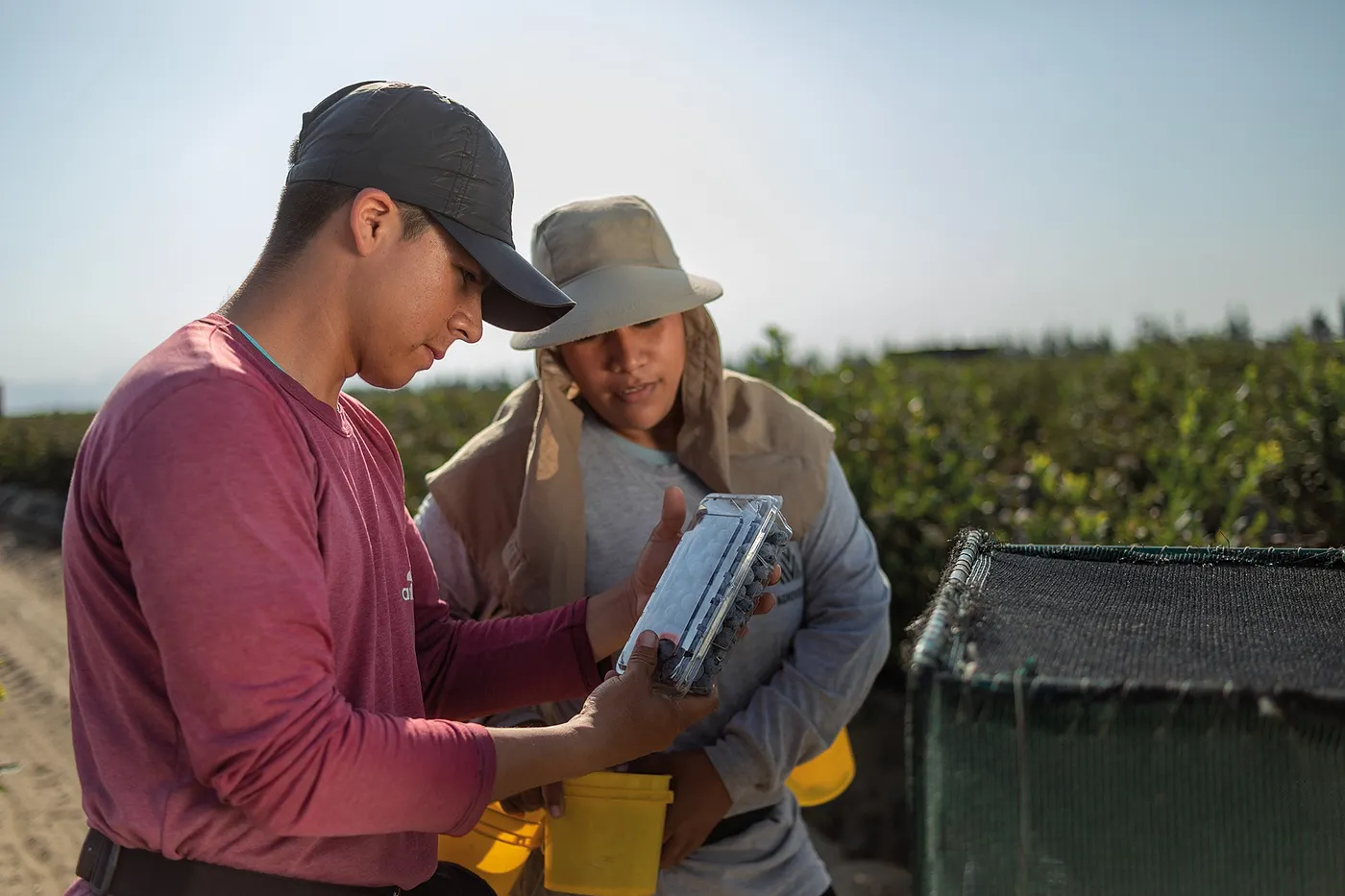
In just 10 years, we have transformed nearly 3,000 hectares of bare, Peruvian desert land into productive, fertile land for farming and in the process created thousands of jobs and thriving communities where none previously existed. Many of our Peruvian workforce, up to 15,000 field workers during peak harvest, come from remote impoverished areas throughout the country. Agrovision provides these workers ample opportunities for stable employment — not only working in the fields and running machinery but also in the service sector: transportation, retail, medical services, technical, IT, engineering and more. Agriculture in South America is creating an economy that would not otherwise exist. Our team in Peru earns an attractive monthly wage that is improving the quality of lives and building communities.
More than half of the Peruvian workforce are women, which provides financial independence, promotes social stability and builds self esteem: for many of the women, it is the first time they have opened a bank account, a huge source of pride for many.
Further, Agrovision offers no cost relief programs, including medical services, energy services and internet, food and more; and ensures social certifications that support human and labor rights. Our journey encapsulates a vision where sustainable agribusiness intertwines seamlessly with ecological preservation, societal empowerment, and global health improvement. Agrovision sponsors football leagues, provides much needed school supplies and medical equipment, supplies water to communities where there is none, and helps families with abused, battered women and much more.
Our sustainability efforts are second to none. Agrovision’s approach is to harmonize agriculture with nature, and is exemplified by initiatives like the “Sembrando Futuro” Program. Through this venture, Agrovision protects the unique biosphere ecosystem in Morrope, Peru, preserving some 2000 hectares of dry forests and preserving native flora and fauna. The project earned its place among the 50 most impactful projects in Latin America — truly a pivotal moment for a 10-year company. The company is proud to be aligned with 11 of the 17 UN’s Sustainable Development Goals; and to have earned the most prestigious certifications. It’s a testament to how a company’s growth can be intertwined with creating a better world for future generations and we’re proud that our sustainability efforts have been recognized with countless awards in Europe, South America and Peru.
What inspired you to start a purpose-driven business rather than a traditional for-profit enterprise? Can you share a personal story or experience that led you to prioritize social impact in your business?
As a frequent visitor to Peru, I immediately recognized that if we are to succeed for the long-term, it is not sufficient to be only a major employer, but it is imperative to build good will and be responsible citizens.
From the beginning, Agrovision was designed to be a generational company. Working through that lens means that we put long-term value and return above short-term profitability. As such, we recognize that we have a commitment to understand the basic unmet needs of the communities in which we operate. We felt that we could do more than was the standard and committed ourselves to the task.
Consider this. I recently learned of a poll from the Instituto de Estudios Peruanos, which stated that 60% of those between the ages of 18 to 24 and 51% of the people between 25 to 39 have plans to leave Peru to seek a future abroad. This really concerns me. The country of Peru is ripe with opportunity; and it’s the next generation that is needed to act as agents of change. By providing employment, along with necessary career and language skills, Agrovision is helping foster generational change. Now, we are replicating the model developed in Peru, into our operations in Mexico and Morocco.
Can you share a pivotal moment when you realized that leading your purpose-driven company was actually making a significant impact? Can you share a specific example or story that deeply resonated with you personally?
Climate change is a new pivotal reality and, as an agricultural company, we must be prepared to address the impact of climate change on the world’s food supply. Amid interactions with clients and industry leaders, Agrovision confronts the challenge of climate change head-on. As one example, this year, blueberry production in Peru was negatively impacted due to the effects of El Nino. Thanks to Agrovision’s new climate-resistant varietals and diversified planting approach, the impact to our blueberry production was minimized; and we have been able to maintain our production momentum.
The journey ahead encapsulates a vision where sustainable agribusiness intertwines seamlessly with ecological preservation, societal empowerment, and global health improvement. Agrovision’s success in just 10 years is a testament to how a company’s growth can be intertwined with creating a better world for future generations.
What advice would you give to budding entrepreneurs who wish to start a purpose-driven business? What are your “5 Things You Need To Create A Highly Successful Purpose-Driven Business.”
1 . Purpose should go hand in hand with a feasible business opportunity that can become successful on a meaningful scale. Scale enables impact.
2 . Look for where your passion can meet your purpose and the business opportunity.
3 . Set a clear purpose that is achievable in different increments as you become more and more successful. Don’t settle — it’s all or nothing.
4. Share and celebrate achievements. We communicate constantly to our external and internal stakeholders, sharing our team’s achievements and honors across sustainability, worker welfare, food safety and more.
5. Be obsessive. Cynicism is the enemy. We see growth and opportunity with every marginal gain, as well as the “big” wins. We’re out to prove the doubters wrong and remain outcome focused.
How can our readers further follow your work or your company online?
I invite your readers to follow Agrovision online at www.AgrovisionCorp.com. We also share company news and developments on our corporate, as well as my personal, Linkedin profiles.
This was great. Thanks for taking time for us to learn more about you and your business. We wish you continued success!
A
bout the Interviewer: Chad Silverstein, a seasoned entrepreneur with over two decades of experience as the Founder and CEO of multiple companies. He launched Choice Recovery, Inc., a healthcare collection agency, while going to The Ohio State University, His team earned national recognition, twice being ranked as the #1 business to work for in Central Ohio. In 2018, Chad launched [re]start, a career development platform connecting thousands of individuals in collections with meaningful employment opportunities, He sold Choice Recovery on his 25th anniversary and in 2023, sold the majority interest in [re]start so he can focus his transition to Built to Lead as an Executive Leadership Coach. Learn more at www.chadsilverstein.com
CS
Written by
Chad Silverstein
Writer & ContributorContributor at Authority Magazine covering leadership, innovation, and industry insights.

Published inAuthority MagazineTop Lessons, Top Authorities · 42K Followers
Exclusive, curated interviews with the leaders and changemakers shaping tomorrow. Leadership lessons, industry deep dives, and executive profiles.