Timing of Advice: I wish I knew that the advice people give you doesn’t mean it has to happen on the timeline you find out about it. Everyone’s journey is different. While guidance is helpful, you don’t need to implement everything at once, like filing an LLC or getting a trademark. People offering advice don’t know your specific business as intimately as you do. So, collect the advice, but implement it on a timeline that best fits your unique journey.
Tech
Channon Kennedy Of The Morgan Square: Five Things I Wish Someone Told Me When I First Launched My Business or Startup
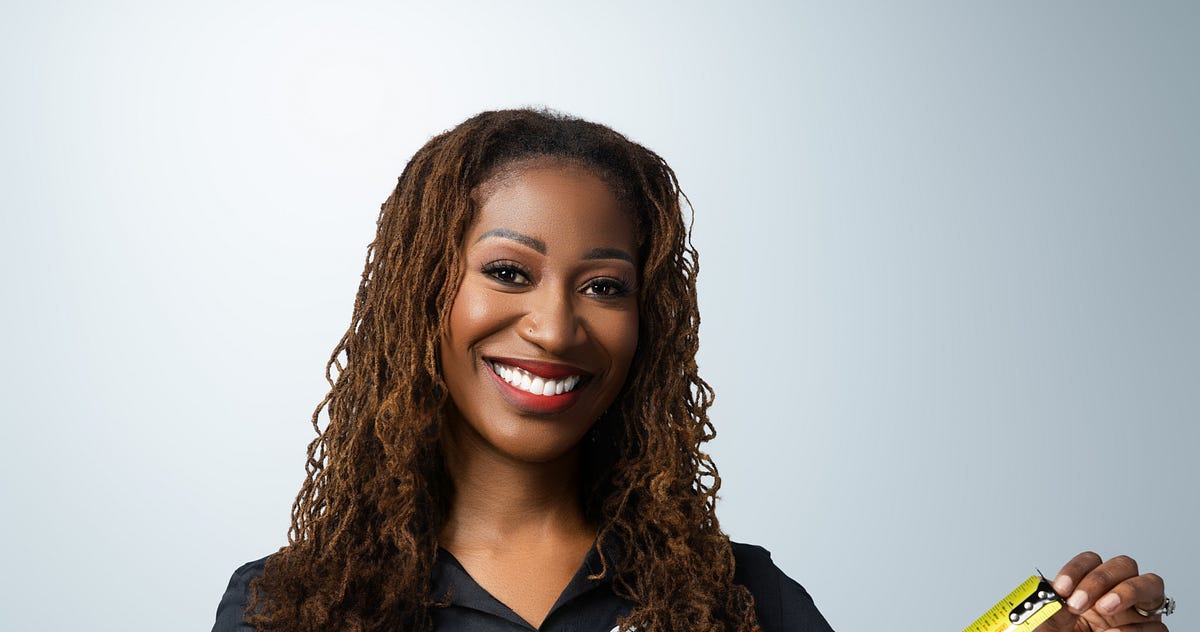
Taking the risk to start a company is a feat few are fully equipped for. Any business owner knows that the first few years in business are anything but glamorous. Building a successful business takes time, lessons learned, and most importantly, enormous growth as a business owner. What works and what doesn’t when one starts a new business? What are the valuable lessons learned from the “University of Adversity”? As part of this interview series, I had the pleasure of interviewing Channon Kennedy.
Channon Kennedy is the founder and CEO of The Morgan Square, a woman-owned tool company reshaping the landscape of the trades industry. As one of the few women of color in the field, Kennedy has built a brand that challenges expectations while innovating within a space long dominated by men. Her company’s flagship product, The Morgan Square, can now be found in Hartville Hardware, 70 Woodcraft stores across the country, and most recently, Home Depot. A first-generation college graduate, Kennedy credits her persistence and commitment to learning for guiding her through the steep challenges of launching a manufacturing business, from patents to profit margins. “Everyone’s journey is different,” she says, emphasizing that building a company requires patience, resilience, and the grace to grow at your own pace.
Thank you so much for joining us in this interview series! Can you tell us a story about what brought you to this specific career path?
As a woman, and a woman of color, in the tool industry, I’ve found my journey to be truly unique. There aren’t many people who look like me in this space, and I believe it’s crucial to be an example for others to show that they can break barriers too. You don’t have to follow a prescribed path to achieve success. Even if you try and don’t succeed in the way you initially envisioned, you might inspire someone else to start their own journey.
A key lesson I’ve learned is that your network is your net worth. To achieve anything significant, you need to surround yourself with people who can support you and identify your blind spots. As the saying goes, “Go fast alone, but go far together.” This collaborative spirit has been essential to The Morgan Square’s success and will continue to drive our mission forward.
Can you tell us a story about the hard times that you faced when you first started your journey?
Launching The Morgan Square presented a unique set of challenges. As someone new to the trades, the initial hurdles included securing trusted guidance for the core concept, navigating the complexities of funding without succumbing to predatory offers, and independently managing all aspects of business formation, from patent and LLC filings to understanding cost of goods, margins, and even the nuances of UPC codes. It was a steep learning curve, a constant barrage of new information, and a testament to the fact that building a brand requires relentless learning and adaptation, especially when you’re pioneering a path in an unfamiliar industry.
Where did you get the drive to continue even though things were so hard?
My drive is deeply ingrained, a commitment to finishing what I start. This ethos propelled me through higher education as a first-generation college graduate and now fuels The Morgan Square. I refuse to abandon a vision, believing that if a pet rock can be sold, so too can this innovative square.
This journey has also revealed a powerful purpose: the glaring absence of women-owned tool brands at trade shows. Being “the square lady” has become a badge of honor, a testament to breaking barriers in a male-dominated industry. Each order is a profound validation, a tangible expression of someone wanting what I’ve built. This humbling excitement, this “wrapping a gift” feeling, reinforces my commitment to The Morgan Square’s mission and its impact on the industry.
So, how are things going today? How did grit and resilience lead to your eventual success?
The past 12 months have been nothing short of amazing for The Morgan Square. We’ve secured our patent and trademark, and our presence is rapidly expanding. You can now find our innovative square in Hartville Hardware, the largest hardware store in America, in 70 Woodcraft stores nationwide and most recently Home Depot which is a testament to the growing interest in our tool.
Can you share a story about the funniest mistake you made when you were first starting? Can you tell us what lesson you learned from that?
One of the most memorable early mistakes involved a misunderstanding of profit margins when I first ventured into online retail. I quoted figures based on a simple percentage, only to be corrected that the calculation was far more complex. It was a humbling lesson in the intricacies of business finance. Beyond that, as someone not from the trades, I often found myself in amusing situations, misidentifying tools or struggling with industry jargon like “plum studs” and “center on 16.” The biggest takeaway? Even without a background in the trades, I’ve been able to build something meaningful. It’s a testament to the idea that passion and perseverance can overcome a lack of initial expertise, and I’m genuinely delighted to share this journey with the world.
What do you think makes your company stand out? Can you share a story?
The Morgan Square distinguishes itself through its unique identity and the diverse, passionate team driving its innovation. Our company, Kiwi Vision, often sparks curiosity, as many expect a connection to New Zealand or Australia. The true surprise comes when they meet our team, led by a woman of color in the manufacturing industry — a rarity that consistently stands out. Our journey has been unexpected, but our infectious energy and genuine enthusiasm make The Morgan Square a truly distinct and memorable presence in the hand tool industry.
At trade shows, it’s common for visitors to approach our booth, engage with my team, and then inquire about speaking with the owner. When they are directed to me, a Black woman with locs, their surprise is often clear. I don’t fit the traditional image of someone they expect to see in the woodworking tool industry. This initial oversight, where I’m sometimes underestimated or mistaken for not being the CEO, is something I’ve come to enjoy. It highlights a prevalent assumption that a male must have created the tool. I embrace the opportunity to challenge these expectations and showcase the deep experience and innovative spirit that define The Morgan Square.
Which tips would you recommend to your colleagues in your industry to help them to thrive and not “burn out”?
Maintaining a work-life balance is paramount. While the entrepreneurial journey demands significant time and effort, prioritizing your physical and mental well-being is non-negotiable. As a founder, the weight of the business often rests on your shoulders, making self-care not just beneficial, but essential. It’s crucial to refresh yourself physically and mentally to sustain the relentless drive required for success. Don’t let the pursuit of your vision overshadow the importance of living a fulfilling life.
None of us are able to achieve success without some help along the way. Is there a particular person who you are grateful towards who helped get you to where you are? Can you share a story?
I am incredibly grateful to my team, Simon Pham, who serves as our product development engineer and Gary Ferraris who is our VP of Operations, for their unwavering support and belief in The Morgan Square. Gary, a former maintenance carpenter, joined me ten years ago, becoming my trusted end-user and educator. He has been instrumental in shaping my understanding of the industry and articulating our vision. Simon designed and developed our product, demonstrating immense faith in my idea. Together, we have collectively moved this project forward, providing the essential knowledge and guidance needed to launch and sustain The Morgan Square. Their dedication has been invaluable every step of the way, and I extend my deepest thanks to them.
How have you used your success to bring goodness to the world?
My success is a platform to inspire and empower. I strive to be an example for all, especially young women, demonstrating that any path is possible if you dare to try. I actively mentor and share my journey, providing foundational knowledge and resources that I once lacked. It’s about giving back and showing others that they, too, can break barriers and achieve their dreams, regardless of perceived limitations.

What are your “5 things I wish someone told me when I first launched my business,” and why? Please share a story or example for each.
- Timing of Advice: I wish I knew that the advice people give you doesn’t mean it has to happen on the timeline you find out about it. Everyone’s journey is different. While guidance is helpful, you don’t need to implement everything at once, like filing an LLC or getting a trademark. People offering advice don’t know your specific business as intimately as you do. So, collect the advice, but implement it on a timeline that best fits your unique journey.
- Prototyping Costs: I wish someone would have told me that prototyping is incredibly expensive. You have to be prepared for this costly phase to get it right. No prototype is perfect on the first, second, or sometimes the third try. Be patient. What sounds good in design can feel different in your hands. This understanding is crucial for ensuring you have sufficient financial runway.
- Project Financials: I wish I had known more about projecting financials from the start. Not everything is in-depth learning, but understanding profit and loss, and other financial metrics, is vital. The numbers tell the story of your business. If you don’t grasp them, your business story won’t work, regardless of how good your idea is.
- The Need for a PR Team: I wish someone had told me when I truly needed my PR team. While you can try to handle it yourself, there comes a point when you need professionals who know what they’re doing to tell your story effectively. My network, while extensive, isn’t enough, and I don’t know the right people in the right places. I spent a significant amount of time on this, but it was a recognized gap. You just have to prepare yourself for it, as guidance in marketing and press releases is essential.
- Give Yourself Grace: You have to give yourself some grace. Running a business demands immense time, thought, feedback, and changes, and it can be incredibly frustrating. Realize that the entire action of running a business is a journey, not just a single step. Be patient with yourself and don’t beat yourself up. If you’re not making mistakes and learning from them, you’re not doing it right.
Can you share a few ideas or stories from your experience about how to successfully ride the emotional highs & lows of being a founder”?
Successfully navigating the emotional highs and lows of being a founder is an ongoing journey. There are moments of disappointment, like consistently applying for grants and not receiving them, or not yet being in every desired retail store. However, these lows are balanced by significant wins that bring immense excitement. For example, being a top 20 finalist for the most innovative product at the International Woodworking Fair, even without winning, generated incredible traffic and a security alert on my website due to overwhelming interest. More recently, securing placement in Hartville Hardware and 70 Woodcraft stores within six weeks was an exhilarating validation. It’s a constant cycle of “no’s” and “yes’s,” but the “yes’s” are often monumental and reinforce that you’re on the right path. Experiencing both the disappointments and successes allows you to truly appreciate the journey and the magnitude of your achievements.
You are a person of great influence. If you could start a movement that would bring the most amount of good to the most amount of people, what would that be? You never know what your idea can trigger. :-)
As a woman, and a woman of color, in the tool industry, I’ve found my journey to be truly game-changing. There aren’t many of us in this space, and I believe it’s crucial to show others that they can break barriers too. You don’t have to follow a prescribed path to achieve success. Even if you try and don’t succeed in the way you initially envisioned, you might inspire someone else to start their own journey.
A key lesson I’ve learned is that your network is your net worth. To achieve anything significant, you need to surround yourself with people who can support you and identify your blind spots. As the saying goes, “Go fast alone, but go far together.” This collaborative spirit has been essential to The Morgan Square’s success and will continue to drive our mission forward.
How can our readers further follow your work online?
People can follow my journey on Instagram @TheMorganSquare where I share posts about new products as well as my journey!
This was very inspiring. Thank you so much for joining us!
AM
Written by
Authority Magazine Editorial Staff
Writer & ContributorContributor at Authority Magazine covering leadership, innovation, and industry insights.
Published inAuthority MagazineTop Lessons, Top Authorities · 42K Followers
Exclusive, curated interviews with the leaders and changemakers shaping tomorrow. Leadership lessons, industry deep dives, and executive profiles.
More from Authority Magazine
See all stories →A
Authority Magazine Editorial StaffBrandon Wade & Dana Rosewall on Why ‘Yes’ People are a Liability and the “Painful” 180-Degree Redemption Story
Tech27 min read

Y
Yitzi WeinerAmazon’s Lauren Stovall Talks AWS Nonprofit Programs, Enterprise AI and the Push for Unrestricted Funding
Tech22 min read
G
Gabriel Borden, Managing Partner at Arrow FundGuardians of AI: Kerstin Woods of Toshiba America Business Solutions On How AI Leaders Are Keeping AI Safe, Ethical, Responsible, and True
Tech17 min read
A
Authority Magazine Editorial StaffFrom New York Wild Child to Bali Wellness Queen: Inside Meghan Pappenheim’s Spiritual Empire
Tech20 min read