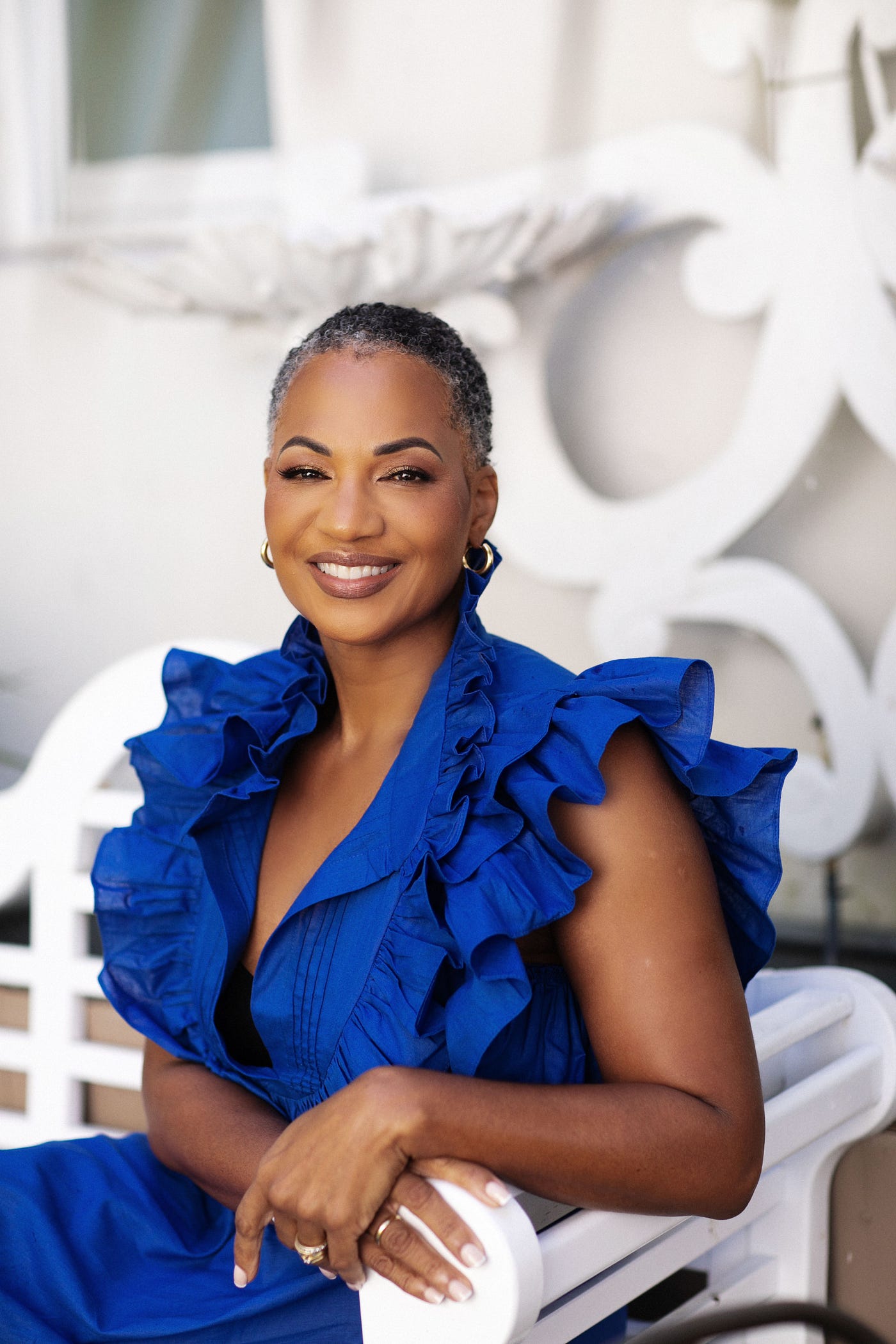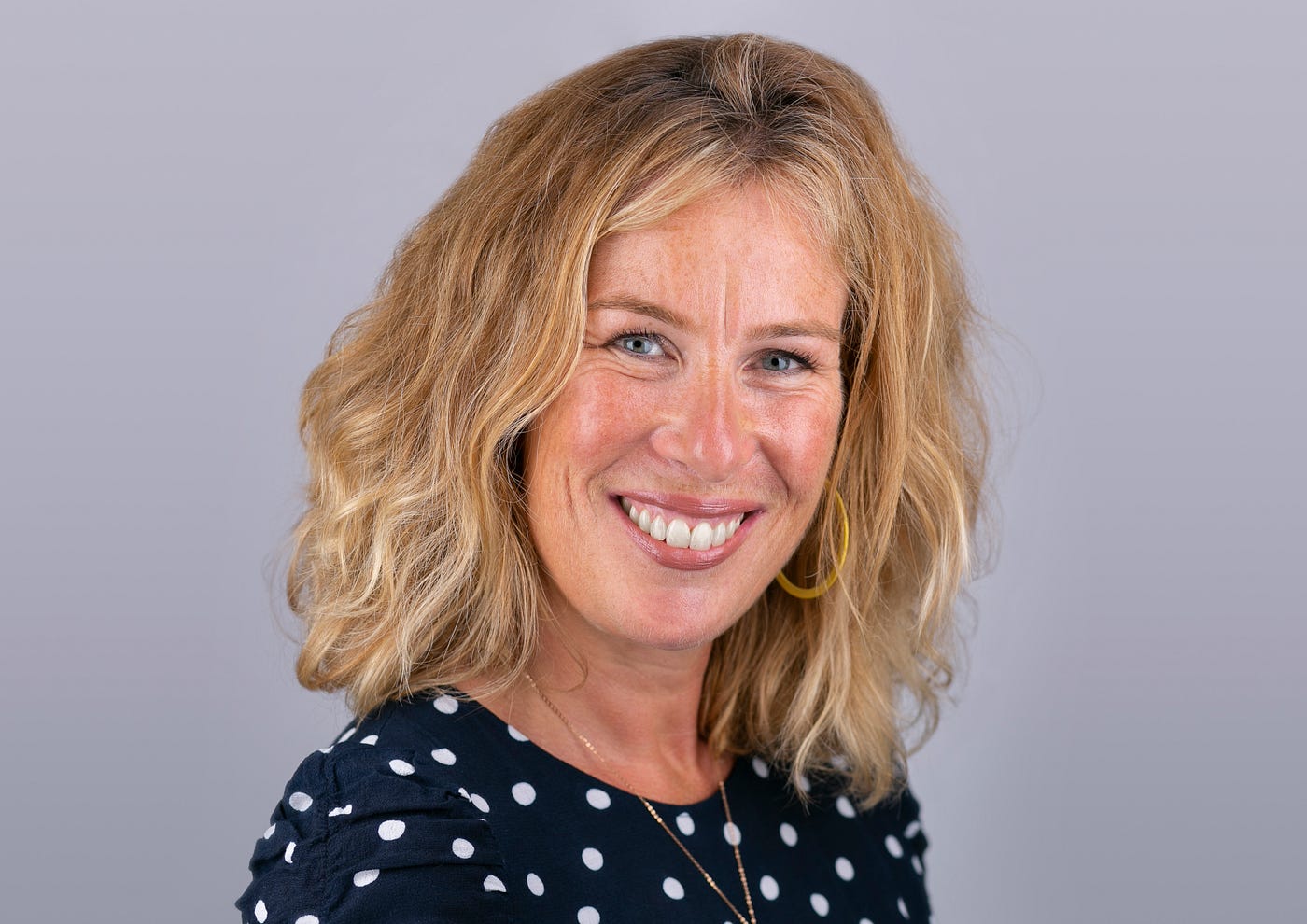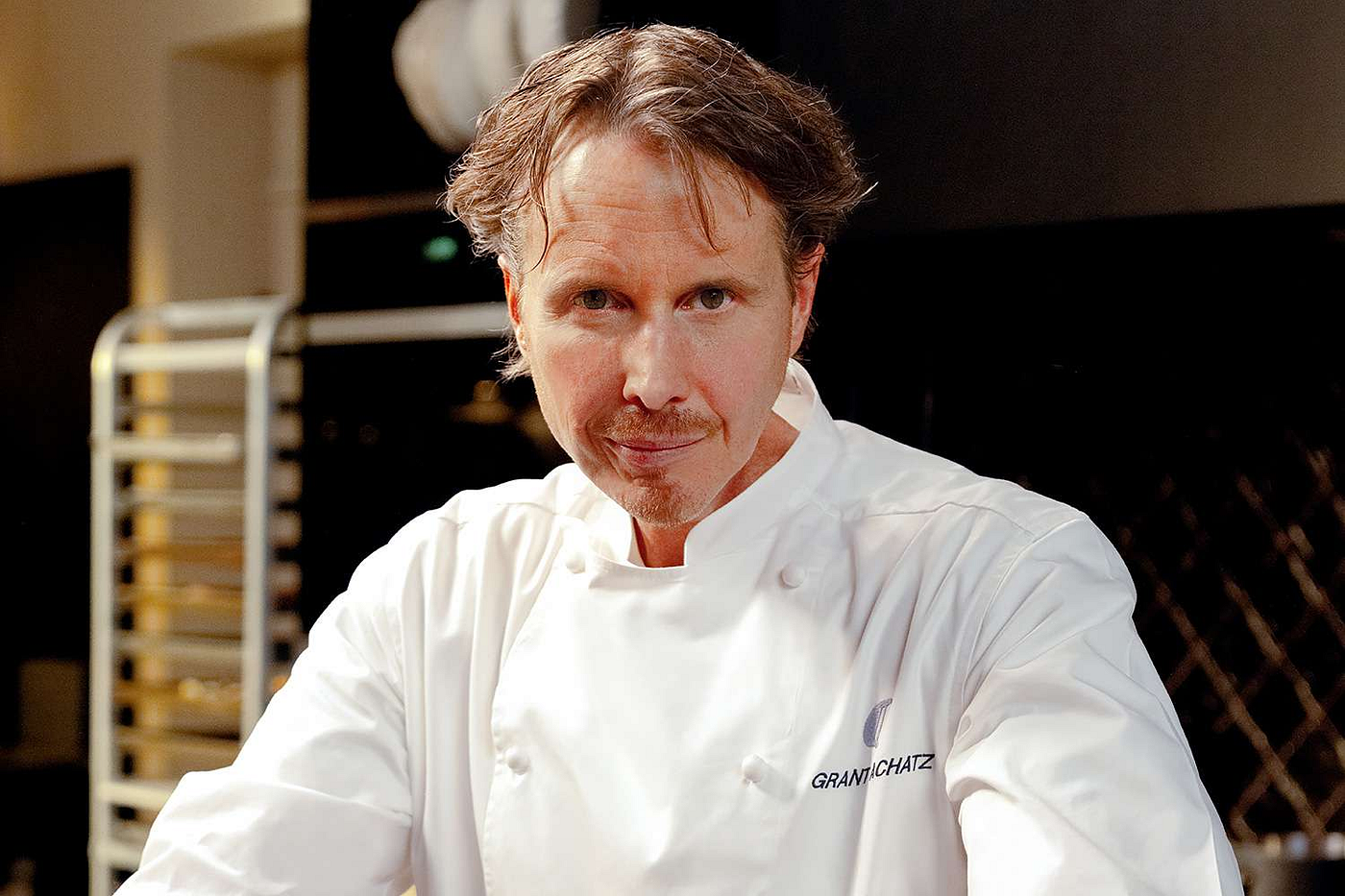
In my first corporate job, I met a couple of strong female leaders, who are very strong and resilient. They taught me to be mentally and emotionally strong, and how to lead as a woman.
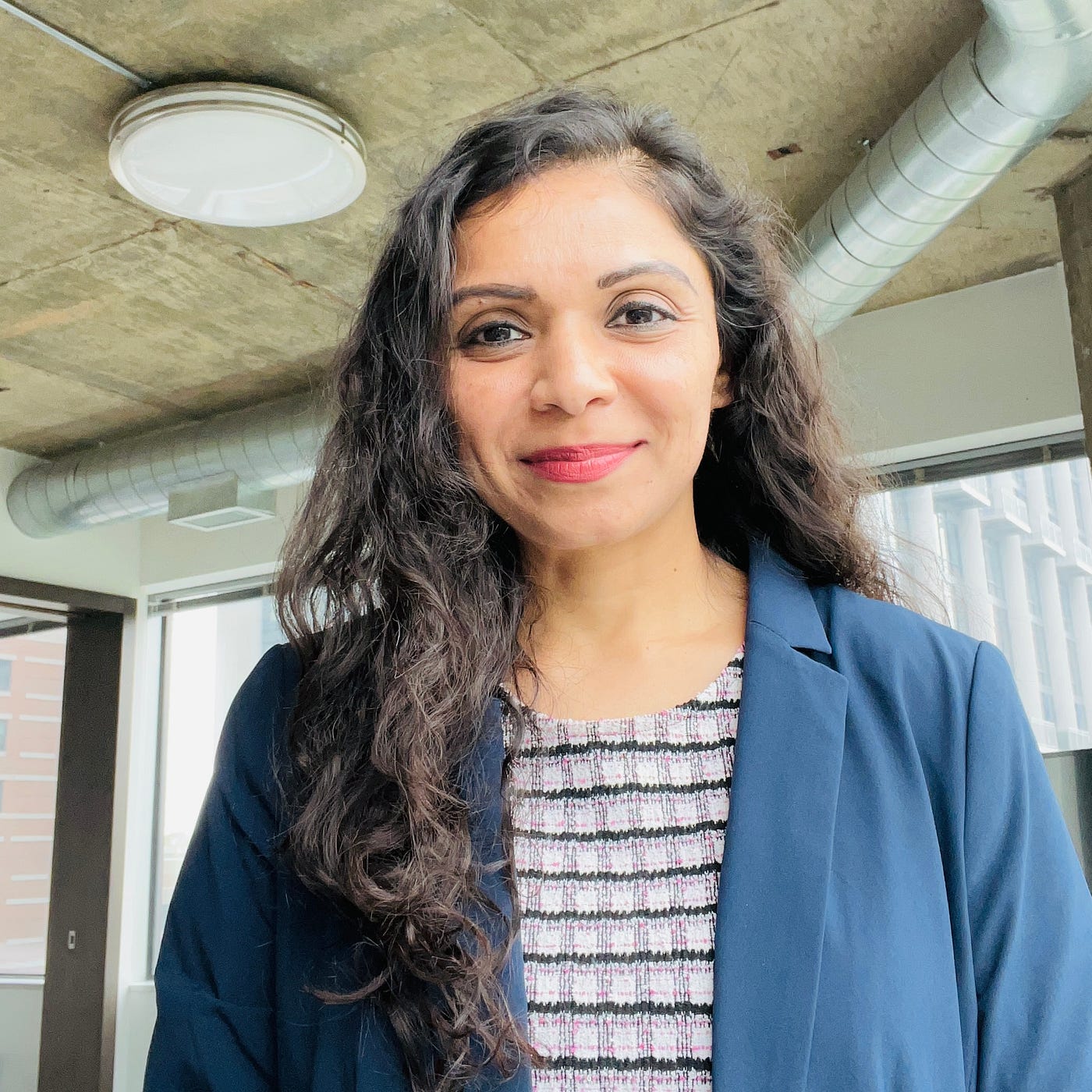
Bina Patel, PhD is an Ombuds, Arbiter and an Organizational Health Strategist. She is the founder of Transformational Paradigms, providing conflict resolution and ombuds services to organizations in all sectors. Dr. Patel provides leadership and career coaching to leaders at all levels and specializes in conflict management services. Her area of expertise includes establishing ombuds & alternative dispute resolution programs, as well as providing conflict resolution consultative services. She is an author, public speaker, professor, trainer, and a consultant. She has published several case studies related to workplace diversity, multiculturalism, and racism in the workplace, as well as female suicide terrorism. Dr. Patel’s book on Female Suicide Terrorism: Understanding the Radicalization Process focuses on human behavior.
Thank you so much for joining us in this interview series! Before we dive into the main focus of our interview, our readers would love to “get to know you” a bit better. Can you tell us a bit about your childhood backstory?
BP: My workout days began at the age of 10. I recall my mother waking me up one morning during my summer break at 5AM, saying that I need to be more active, and I had to workout with her. She turned on the TV and on came “Bodies in Motion” with Gilad. If my sisters are reading this right now, I am sure they are laughing. It was truly a struggle the first couple of weeks, but I noticed how much more energy I had. I actually felt good! I never looked back!
I believe this is how I also became a “morning person”. To this day, I wake up at 5AM to workout. During the pandemic, it was a challenge to stay on course especially working remotely, but my natural alarm clock wakes me up at 4:30am to this day to wake up. During the onset of the pandemic, I discovered workouts by Sydney Cummings. I appreciate her positivity and thought process. She always says, “we have to thank our bodies” – a totally different mindset, and one that I value – and gladly share her workouts with my friends and family members.
My parents and family members have taught me to remain discipline in my workouts and all that I do. Both of my parents have valued eating healthy and exercise as a major part of our lives. This has been ingrained in my sister and I from a young age. Eating healthy really began with my mom. I rarely got those cheese sandwiches and pizza flavored Doritos or Cheeto Puffs in my lunchbox. I always had fruits in my lunch as part of my snacks and a healthy sandwich of some sort. Today, I eat quite healthy, and this is a lifestyle change I have made overtime. I allow myself one piece of “chocolate something” in my day – but only one and it better be dark chocolate and it is small. I will say that every full moon my mom makes an Indian delight, sheera – made with butter, sugar, and other yummy ingredients. It is not healthy by any means – and worth the calories.
One thing that you should know about me, I grew up in an extended family. My cousins are my siblings. We are all very close and we always joked that we had 3 sets of parents (my dad and his 2 brothers and their wives). This was the traditional way of living among Indians way back when. It was my paternal grandfather’s wish that we live together when we came to this country as well. I consider myself very fortunate and glad that all my brother in laws have adopted to our family values as well. They are good people.
What or who inspired you to pursue your career? We’d love to hear the story.
BP: My first job in the corporate sector has shaped my career today. In the first few months that I was hired by a major international organization, I recognized how people were treated and not valued. This mindset was frustrating for me. I have always seen people as humans and couldn’t understand why organizations, or rather, leaders in organizations did not value people. I worked for a few years before enrolling in my doctoral program. I was also working while in school and had opportunities to apply theory to practice helping resolve workplace disputes. It was at this point that I became passionate about helping people as I recognized how I could leverage policies to help individuals who experienced unfair or unethical business practices. I walked into the organizational ombudsman position and was hired to create a program. It was at this point in my career that I valued how I as an ombuds could help workplace cultures become less conflict averse and make a difference, all the while contributing to the mission. I love what I do. It is part of my identity.
None of us can achieve success without some help along the way. Was there a particular person who you feel gave you the most help or encouragement to be who you are today? Can you share a story about that?
BP: I have been so fortunate as to have mentors in my life. I have gained each of them from every job I have had and along the way, we have remained in touch. I still reach out to my old bosses, who I value very much. Each of them has contributed to my success in some way or another. In my first corporate job, I met a couple of strong female leaders, who are very strong and resilient. They taught me to be mentally and emotionally strong, and how to lead as a woman. And this was more so polished by the Colonels I worked during my time with Army. I admire their strength, intelligence, resilience, and candor. What they have endured as women is something to be proud of!
As a speaker, I get asked this question often, “How do you select your mentors”? And my response, well, I ask a lot of questions. I am very curious and am not shy about asking questions. This is how I have attracted mentors. I will stay in touch and follow up with them, asking for their guidance and advise…and more questions. I learn from their mistakes and best practices, as well as mine. And I can take their feedback, sometimes it is harsh, but I prefer it raw and unedited.
In addition to my mentors, I have always worked very hard. Hard work comes easy for me. I have a strong work ethic and because I care about people and building programs, I value the outcomes. Helping people gives me great satisfaction. And seeing a program come to fruition is an amazing feeling.
Can you share the funniest or most interesting mistake that occurred to you in the course of your career? What lesson or take away did you learn from that?
You are a successful leader. Which three character traits do you think were most instrumental to your success? Can you please share a story or example for each?
BP: My leadership style is based on my values:
Integrity: I realized through experiences how much integrity is a part of my character. I am an honest person and I value it in everyone who can be honest. In the workplace specifically, I would hope everyone is honest, but this is not always the case. Staying quiet is one thing and being deceitful is another. I will tell you like it is, no sugar coating or sweet words added.
Accountability: Everyday I self-reflect. This is a habit and daily practice. It is something I have done as way to constantly do better and better. I hold myself accountable probably more than I should. When I commit to doing something or helping someone, I will see it through.
Transparency: I guess this falls in line with integrity. I don’t have a hidden agenda. When I work with a team, it is about the team, the unit, and we go through the motions of things as a team. There has to be transparency with communication. I value this very much and when I see it in an individual, I know they will be great leaders. The old way of doing things is to hold things back from employees. This is the traditional mindset with leadership.
Transparency, integrity, and accountability builds great leaders and excellent mentors/role-models.
I’m an author and I believe that books have the power to change lives. Do you have a book in your life that impacted you and inspired you to be an effective leader? Can you share a story?
BP: I love reading. I read often as I can and enjoy reading controversial books that force me to think outside of the box. Understanding what makes people tick and how they think is something that I enjoy learning about. Some of my favorite books:
Medical Apartheid
Mein Kampf
The Crowd
Psychology of Peoples
Confessions of an Economic Hitman
Caste: The Origin of Our Discontent
Thinking Fast and Slow
Noise
The Outward Mindset
Radical Candor
I have others as well, but these books really opened my eyes on the complexities of humans, the depths people go through with their emotions and actions. My recent favorite, “Noise” is a good book for any leader who wants to understand how decisions are made from an institutional level. Each of these books taught me about compartmentalizing my emotions when working with individuals. In my line of work, it can be challenging to know what the “truth” is – it is a fine line. It is very gray and while it is not for me to determine the truth, but identify and understand trends, etc as a personal value, integrity is very important, so I am naturally seeking the truth.
What are some of the most interesting or exciting projects you are working on now? How do you think that might help people?
BP: I am working on so many projects …where do I start because they are all exciting. Let’s see, I am working on my second book. I thought it would be completed by now, but it is not. In this new book, I look at people from a very human perspective including women who are labeled “terrorists”. It is a has spin on spirituality and how our actions impact others. I have spent years researching what happens when the human soul moves on, always wondering what happens when people do bad things? There are people in this world that we all know are not good and do bad things to many people, yet death is too easy. But I have learned this is not the case and in my new book, I do bring this to light – that we all pay for our actions, good and bad. And when we cross over, the pain we have caused someone else in this life does impact your soul. We are never free of our deeds - good and not so good!
OK, thank you for all of that. Let’s now shift to the core focus of our interview. This will be intuitive to you but it will be helpful to spell this out directly. Can you help explain to our readers why it is important to have a consistent morning routine?
BP: We are humans and humans need structure. So having a morning routine is part of the day-to-day structure we create for ourselves. We need it because it is just how we as humans’ function and that is okay. Having a morning routine has many benefits and it helps to get your day in sync. For me personally, it has been a comfort go to – especially during times of uncertainty and chaos. I have turned to my morning workouts to get things done. Once my workout is complete, I find that I can focus more on my tasks, while eating healthy. Essentially morning routines help me to remain focused, feeling good emotionally and mentally, while being discipline during the day with healthy eating habits and getting work done. It is a good feeling overall .
Can you please share your optimal morning routine that can create a positive trajectory for a successful, effective, productive, and efficient day. If you can, please share some stories or examples.
BP: As I am writing this article, I will share that I did not workout this morning and I have been eating all day. It has been a challenge to focus on eating healthy and getting tasks done today. I have literally just worked on what is due today mostly because I had deadlines to meet. But I have not been multitasking effectively as I normally do. I did not sleep well last night and that is because I was up watching the new Batman movie. My whole day has been disrupted because of a personal desire and for a weeknight, this is not good for me. But I have no regrets!
In saying all this, my optimal morning starts out at 5am with a morning workout. After a 60minute workout, I love making and smelling my morning coffee. And following the high from a great workout, I sit down to watch the news, while savoring each sip of my coffee – no joke! I love this part of the morning. Thereafter, I log on and stat my day. My success begins the night before, where I look at my “to-do” list and meeting schedule for the following day. Thereafter, I don’t worry about “tomorrow” but enjoy the evening and focus on the present. It is vital if you want to be effective to focus on the present and not live always for tomorrow. I had to learn this the hard way, from burnout that we should appreciate the now and present, vs always living for tomorrow. I enjoyed my movie last night after my 6pm meeting, not thinking about tomorrow. Although I cannot totally disconnect on my professional obligations, I will not check emails before bed or during my ‘me’ time. I have also disconnected with social media after my dinner time. This is to help keep my mind from racing and prevent thinking of anything otherwise.
Speaking in general, what is the best way to develop good habits? Conversely, how can one stop bad habits?
BP: Self-discipline and accountability. I have a strong will power and am very disciplined. I like to feel good and think positively – always been this way. So eating healthy and having a perspective from a glass half full helps me to keep my good habits! Nevertheless, there are days that I slack off and eat junk food, not workout. Like everyone, I do have my moments as well and am not motivated. To prevent these bad habits, I give myself a break once a week. Saturdays are my days where I don’t turn on the computer or get on social media. This a time for myself and I enjoy it for me. Some days I spend time catching up on a Netflix, series go for a walk, and/or spend time with family. I also eat whatever I want on this day, including junk food and unhealthy Indian food. I created this space as a reward for being disciplined all week. It also gives me a mental break, which helps to avoid burnout. Overtime, I have learned to establish boundaries.
I have to say that from my own personal experiences I have learned to break bad habits – and this comes from self-discipline. When you have to or want to make a lifestyle change of any sort, you have to think about how something or someone made you feel, how you reacted to it, and don’t allow yourself to forget that feeling or emotion tied to the event, thing or person. This is how you break old habits – you make a commitment to yourself to want to make a change. And frankly speaking, all this is part of growing yourself as a person in many ways. You have to respect yourself first to want to make the change. And if you can do this, then change will happen organically.
Doing something consistently “day in and day out” can be hard. Where did you get your motivation from? What do you use to motivate you now?
BP: I am not sure where the motivation comes from. I have ambition and drive. I have worked VERY hard to get where I am at today and so hard works comes easily. I guess my motivation comes from fulfilling my sense of responsibility to myself. There are days like any entrepreneur who can relate, you think and wonder, “why am I doing this? It’s so hard” and you want to quit, but you don’t. These moments and days will come, but you have to keep at it and get past these thoughts and feelings. In the past, I have turned to my friends to get some motivation – women like me who have full time jobs and part time businesses. I was never able to just quit and go all in. I can’t do that financially, so I have built my consulting business over time – and yes it has taken me longer than perhaps it could have, but I am okay with it. Once I accepted that my part time business will take some time to build, I was able to establish a better routine to manage my time and space. I learned to leverage my network to get business from word of mouth and cherish my relationships. I am genuine with people, and my relationships are sincere.
I am at a point in my life and career that I get to decide if I want to work with someone or not. There are people out there who will pick and judge you, and I don’t want that kind of energy in my space, so I don’t allow it. And I have also come to terms with it. I did not establish these boundaries prior, but I have learned over time to cherish clients who will value my services.
Lately, I get my motivation from Simon Sinek. I need my weekly “S-squared fix” and so I watch his short clips on YouTube or Instagram. He is very motivational, and his expertise is very much needed. He is down to earth, practical, and just pragmatic. I appreciate that he uses common sense.
What other resources would you suggest to our readers?
BP: I am always gazing the field – I am a news junkie, so I read the Economist, Frontline, PBS, NPR, Al-Jazeera, BBC, and other practical news outlets. We have so much to learn from documentaries and investigative journalism. A lot of what we don’t know, we can learn, and it is available at our fingertips. I tell people, keep an open mind, and question what you are learning. It is good to reach out to authors, journalists, and other entities that create and/or write these documentaries. Ask them your questions, you will be surprised how quickly they respond. Being curious is a major resource we have and can control. It is important to optimize on it! And leverage technology. I also like to speak to people and pick their brains. You will never know what you can learn from their best practices.
Ok, we are nearly done. You are a person of great influence. If you could inspire a movement that would bring the most amount of good for the greatest number of people, what would that be? You never know what your idea can trigger.
BP: It would be wonderful to start a movement on being kind. I believe kindness is something that is within each one of us and it is pure. Kindness cannot be acted – you have to feel it to be kind-it comes from the soul. I would love to start a movement where we can love with our eyes open. If we come from a place of kindness, our perspectives will shift to see from a place of love, but love with your eyes open – don’t be naïve, question what you are seeing, and keep an open mind. This is what I mean by loving with your eyes open.
We are very blessed that some of the biggest names in Business, VC funding, Sports, and Entertainment read this column. Is there a person in the world, or in the US, whom you would love to have a private breakfast or lunch with, and why? He or she might just see this, especially if we both tag them :-)
There are so many people I would like to meet, including the Obamas, Fareed Zakaria, and Christiane Amanpour. If I could have a private lunch or breakfast with anyone, well it would be Simon Sinek, so that I can really get beneath that surface and get a taste of his dry humor, assuming he has it lol. I have had the privilege to work with so many amazing people who are intelligent and they have a very good sense of dry humor. I want to see Simon’s side as well.
How can our readers further follow your work online?
BP: Yes please!
Twitter & Instagram: @bpatelphd
LinkedIn: https://www.linkedin.com/in/bina-patel-ph-d-33b25212/
Thank you for these really excellent insights, and we greatly appreciate the time you spent with this. We wish you continued success.
BP: Thank you for the opportunity to be interviewed. I humbled to have been selected and sincerely appreciate this space. Thank you so much.