The lesson for me is that you don't need to change who you are to lead at a new level. Bring yourself to work, and you’ll create an environment where your team can do the same.
5 Things You Need To Know To Successfully Manage a Team
As a part of our series about the five things you need to successfully manage a large team, I had the pleasure of interviewing Zoë Thompson.
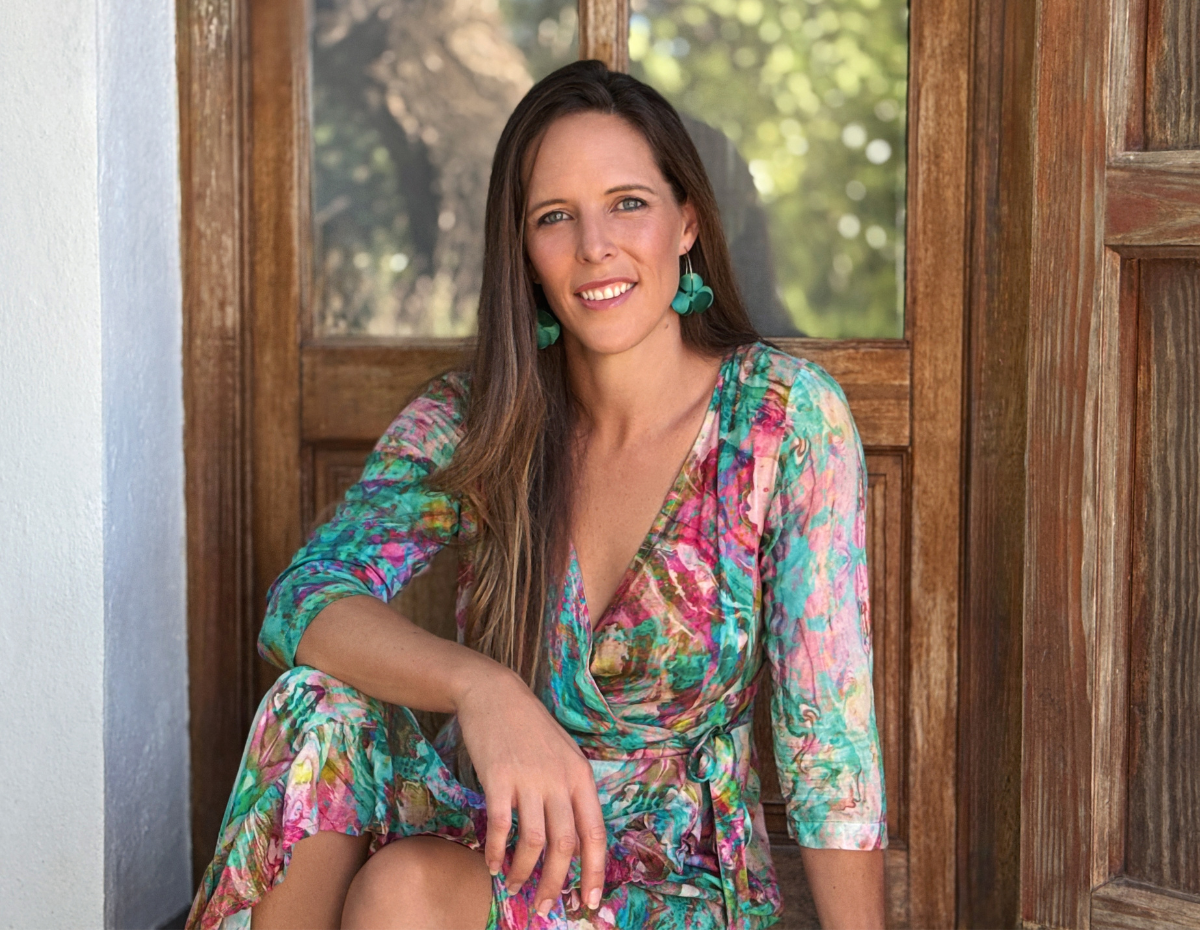
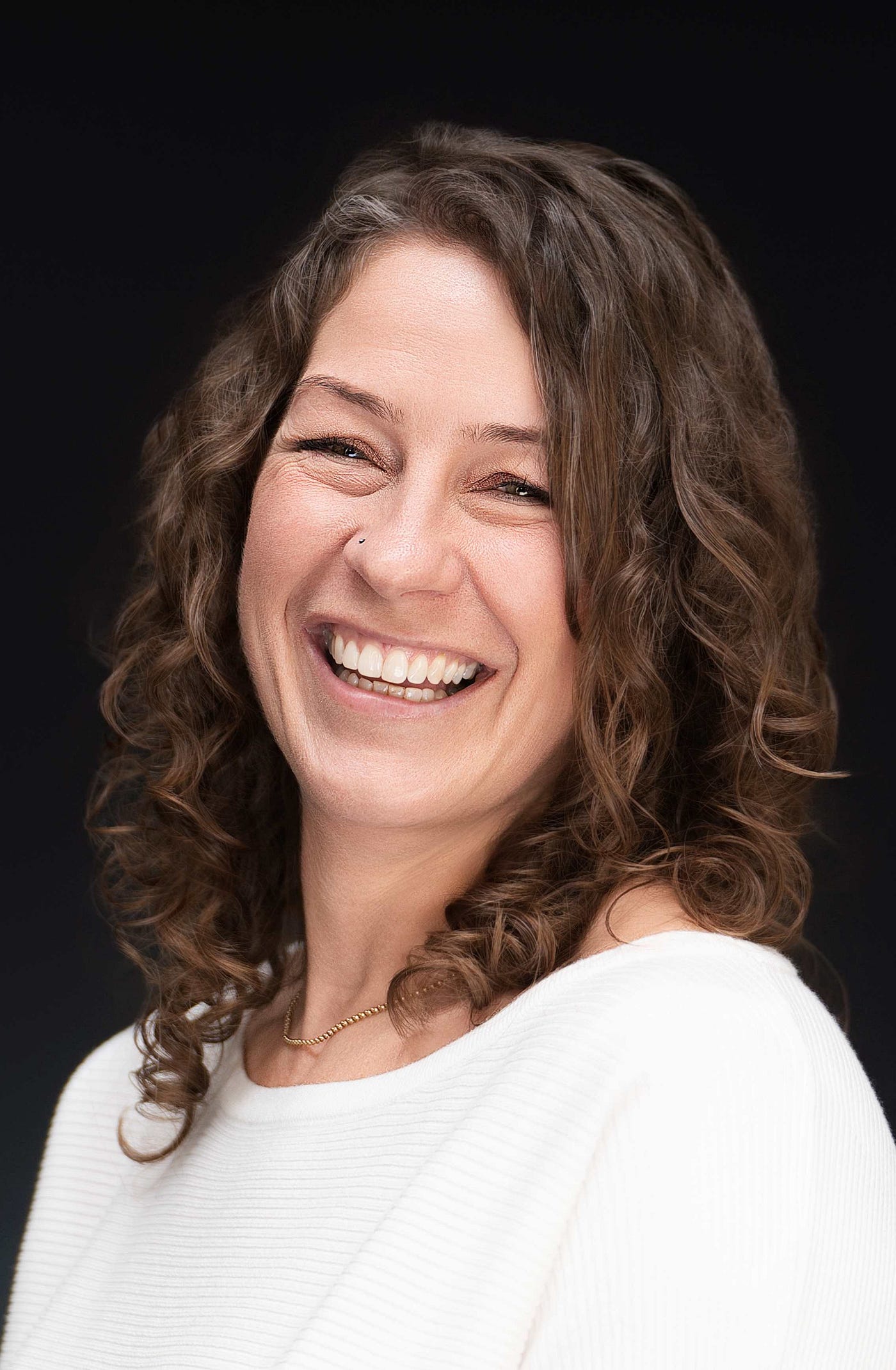
Zoë Thompson is a Leadership Consultant and Executive Coach who spent 20 years in the police, 17 of them in leadership roles, including as Logistics Manager in Major Crime Investigation. She has been coaching, training and consulting leaders independently since 2017, working with leaders and organisations across the UK and EMEA, in the public and private sectors, to develop intentional leadership and build high-performing teams. Zoë is an Accredited Master Coach, Executive Coach and NLP Master Practitioner, and competed in the sport of strongwoman at international level.
Thank you so much for doing this with us! What is your "backstory"?
I joined the police at 18, working on the reception desk at a local police station. I was the first point of contact for victims, witnesses and suspects, dealing with quite literally anything and everything that people brought through the door. By 22 I was a team leader, and a year into that first leadership role my son was born. I became a single parent when he was 6 and raised him on my own whilst building my career.
At 30 I was promoted into a senior management position, Logistics Manager in Major Crime Investigation. I was responsible for a team of 120 police staff and officers across Avon and Somerset and Wiltshire police forces, deploying people to murder and homicide investigations and overseeing recruitment, training, welfare and succession planning for the department. Later I led the training and development review and stakeholder engagement for an operating model change affecting over 2,000 staff, and my final role with the organisation was as the Business Change Manager on multi-million pound technology programmes.
Alongside my contracted roles, I trained as a coach and mentor around 2010 and became a self-development trainer.
Outside of work, in my late 30s, I competed internationally in strongwoman while working full time, single parenting a teenager and building a business. There were plenty of eye rolls and comments about "Zoë doing Zoë things."
It taught me that whilst you can't do it all at once, you can do it all when you're intentional about where your time and energy go.
In 2017 my role was made redundant, and I chose to take the path of self-employment. I've been coaching, training and consulting leaders ever since.
Every one of those chapters demanded that I grow into a new level, and helping leaders do the same is the work I do now.
Can you share the most interesting story that happened to you since you started your career?
As you can imagine, I have a lot of interesting stories from 20 years in the police, and very few of them I can share! One thing that is often of interest to people outside of the police is how differently teams worked from one department to the next.
The police has its own unique culture, and within it every department has its own culture too, its own approach and its own way of doing things. Moving from the in-person enquiry office role to a 24-hour emergency call handling team, then into Major Crime Investigation, I got to experience different team dynamics.
What the best teams had in common, regardless of their roles and responsibilities, was that they were built on trust. You had to do what you said you were going to do, when you said you would do it. Every team was a small cog in a very big wheel, and you had to trust and be trusted to deliver. Across all teams, people were open, transparent and honest with each other, and effective communication mattered.
Teams definitely needed to pull together, play to each other's strengths and lift each other through some really challenging times.
Humour was a big coping mechanism for many, myself included. In some of the toughest moments, it was how people kept going, and it's something I've brought into my coaching.
The lesson for me is that you can't force the dynamics of a team, but you can harness them. Let the characters in each team come through and let the team shape itself organically. The more you create a safe space for people to show up as themselves and work in a way that works best for them, the higher they tend to perform and the more they deliver.
As the leader, you can mould that dynamic. It is important to set your expectations and be very clear on what you encourage and what you discourage. Challenge in a positive way to call people up, and challenge to maintain standards too, especially where banter and behaviour are concerned. In a tough, high-pressure environment, people need to be able to express themselves and deal with things as they need to, and you make sure it all stays professional and appropriate.
Now I give leaders the tools to do that with their own teams.
Can you share a story about the funniest mistake you made when you were first starting? Can you tell us what lesson you learned from that?
When I was first promoted into senior leadership, I went out and bought a brand new outfit: a jacket with shoulder pads, a pencil skirt and heels. That's what I thought I needed to do. I honestly thought that I needed to dress the part, show up in a certain way and behave in a certain way if I was going to be taken seriously, and none of it was authentic to me.
Looking back now, it makes me laugh that I thought I needed to mirror how other senior leaders dressed. At that time there weren’t a huge number of women in senior positions, so I copied what I saw.
I know there are lots of people out there who think the same. They think that because they're now in a particular role, working at a particular level, they need to adapt how they show up, how they behave and how they approach things. It is understandable. We have always been told that the way we look and dress can influence how seriously we are taken, but I would say that experience has taught me that how we behave has a much bigger impact and influence.
I remember a conversation with a mentor who had noticed the changes, and no doubt my discomfort in my outfit too! They looked straight at me and said: "Zoë, you're mirroring instead of modelling. You're trying to be them instead of just being you."
I can remember the conversation so clearly; it really stuck with me.
As time went by and I got more confident and more comfortable working at that level, I found ways to bring myself to work in a way that was more in alignment with the real me, rather than showing up as who I thought I needed to be. The lesson for me is that you don't need to change who you are to lead at a new level. Bring yourself to work, and you’ll create an environment where your team can do the same.
Ok, let's jump to the core of our interview. Most times when people quit their jobs, they actually "quit their managers". What are your thoughts on the best way to retain great talent today?
People leave when they're disengaged, and they leave when they don't feel valued. In my experience, the place where that gets fixed or lost is the one-to-one. You don’t need to scroll online for long to see how many memes, posts and comments there are about ineffective one-to-ones and frustration about how they can be a waste of time.
Most managers have one-to-ones in the diary, but they turn into status updates.
If it's a one-way update, it doesn't need to be in the one-to-one.
This time is their time too.
Gallup's Q12 engagement research includes two questions I'd want every manager to be able to answer yes to on behalf of their team:
In the last six months, has someone at work talked to me about my progress?
Is there someone at work who encourages my development?
There are 3 things every team member needs to know when they leave a one-to-one. That you value them as a person, before any tasks or activities. That their work is valued and feeds into the bigger picture. That there is a development pathway, even when there isn't a promotion available.
I use my KSA Bridge™ here. Using the framework, leaders can ask team members what they want to work on over the next month and what support they need from them, then find the gap: is it knowledge, skills, or the confidence to take action?
This initiates a conversation where the leader can check where the individual wants to go, rather than assume or second-guess where they should be going. Someone being capable of the next step doesn't always mean they want it. This conversation makes sure there is both the will and the skill in place before moving things forward.
How do you synchronize large teams to effectively work together?
In Major Crime Investigation, a major incident could come in at any time, and the first 24 to 48 hours were all hands on deck with people in specialist roles. Everything else had to be paused while they prioritised the initial stages of the investigation. What made that work was everything that happened between incidents.
I'd learned in my first few weeks that my managers and team leaders had the detail and the expertise. They didn't need me to get my hands dirty. They needed me to handle resources, training and performance management, and to remove the distractions so they could focus on the investigation.
About 90% of my role was planned and intentional, and 10% was reactive when it needed to be.
Long-term plan, clear priorities, protected time for those priorities, and clear expectations of who owned what. When the call came to commence an investigation, people knew their role and got on with it. They certainly didn't need me getting in the way; they needed me to clear the way so that they could do what they were there to do.
Large teams work together when the leader builds the structure and the trust before the pressure hits. That's the ‘Structure’ pillar in my PIIPS Framework for Success™ (Plan, Intention, Identity, Performance, Structure).
Here is the main question of our discussion. Based on your personal experience, what are the "5 Things You Need To Know To Successfully Manage a Team". (Please share a story or example for each, Ideally an example from your experience)
Watch my 5 Things video here: https://youtu.be/aVuteAT87kY
1. Stop doing and start leading. The chances are you have been promoted because you're great at getting things done. Great technical skills and great leadership skills are two very different skill sets.
Your team needs you clearing the path so they can do the things that need to be done and perform at a high level. To evolve into leadership, you have to let go of being the one who is great at getting things done.
When I became a team leader in the control room, I was leading people in a role I'd done myself for years. In those early days I was given the nickname "the oracle". I was the person with all the answers and the experience to help with any question or challenge.
Part of me had real professional pride in that nickname, and it definitely stroked my ego to be known as the person in the know. At first it was great having people come to me, but with a room of 50+ call centre operators, you can't have a queue of people at your desk every day, as you would never get anything done. I learned very quickly that giving the answer solved a problem in the moment and created a much bigger problem longer term.
To manage a team, you can no longer see yourself as the person who gets things done. You're the person who builds a team that gets things done. That's the Identity in my PIIPS Framework for Success™.
2. Coach, don't rescue. This leads on nicely from number 1. It's so easy to step in, give the answer and make the decision. This means you are stepping in and rescuing rather than coaching, guiding and supporting.
Ask questions rather than automatically answering.
When they come to you for a decision, teach them how to make the decision themselves.
In the control room, I talked through out loud what I was considering, and what I didn’t think was an option, so they could learn my decision-making process. They could see my workings out: the what, why, when, where, who and how.
When you jump in and rescue, you remove the opportunity for them to enhance their knowledge, learn a new skill or gain the confidence to take action.
A client on my programme was trying to take on a task their team was capable of. They handed it back with some parameters, guidance and support, then stepped back. Their team came back saying, "Look, I've done this."
Your role as a leader is to develop your team. My KSA Bridge™ helps leaders find what's in the gap: knowledge, skills, or the confidence to take consistent action. It also reminds them to help the individual cross the bridge themselves rather than carrying them over the bridge.
3. Build a team that works without you. Too many leaders are at the front and at the centre, and everything coming through them slows things down.
I have a lot of conversations with clients about the difference between ‘want’ to know and ‘need’ to know.
You might want to be involved in everything; however, it is highly unlikely that you have the time and energy to be, and if you are focused on what they are doing, what are you dropping the ball on?
One of my clients was taking on all the actions from meetings because they didn't want to overwhelm their team. It was their manager who pointed it out. When we talked it through, their thinking shifted: those actions were development and learning opportunities for the team. They started delegating the actions as part of their team's ongoing development.
Set direction, communicate clearly. Make decisions and ownership clear: who is accountable, who is responsible, and what needs escalating to you.
Remember, you might want to know, but you probably don't need to know.
4. Protect your strategic time. Leadership needs you looking 360 degrees and far into the future. Think far and wide as if you are standing at the top of the mountain.
I love the pressure and urgency of a crisis, and in the police, the slightest whiff of one would pull me away from the strategic work that needed my focus.
In reality, my teams did not need me to come down the mountain. They had it all under control, and they needed me to be working on the processes, systems and culture that would make their jobs easier to do.
That's why I teach my AAA Time Framework™: ‘Ascend’ time for the strategic work that moves everything forward, ‘Anchor’ time for the recurring tasks and time with your team, and ‘Avoid’ time to reduce, delegate or remove the activities that have a low ROI for your time and energy.
5. Go home on time. A lot of people see long hours as proof of commitment. In my opinion, long hours are proof that everything is coming through you and that ways of working are inefficient and ineffective. It doesn't take long to change. One of my programme clients started out in constant overwhelm. Partway through the programme, they set themselves 3 things to get done each day, got all 3 done and stayed late by only 5 minutes.
This is the difference between reactive leaders who are letting the day rule them, and intentional leaders who are ruling their day. It is the difference between a day by default and a day by design.
My litmus test for a great leader is that they go home on time and can take a week off, zero work, zero stress, zero guilt, because their team is confident and capable without them there. This means they have the people, systems, processes and culture in place that enables high performance in their absence.
What advice would you give to other CEOs or founders to help their employees to thrive?
If your leaders can't take a week off, it's costing you in retention, burnout and capacity. A leader operating reactively creates a reactive culture, because the team takes its lead from them. How they manage their time, their boundaries, and their priorities sets the tone for everyone around them.
You can be a great leader and have a life outside work. Leaders who do both tend to create high-performing teams.
Start with yourself. If you're sending emails at 9pm, your team believes that's what's expected. Go home on time, take your full annual leave, and make it visible. Invest in your managers so they can trust their teams, and their teams can be confident without them.
Just because you can doesn't mean you should.
You are a person of great influence. If you could inspire a movement that would bring the most amount of good to the most amount of people, what would that be? You never know what your idea can trigger. :-)
Leaders going home on time.
I'd love to see a world where the measure of a great leader is that they can switch off, be present with their family, friends and hobbies, and take a full week away without their team falling apart. Work around life, not life around work. It is time to leave the first in, last out, long-hours hustle culture behind. Plenty of leaders already have success that looks good from the outside. I want them to have success that feels as good as it looks.
Can you please give us your favorite "Life Lesson Quote"? Can you share how that was relevant to you in your life?
"It is what it is."
In leadership, there are things we can control, things we can influence, and things we have to work with. As leaders, our circle of influence is bigger than most, and we have a duty of care and a duty of responsibility to take ownership of it. Some things we can move forward, and some things we have to work with what we've got. Knowing the difference saves a lot of energy for what we can change.
I've leaned on it more than once, and never more than in 2017, when I was told my role was being made redundant. I'd been in the police since I was 18, and I hadn't planned on leaving for another couple of years. It came as a complete shock, and the decision wasn't mine to make.
For me, "it is what it is" was what let me take ownership. I got clear on what was in my control, what I could influence and what mattered most, then made the decisions that meant the next step was one I wanted.
It would have been easy to slip into a victim mindset, the feeling that this was all happening to me. I chose to make it work for me instead. Attitude is everything, and opportunities are everywhere. I'd already been exploring starting my own business, so I stepped straight into self-employment and carried on doing the work I loved, on my own terms.
I use the same questions with leaders now when something lands on their desk that they can't change.
What's in your control?
What can you influence?
What matters most?
What do you need to let go of to move forward?
How can our readers further follow your work online?
Everything is at www.zoethompson.uk, including my podcast, ‘The Lightbulb’,and ways to work with me including my online Leadership Community.
Thank you for these great insights, and for the time you spent on this. We wish you continued success.