The executives who thrive care deeply about their people. They celebrate their team’s wins out loud and stick with them as they grow.
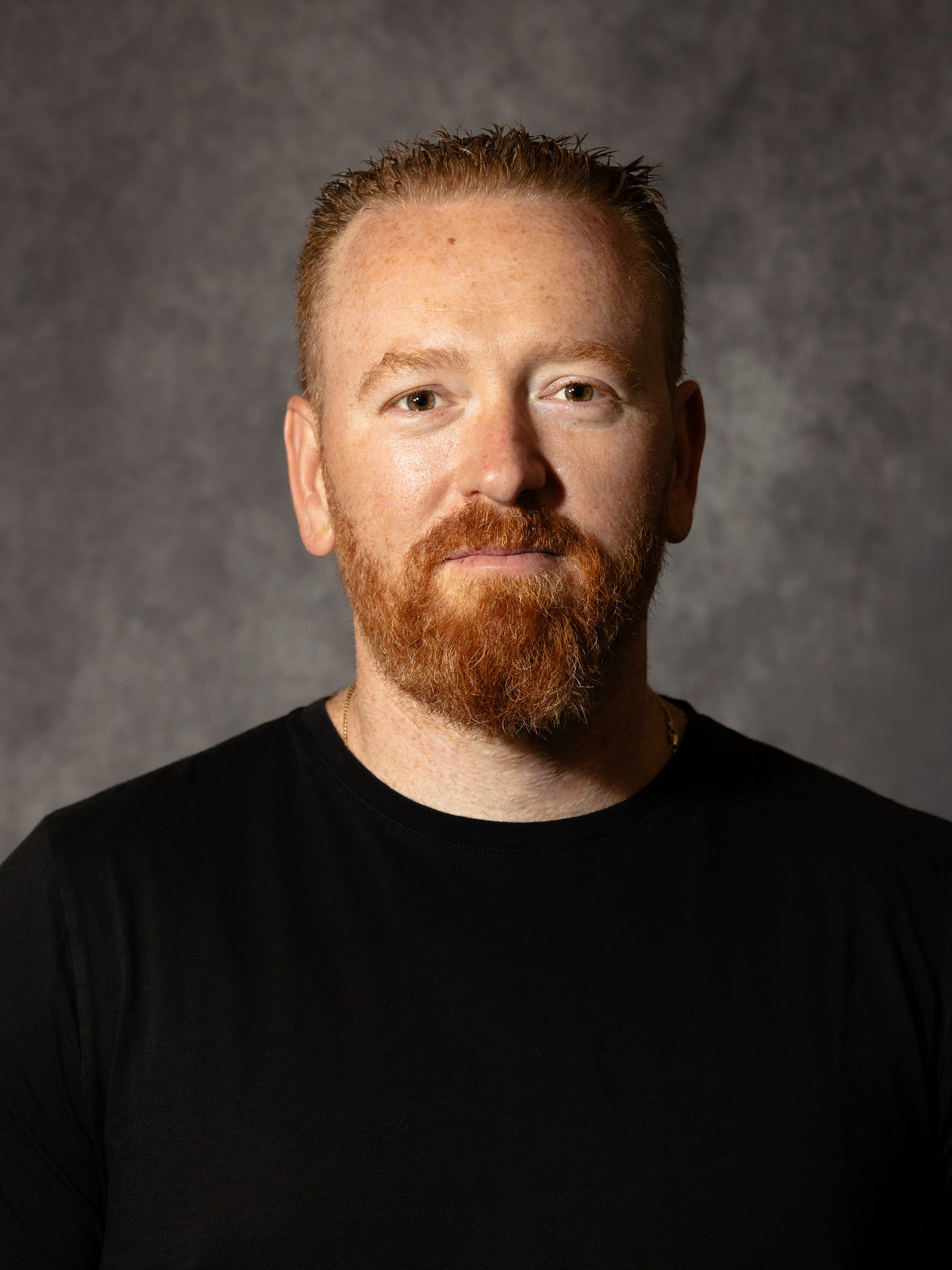
As a part of this series, we had the pleasure to interview Zach Mendelsohn.
Zach Mendelsohn is the entrepreneur and CEO behind a portfolio of companies, including The ART Agency, JusCollege, Surge, and College Weekly, that connect leading Gen Z-focused and celebrity-founded brands with college audiences through ambassador-led marketing, experiential activations, and creator campaigns. Over 14 years, he has built the largest network of college ambassadors in the country: 5,000+ ambassadors and 7,000+ creators across 400+ universities, helping brands like Netflix, Fashion Nova, 818 Tequila, and Khloud Snacks reach the next generation of consumers.
Thank you so much for joining us in this interview series! Before we dig in, our readers would like to get to know you a bit more. Can you tell us a bit about your “backstory”? What led you to this particular career path?
I’m a Southern California kid, and my career started somewhere most CEO stories don’t: nightclubs.
When the financial crisis hit, Las Vegas was one of the hardest-hit cities in the world. Around 2011, we launched a program that bundled discounted packages to get young LA professionals to Vegas and keep its nightlife and entertainment venues full. It worked for about two years. Then Vegas came roaring back and the discounts dried up. But we’d built something more valuable than the deals: a massive pipeline of people who wanted to go to Vegas.
The real turning point came in 2013. A student from USC asked us to plan an event for their organization. We politely told them they probably couldn’t afford us. They came back and said, “Well, we have $60,000 to spend.” That was the moment I realized the college market was a huge, overlooked opportunity.
We went all in on student travel. Today we own two student travel brands, JusCollege and All Roads Travel. Both were built on an ambassador model: we recruit the most influential students on each campus, they build rep teams, and those teams sell our trips. To date, we’ve sold around $500 million in trips and traveled more than a million students, and we’ve become the leading student tour operator in North America.
About four years ago, the marketing world flipped. TikTok exploded, privacy regulation reshaped digital advertising, and the cost of acquiring customers shot up for brands that used to do it cheaply. At the same time, Gen Z became the audience every brand was desperate to reach and understand.
So we asked ourselves: what if we opened up our campus ambassador network to every other industry? That question became The ART Agency. Our first clients weren’t the flashiest, but they fit the college world perfectly. Then we signed 818 as a client, and the business took off.
Today we work with some of the biggest brands in the world, including Amazon, Netflix, Tito’s, RYZE, Fashion Nova, and Happy Dad, plus about two dozen others. We do three things: sampling, experiential, and digital. On the digital side, we have nearly 10,000 student creators in our network producing tens of thousands of pieces of content. We call ourselves the gateway to Gen Z, and college is our launchpad.
Can you share the most interesting story that happened to you since you began leading your company?
In the early days, The ART Agency was winning work with brands that wanted to reach college students, but they weren’t exactly the names we were rushing to put on our pitch deck. Our big break was landing 818 Tequila, and it happened in the most unexpected way.
818 had just hired a marketing coordinator straight out of college. Early in her new job, the team started talking about how to reach legal-drinking-age consumers. She raised her hand. As an undergrad, she’d gone on a trip with one of our student travel brands, and she told them, “You need to talk to these guys. They own that demo.”
That’s the deal: no cold email, no RFP. Just a former traveler who had a great time and remembered who made it happen. Years later we’re still working with 818, and they recently announced they’re the fastest-growing tequila brand in North America and easily the hottest name with legal-drinking-age consumers. The lesson for me? Every customer experience is a sales pitch. Sometimes it just takes a few years to close.
Can you share a story about the funniest mistake you made when you were first starting? Can you tell us what lesson you learned from that?
My funniest mistake was thinking “free” was a growth strategy. Early on, we were desperate to win business and get our name out there, so we kept doing work for free to “show our value.” It backfired every single time. Free work somehow came with the most revisions, the longest email chains, and the fewest thank-yous. I learned fast that if a client isn’t paying for something, they don’t value it.
The lesson isn’t that you should never give anything extra, though. Clients love getting a little more. Now we do it the smart way: we add bonus deliverables on top of paid programs. When we go that route, the client wins every time and so do we.
None of us are able to achieve success without some help along the way. Is there a particular person who you are grateful towards who helped get you to where you are? Can you share a story about that?
Honestly, I can’t pin it on one person. I owe it to a lesson I picked up early in nightlife, usually around 2 a.m.: never burn a bridge, especially one you might need to cross hungover the next morning.
Working in clubs, I met thousands of people from all over the world, plus what felt like half of Los Angeles. A lot of them turned out to be seriously influential. I figured that someday, when I wanted to change careers or chase a new opportunity, these were exactly the people I’d want to be able to call. So I made it my mission to know them outside of the club life.
That meant showing up for the normal stuff: celebrating their big milestones, grabbing dinner, being a real friend and not just “the club guy.” But when they did come out? I made sure it was the best night of their lives. I wanted my name to instantly bring back a great memory, ideally one they could only half remember and would never forget.
Did that come with a lot of hangovers? Absolutely. But it turns out those hangovers were my first real investment strategy, and they’ve paid out better than most.
Leadership often entails making difficult decisions or hard choices between two apparently good paths. Can you share a story with us about a hard decision or choice you had to make as a leader?
If you’re in charge, tough calls are basically your morning coffee. Almost every day you’re choosing between two paths that both look great on paper, and you only get to pick one.
One of our core values at The ART Agency is simple: practice good business. It sounds obvious, but in the services world, competitors are constantly trying to one-up each other, and they’ll throw around their brand name or bigger budgets to steal you away from a rival.
We’d been working with 818 for a couple of years when a much larger tequila company came knocking. They had ten times the assets, far deeper pockets, and a list of perks that would make any agency owner weak in the knees. On paper, it was a no-brainer.
But 818 took a chance on us early, back when we were still proving ourselves, and they’d been an incredible partner ever since. Don’t get me wrong. When you’re the one staring at cash flow, overhead, and the real cost of building a great culture, big dollars are hard to say no to. Every instinct tells you to take the money.
We stayed loyal anyway. And it’s paid off in a big way. 818 keeps sending us incredible referrals, and they were recently announced as the fastest-growing tequila brand in the US. Turns out loyalty pairs really well with tequila.
Ok, thank you for that. Let’s now jump to the primary focus of our interview. Most of our readers — in fact, most people — think they have a pretty good idea of what a CEO or executive does. But in just a few words can you explain what an executive does that is different from the responsibilities of the other leaders?
A CEO sets the standard, and I mean that literally. I never ask anyone to work harder than I do. Nothing kills a team’s respect faster than a boss who seems to just disappear, so I make sure they see me in the trenches every day.
There’s no job at our company I won’t do. Admin work, picking up the phone to source vendors, getting on with disgruntled clients, supporting team members through tough personal life situations, a brutal client call: if it needs handling, I’m in. And my door isn’t only open to my managers. Anyone in the company should feel they can reach the person at the top.
The part people don’t see is that you’re doing your own job while building the foundation everyone else works on. That means backing your managers and creating the systems and processes that let your team win. The short version? You wear every hat, and sometimes you’re also the guy holding the mop.
What are the “myths” that you would like to dispel about being a CEO or executive? Can you explain what you mean?
Where do I even start? The big one is that being at the top means you get to cruise. People picture the big office, 3 hour lunches and a golf habit. In reality, if you want to be a CEO your team actually respects, the job costs you a lot, at work and at home.
For me, family comes first. Being a great husband and dad is the job that matters most. But work and family don’t run on the same calendar, so you’ll sometimes let down your spouse and kids. Nobody puts that in the job description, and honestly, it hurts.
The other myth is that it’s all about profit. An employee has a job, and when it’s done, it’s done. As CEO, the job is never done, because you’re also responsible for the kind of life your team can build. That’s why pushing the business to new highs every year isn’t about ego. It’s how we make sure the people who bet on us keep growing with us.
What is the most striking difference between your actual job and how you thought the job would be?
When someone asks me what I do, I tell them, “I sell smiles for a living.” Creating fun, unforgettable experiences and pitching wild creative ideas to brand leaders is what gets me out of bed. It’s the dream part of the job: walking into a room with a concept and watching people light up as they picture thousands of college students losing their minds over it.
Here’s the twist nobody warned me about. The dream part takes up maybe 30% of my time. The other 70% is everything it takes to keep a business running: finance, hiring, legal, operations, putting out fires, and a constant stream of decisions that never make it onto anyone’s Instagram. My weekdays run 12-plus hours, my weekends usually come with a few “quick” calls, and my brain never really clocks out. I’ve accepted that I’ll come up with my best idea in the shower and then spend the rest of the day figuring out how to pay for it.
You set out to do the thing you love. What you learn is that protecting the time to do it is a full-time job of its own. And honestly? I wouldn’t trade it. That 30% is worth every minute of the other 70%.
Do you think everyone is cut out to be an executive? In your opinion, which specific traits increase the likelihood that a person will be a successful executive, and what type of person should avoid aspiring to be an executive? Can you explain what you mean?
Hell no! Unless you’re aiming to be a dictator who doesn’t care about anyone, in which case, good luck with that.
Being an executive means putting other people ahead of yourself. If you treat work like “The Me Show,” your days are numbered. Think of it this way: if you want a sport where it’s all about you, take up golf. If you want to run a team, you have to pass the ball.
The executives who thrive care deeply about their people. They celebrate their team’s wins out loud and stick with them as they grow. No great company is built by one person. It’s built by everyone’s contributions added together.
The real test is whether you’re developing your leaders, and then helping them develop the people who report to them. If you’re not, one of two things is happening: you’re running an inefficient business, or you’re slowly running it into the ground. So who should steer clear? Anyone who’d rather be the star than the coach.
What advice would you give to other business leaders to help create a fantastic work culture? Can you share a story or an example?
“Culture” is a loaded word, and there are a million ways to build a great one. If I had to boil it down to a handful, these are the ones I’d pick:
- Be transparent. People can handle the truth, but they can’t handle feeling left in the dark.
- Encourage radical candor. Honest feedback, delivered with care, beats polite silence every time.
- Show you care about their well-being, and do it for real, not as a slide in the onboarding deck.
- Get together outside the conference room, with outings and experiences your team would never have done on their own.
- Live by “if the company wins, the team wins.” Leadership should never be the only ones winning.
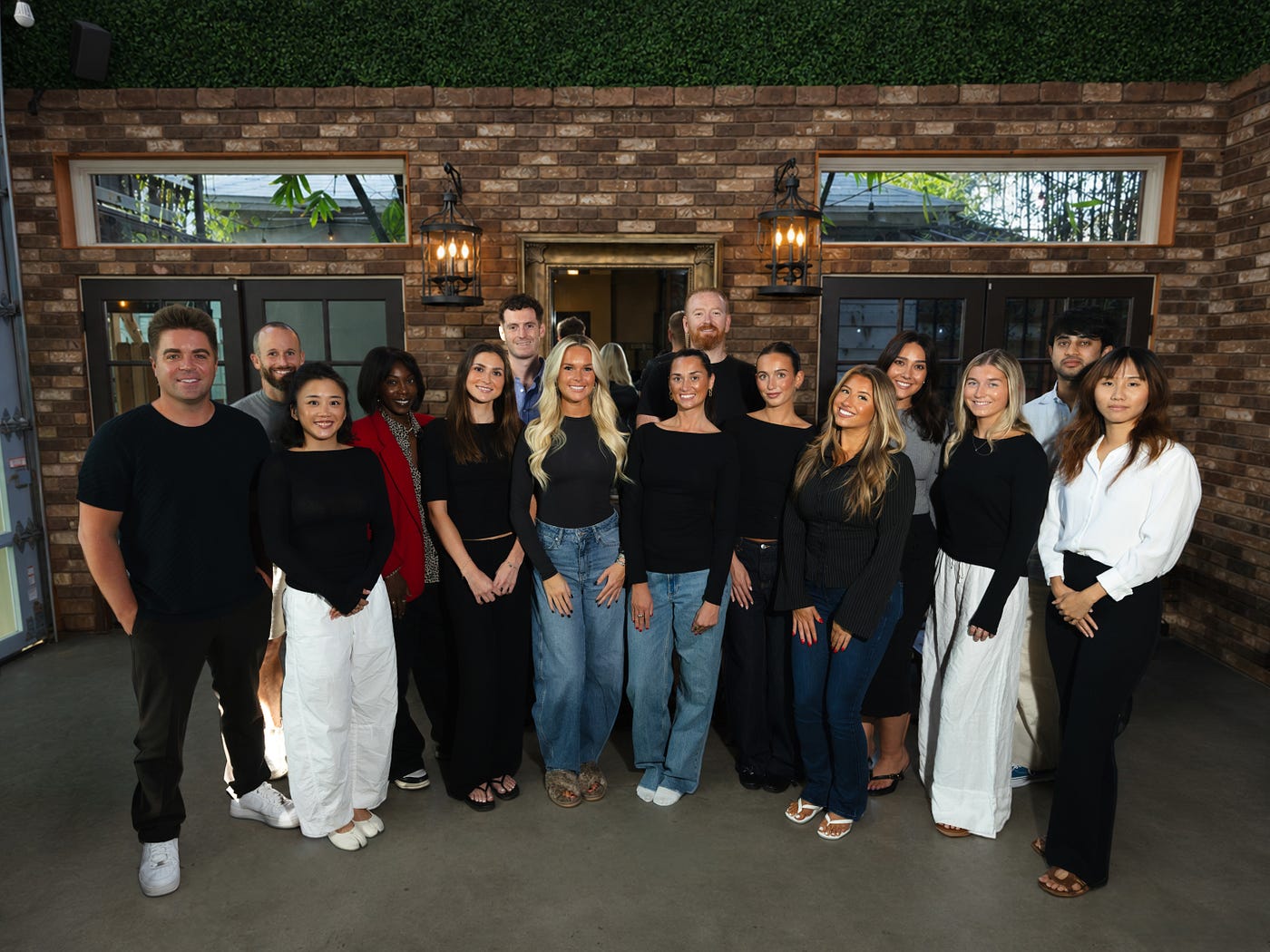
At The ART Agency, our secret weapon is retreats. We do four a year, each in a different place, built around new cultures, fun activities, and time to actually get to know each other. It’s a lot harder to fight with someone you just did something unforgettable with. So far we’ve taken the team to San Diego, Austin, Chicago, West Palm Beach, Todos Santos, Sayulita, and this year, Puerto Rico.
One tip: don’t make it all about drinking. Mix in wellness, real adventures, and a healthy dose of team humor. Our rookie talent show is a highlight, and some of those performances will haunt people forever.
How have you used your success to make the world a better place?
Trust me, nobody’s confusing me with Mother Teresa. But I try to make a positive impact wherever I can.
Our clients are brands, but the people we really serve are college students. I still remember being 18, along with every mistake I’ve made since then (and there are plenty). So I block time on my calendar to connect with our ambassadors and creators. I coach them through career and life questions, I’m honest about where I messed up, and I act as a neutral sounding board when they want straight feedback without any agenda.
I’m a huge believer in capitalism, and talking with young entrepreneurs and ambitious students is one of my favorite ways to show why it works. I’m just as clear about the flip side: greed, bad business, and cutting corners always catch up with you. I’m not there to tell anyone how to live. I share real stories about founders and companies, the good and the ugly, so they can make smarter calls than I did at their age.
Fantastic. Here is the primary question of our interview. What are your “Five Things I Wish Someone Told Me Before I Became A CEO” and why? (Please share a story or example for each.)
- You’ll take risks you never imagined. I’ll never forget calling my wife, a few years after we bought our dream house, to tell her I needed to put it up as collateral to get the business off the ground. That’s a fun phone call, let me tell you. So here’s some life advice: marry someone who believes in you. When you start a company, your spouse starts it too, whether they signed up for it or not.
2. Whatever you think “working hard” means, multiply it by 10. My calendar looks like Armageddon every single day. Back-to-back calls, pitches, fires, more calls. If you were hoping for a lighter workload once you’re the boss, I have bad news.
3. Build your company like you’re trying to win the Super Bowl. If you owned an NFL team, you wouldn’t hope for a ring. You’d stack the bench and invest in great coaches. Business works the same way. Strong talent plus strong leadership plus shared incentives wins. At our company, everyone earns a bonus based on their own performance, and everyone is also an equity holder. To win on both fronts, you have to perform and so does the team.
4. Don’t expect to get rich quick, because what comes fast usually leaves fast. Institutions aren’t built overnight. Put your head down, stay focused, and it pays off. And don’t be a Blockbuster. Keep innovating, because nothing stays the same forever, including whatever’s working for you right now.
5. Invest in yourself relentlessly. That means time with family and friends, eating right, working out, always learning, and remembering you only live once, so build a life you actually enjoy. Even though it feels like I’m always working, I still make time for a couple of trips a year with family and friends. The business needs a CEO who isn’t running on fumes.
You are a person of great influence. If you could inspire a movement that would bring the most amount of good for the greatest number of people, what would that be? You never know what your idea can trigger.
Almost my whole career has been about bringing people together for a good time and connecting them with exciting brands and experiences. Basically, I’m the sworn enemy of the fun police. What’s always bothered me is how much hate there is in the world. So my movement would bring people from completely different backgrounds together around shared experiences: music, live events, travel, solving a problem side by side, or just a great meal. It’s hard to hate someone you’ve danced next to at a concert or split a plate of tacos with. The more divided we are, the weaker we are as a global society, and the more we share, the stronger we get.
Can you please give us your favorite “Life Lesson Quote”? Can you share how that was relevant to you in your life?
Gandhi said it best “Learn as if you will live forever, live as if you will die tomorrow.” When I was young, I had a health scare that completely rewired my brain, and I mean that literally. It gave me a whole new appreciation for enjoying life and living it to the fullest. But YOLO on its own isn’t a life plan. You also have to keep learning and getting better. Live like there’s no tomorrow, learn like there’s no finish line.
We are very blessed that some very prominent names in Business, VC funding, Sports, and Entertainment read this column. Is there a person in the world, or in the US with whom you would love to have a private breakfast or lunch with, and why? He or she might just see this if we tag them.
Houston, we have a problem. Most of the people I’d want to have breakfast with are no longer with us. As for the legends who are still around, I’ll keep catching you on podcasts until you’re ready for eggs.
Seriously though, I can’t pick just one. There are too many people doing incredible work. So here’s my open invitation: if you made it this far and liked what you read, let’s grab breakfast or lunch. I’ll bring all the stories that were too wild to print.
Thank you so much for the time. This was very inspiring.
About The Interviewer: Tavares Beverly ( www.tavaresbeverly.com ) is the Founder and CEO of Beverly Boy Productions, a national video production company that has helped organizations tell their stories through video for more than two decades. Over the course of his career, he has worked with everyone from Fortune 500 executives and healthcare professionals to politicians, nonprofit leaders, educators, and artists, gaining a unique perspective on the role communication plays in leadership, business, and human connection. A frequent contributor on topics including communication, entrepreneurship, leadership, and personal development, Tavares believes that the ability to communicate effectively is one of the most valuable skills a person can develop. His work is driven by a passion for helping organizations connect with their audiences and helping individuals unlock their potential through mentorship, perseverance, and meaningful relationships. To learn more, connect with Tavares on LinkedIn or visit www.BeverlyBoy.com . If you’re interested in using the power of storytelling and communication to grow your organization, strengthen your brand, or inspire your audience, he welcomes the opportunity to connect.