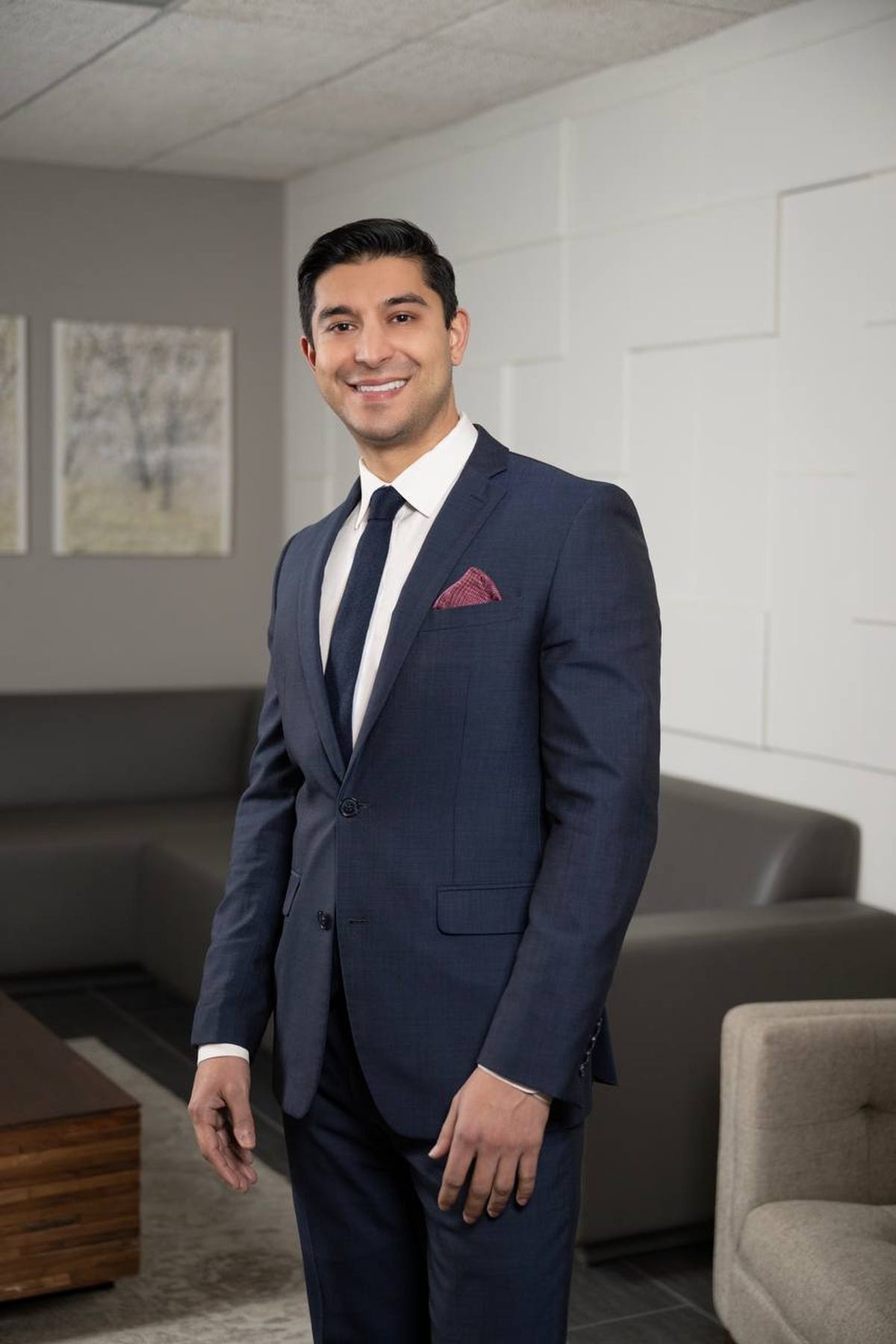
Early in training I focused almost entirely on technique. Now I know judgment decides the outcome before I ever pick up a scalpel.
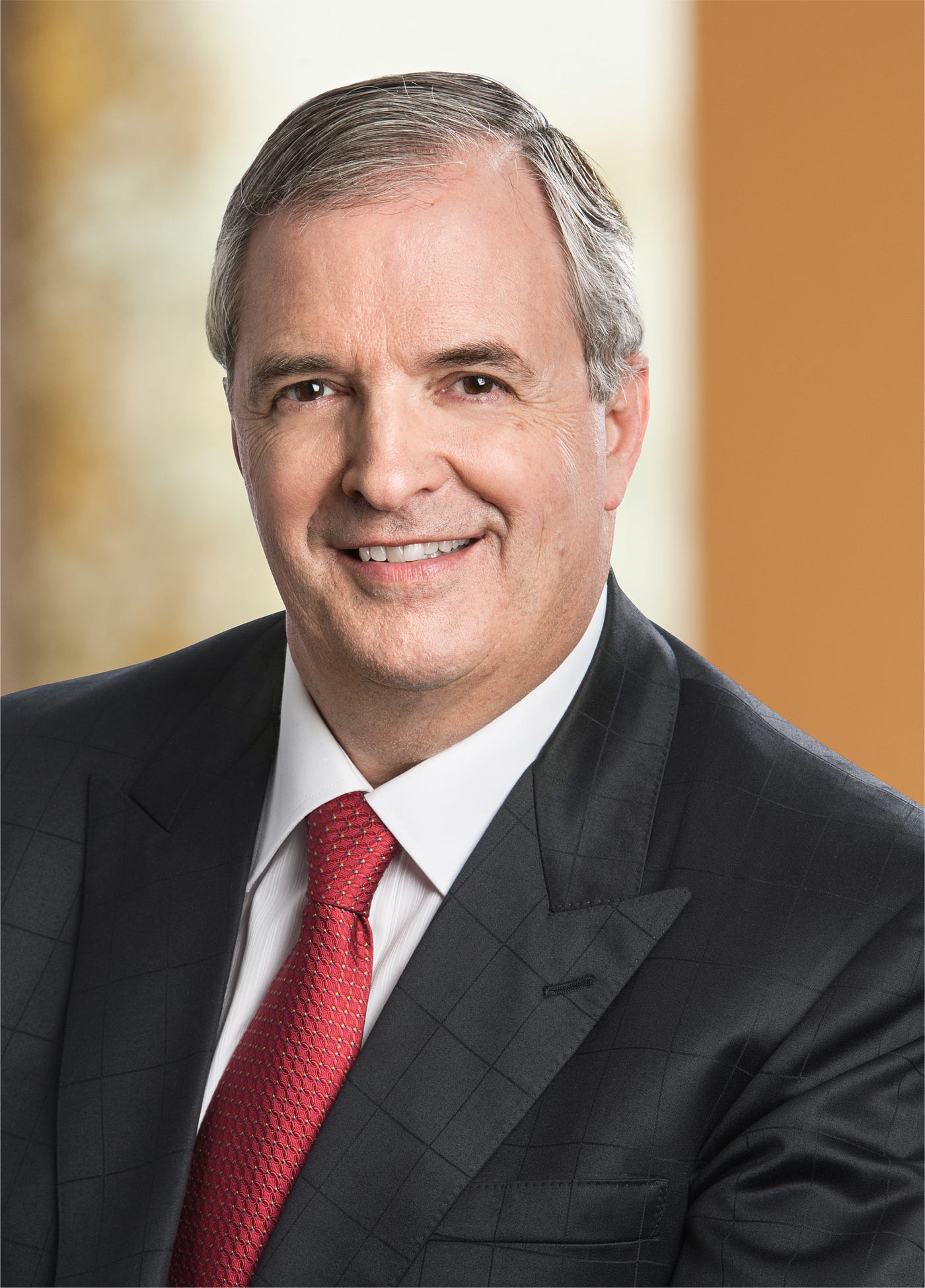
As a part of this series, we had the pleasure to interview Vickram Tandon.
Vickram Tandon, MD, FACS, is a board-certified plastic surgeon in Boston, MA specializing in aesthetic surgery of the face, breast, and body. He completed his rigorous Plastic and Reconstructive Surgery Residency at the University of Michigan followed by advanced fellowship training in Aesthetic Surgery through Harvard Plastic Surgery. Throughout his career, he has remained actively involved in academic medicine, research, teaching, and surgical education. His approach to plastic surgery combines a detailed understanding of anatomy with meticulous surgical technique and an emphasis on individualized, natural-looking results. Whether he’s performing facial rejuvenation, breast surgery, or body contouring, his goal is never to impose the same aesthetic on every patient. He wants to understand the individual in front of him and creates a surgical plan that respects that person’s anatomy, lifestyle, goals, and identity.
Thank you so much for joining us in this interview series! What is your “backstory”? What led you to this very interesting career?
I actually finished my undergraduate studies at the University of California, Berkeley without the intent to pursue medicine. After graduating, I became involved in Patient Care Advocacy at the University of California, San Francisco (UCSF) where I joined women throughout the entirety of their breast cancer journey — from diagnosis through cancer surgery and chemotherapy to reconstruction. I attend clinic visits with them and help them parse through the complex decisions involved following this diagnosis. This experience completely changed the direction of my career. I applied to medical school with the intent of helping women on their breast cancer journeys and the reconstructive component remains a core part of the treatment paradigm.
Working with women who had undergone treatment for breast cancer gave me an entirely different understanding of what plastic surgery could mean for a patient. Reconstruction was not simply about restoring anatomy after a mastectomy. I saw firsthand how surgery could become part of helping a woman regain a sense of herself after going through an incredibly difficult chapter of her life.
That experience had a profound impact on me and ultimately fueled my passion for plastic and reconstructive surgery.
I became fascinated by the combination of medicine, anatomy, technical precision, creativity, and problem solving that the specialty required. At the same time, there was an meaningful human component. I could use those technical skills to restore something that had been altered by cancer, trauma, congenital differences, pregnancy, aging, or other circumstances.
I ultimately completed my plastic and reconstructive surgery residency at the top-ranked University of Michigan and then pursued additional fellowship training in aesthetic surgery through Harvard Plastic Surgery.
Although much of my practice today focuses on aesthetic surgery of the face, breast, and body, my early exposure to breast reconstruction continues to influence the way I approach cosmetic surgery. It taught me that plastic surgery is not simply about changing someone’s appearance. It is about understanding the individual in front of me, listening to what matters to them, and determining how I can use surgery thoughtfully to help them feel more comfortable and confident while still looking like themselves.
Can you share the most interesting story that happened to you since you started your career?
The part of this job that still makes my day is getting to follow patients for years. I’ve operated on women who later met their partners, got engaged, got married, had kids, and then came back to me for a mommy makeover. Technically, my focus is anatomy. But what patients talk about afterward is confidence: in their skin, in how they carry themselves. Watching that play out across someone’s life is what makes this work meaningful.
Can you share a story about the funniest mistake you made when you were first starting? Can you tell us what lesson you learned from that?
Early in practice, I walked into a facial rejuvenation consult and found two women waiting: a young woman in the exam chair and an older woman in the side chair. I introduced myself to the one in the exam chair, looked at her face for a moment, and told her, very sincerely, that she didn’t need surgery.
There was a pause. Then she pointed across the room and said, “Actually, she’s the patient.” It was her mom.
Her mom started laughing. She told me she’d wanted to see whether I’d recommend surgery for her daughter, as a way of gauging how honest I was. Since then, I’ve made it a point to always introduce myself to everyone in the room and ensure that it is safe to speak freely before starting any consultation.
Are you working on any new or exciting projects now?
Most of my current work comes down to one idea: fitting the operation to the patient, not the other way around.
In the face, that means the deep plane facelift. Instead of pulling skin tight, I release the retaining ligaments and reposition the deeper tissues as a unit, so the skin isn’t under tension. She looks like a rested version of herself, not like she had a facelift, and her expressions still move the way they should. I’ve written about a novel facelift technique for academic textbooks and served as an associate editor on a textbook on neck rejuvenation, and I’m still refining my approach.
In the breast, I’m seeing a clear shift away from “bigger is better.” You’ll hear the term “ballerina breast” for a smaller, proportional shape that suits an athletic frame. My patients tend to be fit, active women, and their breasts should complement their physique rather than dominate it. A lot of my augmentation work now is Preservé by Motiva, a minimally invasive approach that uses a smaller incision and preserves more of the patient’s own tissue.
The same thinking applies to the mommy makeover, which I don’t treat as a package. Pregnancy changes every woman’s body differently. One patient mostly needs a tummy tuck and muscle repair, another needs a breast lift, and another needs liposuction to restore her shape. I build the plan around what her body actually needs.
None of us are able to achieve success without some help along the way. Is there a particular person who you are grateful towards who helped get you to where you are? Can you share a story about that?
A person I’m quite grateful to is Dr. Leonard Miller, who recruited me out of my Harvard fellowship to join him in practice.
What I respect most about him is how he thinks about the long game. Since joining him, I’ve met hundreds of patients he’s cared for over 10, 20, even 30 years. They look great. They don’t look surgical. They’ve aged gracefully and elegantly, and you’d never guess how much thought went into getting them there.
Working alongside him changed how I approach every consultation. The decisions I make with a patient today have to hold up for decades, because in many cases I’ll still be her surgeon then. That’s a big part of why I push toward natural results. We’re building something together that has to age well.
Is there a particular book that made an impact on you? Can you share a story?
The book that’s stuck with me most is Unreasonable Hospitality by Will Guidara, who ran Eleven Madison Park when it was named the best restaurant in the world. His central idea is that service is the technical part, like getting the right dish to the right table, while hospitality is how you make someone feel. Surgery works the same way: the operation is the service, but patients remember whether they felt listened to, cared for, and never rushed, and the book’s anecdotes are a reminder that taking care of people is a privilege.
Can you please give us your favorite “Life Lesson Quote”? Can you share a story about how that was relevant to you in your own life?
A surgeon I trained under at the University of Michigan once told me: “Be fast, be good, be perfect.” Fast doesn’t mean rushed. It means knowing an operation so well that there’s no wasted motion, which keeps anesthesia time down and makes surgery safer. Good is the baseline every patient deserves. Perfect is the standard I hold myself to in the operating room, even though I’d never promise it to a patient, because bodies heal in their own way. What technical precision does is give every patient the best possible start to their recovery.
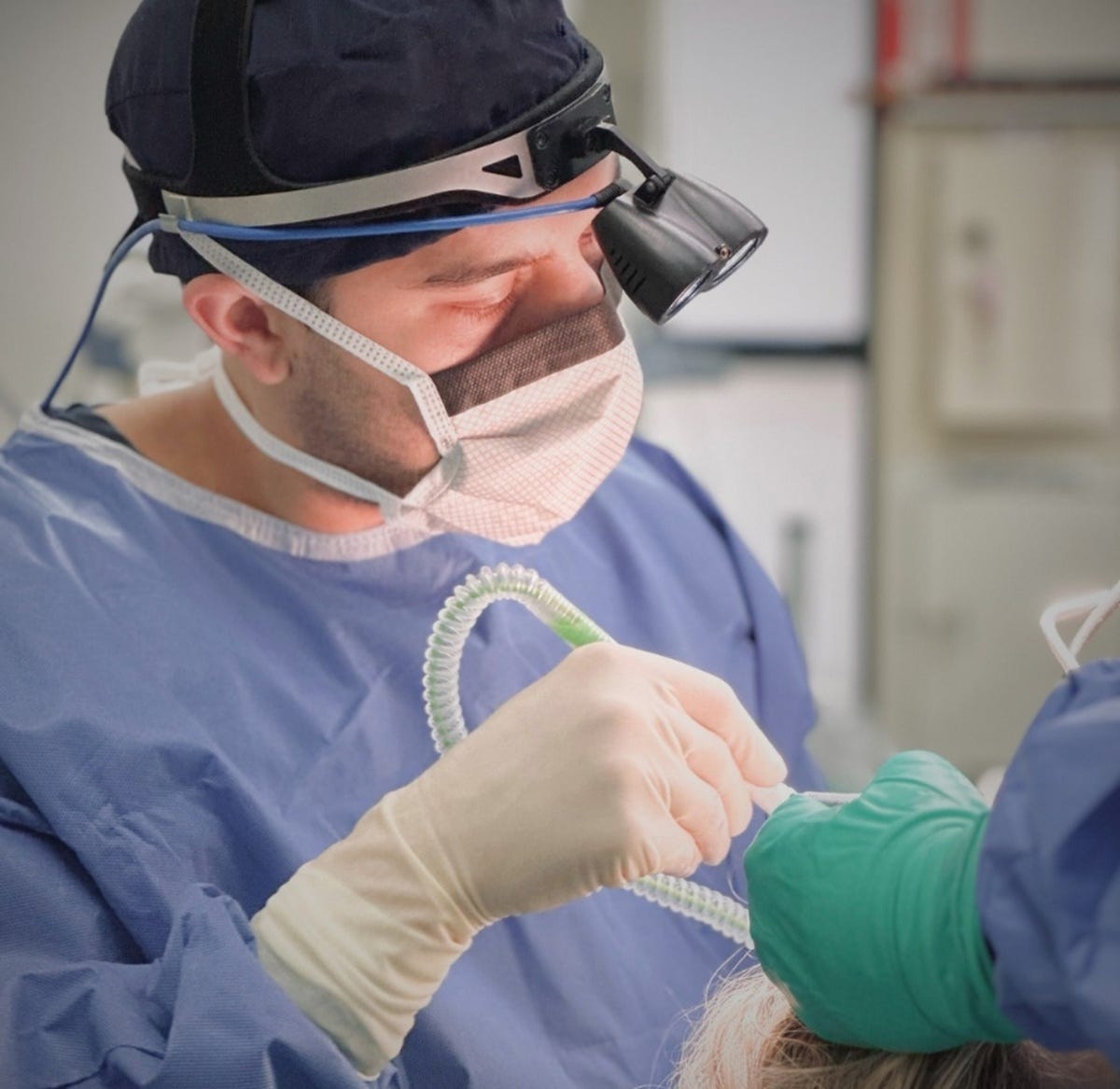
What are your “5 Things You Need To Create A Successful Career As A Plastic Surgeon” and why?
1. Develop judgment, not just technical skill.
Technique is only part of the job. The harder skill is knowing which operation fits which patient, and recognizing when surgery isn’t the answer at all. Early in training I focused almost entirely on technique. Now I know judgment decides the outcome before I ever pick up a scalpel. I’ve turned down patients when I didn’t believe surgery would get them what they actually wanted. My job isn’t to perform every procedure someone asks for. It’s to make the recommendation that’s genuinely in their best interest. I had a woman in her 20’s asking for a facelift because she felt she was aging too rapidly. What she really needed was a conservative dose of neurotoxin every 6 months and initiation of a skincare regimen. She has come back for neurotoxin every 6 months and sees our aesthetician regularly and is so confident in her own skin now.
2. Never stop learning.
Plastic surgery doesn’t stand still. Techniques improve, technology changes, and our understanding of anatomy keeps getting more sophisticated. Publishing, teaching, and presenting keep me honest about why I do something, instead of just repeating what I was taught. The day I think I’ve learned enough is the day I should be worried.
3. Protect the doctor-patient relationship.
Trust is everything in this specialty. Patients tell me things they haven’t told anyone else, and they’re asking me to change something about their body that may have bothered them for years. That only works if I listen first and talk surgery second. Sometimes the most important thing I do in a consult is explain what I won’t recommend. A plastic surgery consultation should never feel like a sales pitch. I’m a physician first, and my recommendation has to be based on what I can safely and realistically deliver.
4. Preserve the patient’s identity.
The best plastic surgery shouldn’t announce itself. I want people to look at my patients and think refreshed, healthy, rested, not “they had work done.” That matters most in facial rejuvenation, where every face has features that make someone recognizable. Good surgery respects those features instead of erasing them. The same principle applies in breast and body work. I’m not chasing one look for every patient. The result has to make sense for that person’s anatomy and goals. I recently had a facelift and eyelid rejuvenation surgical patient say her friends thought she “looks so relaxed” ever since her vacation. For many patients, that’s exactly what I want them to feel.
5. Build your career around integrity, not volume.
A reputation in medicine takes years to build. Long-term success comes from doing the right thing consistently, including the times a patient will never know I made that choice. That means being honest about risk, setting realistic expectations, taking complications seriously, and never letting business get in front of medical judgment. Aesthetic surgery is still medicine, and that distinction matters more now that cosmetic treatment has become so commercialized. I have most of my patients get pre-operative labs, an EKG, and I want to view their most recent primary care note before they schedule surgery. It’s not infrequent that I will delay surgery over an aberrant lab value or an EKG that requires further workup. I tell my patients that this is elective surgery, so whether we do it in August, November, or the following January does not matter so long as when we do it your health is optimized.
What are the “myths” that you would like to dispel about being a plastic surgeon? Can you explain what you mean?
One of the biggest misconceptions is that plastic surgery is primarily about vanity.
My own introduction to the specialty through breast cancer reconstruction showed me very early how incomplete that perception is.
Plastic surgery can involve reconstruction following cancer, trauma, congenital differences, and many other medical conditions. Even within aesthetic surgery, patients pursue procedures for extraordinarily personal reasons.
A woman may want to restore changes to her breasts or abdomen after pregnancy. Someone may have spent decades uncomfortable with a particular facial feature. Another patient may feel healthy and energetic but believe the aging they see in the mirror no longer reflects how they feel.
Another misconception is that being a successful plastic surgeon means giving patients whatever they request. I believe the opposite is true.
Some of the most important decisions I make involve saying no, recommending something more conservative, or explaining that a procedure will not achieve what the patient expects.
There is also a misconception that excellent plastic surgery needs to be overdone or dramatic. I believe some of the most sophisticated plastic surgery is the surgery other people cannot identify.
If you could start a movement that would bring the most amount of wellness to the most amount of people, what would that be?
I would like to see people develop a healthier relationship with appearance, one that allows someone to care about how they look without allowing appearance to determine their worth.
We live in an era of filters, editing, social media comparison, and exposure to increasingly unrealistic standards. As a plastic surgeon, I see firsthand how those influences can affect someone’s perception of their own face or body.
Aesthetic medicine can be positive when it is grounded in realistic expectations and personal choice.
The goal should never be perfection because perfection does not exist.
I would like to see our culture move toward celebrating individuality and helping people become the healthiest and most confident version of themselves rather than encouraging everyone to pursue the same face, body, or definition of beauty.
Some of the most valuable ideas in medicine can come from looking outside medicine. Whether someone is an entrepreneur, athlete, scientist, artist, or leader, I would want to understand what allowed that person to continue evolving after they had already achieved success.
We are very blessed that some of the biggest names in Business, VC funding, Sports, and Entertainment read this column. Is there a person in the world, or in the US whom you would love to have a private breakfast or lunch with, and why? He or she might just see this if we tag them :-)
There isn’t one person in particular. I’m drawn to people who live with purpose, who are honest with themselves and the people around them, and who keep pushing to get better long after they’ve already succeeded. Whoever it was, I’d want to ask them one question: what do you keep working on when you no longer have anything to prove?
What is the best way our readers can follow you online?
The best way to follow my work is through my website (www.doctortandon.com) and social media (Instagram and Tik Tok @doctor.tandon), where I share information about facial rejuvenation, breast surgery, body contouring, surgical education, and my approach to creating individualized, natural-looking results.
I also use these platforms to educate patients about what different procedures can and cannot accomplish. I think education is so important in aesthetic medicine because an informed patient is better equipped to make thoughtful decisions about their care.
Thank you for the opportunity to share my story and some of the lessons I have learned throughout my career.