People have this fear that if they say the word “death,” it’ll appear, like saying Bloody Mary in the mirror as a kid. When this fear of manifestation comes up I tell them, “If I was going to manifest my own death, that would have happened years ago. Let me be your example.”
The world seems to be reeling from one crisis to another. We’ve experienced a global pandemic, economic uncertainty, political and social turmoil. Then there are personal traumas that people are dealing with, such as the loss of a loved one, health issues, unemployment, divorce or the loss of a job. Coping with change can be traumatic as it often affects every part of our lives. How do you deal with loss or change in your life? What coping strategies can you use? Do you ignore them and just push through, or do you use specific techniques? As a part of our series, we had the pleasure of interviewing Kimberly Rich.
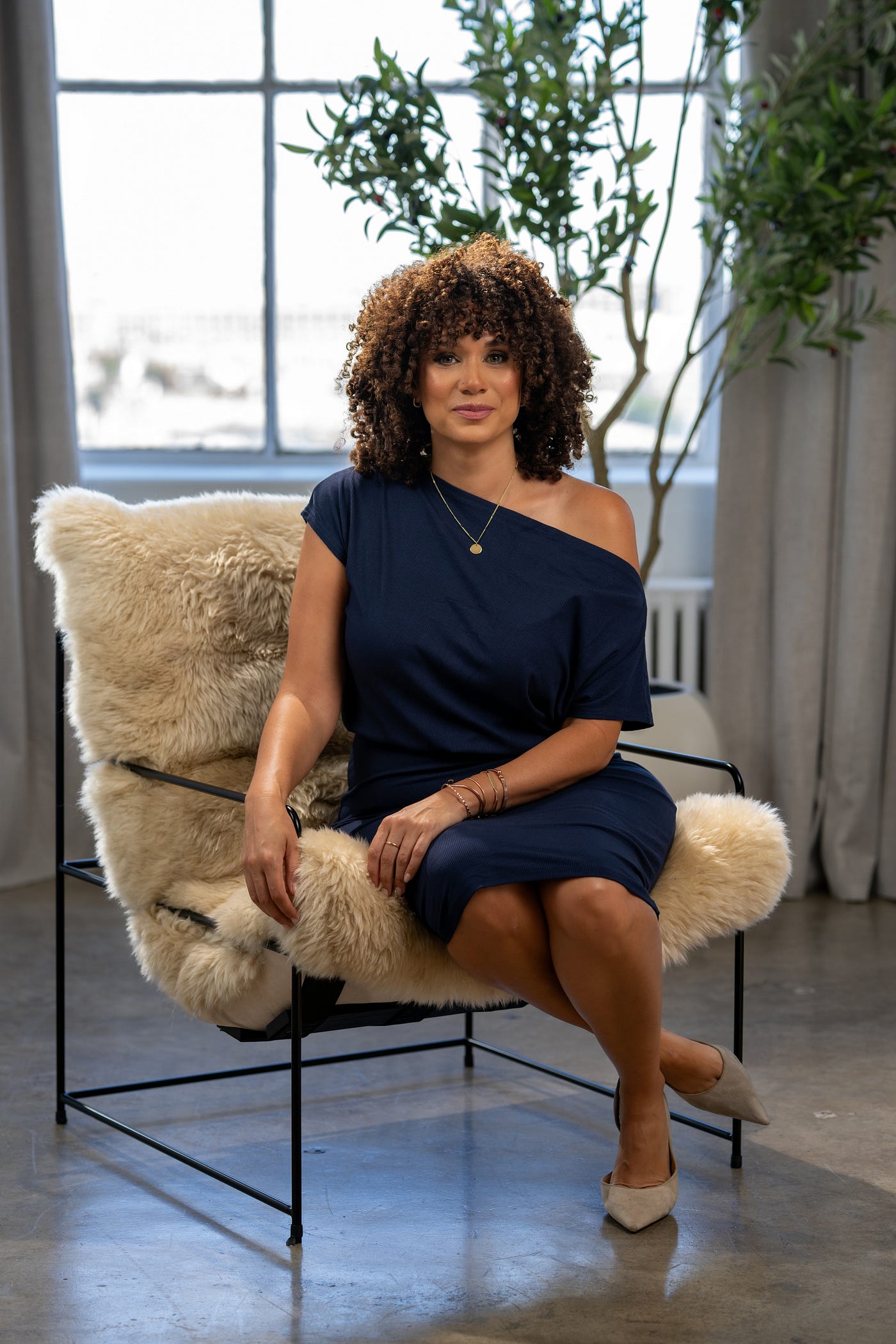
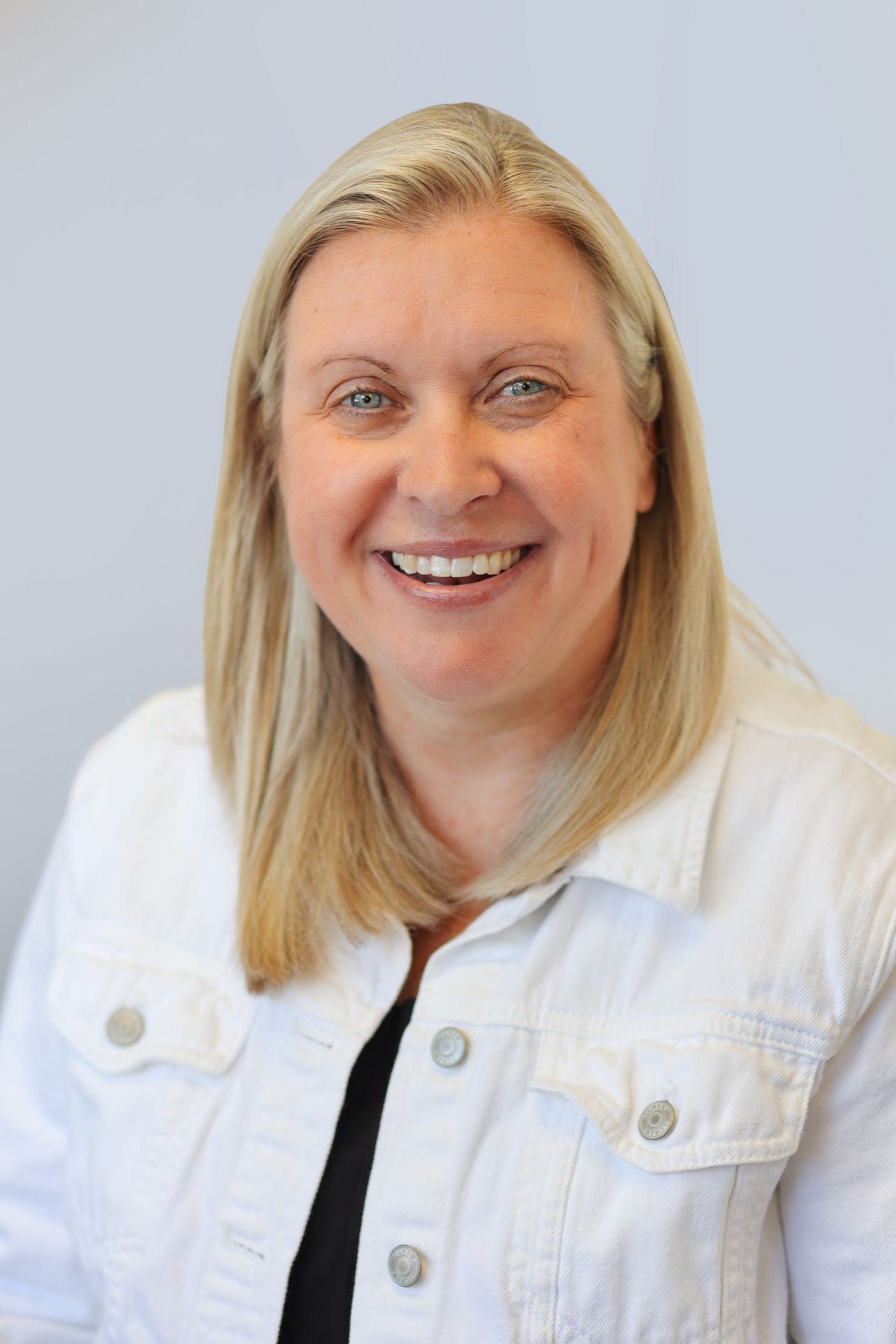
Kimberly Rich is a certified death doula, grief educator, and keynote speaker who helps individuals and families prepare for the end of life, support the people they love, and navigate grief. As the founder of Tomorrow Mourning, she guides clients through end-of-life planning and care, grief, and legacy work. In addition to her client work, she trains schools and organizations to better support grieving individuals in their communities. Kim earned her doctorate at Creighton University, where her research examined how organizations support employees returning to work after a loss, highlighting a significant gap in workplace bereavement policies. Today, she works with clients at the bedside throughout the Chicago suburbs and in-person and virtually with individuals and families around the world.
Thank you so much for joining us in this interview series! Before we start, our readers would love to “get to know you” a bit better. Can you tell us a bit about your childhood backstory?
I grew up in St. Charles, Illinois, the kind of small town where everyone gathered at the local ice cream shop and you knew the people who ran the businesses downtown. My husband, Ben, didn’t believe it was a real place the first time he visited. He said he thought towns like that only existed in movies.
My childhood was easy. My parents had structures but also encouraged for fun. I grew up surrounded by my aunts, uncles, cousins, and grandparents in an era where we knocked on doors, rode our bikes all over town, and did not carry cell phones. Looking back it was idyllic. I had my complaints at the time :) but now recognize how very lucky I was to grow up the way that I did.
I have great pride for my high school and am ridiculously happy that my four children all have graduated from, or currently go to, the same high school. One of my favorite memories from high school started with getting cut from the softball team my freshman year. My math teacher, Tom Roderick, (who I still see from time to time), would scoop up all the kids who’d been cut from other sports and convince us that you can’t have a bad time at a track meet. He was right. I ran cross-country and track, never won a single race, and made friends I still spend time with today (we just had our 30 year reunion!).
After high school, I went to Arizona State, which is where I met Ben. I became an elementary school teacher and later a principal, and spent more than 20 years in education. I never imagined that one day I’d trade teaching kids math for teaching adults about death, dying, and grief but here we are!
Can you please give us your favorite “Life Lesson Quote”? Can you share how that was relevant to you in your life?
My favorite is “You only live once.” It’s our family motto, and to me it means finding joy, laughing often, and balancing hard work with what you love. I’m in an intimate relationship with my mortality, so I take those words seriously. I don’t save the fun for tomorrow, because tomorrow isn’t guaranteed. Some may think that our family travels too much, goes out to eat too often, and attends too many concerts…but I don’t believe we should save all of our living for when we’re retired. Live now.
This became even more real to me after my mom died unexpectedly in her early 60s. Her own mom died at 45. When I looked at those numbers, I realized I might not get a long life. So I stepped off the path to becoming a superintendent and chose a life with more time for travel, dinner dates, and my kids’ games. “You only live once” isn’t a slogan for me. It’s how I decide what to say yes to.
You have been blessed with much success. In your opinion, what are the top three qualities that you possess that have helped you accomplish so much? If you can, please share a story or example for each.
My husband says my superpowers are storytelling, my sense of humor, and making others feel comfortable. I like to think that he’s right.
Storytelling. I love telling stories, (especially the funny ones), and enjoy a good audience. Capturing life stories is my favorite part of my work. I record my clients’ stories, transcribe them, and turn them into something their families can keep. When a client dies, I bring that collection to the memorial. Often the stories were recorded for the grandchildren, but it’s the children who are most interested. It’s so special to watch their grief aided by those stories. They keep growing in a relationship with their person, even though that person is gone.
A sense of humor. I love to laugh, and to make others laugh. This is true both at home and at work — even though I talk about death seven days a week. I have a coaster on my desk that says “At my funeral, take the bouquet off my coffin and throw it at the crowd to see who is next”. Even though grief and loss is dark and heavy, there is still a time and a place for laughter (I think!). People have this fear that if they say the word “death,” it’ll appear, like saying Bloody Mary in the mirror as a kid. When this fear of manifestation comes up I tell them, “If I was going to manifest my own death, that would have happened years ago. Let me be your example.”
Making people feel comfortable. I always want people to feel safe with me. Safe being honest, safe sharing their worries and fears, safe eating their favorite foods or cuddling up on the couch. At the bedside, part of my job is providing this safety. Sometimes that looks like quietly holding their hand, other times it is serving as the bouncer. I once had a client who wanted one person in the room at the end, and only one. Her godmother and best friend felt she should be in there too. So I sat with her best friend on the couch outside the bedroom. I listened to her story and I confirmed that her experience was valid. Of course she wanted to hold her best friend’s hand until the very last minute, but the wishes of my client came first. Part of my job is honoring my client while also leaving grace for the people who love them.
Let’s now shift to the main part of our discussion about ‘Healing after Loss’. Do you feel comfortable sharing with our readers about your dramatic loss or life change?
Yes. My mom went into the hospital on March 3, 2021, and she died on April 2. It was a very dramatic and confusing time during which things progressed very, very quickly.
At the time of her death, I was working in education, halfway through a doctorate in organizational leadership, and was planning to become a superintendent. Suddenly I was at a funeral home, and they were asking me, “What would your mom have wanted?” I didn’t know. We had to order death certificates and plan a funeral. We had to figure out who needed to be notified and write an obituary from a template that wanted a whole paragraph about her high school years. I felt terrible that I didn’t know what church she got married at or much about my mom’s high school years.
At the same time, I was trying to hold up my loved ones. I wanted to be a helper but everyone was grieving differently, and people were getting frustrated with each other (and with me). Meanwhile, I was staying up late and getting up early to keep up with my coursework. Society tells us that losing a parent is the “natural order.” It’s supposed to happen. And yet no one, in all of my years of school, three college degrees, and a career in education, ever taught me how to go through it. I really was trying my best to do this grief thing well…but I made a lot of mistakes.
What was the scariest part of that event? What did you think was the worst thing that could happen to you?
One of the scariest parts was that it was the first time I looked my own mortality in the eyes. My mom’s mom died at 45. My mom died in her early 60s. My dad’s mother died in her 60s. I had this moment of thinking, I don’t know that I get a long life. What if I die at 45? What if I die at 60? I was up late, up early, and missing my kids’ games, and I didn’t want to spend whatever time I had left chasing a title.
It may seem obvious, but another was losing my mom. She was my friend, my mentor, my confidante. I had no one to fill these roles anymore, but needed someone more than ever. For a time I tried to fill these roles with someone new, unsuccessfully, and then learned that I was just going to have to stumble through some of life’s challenges on my own — and to trust my gut and lean on what she had taught me. I had never lived one single day on this earth without her to guide me, and I now had to accept that I would live the rest of my days without her. It felt terrifying.
How did you react in the short term?
The first few days I was okay. The business of the work kept me balanced. There were errands to run and checklists to complete. I went into survival mode. About half way through the wake, four days after she died, I started feeling like I was having a heart event. My chest tightened. I started sweating. I couldn’t breathe. It had been the first time I had stood still in weeks and it hit me. Thinking about that moment now it still brings tears to my eyes. It was terribly frightening. I went outside thinking that I could not pass out in front of everyone — it would be better to go outside. Turns out I was not having a heart event, I never did faint, but I did start a short term relationship with anxiety that day and it became my partner for months to come. In the weeks that would follow I worked with my dad and sisters to take care of the financial tasks, the legal tasks, and all of the work that comes when someone dies. I was trying to process my grief, help everyone around me, and still trying to keep up with a full-time job and a doctoral program. It wasn’t sustainable.
So I called my doctoral chair and told him I was dropping out. I said, “I’m done. I no longer have a desire to be a superintendent. I’m changing my life. I want time for travel, dinner dates, and sporting events.”
After the dust settled, what coping mechanisms did you use?
My chair didn’t let me quit. Instead, he asked me, “Well, what do you care about?” I unloaded everything. I cared that we don’t have mandatory bereavement leave in this country. I took two unpaid weeks off when my mom died, but I knew what a privilege that was. I cared that I didn’t know how to grieve, how to help my loved ones, or how to plan a funeral.
He helped me appeal to change my research topic. I ended up studying how organizations support employees returning to work after a loss, when most organizations give just two to three days of bereavement leave. Nobody in the history of grief has been done grieving and ready to go back to work after three days so how do we support them when they do come back?
Looking back, that research became my way of coping. I read the books, listened to the podcasts, interviewed people, and dug into the peer-reviewed research. I fell in love with the idea that the answers to these things that I didn’t know were already out there. We know how to help people who are grieving, and we know how to help people who are dying. We just don’t talk about it.
I also started therapy about six months after my mom died. Going to therapy felt like freedom. A space that was safe to share my crazy (or not so crazy) thoughts, my emotions, my questions…and have someone with the right tools to help me rebuild and accept this new path. My therapist helped me to see my own actions through a different lens and helped me to process the actions of others. I gathered so many practical tips from her that I still use today. Most important was forgiving myself as I was doing my very best with what I knew, and forgiving others as, for the most part, they had good intentions and were doing their very best with what they knew.
Can you share with us how you were eventually able to heal and “let go” of the negative aspects of that event?
Letting go of the guilt started when I realized it wasn’t a personal failure. I wasn’t unprepared because I was a bad daughter, mom, sister, or friend. I was unprepared because nobody teaches us about death, dying and grief. And if I had never learned following decades of education, my bet is most of our country isn’t learning it either.
That shifted something for me. I stopped asking “What did I do wrong?” and started asking “How do we fix this for future grievers?” If I had to put it in one sentence, it would be this: I never want anyone’s experience to be what mine was when my mom died. It’s not possible for a loss to be a good experience. You’re going to be devastated. But it is possible for it to be better, and there’s no reason every human shouldn’t have that.
In my own grief journey, I found writing to be cathartic. Did you engage in any writing during that time, such as journaling, poetry, or writing letters? If yes, we’d love to hear about any stories or examples.
Oh the written word became one of my very closest companions. At first I was so worried about forgetting, or getting the details wrong. This started when my sister and I were sharing a memory and we disagreed on one small detail. She was right and I was wrong. It really didn’t matter, but it plagued me. So I started writing just in case I forgot. I wrote the details. Lists. I requested my phone records. Wrote about phone calls. Although these last days with my mom felt like torture, they were my last days with her. It felt like I was letting her down if I didn’t remember. Eventually the writing turned from fact into feelings. The deep sadness, the things I missed, the memories that I carried. I started a secret, private, Instagram account and would post photos and write there. Seems odd, but it felt good to put it somewhere. I allowed four people to see it…but eventually even blocked them. I needed it to be only for me. Someday I may add some of what I wrote to my substack…but I am not sure. Even I still carry a slight fear of vulnerability.
Aside from letting go, what did you do to create an internal, emotional shift to feel better?
That therapist I mentioned, Heather, taught me to incorporate my mom into my daily life. She said that maybe I would miss her a little bit less if I didn’t shut her out completely. If I ate some of her favorite foods, or put her photos around my home and office, wore her jewelry, and listened to her favorite music. It was hard for me at first. The emotions were so strong that I could not enjoy these things. It all felt hollow. But over time, bit by bit, I started to enjoy it and feel a closeness to her that I really appreciated.
Learning also helped me a great deal. Understanding the dying process helped relieve some of the trauma. Hearing the grief stories of others validated my grief and helped me to feel more “normal”. Being loved unconditionally by my husband was also paramount to this shift. Knowing that I could cry with him when I needed to was the ultimate form of freedom.
Is there a particular person who you are grateful towards who helped get you to cope and heal? Can you share a story about that?
My husband, Ben. My mom died in April. He never once questioned my sadness, asked me to move on, or was tired of the endless stories about my grief. He helped me to appreciate that I was blessed to have something so special to grieve. He supported my doctoral work, the dark reading that I did (and still do!), and my curiosities about all things death and grief. He also knew, without any teaching, that there is no timeline for grief. Eight months later it was our first Christmas without her and Ben was so good about recognizing that the grief was still there and how much it was affecting me. A lot of people assume you’re “better” by then. He didn’t. On Christmas morning, he did something really special to incorporate my mom into our first Christmas without her. It was pure magic and I will forever be grateful for his companionship during this time.
Were you able to eventually reframe the consequences and turn it into a positive situation? Can you explain how you did that?
Completely. I earned my doctorate from Creighton in 2024, trained as a death doula through Deathwives, and launched Tomorrow Mourning that same year. Today I sit at bedsides across the Chicago suburbs and work with families around the world. I also speak to schools and organizations about how to show up for people who are grieving.
When I work with a family, we plan ahead so they don’t have to: the memorial, the music, the readings, burial or cremation (fire or water?). When the time comes, they can walk into a memorial that’s ready to go. All they have to do is grieve, share stories, and be together. That’s the experience I didn’t get to have, and now I get to give it to other people. Shifting from teaching kids math to teaching adults about dying and grief was a huge change, and it’s by far the most fulfilling work I’ve ever done.
What did you learn about yourself from this very difficult experience? Can you please explain with a story or example?
I learned that I’m allowed to change course, even halfway through. Changing your doctoral research topic is a big deal. I’d spent years building toward becoming a superintendent, and walking away felt enormous. But when I faced the possibility that I might not get a long life, and recognized that joy is the goal, the choice became very clear.
I also learned that I am the person who isn’t uncomfortable talking about death. So many people are desperate for someone who will have these conversations with them. It turns out I’m that person, and I love it.
Fantastic. Here is the main question of our interview. Based on your experiences and knowledge, what advice would you give others to help them get through a difficult life challenge? What are your “5 Things You Need To Heal After a Dramatic Loss Or Life Change? Please share a story or example for each.
- Do it your way. You will get a lot of opinions on how you should grieve. “You should put the Christmas tree up this year”. “You should go through their closet”. The “you shoulds” can be so overwhelming and feel very judgemental. The only person who knows the answer to how you should grieve is you. You are not grieving too long, you haven’t recovered too quickly, you don’t talk about them too much. BE undeniably YOU. Usually what people mean when they share these statements is “you are not grieving the way that I did”. It is okay to remind them that you are grieving the way that you need to and that you understand that they may grieve differently. If you are really worried about whether or not you are okay, seek the companionship of a professional for validation.
2. Find your person/people. Who feels safe to call at 2:00 a.m. after a tough dream? Who never tires of hearing stories about your person? It may surprise you who emerges to fill this role, but accept them and lean on them. (A good therapist will work too!).
3. Identify what brings you joy and try to schedule it at least once a week. It doesn’t have to be grand. Reading, a favorite food, a walk outside…but do it. The first time you may not even remember the words that you read. But maybe the fourth time you will. In my home office I have a “Your Life in Weeks” poster. It has one box for every week of your life up until the age of 75ish. Every week I fill in one box and when I do I reflect back…did I do one thing this past week that brought me joy? If not I reframe the week ahead. Now, of course, week one of grief joy will likely be impossible. You will probably forget to even color in that box. Same for weeks 2 through 5. But eventually you will find yourself filling in that box again having recognized a pinch of joy in your past week.
4. Find ways to incorporate your person into your daily life. Eat their favorite foods, wear their favorite sweatshirt, get a tattoo that reminds you of them (I did this!). Thinking about them keeps them alive in our hearts and in our minds. Say their name, (or use their name instead of yours at Starbucks just to hear someone else say it out loud), and tell their stories. I think that you will find that if you are brave enough to set this example others will follow in your footsteps.
5. If you need to cry, cry. If you need to break something go buy some cheap china at Goodwill, take it home, and break it. Emotions need to be felt. Sometimes in dramatic fashion. If you don’t want to be dramatic in front of an audience, find a private space, but cry and yell and break things if you feel the need. (On the flip side — don’t feel guilty if you don’t need to cry right now. That’s okay too.)
You are a person of great influence. If you could inspire a movement that would bring the most amount of good to the most amount of people, what would that be?
Gosh…that’s an enormous compliment. If I could inspire a movement it would be a world where we stop whispering about death and grief. That means three things.
First, every adult should have a thorough end-of-life plan sitting right next to their will and financial plan, made long before a diagnosis, while time is abundant and thoughts are clear.
Second, grief should be taught in our schools. We don’t need a whole new class. We already read Charlotte’s Web in second grade and teach about September 11th in high school. Teachers could spend eight minutes asking, “How would you help Wilbur? What does grief look like when you never got to say goodbye?” Then, when those kids are 28 and losing someone they love, they’ll know what to say and how to show up.
Third, workplaces need to stop pretending three days of bereavement leave is enough. If I can make this undeniable part of being human just a tiny bit better, I’ve done my job.
We are very blessed that some very prominent names in Business, VC funding, Sports, and Entertainment read this column. Is there a person in the world, or in the US with whom you would love to have a private breakfast or lunch with, and why? He or she might just see this if we tag them. :-)
Anderson Cooper. Without question. My treat :) His vulnerability in sharing his grief story and his grace and compassion when interviewing others about theirs is remarkable. I have listened to every episode of “All There Is” and will continue to listen. I learn from him and his guests and genuinely appreciate how they validate the grief experiences of others.
How can our readers further follow your work online?
You can learn more about my practice, Tomorrow Mourning, and book a consultation at tomorrowmourningllc.com. I share end-of-life and grief education on Instagram at @tomorrowmourningllc and on Facebook at Tomorrow Mourning.
Thank you so much for sharing these important insights. We wish you continued success and good health!