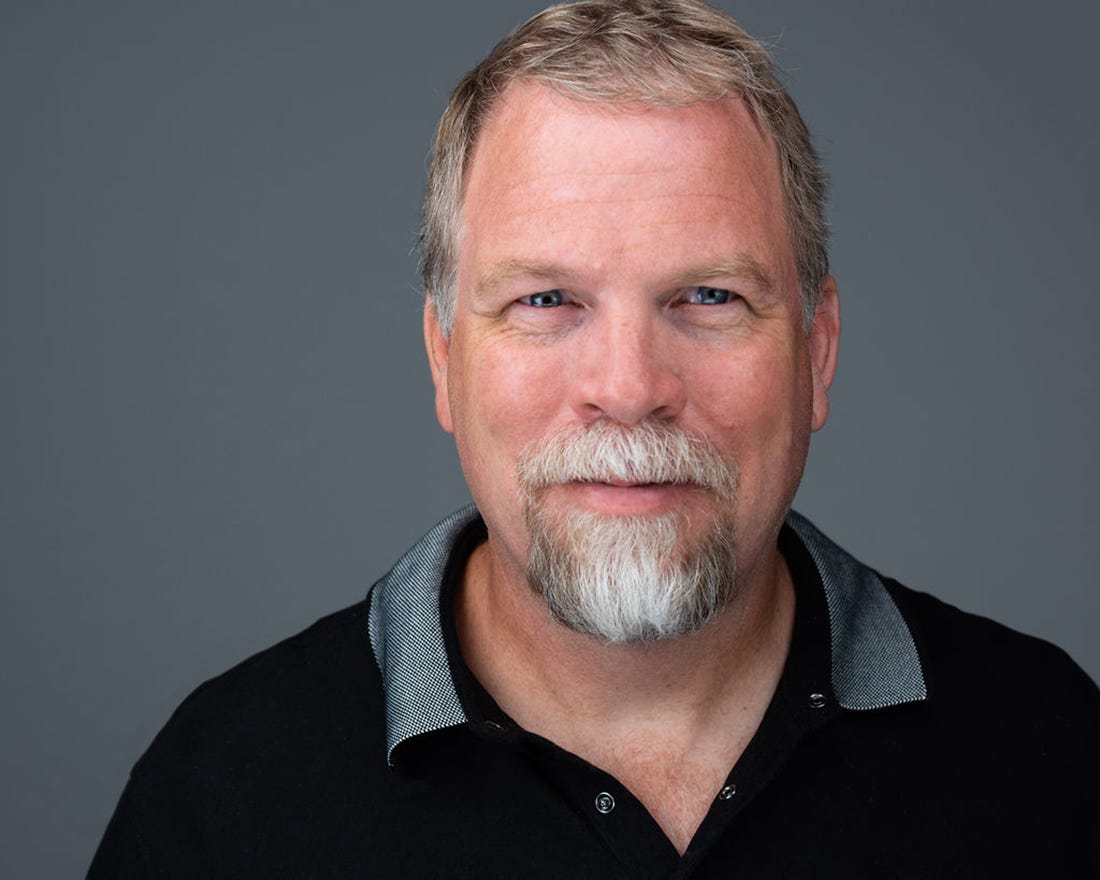
The truth is, if you write, you are already a writer. And at some point, we all just need to lean into who we really are and embrace it.
Some writers and authors have a knack for using language that can really move people. Some writers and authors have been able to influence millions with their words alone. What does it take to become an effective and successful author or writer? In this interview series, called “5 Things You Need To Be A Successful Author or Writer” we are talking to successful authors and writers who can share lessons from their experiences. As part of this series, I had the pleasure of interviewing Troy Lambert
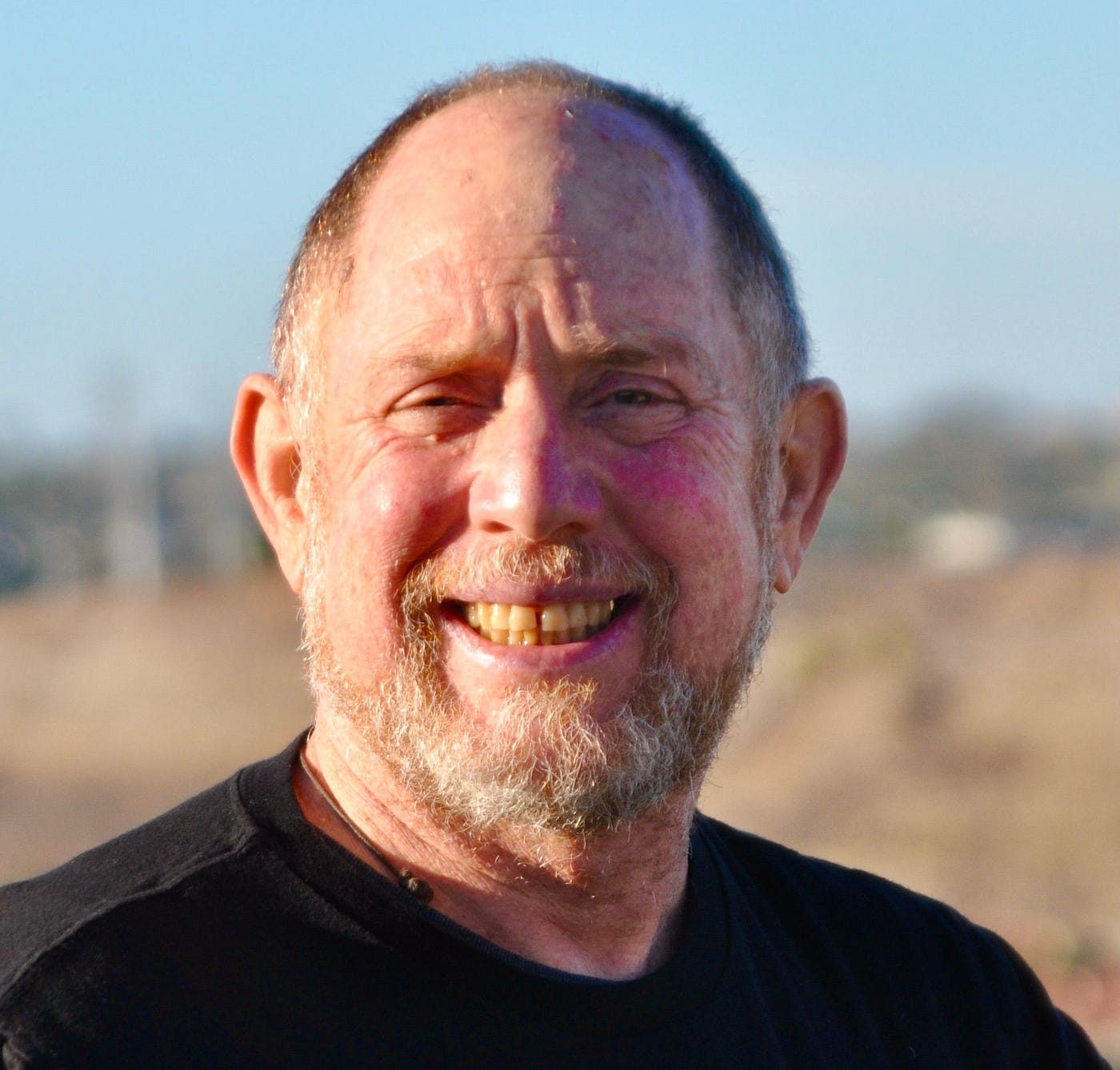
Troy is a freelance writer, author, editor, and the education lead for the popular visual outlining software Plottr. He’s the author of over 30 novels, including the best-selling Max Boucher series, and he lives, works, and plays in the mountains of Idaho.
Thank you so much for joining us in this interview series! Before we dive in, our readers would love to “get to know you” a bit better. Can you tell us a bit about your ‘backstory’ and how you got started?
I wanted to be a writer from the time I was very young. I wrote my first book when I was six years old, titled George and the Giant Castle. When I was a teenager, I told everyone I wanted to be an author when I grew up. However, many people told me the dream was impossible. I wasted a lot of time trying to do other things, but eventually, I decided I needed to figure this writing thing out, and now I've been doing it full-time since 2009.
Can you share the most interesting story that occurred to you in the course of your career?
One of my most interesting stories came to me in a dream early one morning. I got up and wrote it down, and then wrote it into a book. Essentially a man is driving to work along the freeway, and a body falls from an overpass and lands on the hood of his car. Of course, this sets off a chain of events that leads to a thriller where he is at the center. It’s titled Stray Ally. It was originally published by Tirgearr Publishing, and then I got the rights back a few years ago, so it is in print and available digitally again.
What was the biggest challenge you faced in your journey to becoming a writer? How did you overcome it? Can you share a story about that that other aspiring writers can learn from?
That one is easy: imposter syndrome. I still experience it from time to time, but I was told so often that what I wanted to do was impossible and that I “could not” be a writer. So, it was hard for me to accept when I became one. It didn’t feel real. Still doesn’t sometimes, and I still have moments when I think someone will find me out and determine I am not really a writer after all.
The truth is, if you write, you are already a writer. And at some point, we all just need to lean into who we really are and embrace it. If you are a writer, keep writing. The rest will come. Or maybe it won’t. But at least you will know you were true to yourself, and that is more valuable than any money you will ever make in this business.
It has been said that our mistakes can be our greatest teachers. Can you share a story about the funniest mistake you made when you were first starting? Can you tell us what lesson you learned from that?
Oh my. So it seems funny now, but at the time, I panicked. My debut novel did well. So, I thought everyone was just waiting for my second novel. I wrote it, and it was published, but I did little to no marketing. Oddly enough, it did not sell as well, and I needed to back up and rethink my strategy.
It’s funny because now I know that no matter the book if it is not marketed, it does not sell. But then, I thought I had arrived. Sadly, I had not.
In your opinion, were you a “natural born writer” or did you develop that aptitude later on? Can you explain what you mean?
This is also a tough one because, in a way, I was a good storyteller and writer from a very young age. But I think that despite that, I still needed to do a bit of becoming and that all comes from making mistakes, intentionally studying stories, and improving my craft. So I think there are people like me who are born with talent. But talent is nothing without practice, just as any athlete will tell you, so my aptitude came through that practice.
What are some of the most interesting or exciting projects you are working on now?
Right now, I am working on a new series that blends the romantic comedy and mystery genres, and that one really has me excited. I’m also working on a couple of non-fiction books for authors and courses to go with them, and I find that exciting as well.
Here is the main question of our interview. Based on your experience, what are the “5 Things You Need To Be A Successful Author or Writer”? Please share a story or example for each.
1. First, you need a solid motive. The truth is, there will be hard days as a writer, and if you can quit, you probably will. There’s a lot more to making a living in this game than just writing books, and you need to embrace all of it. If you are not motivated and do not fully understand your “why,” there are way too many reasons to do something else.
A friend of mine started writing full time, and he called me and asked, “How do you keep doing this? At least a couple of weeks a year, I consider quitting and just getting a job.”
“Two weeks a year?” I asked. “Wow. I think about quitting writing and going to get a job at least once a month, sometimes more often. Two weeks a year is pretty good.”
You’ll always have doubts or reasons to quit. Your reason to keep going must be stronger.
2. You need to set your definition for success. Success is so subjective, and if you are thinking of Stephen King or Lee Child's success, you might want to think again. That could happen, but you are much more likely to be a midlist author making a living or even still working a part-time job, pursuing your writing dream than you are to suddenly wake up and find yourself a million best seller with no more worries about money.
You can think of success as a money number, the number of books published or sold, or something along that line. But be realistic and determine what making a living means to you. If you want a large apartment on the upper west side in New York, you might have to rethink that. But if you are comfortable in a reasonable-sized house or apartment, don’t mind driving a used car, and can keep from going out to eat all the time at five-star restaurants, you may have a shot at this.
3. You need realistic goals, both short-term and long-term. It’s not enough to say, “I want to publish two books this year,” or “I want to finally find an agent this year.” You need more specific goals that you can control. You may want to write every day, meet a word count every week, take classes to improve your business or your craft or attend a writing conference or two.
You may be able to do those things, but you cannot control whether a publisher or agent accepts your work, when it will be published, and more. Control of the outcome is one of the many reasons people choose to indie publish, but that comes with a whole host of responsibilities.
4. You need an education. Most of the time, this does not mean college, although college is not a bad thing. It means that you must understand the business and craft of writing, and to do that, you need to learn from the masters of our industry.
I remember sitting in a class with Dave Farland, a well-known instructor who passed away just over a year ago, one year at a conference, and a lightbulb just went on in my head. A story problem I had been trying to work out had an obvious solution. Well, obvious now that I had a new piece of knowledge. It wasn’t groundbreaking by any means, but he showed me a unique perspective, and that made all the difference. It was a turning point not only in my story but in my career. You must be teachable, and you need an education, even if it is one of your own making.
5. You need a community. Introvert? Join the club. Many writers are, but there is something special about being in a room with a whole bunch of people who do the same thing you do. When I lived in Northern Idaho, I had a very small writing community. Basically, there were two of us in that area. But I took the plunge and went to the PNWA writers' conference in Seattle.
I walked into a room, and there were so many writers in the same room. It literally took my breath away. I went and found some people I had met online. Those friendships turned into deeper connections that lasted for years, and I am still in touch with some of those people. Get out there. Find your tribe. They will help you through those dark moments. They’ll educate you as you grow and are able to teach them as well. And they’ll help keep you on track with your goals.
What is the one habit you believe contributed the most to you becoming a great writer? (i.e. perseverance, discipline, play, craft study). Can you share a story or example?
Tenacity, above all else. When I get a hold of an idea, I don’t want to let it go. I want to write a book or story and finish it. I want to master this part of my craft or that part. I want to master marketing, and so I take courses and study until I truly understand.
Recently, even though I am “the Plot Dude” to some people, I took two twelve-week courses on story structure and character development at the same time. I learned so much. Those are two areas I always feel I can learn more in, and I don’t ever want to stop learning. It’s that same tenacity that keeps me going on the rough days. I don’t know where I would be without it.
Which literature do you draw inspiration from? Why?
All of it. Everything I can get my hands on. I love to read in my genre of mystery and thriller, but I love John Irving, Al Heathcock, and Anthony Doer as well. Some days I just want to read some action-packed pulp, and others I want a story that really makes me think. If it hits both of those buttons, that is ideal.
You are a person of enormous influence. If you could start a movement that would bring the most amount of good to the most amount of people, what would that be? You never know what your idea can trigger. :-)
I am working on one with the Idaho Writers Guild right now. It’s called “Your Story Matters.” It’s about more than just equality, although that is certainly a part of it. Because no matter who you are, whatever your gender or sexual identity, whether you are rich or poor, no matter where you are from, you have a story to tell, and your story matters to the world. In my opinion, story changes everything, and I can point to more than one story that has changed my life. I am betting that the stories others have to tell will change lives too.
How can our readers further follow your work online?
Start with troylambertwrites.com, but you can also Google me. As my son told me one day when he was in middle school, “You are all over the Googles.” So I guess I am.
Thank you so much for this. This was very inspiring!