I’ve developed an ethos of learning that the effort always has value even if it doesn’t lead to results in the specific instance. So, I decided to look around and find the most confident looking stranger and introduce myself to them.
Pop Culture
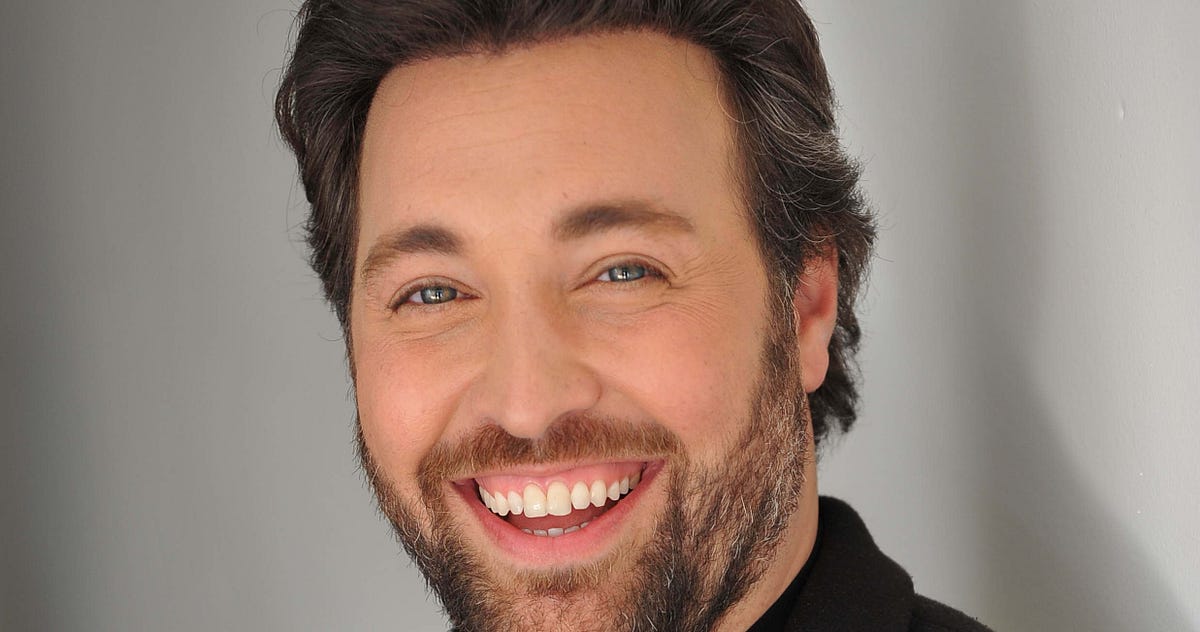
Josh Murray on Navigating Identity, The Value of Effort, and Mastering the Audition Room
Actor and producer Josh Murray shares how his unconventional path from computer science to the screen taught him that persistence and authentic connection are more powerful than any audition strategy.
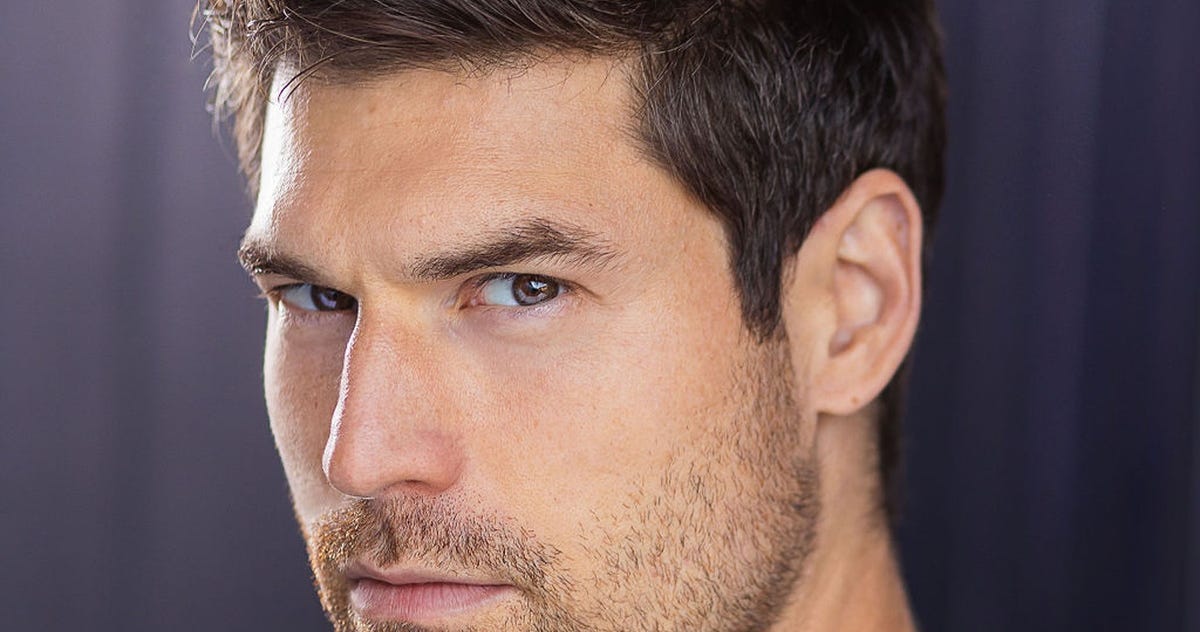
As a part of this series, we had the pleasure to interview Josh Murray.
Josh Murray made his national TV debut in Killing Lincoln as assassin Lewis Powell — executive produced by Ridley Scott, narrated by Tom Hanks, and setting a new viewership record on National Geographic. With over 60 film and television credits, his work includes Inheritance (Lily Collins, Simon Pegg) — a Tribeca Official Selection that topped global viewing charts as the most popular thriller on Netflix — Wish You Well (Mackenzie Foy, Ellen Burstyn, Josh Lucas), Protocol 7 (Matthew Marsden, Eric Roberts), and Christmas at the Greenbrier (Fox Nation) opposite Emmy-nominee Alicia Leigh Willis. Television credits include General Hospital (ABC), The Neighborhood (CBS), and Revolution (NBC). To prepare for Gym Rat, Murray put on over 20 pounds of lean mass to portray the aspiring bodybuilder. He also serves as a producer on the film.
Thank you so much for joining us in this interview series! Can you tell us the story of how you grew up?
I was born on Long Island and then my family moved along the east coast every few years, eventually settling in Northern, VA. My dad always had a passion for screen writing so even though Hollywood seemed like a distant world I was always aware of it although never thought I’d get there growing up. Between being home educated and frequently transplanted, I didn’t ever have a long-term sense of community and spent a lot of time on my own. I was a voracious reader; old literature, history. I had eclectic taste in traditional music and classic films. I had a vivid imagination. I never knew what I wanted to be when I grew up because all the jobs I was interested in didn’t exist anymore.
I ended up pursuing computer science in college, more out of a sense of responsibility and isolationism than passion. That’s when chronic health issues and a personal identity crisis drove me to instinctually pick up acting.
Can you share a story with us about what brought you to this specific career path?
My acting career started in an audition room. In retrospect, there were many pieces of an actor’s journey in my years growing up but it was never a conscious plan. When my chronic pain prevented me from pursuing all other hobbies like fitness and music and even cost me work, I felt I needed to find an outlet or at least an escape. Movies at that point were the closest thing to feeling alive I had and I had this gut instinct that I needed to get closer to that world. Acting was something I thought I could do that didn’t necessarily require physical exertion. (Of course, ironically it eventually led to an incredibly physically demanding role with GYM RAT ). I also think secretly I was very unhappy with who I was and that I wasn’t good at masking it. Acting seemed like a way to learn how to wear a more attractive mask. Ultimately, acting taught me the value of throwing the mask away altogether.
But my first foray into acting after deciding to explore it was finding an audition for a local short film project and giving it a go. I was so nervous in the waiting room my hands went numb. And while I managed to book a small speaking part and got positive feedback, I knew there was this huge deficit in me that was scary and needed to be faced. I’ve been determined to not back down from the challenge ever since.
Can you tell us the most interesting story that happened to you since you began your career?
I was at a bustling, non-industry event in New York early in my career trying to break into the industry there and only knew one person at this open house. They were preoccupied and so I found myself drifting around alone in this big room full of people busy talking and trying to figure out why I was still there as I don’t love being in a crowd. I was tempted to go but then I challenged myself: “you’re in NY city, who knows who could be here and you shouldn’t take the easy way out regardless.” I’ve developed an ethos of learning that the effort always has value even if it doesn’t lead to results in the specific instance. So, I decided to look around and find the most confident looking stranger and introduce myself to them. I found this distinguished looking gentlemen who was very relaxed and struck up a conversation. Turns out he was in finance, not my lane but I did my best to learn about what he did. He eventually asked me what I did and when I told him he said “Oh really? My wife is a TV executive.” He turns to his lady next to him, who it turns out worked at the biggest broadcast network in the country. She immediately says I’m actually casting a pilot this week, we need a lot of guys who look like you to play military roles. One thing led to the next and the following morning I was taking an elevator up at the network’s headquarters and reading for the pilot. Didn’t book it but it was an eye-opening lesson.
It has been said that our mistakes can be our greatest teachers. Can you share a story about the funniest mistake you made when you were first starting? Can you tell us what lesson you learned from that?
While I wasn’t prioritizing theater, I had some interest in stepping into that early on and had a chance to go to an open call at an equity theater in D.C. Somehow, I got it in my head that I should write myself a monologue shortly before the audition and do it in a British accent. It was extra nerve wracking because I was still getting used to auditioning for film let alone theater and having someone sitting way back in a dark theater skeptically asking me questions about why I didn’t have any theater credits really got me in my head. When I got into the monologue that I wasn’t adequately prepared for I fumbled a bit and he interrupted me and asked if I had written it. It just kept going from bad to worse and he said thanks for coming, rather sardonically. On my way from the bright stage to the dark exit, I walked right into the bannister with a thud. I could just sense the director snickering under his breath. I definitely learned something about taking preparation for each medium more seriously and not to change too many variables at the same time. I didn’t learn the lesson to not beat myself up mercilessly for falling on my face until much later.
What are some of the most interesting or exciting projects you are working on now?
There’s quite a bit happening at the moment but first and foremost GYM RAT is finally getting out into the world this October after a seven-year journey making it. I’m pretty full on promoting that. I’ve talked a lot about GYM RAT over the years so it feels really good to say it’s coming out now! I was truly honored to receive a Best Actor win at this year’s Beverly Hills Film Festival for my role as Lonnie. Having been both a lead actor and producer on it there’s quite a lot of effort involved with the release and we’re doing a lot of unique things to share the film with people and also use the film as vehicle for constructive conversations around harm reduction.
GYM RAT is a darkly comedic psychological thriller set inside the world of modern bodybuilding culture. It follows the character of Lonnie Milsap, who’s an ex-con with dreams of competing at Mr. Olympia. But he’s carrying a ton of insecurity, isolation and unresolved rage. This obsession with his physique as well as his idol, Lou Ferrigno, gradually becomes intertwined with an increasingly distorted perception of reality. Lonnie’s attempt at building a new life for himself is further threatened after he gets pulled into dealing steroids for an abusive gym owner, but the real villain he’s battling is inside him.
At the moment, we’re doing events for the fitness industry alongside our educational partner Testosteronology to highlight medical insights on how to mitigate the risks of anabolic usage for adults as well as the importance of managing mindset and mental health in the space. We’re also collaborating with the Taylor Hooton Foundation to bring more awareness to the pitfalls of performance enhancing substances for the youth.
Since joining Eris Entertainment, I’ve gotten to work in a lot of different layers of the film industry and am currently involved with about 10 other projects as an actor and/or producer that are in various phases of their lifecyle from development to post-production.
You have been blessed with success in a career path that can be challenging. Do you have any words of advice for others who may want to embark on this career path, but seem daunted by the prospect of failure?
Two things: First, don’t be quick to assume that your place in the hierarchy of the industry is the measure of your success. I’ve always endeavored to focus on my own track of purpose in this pursuit that sits outside the metrics of money and fame. If you have a strong sense of purpose you will find ways to fulfill it that don’t so much depend on other people giving you approval or permission. The external facing successes will eventually come to some degree if you really master your path.
Second, if your definition of success involves making a living in the entertainment industry you need to keep evolving and be willing to get creative at how you apply your talents. To think like an entrepreneur not an “artist employee.”
We are very interested in diversity in the entertainment industry. Can you share three reasons with our readers about why you think it’s important to have diversity represented in film and television? How can that potentially affect our culture?
I think positive diversity in film is firstly about empathy. When audiences are given authentic access to lives that are outside of their own experience, it becomes harder to reduce people to stereotypes and easier to have compassion on them. Second, it provides an understanding of the universality of the human condition. When you see what similarities there are, for example, in a little boy in Mongolia or a remote island in the pacific and a kid in New York City are experiencing in their coming of age story’s you see what ties us all together. And third, it creates perspective. I think GYM RAT is an example of that in its own way. Lonnie’s behavior may be easy to judge for a lot of people as bizarre or weird at first glance, but when you start to realize his brain doesn’t work the way a typical person’s does and the kinds of experiences he’s had, what all is going on beneath the surface, it starts to make more sense. For some people they may see their own unusual attributes reflected in who he is and thus feel seen and a little less alone.
What are your “5 things I wish someone told me when I first started” and why?
1. Being good at something new requires you to be bad at something first. Being bad at acting can be a particularly embarrassing phase to get through because it’s very closely connected to you and rather public in nature. But as with anything you have to give yourself permission to do a lot of falling until you learn to walk. And you might as well get used to it now because…
2. You never graduate from failure Even after you get good at something, you still have to take risks to continue to grow and to avoid getting stuck in the trap of the safe zone.
3. Rejection isn’t always negative. This industry, especially as an actor is constant rejection. And often time it has little to do with your actual talent or ability. In other aspects, rejection can say more about the other person than it does about you. When someone says no, it’s just a fragment of information. You have no idea what it means. So don’t be quick assume you have the correct interpretation of a rejection. Sometimes it’s motivation to improve. Sometimes it’s redirection to find a lane better suited for you. Sometimes it means the other person just doesn’t know what they’re doing.
4. The business is all about who knows you, so start getting to know other people. Find your tribe, build relationships, be a person of value to others however you can. Starting new relationships can be hard, so get better at going first.
5. Your product is your craft, the business is your job Nobody in their right mind spends years researching and developing a new product and then puts it on a shelf waiting for someone to buy it. If they’re going to be financially successful, they’re going to work just as hard to bring it to market. You have to approach your creative talents in the industry the same way.
Which tips would you recommend to your colleagues in your industry to help them to thrive and not “burn out”?
When you’re in a space that’s so demanding and competitive it’s SO tempting to never hit the off switch. You have to come up with non-negotiables of self-care or maintenance that supersede other people’s demands and your own fears of short-term failure. Like, I don’t go all week without working out, it doesn’t matter how much pressure there is. I know I’m not going to be able to function efficiently without physical exertion. So I refuse to entertain the notion of “I just don’t have any time lately.”
And of course, even more so long term, if you let things slide in the big picture you won’t be able to continue to show up for your work because your physical, emotional and relational health will force you to shutdown eventually. You have to see harmonizing the care of your instrument as part of your work and essential to your success not a “nice to have.”
You are a person of enormous influence. If you could inspire a movement that would bring the most amount of good to the most amount of people, what would that be?
It would be around genuine transformation through the changing of our identity and beliefs rather than performance or effort. We’re living in a culture that’s increasingly obsessed with image, metrics and external validation. We’ve made it incredibly easy to compare ourselves against everyone else and measure everything with numbers and metrics and boil down our worth to what other people see us doing.
Everything good in my life (and there are lot of them that seemed impossibly far away at one point) has come as a result of the development of a foundation far below the surface first. I want people to realize the power of that. It doesn’t mean a lack of drive or effort. It’s about what’s powering that action. I’ve spent plenty of time in the exhaustion of effort based on will power. I’m grateful for the gift of faith.
None of us are able to achieve success without some help along the way. Is there a particular person who you are grateful towards who helped get you to where you are? Can you share a story about that?
There are so many people to name but in this latest chapter of my life adding producer to my hats, there are two people that come to mind. First, Spencer Folmar first challenged me to take the leap and has since come in time and again when I felt like my back was against the wall to give me advice or a hand up. His support means more than he knows. And Korstiaan Vandiver my producing partner on GYM RAT is obviously also a huge part of that story. I originally pitched him on making a low-budget movie together and neither of us had any idea we’d be in the trenches seven years later still on it. We definitely butted heads along the way, but there was a tremendous amount of trust by the end because we’d weathered so much together and I’m grateful for his loyalty and humility to go the distance with me where many people would have just gotten fed up. He also envisioned this role of Lonnie for me as a writer/director which became such a worthy and significant acting challenge for me.
Can you please give us your favorite “Life Lesson Quote”? Can you share how that was relevant to you in your life?
The legendary frontiersman Davy Crockett’s motto was “Be sure you’re right, then go ahead.” Which I take to mean giving careful consideration to your path of action but once you commit to it, don’t look back. I’ve had a lot of reasons to second guess my course with making GYM RAT and even my whole career but I come back to the reason I started and know I just have to keep moving forward.
We are very blessed that some very prominent names in Business, VC funding, Sports, and Entertainment read this column. Is there a person in the world, or in the US with whom you would love to have a private breakfast or lunch with, and why?
I’d love to have breakfast with Chris Williamson. He’s an engaging and effortless conversationalist and informed on such a wide degree of interests from the work he does on his platform I feel like I’d be getting the cliff notes from hundreds of really interesting people all at once. Plus, we’d probably be eating something gluten-free, regenerative and grass-fed. Just how I like breakfast.
How can our readers follow you online?
You can follow me on Instagram at @joshmurrayactor and follow GYM RAT at @gymratmovie.
You can also find how to see the film and insider updates by signing up at gymratmovie.com.
Thank you so much for the time. This was very inspiring!
About The Interviewer: Tavares Beverly ( www.tavaresbeverly.com ) is the Founder and CEO of Beverly Boy Productions, a national video production company that has helped organizations tell their stories through video for more than two decades. Over the course of his career, he has worked with everyone from Fortune 500 executives and healthcare professionals to politicians, nonprofit leaders, educators, and artists, gaining a unique perspective on the role communication plays in leadership, business, and human connection. A frequent contributor on topics including communication, entrepreneurship, leadership, and personal development, Tavares believes that the ability to communicate effectively is one of the most valuable skills a person can develop. His work is driven by a passion for helping organizations connect with their audiences and helping individuals unlock their potential through mentorship, perseverance, and meaningful relationships. To learn more, connect with Tavares on LinkedIn or visit www.BeverlyBoy.com . If you’re interested in using the power of storytelling and communication to grow your organization, strengthen your brand, or inspire your audience, he welcomes the opportunity to connect.
TB
Written by
Tavares Beverly
Executive Contributor · Authority MagazineTavares Beverly is an executive interviewer and contributor covering leadership, culture, and business for Authority Magazine.

Published inAuthority MagazineTop Lessons, Top Authorities · 42K Followers
Exclusive, curated interviews with the leaders and changemakers shaping tomorrow. Leadership lessons, industry deep dives, and executive profiles.
More from Authority Magazine
See all stories →
A
Authority Magazine Editorial StaffJasmine Badie: Professional Success Requires Mastering The Discipline Of Being Unneeded
Pop Culture25 min read
Y
Yitzi WeinerGavin Goudey: Internal Vulnerability Is the Primary Engine of Authentic Performance
Pop Culture22 min read
Y
Yitzi WeinerNate Bynum: The Paradox of Authenticity That Unlocks Peak Performance
Pop Culture20 min read
T
Tavares BeverlyMalek Hanna of RXM Entertainment: Creative Collaboration Requires Shared Intention Over Uniform Perspective
Pop Culture11 min read