What I’ve learned over the years is how important it is to surround yourself with the right people and the right energy. In the past, I would sometimes try too hard to make certain collaborations work. Now I realize the beauty is in working with people you genuinely trust.
Pop Culture
Malek Hanna of RXM Entertainment: Creative Collaboration Requires Shared Intention Over Uniform Perspective
The award-winning actor and producer discusses his transition from theater to film, the power of cross-cultural storytelling, and why choosing the right creative partners is the key to artistic longevity.
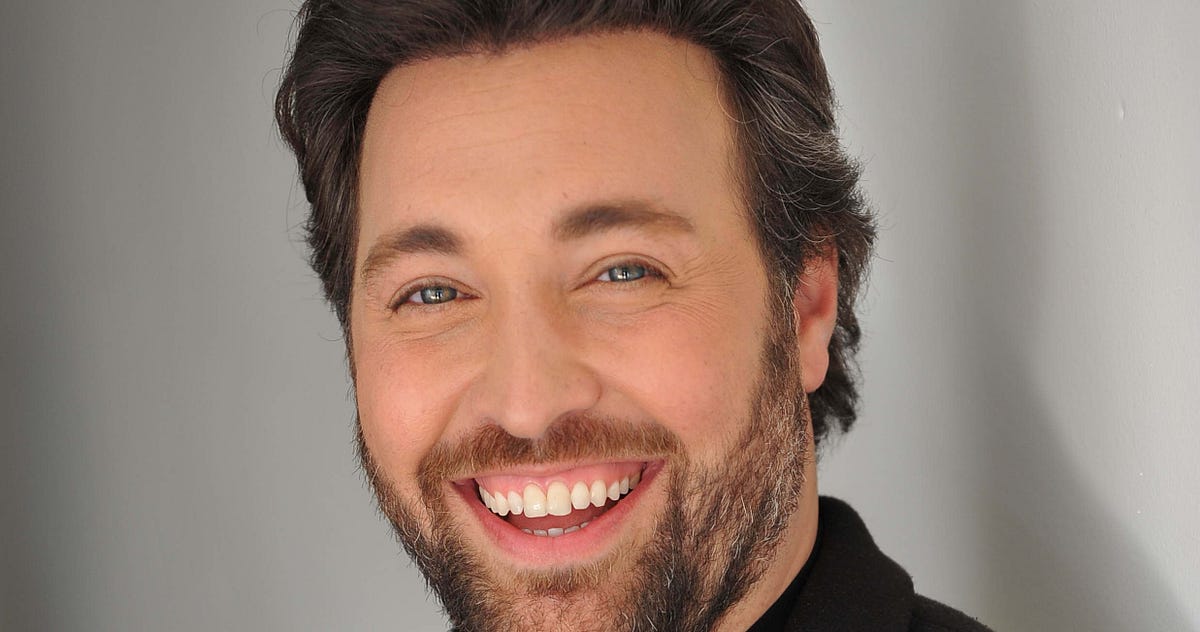
As a part of this series, we had the pleasure to interview Malek Hanna.
Malek Hanna is an award-winning actor, singer, producer and author whose career spans film, television, music, theater and publishing. Born and raised in Brooklyn and based in Los Angeles, he earned critical acclaim for his performance as the Emcee in Cabaret. His credits include the television pilot The HOA, The Voice — Arabia and extensive commercial voice-over work, including Apple Pay and Face ID. Through RXM Entertainment and 4Sight Entertainment, Hanna develops film and television projects with a growing network of creative partners. He stars in and produces The Fixed Mark, written and directed by Spencer Jay Kim. His recent single, “Ya Jama’a,” features Paulina Aguirre and Christine Said and has reached audiences across the Middle East. Hanna is also the author of Inner Flight and is writing I Found Myself Through AI, exploring identity, creativity and self-discovery.
Thank you so much for joining us in this interview series! Can you share your “backstory” that brought you to this career?
I was born in Brooklyn and grew up in a Lebanese and Syrian family, so there was always this mix of cultures in my life. I started performing around 15, doing plays and musicals in New York. My family valued education and traditional careers, so becoming a performer wasn’t exactly the obvious path. But I loved it. I remember taking the R-train home from rehearsals, from Union Square to Bay Ridge, and still singing because I just couldn’t help myself. I wasn’t putting on a show for anyone. The music was just spilling out of me. I loved acting because I was fascinated by people: why they do what they do, what they hide, what they reveal. That curiosity eventually took me from theater into film and producing.
Can you share the funniest or most interesting story that occurred to you in the course of your filmmaking career?
Playing the Emcee in a Los Angeles production of Cabaret is still one of my favorite experiences. It’s such a wild, unpredictable character. I remember putting on the costume and feeling like I had permission to go places I wouldn’t normally go as myself. That freedom was exhilarating. It reminded me how much I love stepping into someone else’s world. And there’s nothing like live theater. You can’t stop and do another take!
Who are some of the most interesting people you have interacted with? What was that like? Do you have any stories?
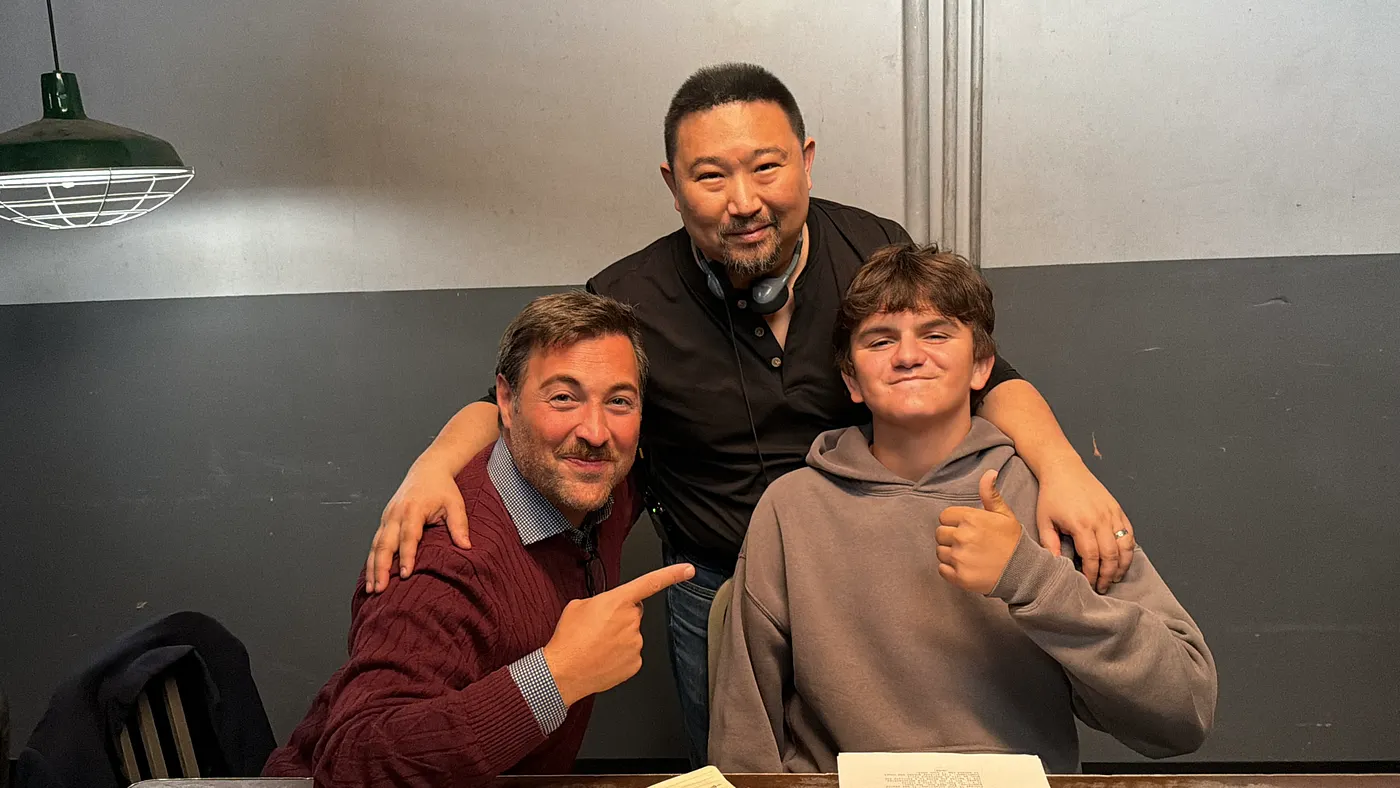
I’ve met some extraordinary people through this work, and what fascinates me is how differently creative minds can approach the same thing. I’m building projects with my friends and partners Spencer Jay Kim and Dave Thomas through 4Sight Entertainment, and with Tom Jenkins through RXM Entertainment. I’m also collaborating with filmmaker Setareh Samandari and Habib Zargarpour, whose visual effects work has earned him two BAFTAs and two Oscar nominations.
What I’ve learned over the years is how important it is to surround yourself with the right people and the right energy. In the past, I would sometimes try too hard to make certain collaborations work. Now I realize the beauty is in working with people you genuinely trust, who see you, who challenge you, and who bring something to the table you might never have thought of. There’s something magical about that. You don’t always have to see things the same way, but you have to share the same intention. I always say, find your truth seekers and stick with them. That’s when the real magic happens.
Which people in history inspire you the most? Why?
I’m inspired by those who have vision, who think outside the box: the dreamers, the poets, the truth seekers. Those who choose kindness despite their circumstances and genuinely want to leave this world a better place than they found it. Jesus Christ, above all, embodies that for me. He’s my North Star.
His teachings about compassion, forgiveness, and kindness have always meant a lot to me. It’s one thing to be kind when everything is going your way. It’s another to choose kindness when it’s difficult. That’s something I try to remember in my life and in the way I treat people.
How are you using your success to bring goodness to the world? What meaningful or exciting social impact causes are you working on right now?
Right now, I’m especially proud of The Fixed Mark, a psychological thriller directed by Spencer Jay Kim. I produced it and also play Dr. Elias Ward. The film deals with trauma, grief, and mental health — things so many people carry around without talking about. I love the idea that a film can entertain you and still leave you thinking, or make you feel a little less alone.
Across our production companies, we have a slate of over 20 feature films in various stages of development, but right now we’re focused on bringing The Gunfighter, Pilot Jack, and Redundancy to life. They’re all very different stories. The Gunfighter is a superhero action film that draws on Western tropes and is ultimately about standing up against injustice and giving a voice to the voiceless. Pilot Jack is a family action-adventure centered around RC planes, dreams, and believing in what’s possible. And Redundancy is a sci-fi thriller exploring what it really means to be human. For me, it’s never just about the genre. It’s about the story, the people, and hopefully leaving audiences with something that stays with them.
Music is another way I try to bring people together. My single “Ya Jama’a,” which means “The People,” is a collaboration with Latin Grammy winner Paulina Aguirre and The Voice artist Christine Said. We brought together Arabic, English, and Spanish, blending Middle Eastern and Latin sounds with a message of unity and shared humanity. At a time when the world feels so divided, I wanted to create something that reminds us how much we actually have in common. The song and music video have also reached audiences across the Middle East through Aghani Radio and Aghani TV, which has been really exciting. To me, that’s the beauty of music. It crosses borders, languages, and cultures. You don’t have to speak the same language to feel the same thing.
Outside of film and music, I also coach and mentor teens, young adults, and adults. That’s a very personal part of how I try to make a difference. It’s also what inspired much of my book, Inner Flight, a spiritual memoir about self-discovery, healing, breaking old patterns, and reconnecting with who we really are. I’ve always believed that so much of what we’re searching for is already within us. Sometimes we just need a little help finding it.
I don’t think making a difference always has to be some grand gesture. Sometimes it’s a story, a song, a book, a conversation, or simply making someone feel seen. If something I’ve created or shared helps even one person see themselves differently, recognize their own worth, or believe in what’s possible, then I think that’s a pretty beautiful thing.
Was there an “aha moment” that made you decide to take action for this cause?
I don’t think there was one big lightning-bolt moment. I’ve always been interested in what makes people tick. As an actor, you get to explore that through a character. Producing gave me another way to do it, by helping bring certain stories into the world in the first place. With The Fixed Mark, I felt we had something worth talking about beyond the film itself. Grief and trauma aren’t always easy subjects, but that doesn’t mean we should avoid them.
Can you tell us a story about a particular individual who was impacted or helped by your cause?
I do some mentoring on the side, and what matters to me is creating a space where people feel safe being real. Sometimes that just means listening, really listening, until they start to trust themselves. I’ve had students tell me that made a difference for them. When that shift happens, when you see someone realize, “Oh, I’ve actually got this,” that’s the best part. I’ve been fortunate to have that experience with several people I’ve coached.
Are there three things individuals, society, or government can do to support you in this effort?
First, give independent films a chance, especially the ones telling stories you might not usually seek out. Second, make room for different voices, both in front of and behind the camera. Growing up Lebanese and Syrian American, I rarely saw Middle Eastern people portrayed with much complexity. Too often, they were the villain or the stereotype. That’s changing, but we can do better. And third, let’s get more comfortable talking about mental health and what people are actually going through. Listening without judgment is a pretty good place to start.
What are your “5 things I wish someone had told me when I first started,” and why?
1. You’re going to hear no. A lot. It doesn’t mean you’re on the wrong path.
2. Show up prepared. Talent is wonderful, but you still have to do the work.
3. Don’t spend your life trying to fit somebody else’s definition of success. Growing up between cultures taught me to adapt, but I’ve also learned how important it is to know what matters to me.
4. Hold on to the joy. I think about that kid singing on the subway after rehearsal. That’s the feeling I never want to lose.
5. Find good people. Film is collaborative. The relationships I’m building now with my producing partners remind me that none of us does this alone.
What would you tell young people about making a positive impact on society?
You don’t have to wait until you’ve made it to do something good. Start with the people in front of you. Be kind. Be curious. Listen. I think we sometimes underestimate how much it means to someone to feel genuinely seen and heard.
Is there a person you would like to collaborate with, and why?
Al Pacino. I’ve admired him forever. There’s something about the way he disappears into a character that fascinates me. And I’m pretty sure I’d learn more from one day on set with him than from a hundred acting classes.
Can you share your favorite “life lesson quote” and how it has been relevant to your life?
One line I’ve written that really resonates with me is: “I thought I was learning how to talk to artificial intelligence. I was actually learning how to hear myself.”
It’s actually what inspired my new book in the works, I Found Myself Through AI. What started as a simple curiosity about technology became something I never expected. Through these conversations, I began reflecting on my life, my relationships, my fears, my dreams, and even the things I thought I had already figured out. And somewhere along the way, I realized I wasn’t just learning about AI. I was learning about myself. It’s been a beautiful reminder that sometimes the most important conversations we have are the ones that bring us back to who we really are.
How can readers follow you online?
You can find me on Instagram at https://www.instagram.com/malek.hanna/, on IMDb at https://www.imdb.com/name/nm1827352/, and through my website at https://linktr.ee/malekhanna. I’m also on Facebook at https://www.facebook.com/malekhannaartist/ and YouTube at https://www.youtube.com/channel/UCY6utUhCDGtHOBoVTYiPWfg.
Thank you so much for the time you spent with this. We wish you continued success!
About The Interviewer: Tavares Beverly ( www.tavaresbeverly.com ) is the Founder and CEO of Beverly Boy Productions, a national video production company that has helped organizations tell their stories through video for more than two decades. Over the course of his career, he has worked with everyone from Fortune 500 executives and healthcare professionals to politicians, nonprofit leaders, educators, and artists, gaining a unique perspective on the role communication plays in leadership, business, and human connection. A frequent contributor on topics including communication, entrepreneurship, leadership, and personal development, Tavares believes that the ability to communicate effectively is one of the most valuable skills a person can develop. His work is driven by a passion for helping organizations connect with their audiences and helping individuals unlock their potential through mentorship, perseverance, and meaningful relationships. To learn more, connect with Tavares on LinkedIn or visit www.BeverlyBoy.com . If you’re interested in using the power of storytelling and communication to grow your organization, strengthen your brand, or inspire your audience, he welcomes the opportunity to connect.
TB
Written by
Tavares Beverly
Executive Contributor · Authority MagazineTavares Beverly is an executive interviewer and contributor covering leadership, culture, and business for Authority Magazine.

Published inAuthority MagazineTop Lessons, Top Authorities · 42K Followers
Exclusive, curated interviews with the leaders and changemakers shaping tomorrow. Leadership lessons, industry deep dives, and executive profiles.
More from Authority Magazine
See all stories →
A
Authority Magazine Editorial StaffJasmine Badie: Professional Success Requires Mastering The Discipline Of Being Unneeded
Pop Culture25 min read
Y
Yitzi WeinerGavin Goudey: Internal Vulnerability Is the Primary Engine of Authentic Performance
Pop Culture22 min read
Y
Yitzi WeinerNate Bynum: The Paradox of Authenticity That Unlocks Peak Performance
Pop Culture20 min read
T
Tavares BeverlyAna Sharp of Rise and Shine on Self-Advocacy, Authentic Representation, and the Power of Invisible Disabilities
Pop Culture9 min read