In one of our early newsletters, we made a really bad typo when talking about the Boston Red Sox at the World Series. It was an honest mistake, but when your mom texts you in the morning that you’ve made a big error, you know you messed up.
As a part of our series about “the 5 steps we can take to win back trust in journalism” I had the distinct pleasure of interviewing Tim Huelskamp.
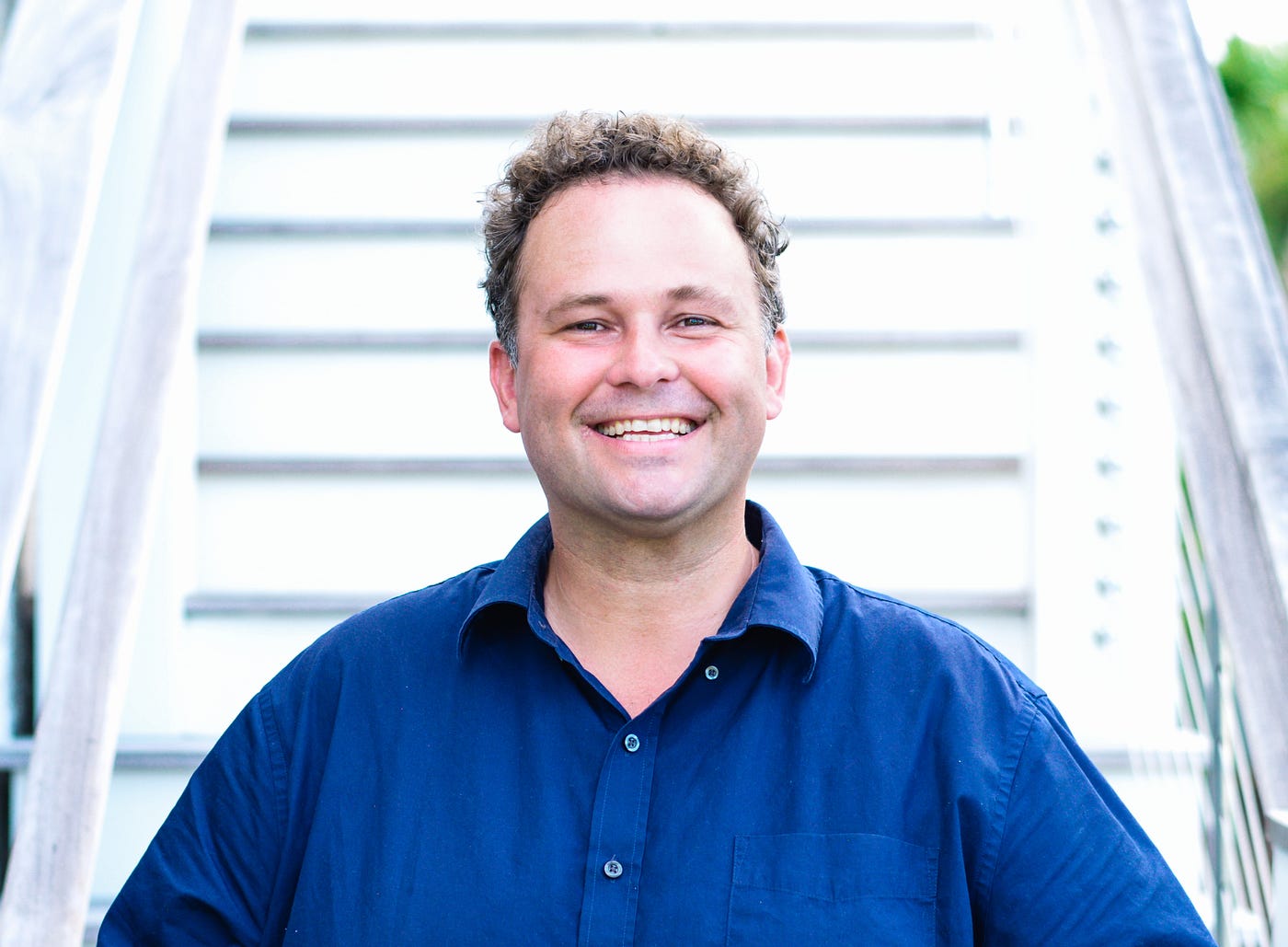
Tim Huelskamp is the CEO and co-founder of 1440. He assists with team building, customer success, finance, strategy, and growth for 1440. Previously, Tim spent near a decade at a $20B private equity/venture capital fund where he pursued venture investments in technology companies and provided operational and strategic assistance to portfolio companies. Tim also served in the Investment Banking Group at Jefferies & Company. He graduated from Boston College and currently lives in Chicago with his better half.
Thank you so much for joining us. Before we dive in, our readers would love to ‘get to know you’ a bit better. Can you share with us the “backstory” about how you got started in your career?
Istarted my career in the finance industry — I worked for an investment bank for a few years in IPOs/M&A and then transitioned to the private equity/venture capital side and worked for near a decade at a firm, where we helped rapidly growing tech companies scale even faster. About five years ago, I really wanted to set my entrepreneurial spirit free and decided to build a company. I founded another startup, When in Rome, to build custom travel itineraries written by locals, but quickly learned that unfortunately it wasn’t going to scale. After winding that business down, my co-founders and I came up with the concept of 1440 out of the personal desire for impartial news that wasn’t being met by any media companies that I could see.
Do you have a favorite book that made a deep impact on your life? Can you share a story?
My favorite book that I try to read once a year is The Alchemist — it’s a fairy tale about following your dreams. When you’re working hard and building a company, everything feels like a challenge and it’s nice to step back and read this story about following your dreams to appreciate the journey and put life into perspective.
Can you share the most interesting story that occurred to you in the course of your career?
When I was working for a PE/VC firm, we were acquired by a larger firm and were told a majority of the employees wouldn’t remain with the combined firm for long. Initially, the news was incredibly scary, but it turned out to be a blessing: I could take the time to decide my ideal next step in life. I had always dreamed of becoming an entrepreneur, after selling lemonade in grade school, burning CDs in high school, and tinkering with new ideas in my 20s. I was incredibly lucky to receive an exit package that provided runway for building startups. Looking back, the acquisition was a blessing in disguise, and one of the best things that ever happened to me.
Can you share the most humorous mistake that you made when you first started? Can you share the lesson or take away, you learned from it?
We’ve made so many mistakes — it’s all really healthy and more founders need to be comfortable making mistakes. In one of our early newsletters, we made a really bad typo when talking about the Boston Red Sox at the World Series. It was an honest mistake, but when your mom texts you in the morning that you’ve made a big error, you know you messed up. We felt bad, but to fix it we developed new processes and hired a copy editor to ensure it didn’t happen again.
What are some of the most interesting or exciting projects you are working on now?
In the near term at 1440, we are laser-focused on delivering an impartial newsletter to the millions of Americans who can’t find the information and news they’re seeking. Americans have lost trust in the media and struggle to find impartial news that can help them be well informed. Our 2.1M subscribers are split roughly equally between Independents, Democrats, and Republicans — so we feel like we’re delivering on our goal. We also deliver a comprehensive product covering a multitude of topics in a world where many publishers focus on niche segments (we’re inch-deep, mile-wide in a world of inch-wide, mile deep).
In the longer term, we see ourselves as the curators of knowledge — our team is highly adept at scouring hundreds of sources and distilling facts from opinion in a clear and concise way. We curate the most trusted information on any given topic, and we envision being that resource in a number of ways. We’re really excited by the possibilities, so follow along at join1440.com.
What advice would you give to your colleagues in the industry, to thrive and not “burnout”?
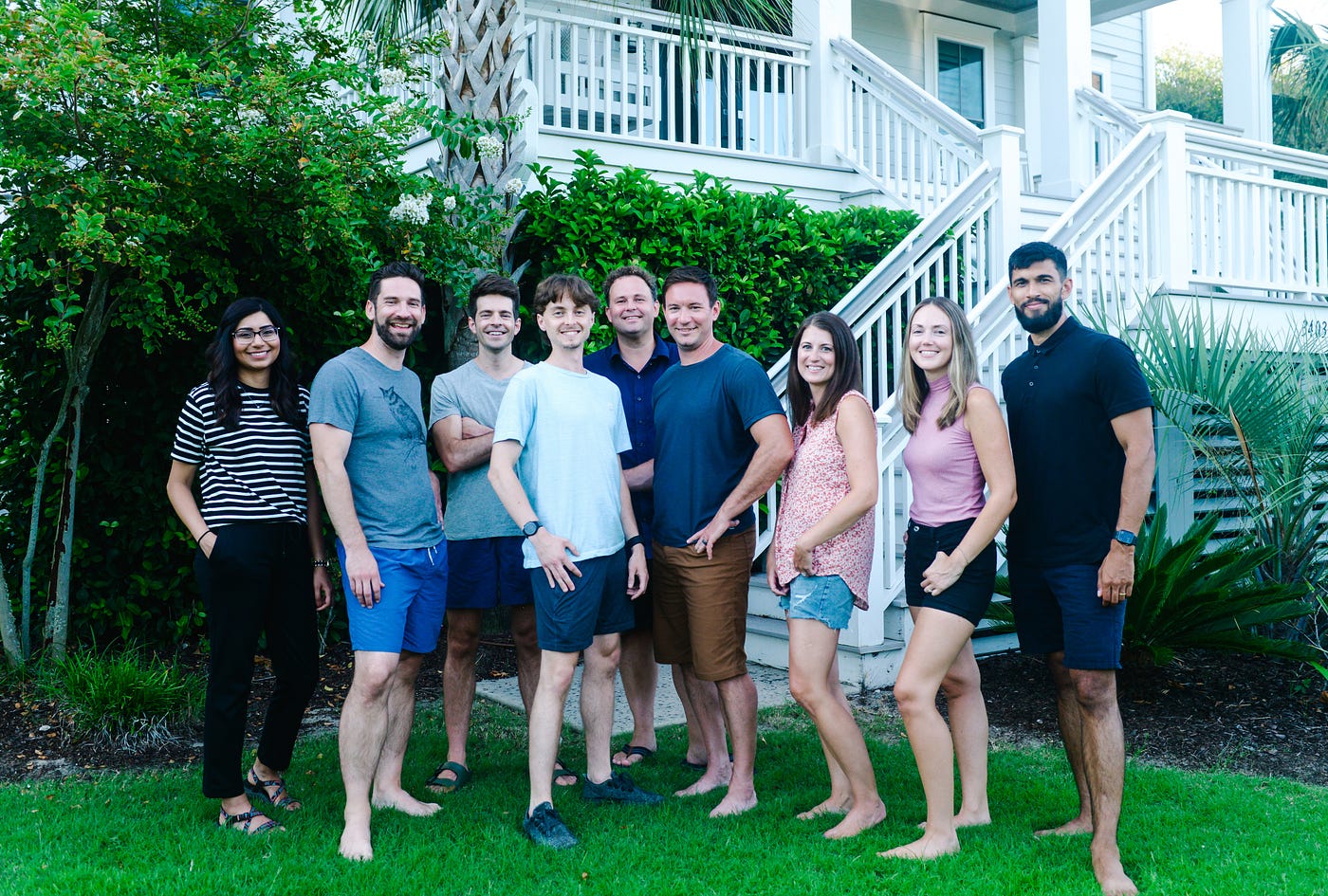
As a team, we’ve focused on general wellness and adopted a few policies to prioritize well-being:
- No calls on Wednesdays
- No calls every other Friday so people can take time if they need to
- Don’t ever bother the team on weekends
- Respect calendars and allocate time to complete deep work
- Be a reasonable human being — we try to avoid “fire drills”
Ok, thank you for that. Let’s now shift to the main parts of our interview. According to this Gallup poll, only 36% of Americans trust the mass media. This is disheartening. As an insider, are there 5 things that editors and newsrooms can do to increase the levels of trust? Can you give some examples?
- Respect readers’ time — One of the big problems with most publishers is that they get greedy. We’ve calculated and figured out that your attention (whether it’s on TV/smartphone/computer screen) is worth money. Every minute of your attention is worth approximately $0.01. So TV news is incentivized to keep you watching as long as possible. Facebook is incentivized to keep you scrolling. People fighting, clickbait titles, hot takes — all these are designed to keep your attention as long as possible. But it’s also causing distrust and disillusionment with some of the media that is harming our country. If publishers respected their audience’s time, they could cut a lot of the frustration out. That’s why we’ve designed 1440 to be read in 5 minutes or less — so the busy professional can receive a clear, trusted picture of what’s going on in the world in a short amount of time, and spend their time with their families or to get ahead at work.
- Reduce bias — I get it. We all come with our own life experiences and points of view that frame how we see what’s happening in the world. But 1440 tries to be as unbiased as humanly possible because a large majority of people don’t want to be told what to think. Our readers are smart, and we respect that. Our job is to provide them the tools to better understand what they read. Importantly, statistics and facts shouldn’t be “weaponized” — they shouldn’t be chosen selectively to support a particular viewpoint. Statistics and facts should help readers evaluate news more intelligently; we don’t want to fixate on those that lead readers in a particular direction.
- Meet someone on their own ground — At the end of the day, most biases come because people care about a particular issue. More often than not it can be traced back to some personal experience that created an outlook. Personal experiences shape who a person is. At 1440, our job is not to tell people what’s “right” or “wrong,” but to provide people the tools to make that determination for themselves.
- Keep facts free — in curating every edition of 1440, we link to sources and articles that aren’t behind a paywall because we want everyone to have access to knowledge. Conspiracies, sensational stories and outrage will always be free because the person spreading it wants as many people to see it as possible. Yet, reputable sources are hidden behind a paywall. We have to make facts and knowledge easily accessible to everyone so they can be well-informed.
- Be choosy about advertisers — the ads running next to your content can cause further distrust in the media. At 1440, we only include two advertisers in each newsletter and they are brands someone on our team can personally vouch for. You won’t see us hawking snake oil because it doesn’t align with our brand values of providing facts.
What are a few things that ordinary news consumers can do to identify disinformation, and help to prevent its dissemination?
Honestly, it’s using common sense. There are a bunch of leading sites like Newsguard and Ad Fontes that have done the hard work of identifying the sources that are on the extreme ends of the political spectrum. Make sure you’re not only getting information from those sites. Ready a variety of media, and of course, subscribe to 1440 to help filter through the noise :) We scour hundreds of sites to bring you only the most trusted and impartial information on business, science, politics, culture and more.
Can you share your “5 Things I Wish Someone Told Me When I First Started” and why? Please share a story or an example for each.
- Make something people want — this is a famous Y-Combinator quote. A lot of companies that fail think that the market wants their product, but don’t actually. You have to constantly ask for feedback to ensure you’re delivering what people want. We spent the first two or three quarters begging our subscribers for feedback to figure out how to deliver on it.
- Focus — so many companies have too many products or want to reach too many people. It’s a more effective business model to do just a few things exceptionally — our team is constantly looking for ways to reduce the number of projects we work on.
- Hire people smarter than you and “get out of their way” — founders need to be comfortable with not knowing everything, and hiring brilliant people that know more and then letting them succeed.
- Delight your customers — we answer every email that comes into us. If a customer has a question or request, we answer each one to delight them, knowing they’ll maybe tell their friends and refer more readers to 1440.
- Be a servant leader and have an open culture where employees can thrive — it’s so important to be transparent with strategy. Silos aren’t productive, so communicate what the strategy is and let your colleagues run with it. I’m there if they have questions or need a sounding board, but if you do your job as a leader and communicate the bigger picture, you can trust your team to move forward with achieving it.
You are a person of enormous influence. If you could start a movement that would bring the most amount of good to the most amount of people, what would that be? You never know what your idea can trigger. :-)
I want to foster the pursuit of knowledge. When people are constantly seeking new knowledge, a lot of good can happen. The more we learn and see of the world, the more accepting we are.
How can our readers follow you on social media?
Follow me on LinkedIn and sign up for 1440.
Thank you so much for your time you spent on this. We greatly appreciate it, and wish you continued success!