We brush our teeth every day to keep them healthy, and our minds deserve the same kind of daily care.
As a part of our series about Mental Health Champions helping to promote mental wellness, I had the pleasure to interview Thomas Wilkinson.
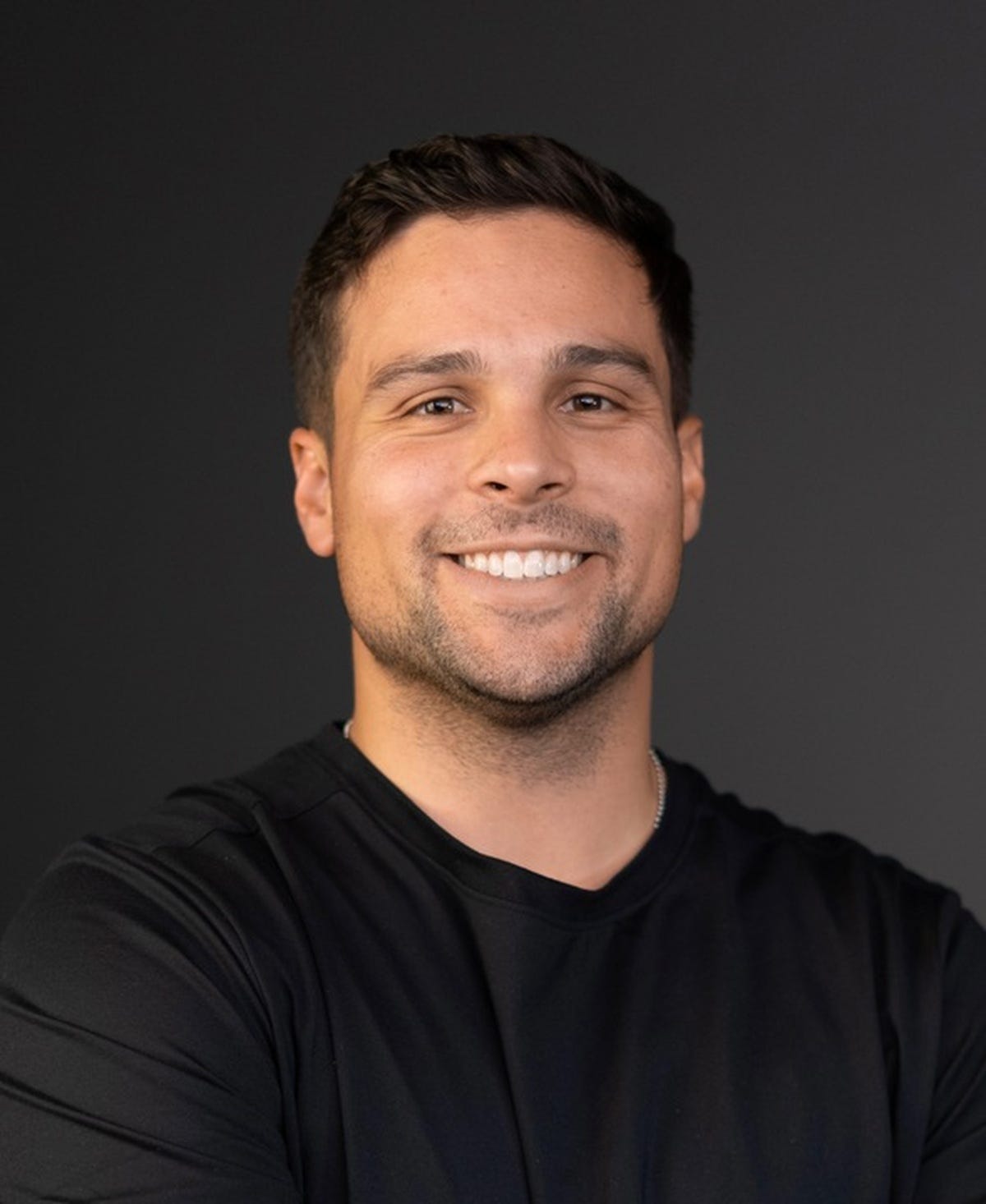
Thomas Wilkinson is the founder and CEO of NeuroNova, a neuroscience-based technology company. He is also a managing partner at Ollin Ventures, where he invests in and advises early-stage companies. Thomas is passionate about turning innovative technologies into impactful businesses that improve lives.
Thank you so much for joining us in this interview series! Before we dig in, our readers would like to get to know you a bit. Can you tell us a bit about how you grew up?
I was born in Beaverton, Oregon, just outside Portland. I have an older brother, an older sister, and a younger brother. I have a loving family, but things at home were tough growing up, mostly because of my dad and the toll his own mental health took on me and the rest of our family.
I coped with it by keeping myself busy and distracted, and the biggest distraction was gymnastics. I did gymnastics for over a decade, and I wanted to be an Olympian, so I trained really hard all through my childhood to pursue that goal. That was my outlet growing up, which then led to me doing gymnastics at the Air Force Academy for my freshman year of college.
You are currently leading an initiative that is helping to promote mental wellness. Can you tell us a bit more specifically about what you are trying to address?
The most important thing to me is giving people something that helps them regulate, naturally. We call it “mental hygiene.” We brush our teeth every day to keep them healthy, and our minds deserve the same kind of daily care.
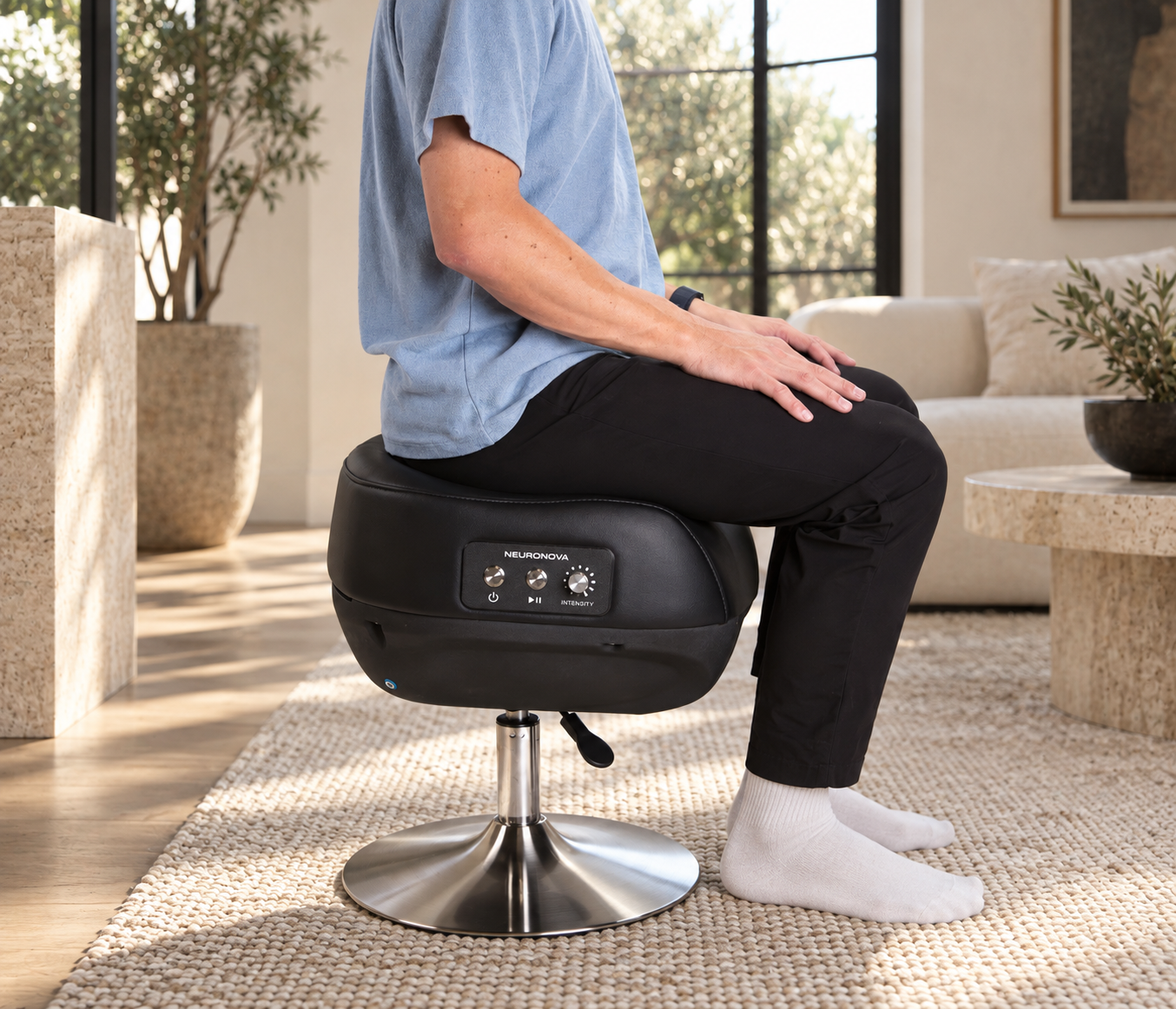
Our brains just weren’t designed for the modern world. Between our phones, sugar, caffeine, and everything else we’re bombarded with every day, we’re surrounded by artificial stimulation on an ongoing basis. Dopamine plays a big role in how we regulate ourselves. Our NeuroNova chair is designed to help you get back to homeostasis, so you can self-regulate your nervous system, without medication.
This is very personal for me. Everyone’s experience is different, and I think medication is important for people in some cases. However, when I was prescribed medication for severe ADHD and anxiety, I wasn’t properly educated on the side effects or the long-term consequences, and I didn’t know I had a choice. When I wanted to stop, I couldn’t. I was stuck. I want people to know there are alternatives, and to give them access to a natural tool they can use every day to manage their mental health.
Can you tell us the backstory about what inspired you to originally feel passionate about this cause?
I lost my brother to a methadone overdose in 2015, which was traumatic and challenging. In the aftermath, I had to manage my own anxiety. I went to the doctor because I was in pain, and I was prescribed several medications. I took them for years. While they masked the pain, I struggled to get off them, despite trying several times to taper off.
It wasn’t until I came across the NeuroNova technology at BYU that things began to change for me. I started using the device daily, and within three weeks, I was able to successfully taper off my anxiety medications. I haven’t gone back to them since. Today, I use the chair as needed to help me manage stress and maintain my mental health.
Many of us have ideas, dreams, and passions, but never manifest them. They don’t get up and just do it. But you did. Was there an “Aha Moment” that made you decide that you were actually going to step up and do it? What was that final trigger?
I knew that if this technology helped me and my situation, I was confident that it could help many other people transform their mental health. But honestly my mentor Corbin Church helped me pull the trigger and purchase the technology from BYU.
Can you share the most interesting story that happened to you since you began leading your company or organization?
There are so many, and almost all of them come back to our customers and their outcomes. One that stays with me is a customer in southern Utah who was in a very dark place and dealing with suicidal ideation. Using the chair helped them regulate and get back on track, and they credit NeuroNova as part of that turnaround. Stories like that are the reason we do this.
None of us can be successful without some help along the way. Did you have mentors or cheerleaders who helped you to succeed? Can you tell us a story about their influence?
Yes, a bunch of them. Corbin Church is the reason I became an entrepreneur at all. My plan was to go to business school, work at a big company, learn everything I could, and then start my own business when I was 40. When I told Corbin that, he said it was the dumbest idea he’d ever heard. Turns out he was right. He pushed me to stop waiting and start now.
My family has been a huge support too. My grandfather, my Uncle Todd, and others in my extended family believed in what we’re doing and invested early to give us the resources to get going.
According to Mental Health America’s report, over 44 million Americans have a mental health condition. Yet there’s still a stigma about mental illness. Can you share a few reasons you think this is so?
I’ve experienced the stigma a lot less than people might expect, and at this point I don’t really care what people think. If you have a physical illness, that’s just what it is. Mental illness is no different. Everyone has something they’re dealing with.
Where the stigma persists, I think a lot of it comes from older generations. It was so ingrained in them that you couldn’t be authentic and open about what you were going through. Younger generations are much more willing to talk about it, and I think the stigma will keep fading on its own.
In your experience, what should a) individuals b) society, and c) the government do to better support people suffering from mental illness?
a) Individuals: I believe everyone should take accountability for their own mental health and make it a daily priority, the same way they would their physical health.
b) Society: Our communities should take accountability for the people in them. The place I’d focus most on is our schools. If we could put a device like ours in schools as a natural option for kids who are dysregulated, I think it would have a huge impact. We’re working with some school districts on that right now. I think if parents knew there was a drug-free option for helping their kids regulate, a lot of them would want to try it.
c) Government: I’m pretty small-government minded. The government is going to do what it does, but I think the real change comes from individuals and communities taking ownership.
What are your 5 strategies you use to promote your own well-being and mental wellness?
1. Use the NeuroNova chair every morning and every night. It’s the first and last thing I do each day. It’s my version of brushing my teeth for my brain, and it’s the habit everything else is built on.
2. Exercise every day. Training in gymnastics was my outlet growing up when I was chasing the Olympics, and it still is. I try to move my body every single day.
3. Protect my sleep. I make sure I get seven and a half to eight hours every night. It’s non-negotiable for me.
4. Eat to fuel my body and brain. I try to eat healthy and aim to get my body weight in grams of protein each day, which is harder than it sounds.
5. Stay connected spiritually and socially. I study scripture every day, and at least once or twice a week I make a point of calling a friend I know is going through something hard. Keeping that side of my life healthy matters as much as the physical side.
What are your favorite books, podcasts, or resources that inspire you to be a mental health champion?
The Anxious Generation by Jonathan Haidt was eye-opening. You wonder why so many people are dealing with anxiety and other mental health issues right now, and a lot of it comes back to the devices we start using at a very young age. Our brains weren’t designed for that.
I also love The Happiness Advantage by Shawn Achor. People tend to think of dopamine as the “happiness chemical,” but it’s really tied to motivation and learning. So, I’ll do a session on the chair and then read something like The Happiness Advantage, as a way to keep retraining my brain to think in a more positive way.
If you could tell other people one thing about why they should consider making a positive impact on our environment or society, like you, what would you tell them?
If you’re going to go through the pain it takes to start a business, it might as well be something that actually matters at the end of the tunnel. If all you get at the end is a bunch of money, who cares? Choose something where you can make a real impact. Focus on creating value, and the money will follow.
If you try to solve really difficult problems, you’ll get a lot of fulfillment out of it. It’s going to be extremely hard, it’s going to be painful, and you’re going to want to quit. But knowing that what you’re doing is ultimately a force for good will give you the energy and resilience you need to get through it.
How can our readers follow you online?
@neuronovaco Instagram/Facebook/Tiktok
https://www.linkedin.com/in/thomas-jwilkinson
This was very meaningful, thank you so much. We wish you only continued success on your great work!